From Focused Training to GPP: Putting Your Fitness Together
Focused training builds strength, skill, and endurance. Learn why returning to General Physical Preparedness helps bring those abilities together.
By
November 20, 2026
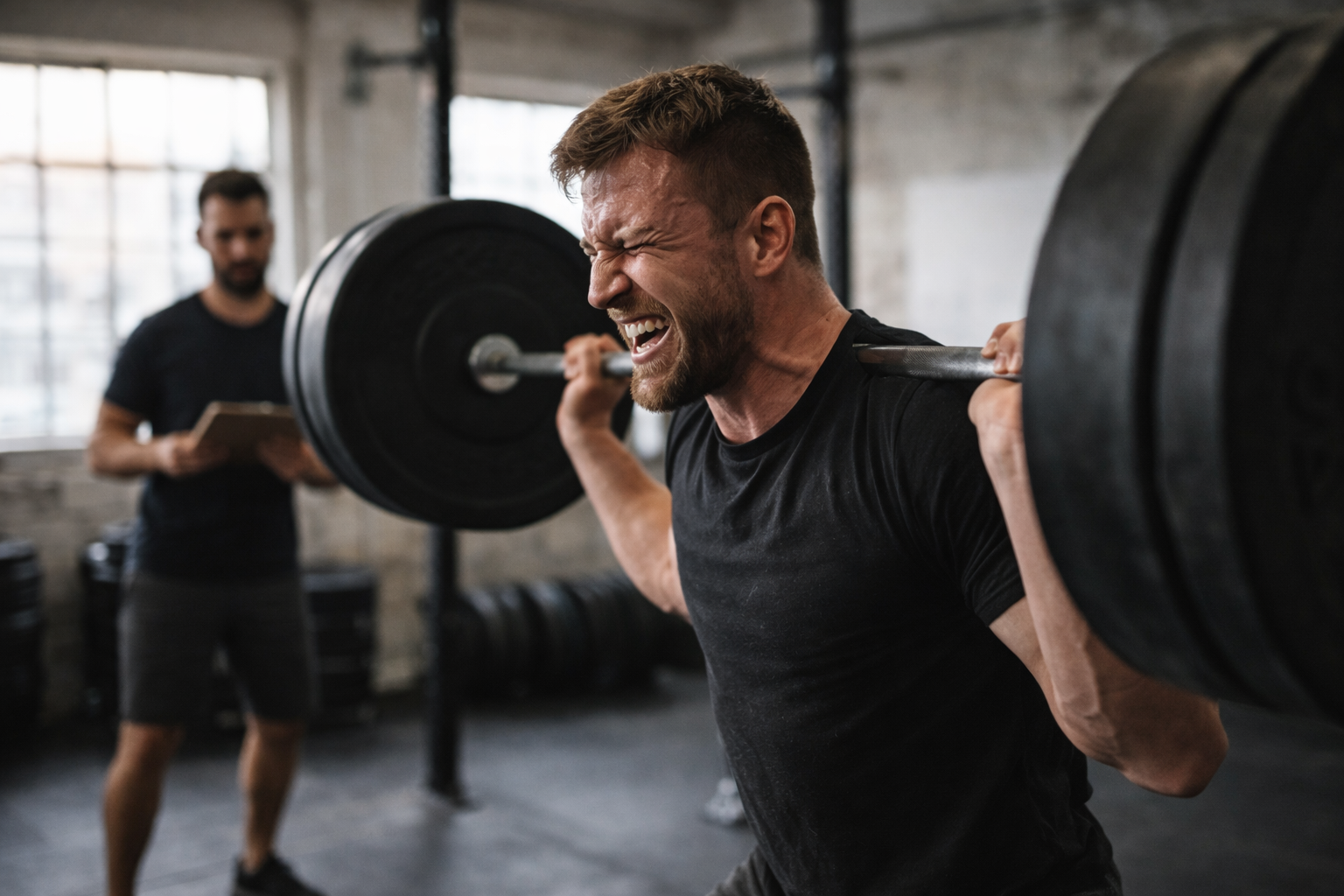
There's a good reason training programs sometimes spend several weeks working on the same movements or physical qualities. Getting stronger takes repeated exposure to challenging loads. Improving gymnastics or Olympic lifting requires regular practice, while building endurance means spending enough time developing the ability to sustain an effort.
But eventually, we need to take those individual improvements and put them to work.
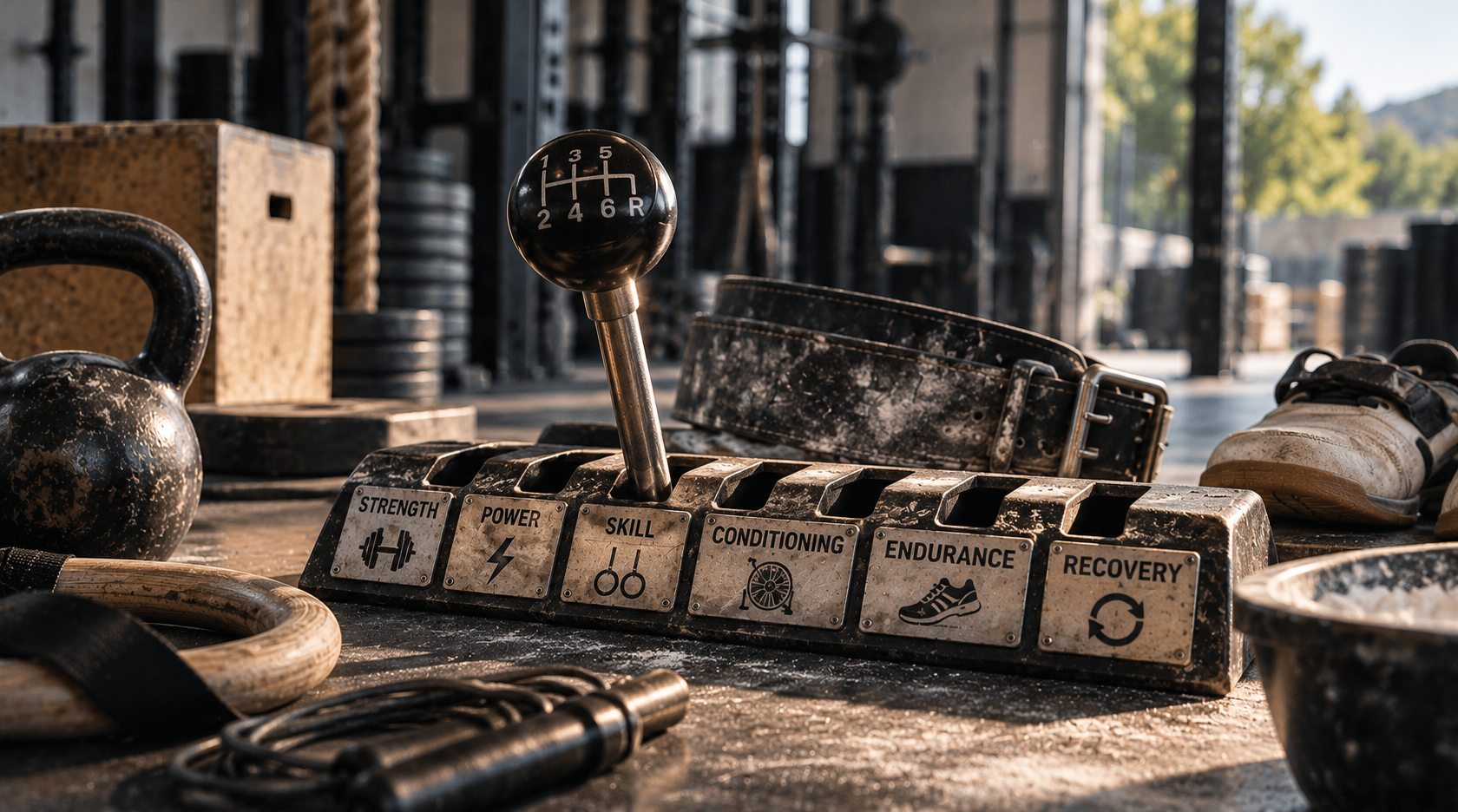
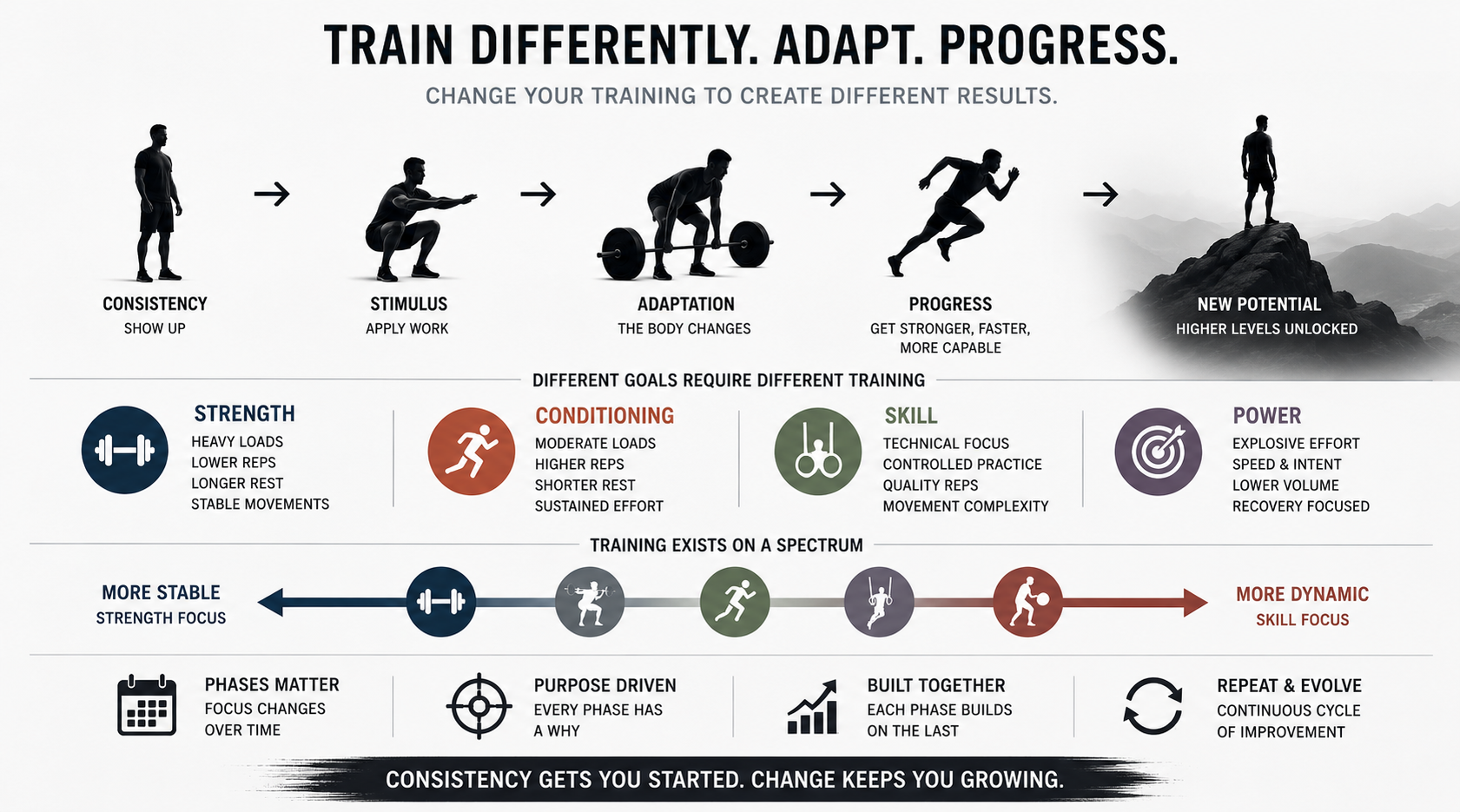
That's where General Physical Preparedness, or GPP, comes in. Rather than concentrating heavily on one particular quality, GPP training develops our ability to handle a broad range of physical demands. Strength, endurance, power, coordination, and skill all have their place, and our training needs to reflect that.
Consider someone who's spent several months developing their foundational strength. Their squat, press, and deadlift have improved, and they're moving heavier weights with more confidence.
Those improvements matter on their own, but they also create opportunities elsewhere in training.
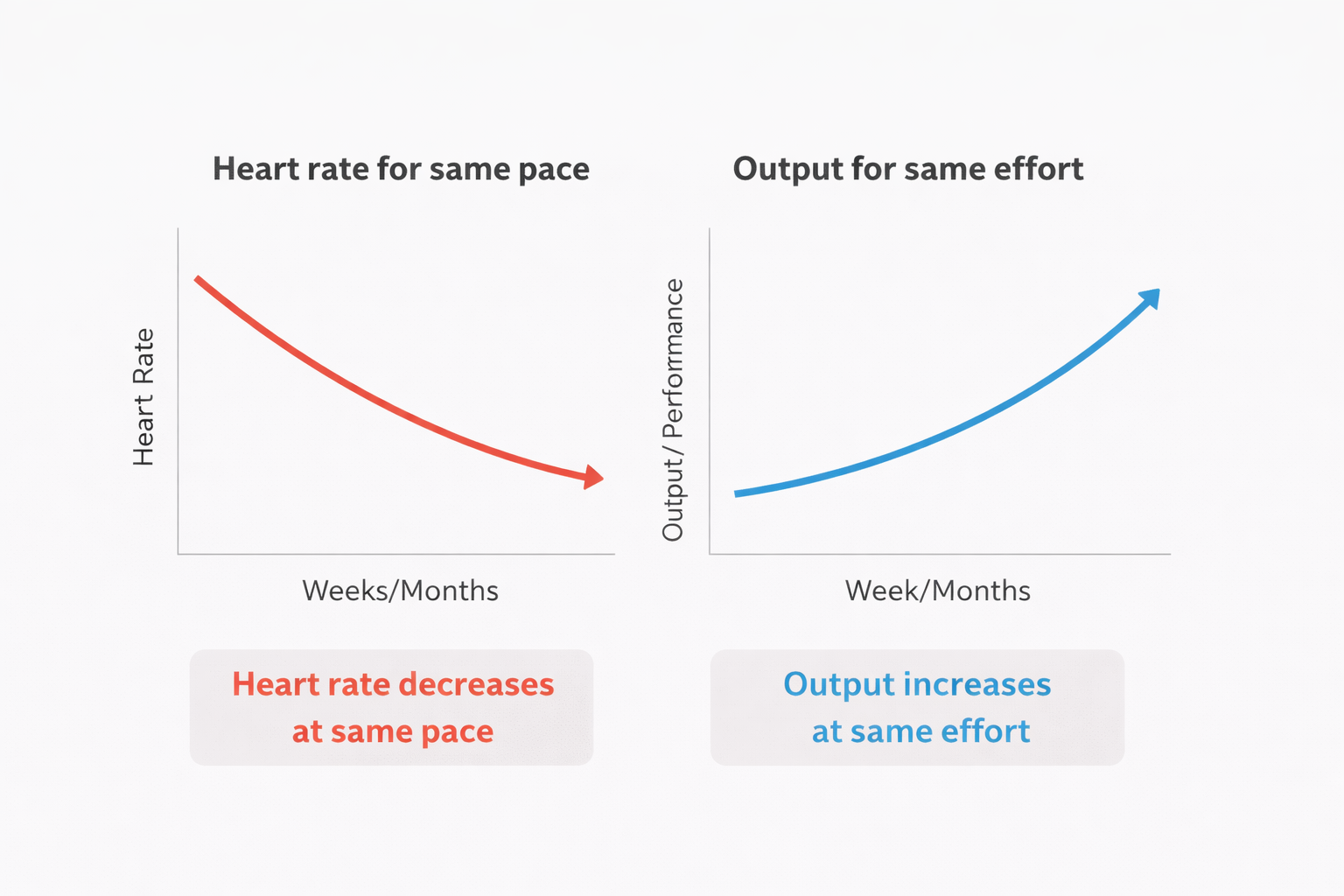
A stronger athlete may find that moderate barbell weights are easier to manage during conditioning workouts. Improved pulling strength can make gymnastics movements more accessible, while better aerobic capacity helps someone recover between difficult efforts.
These qualities don't automatically transfer perfectly from one activity to another. Being stronger doesn't guarantee better conditioning, and having a good aerobic base doesn't mean you're suddenly proficient at technical movements. But the abilities we've developed can support each other when we give them opportunities to work together.
Moving into a broader training emphasis allows us to explore those connections while continuing to develop our overall fitness.
General Physical Preparedness isn't a particular workout or training method. It's an approach that aims to develop a wide range of physical abilities rather than preparing exclusively for one specific task.
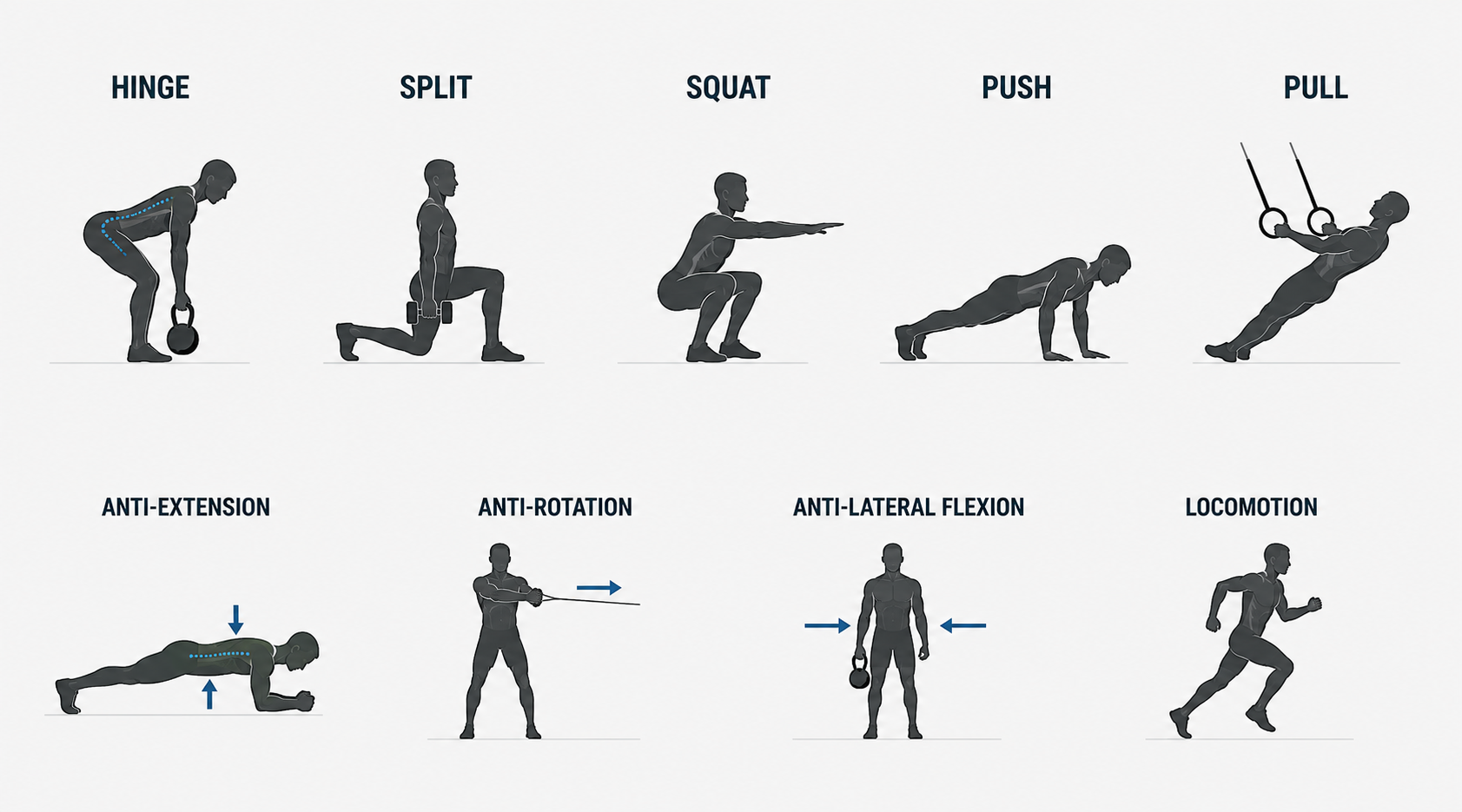
That means training across different movements, loads, and durations.
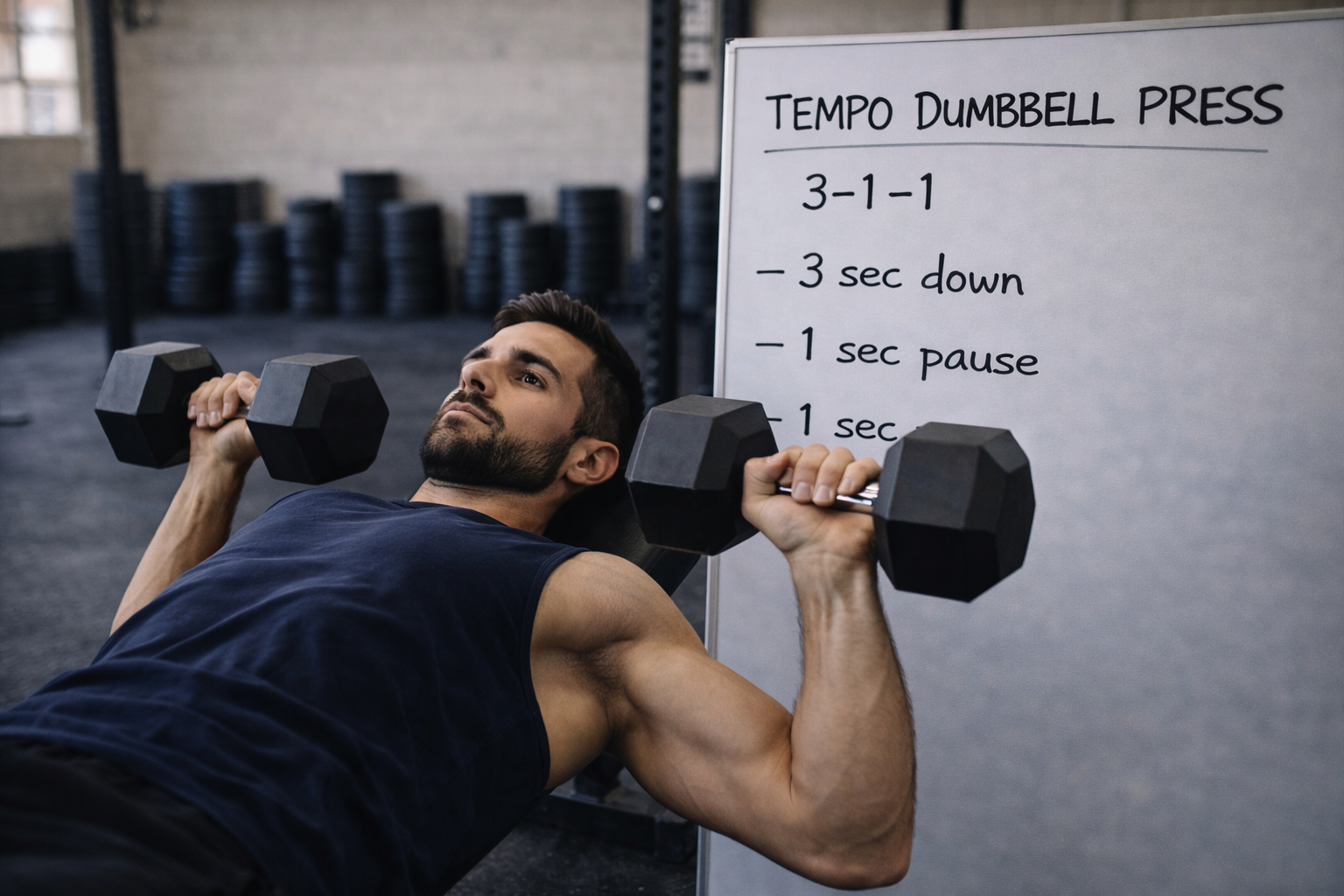
One day might include heavier lifting, another could involve longer aerobic work, and another might combine moderate weights, gymnastics, and conditioning. Short, high-output efforts have their place alongside slower, more sustained work.
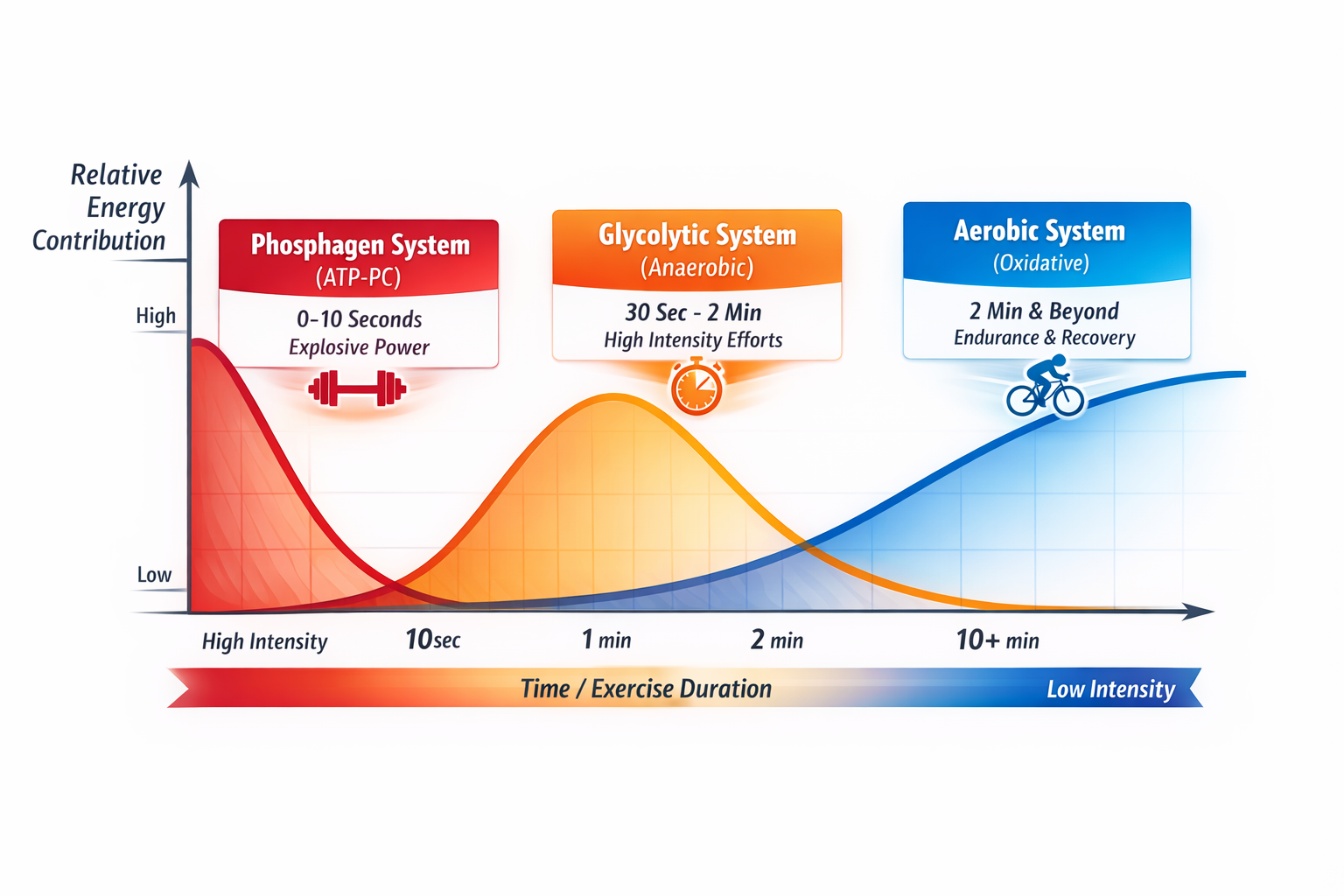
The variety is useful because different workouts expose us to different demands. A short sprint tests our ability to produce and sustain high power output, while a longer conditioning piece challenges us to manage effort over time. A heavy lift requires something different from repeated moderate-weight movements performed under fatigue.
We want to become capable across all of those situations without needing to specialize in any one of them.
There's a common misunderstanding that general fitness programming should be as varied as possible, with every workout introducing something completely different.
Variety is valuable, but it doesn't replace thoughtful programming.
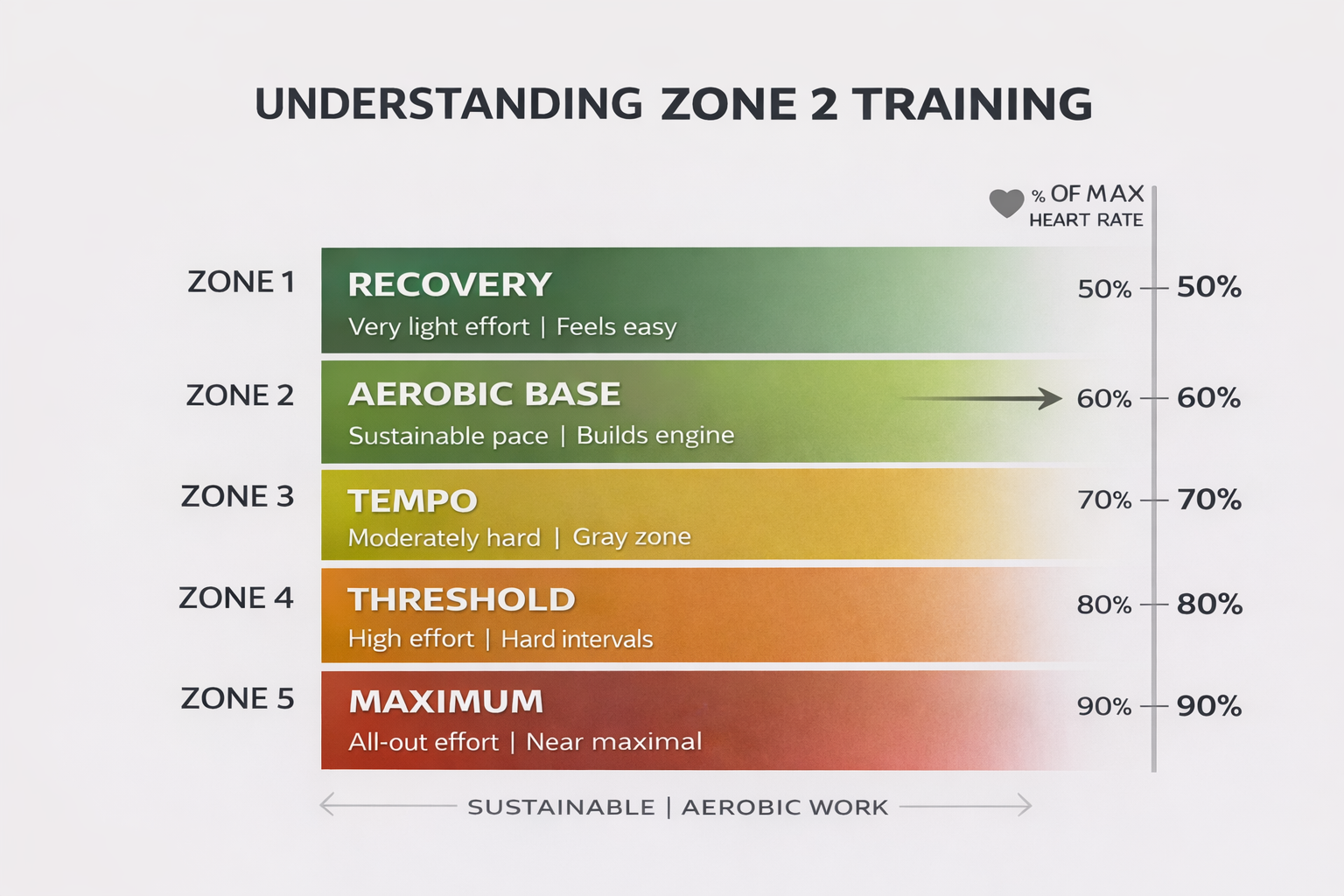
We still need enough exposure to foundational movements to maintain and improve strength. Technical skills benefit from regular practice, and conditioning should develop across a range of intensities and durations rather than constantly settling into the same exhausting middle ground.
The difference is how we distribute our attention.
During a focused strength block, certain lifts might receive dedicated training time several times each week. During a GPP emphasis, those lifts may appear less frequently as more room is made for mixed conditioning, gymnastics, and other physical demands.
We're not abandoning the strength work. We're adjusting its place within the larger program.
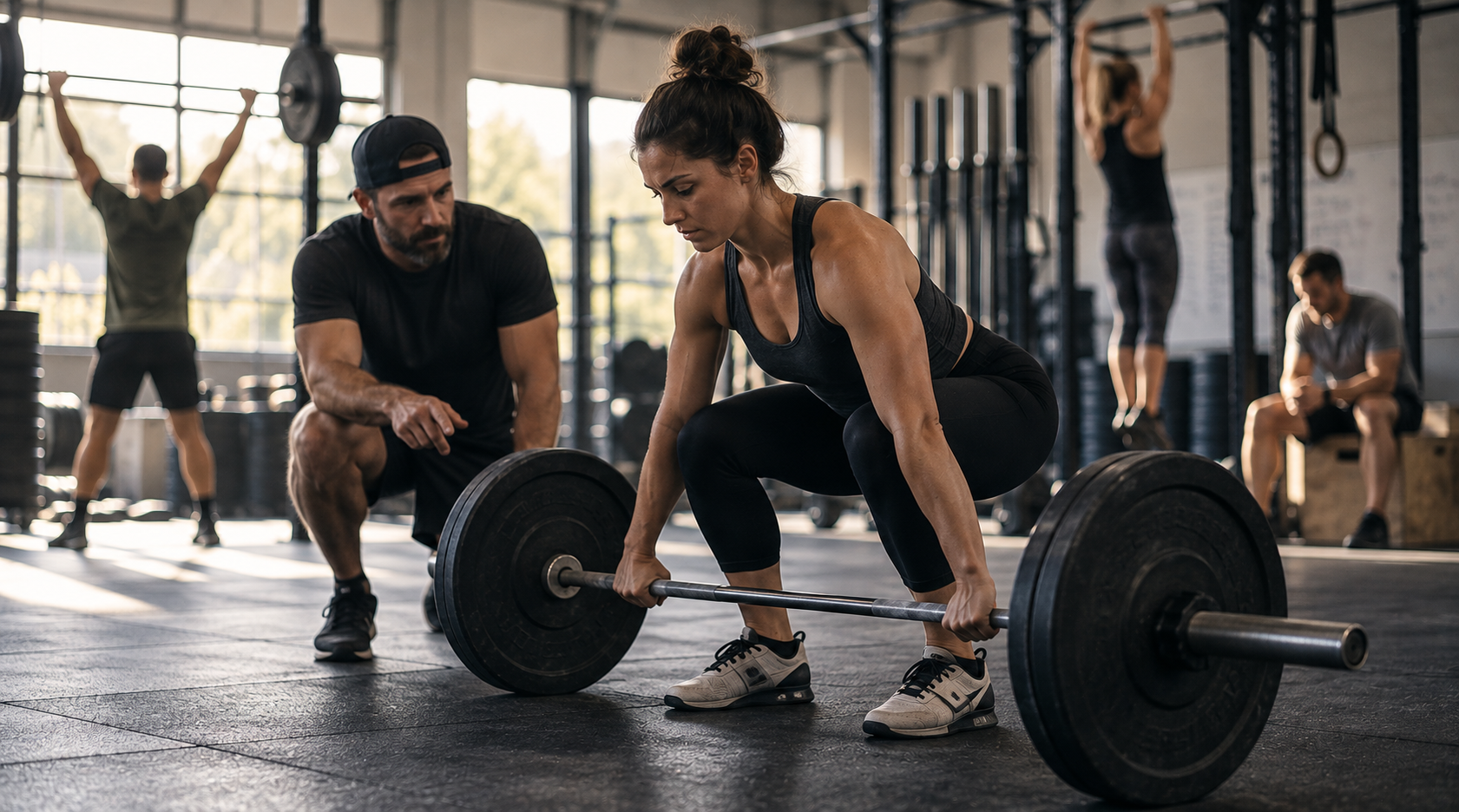
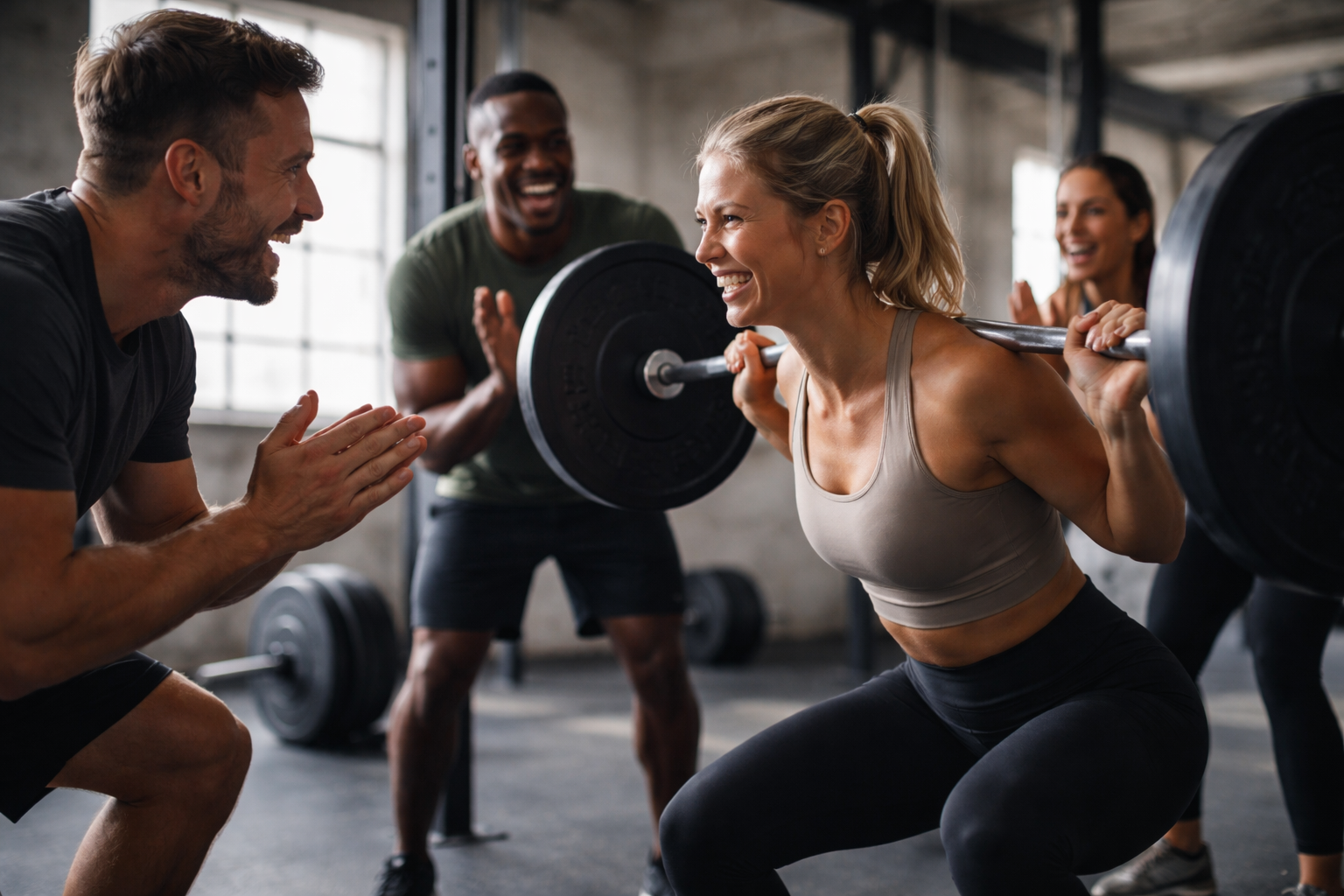
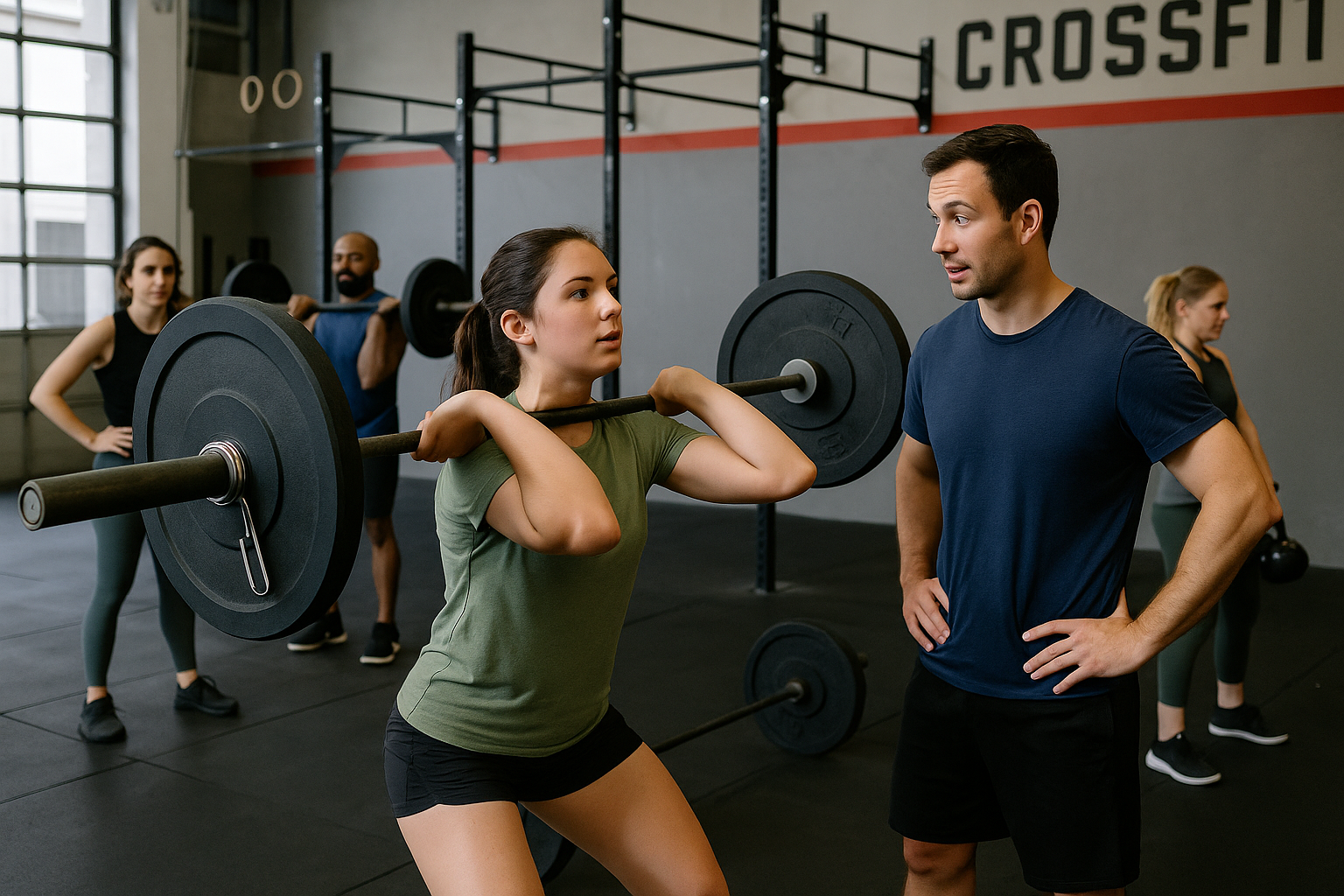
This is also where coaching becomes particularly important. A workout that combines several movements can challenge athletes in different ways depending on their individual strengths and limitations. Choosing appropriate loads, movement variations, and pacing helps preserve the intended training effect rather than letting one difficult movement derail the entire session.
One of the advantages of developing broad fitness is that we don't always know what physical demands we'll encounter.
Most people aren't training for a single athletic event. They want to be strong enough to move heavy things, capable of sustained activity, comfortable moving their own body weight, and able to handle the occasional situation that asks a little more of them.
Even athletes preparing for fitness competitions benefit from this approach. When the exact workouts are unknown, preparing across a wide range of movements and time domains makes more sense than becoming exceptionally good at a narrow selection of exercises.
That doesn't mean every workout needs to be a test or that every session should leave us exhausted. We still need opportunities to develop weaknesses, maintain technical skills, and manage fatigue so we're able to train consistently.
And while competition provides a useful opportunity to measure performance, most of the value of broad fitness shows up in much less dramatic circumstances.
Moving from focused training into a broader program can feel like a substantial change. The workouts may become more varied, familiar movements may appear in different combinations, and the demands of individual sessions can shift considerably.
It's worth remembering that the previous training hasn't disappeared just because the emphasis has changed.
The strength, skill, and conditioning we've developed give us a better foundation for the work ahead. We'll still need to maintain those qualities, address weaknesses, and continue making improvements, but we now have more opportunities to use them in different situations.
That's one of the advantages of organizing training over longer periods. We can spend time developing individual abilities, then gradually change how we use them without expecting every workout to accomplish everything.
The result should be a training program that continues building broad fitness while making use of the work we've already put in.