How to Measure Progress in Zone 2 Training
Zone 2 progress is not always obvious. Learn how to track improvements in endurance, heart rate, and overall performance over time.
By
April 8, 2026
One of the biggest challenges with Zone 2 training is that it does not always feel like progress.
There is no personal record. No leaderboard win. No obvious moment where everything clicks.
Because of that, many athletes question whether it is working.
The reality is that Zone 2 progress is happening. It just shows up differently.
Most athletes are used to tracking progress through:
Zone 2 does not operate that way.
It builds gradually and shows up in subtle improvements that are easy to overlook if you are only focused on intensity or speed.
One of the earliest indicators of progress is how something feels.
You may notice:
Nothing about the workout has changed, but your experience of it has.
This is a sign that your aerobic system is improving.
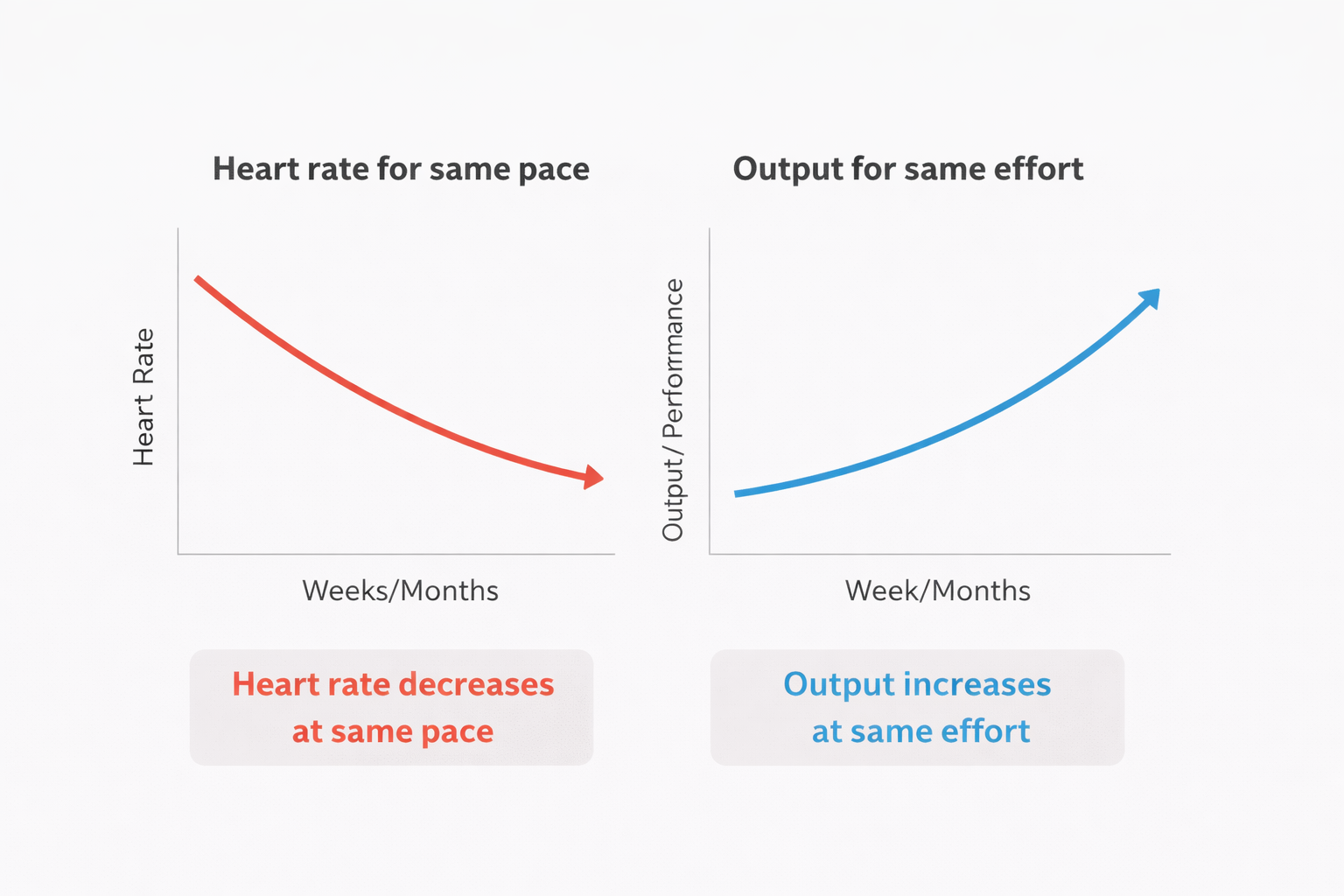
If you track heart rate, one of the clearest signs of progress is:
👉 The same pace produces a lower heart rate
This means your body is becoming more efficient.
It is able to:
This is one of the most objective markers of aerobic improvement.
Another way progress shows up is:
👉 You can go faster or produce more output at the same effort
For example:
The key is that effort stays the same, but performance improves.
As your aerobic base improves, you can sustain effort for longer periods.
You may notice:
This reflects increased capacity, not just effort.
Zone 2 training does not just improve steady work.
It also improves how quickly you recover.
You may notice:
This is one of the biggest performance advantages of a strong aerobic system.
Another sign of progress is stability.
Instead of large swings in performance, you start to see:
This is what allows athletes to perform better, not just once, but consistently.
One of the biggest mistakes is chasing intensity during Zone 2 work.
If you are constantly trying to:
You lose the ability to measure progress accurately.
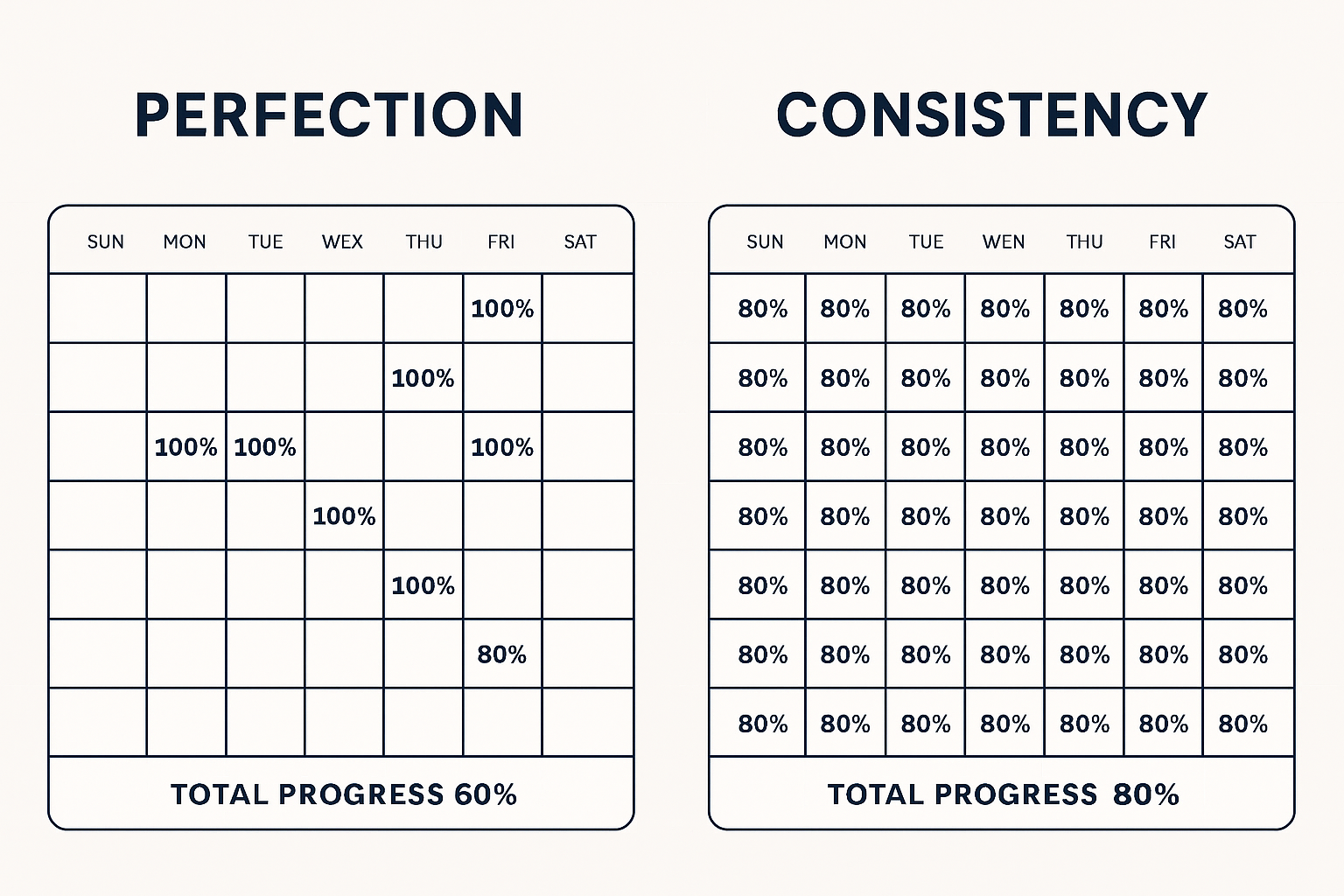
Zone 2 improvements come from consistency, not spikes in effort.
Zone 2 training builds the foundation for everything else.
The progress may not be dramatic in a single session, but it compounds over time.
This is what leads to:
Progress in Zone 2 is not always obvious, but it is always building.
The athletes who benefit the most are the ones who stay consistent and pay attention to the small changes.
Over time, those small changes become significant improvements.
Stay patient. Stay controlled. Trust the process.