Why Your Workouts Will Feel Different and Why That Matters
If your workouts feel different, it is intentional. Learn why training with intent leads to better performance, consistency, and long-term progress.
By
April 4, 2026

If you have been training consistently, you may start to notice that workouts feel different.
The pace may be more controlled. The weights may not always be maximal. Some days may feel less like a race and more like focused work.
This is not a step backward. It is a shift toward training with intent.
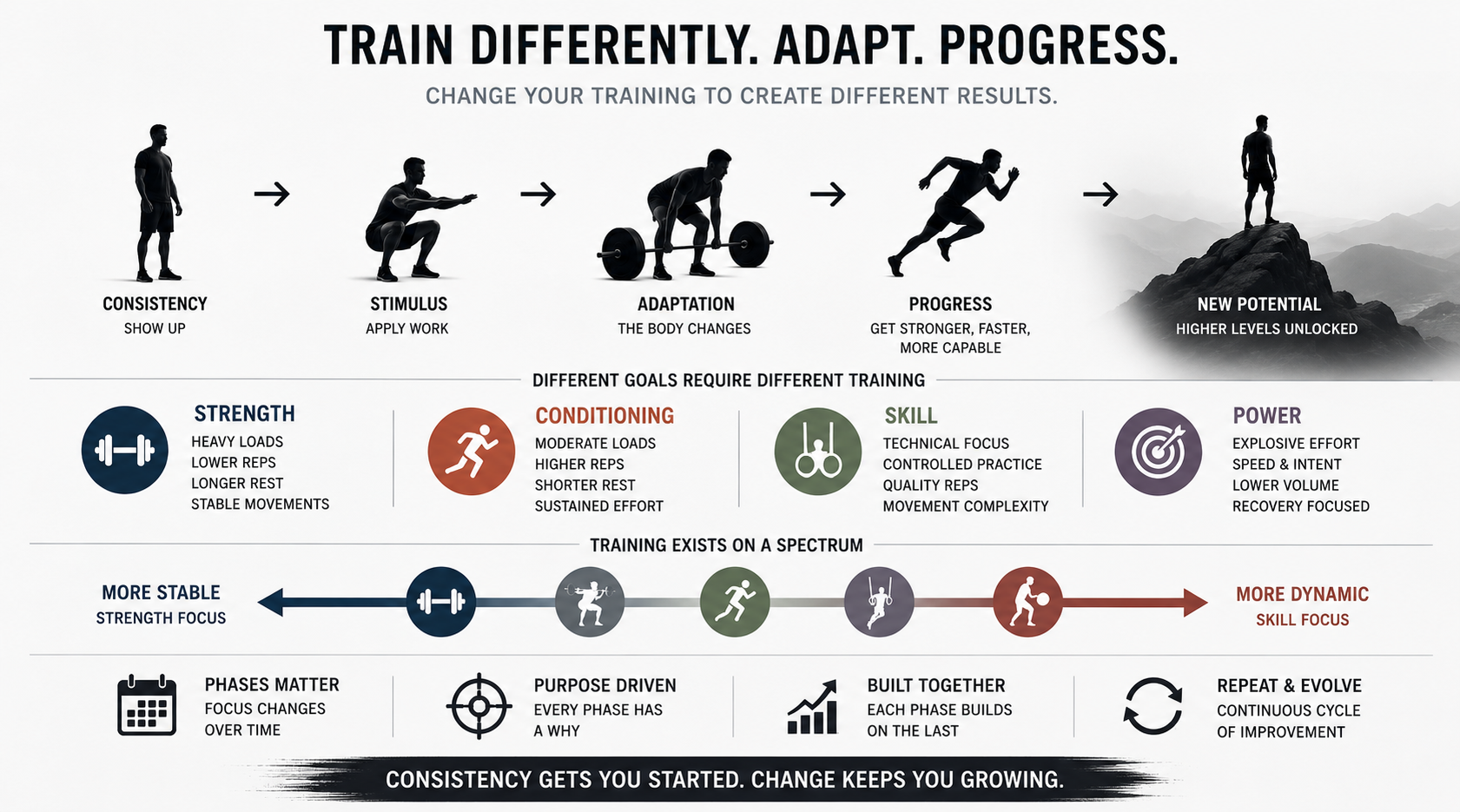
The goal of training is not to win every workout. It is to improve capacity over time. That requires applying the right stimulus, not just the hardest one.
Many athletes are used to measuring success by output.
How fast was the time
How heavy was the lift
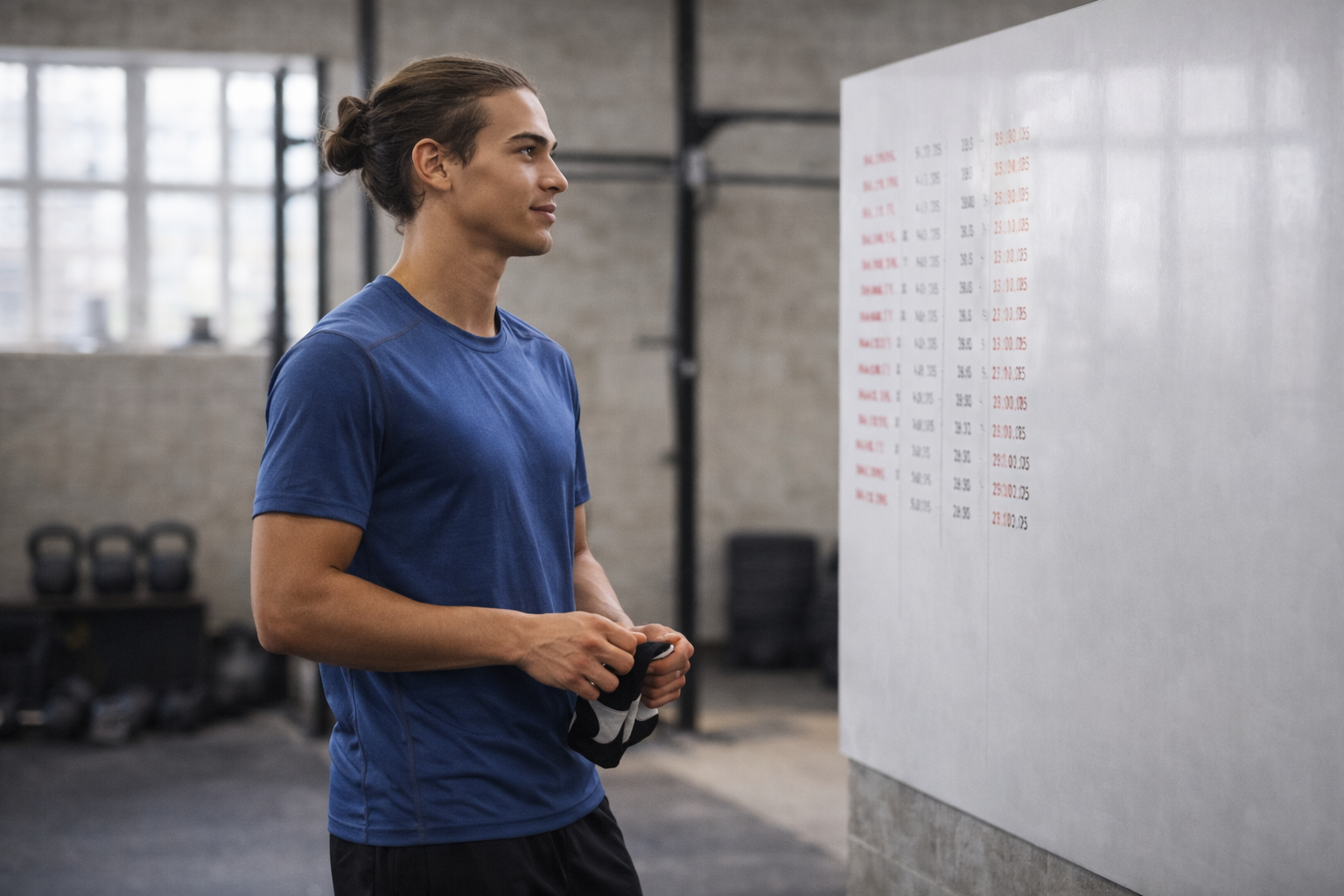
How did I place on the leaderboard
These metrics can be useful, but they do not tell the full story.
Training with intent shifts the focus to:
This creates a more reliable path to progress.
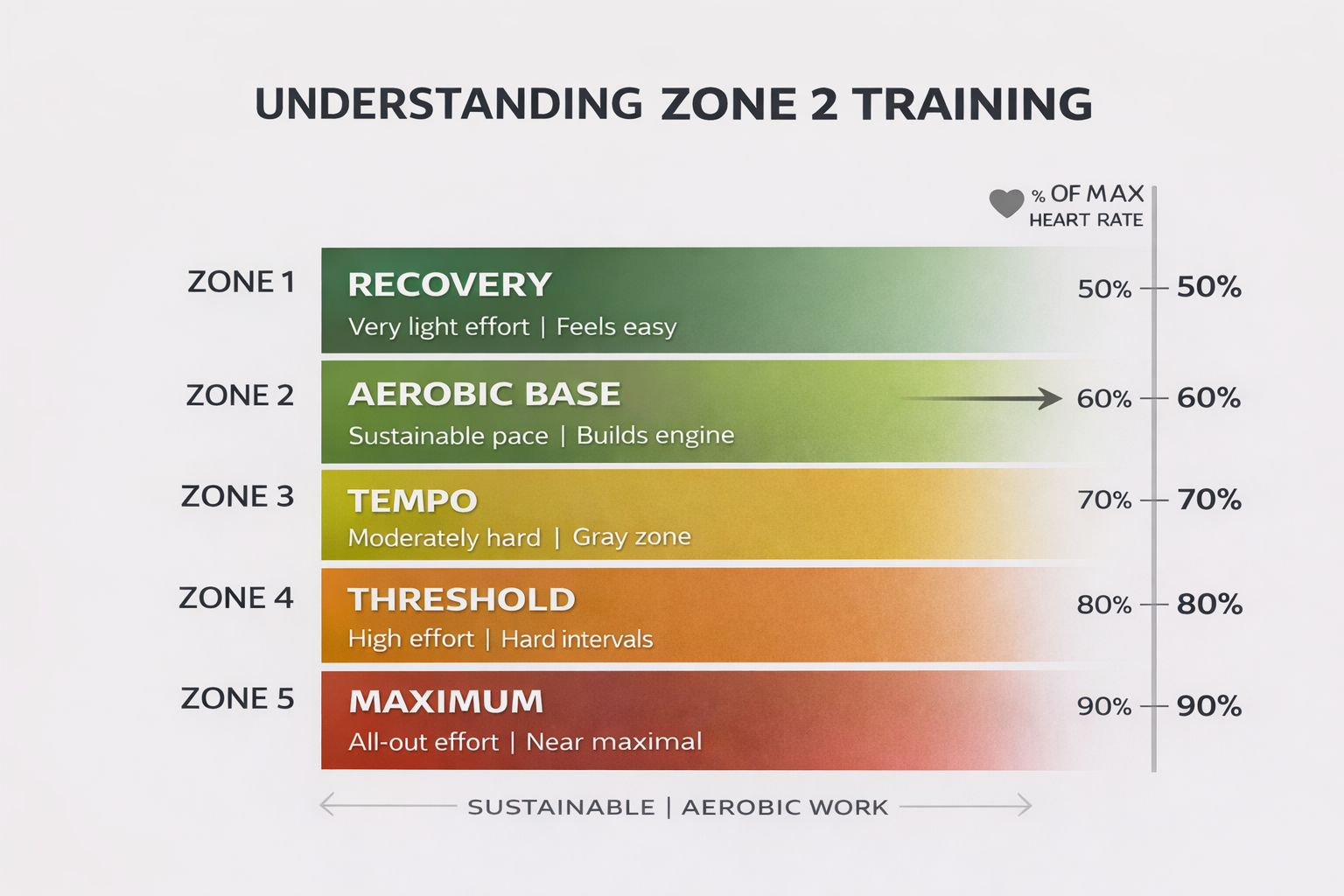
Not every session is designed to be a max effort test.
Some days are meant to:
If every workout is treated as a competition, fatigue builds quickly and progress slows.
When athletes learn to match effort to the intended stimulus, they get more out of each session.
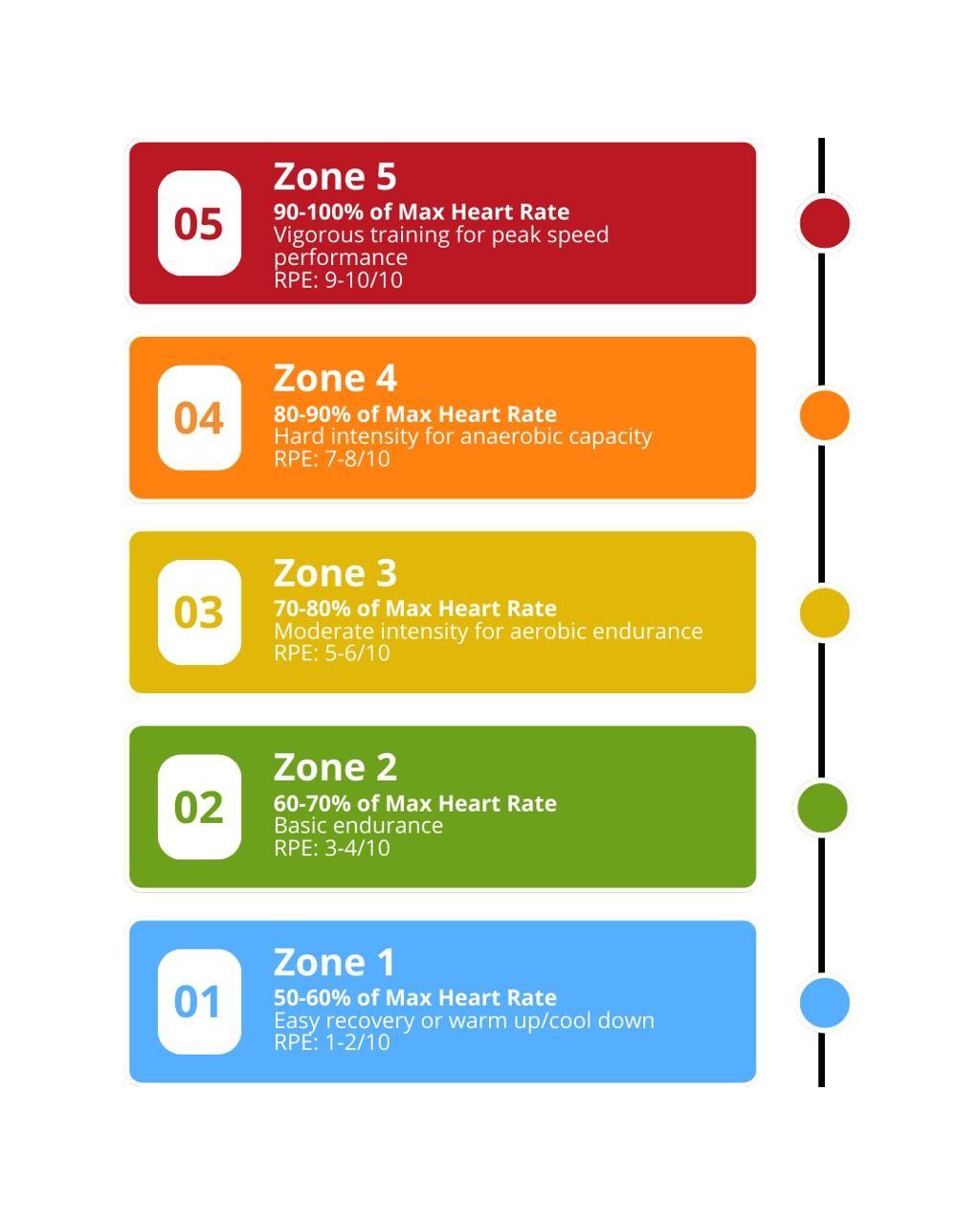
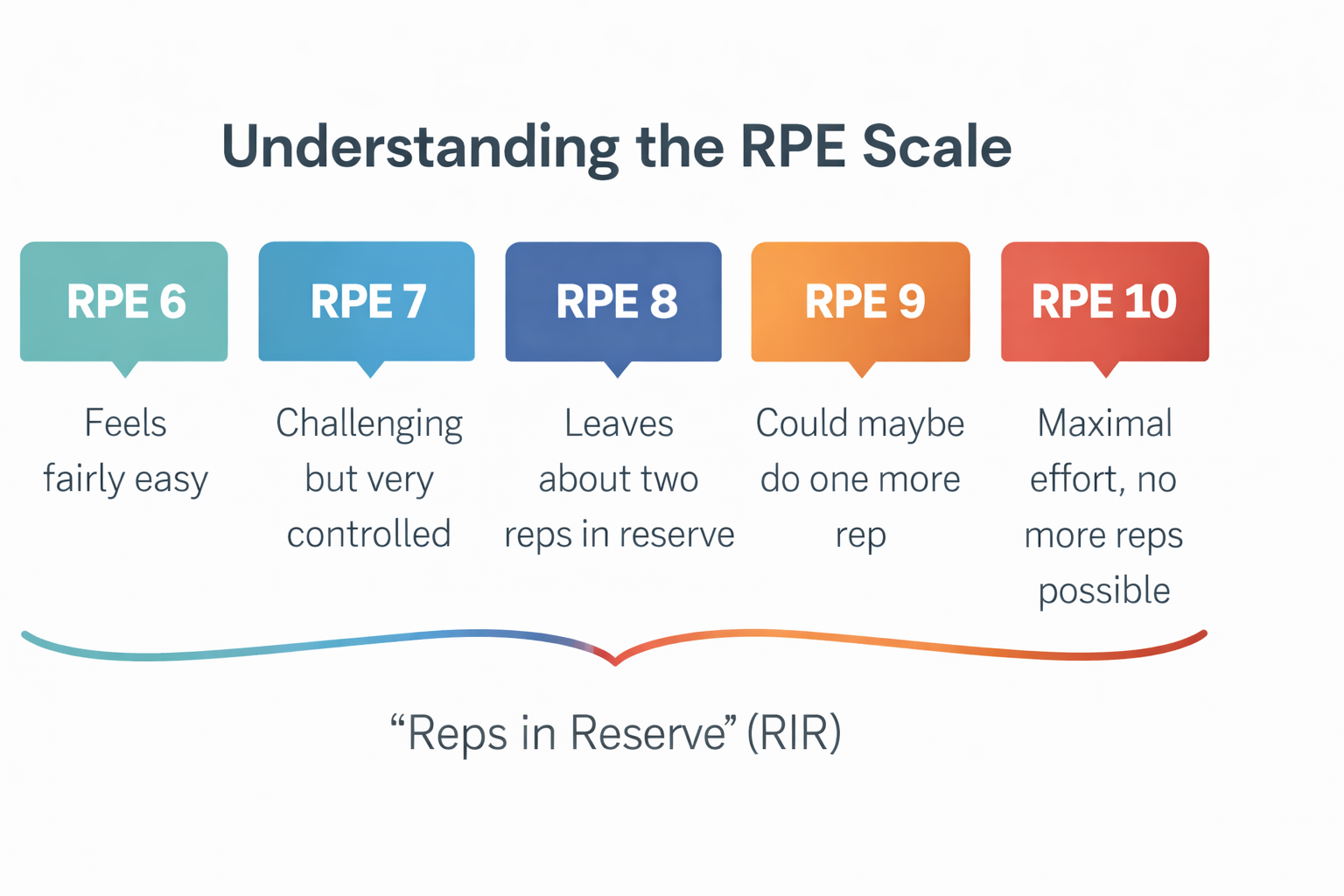
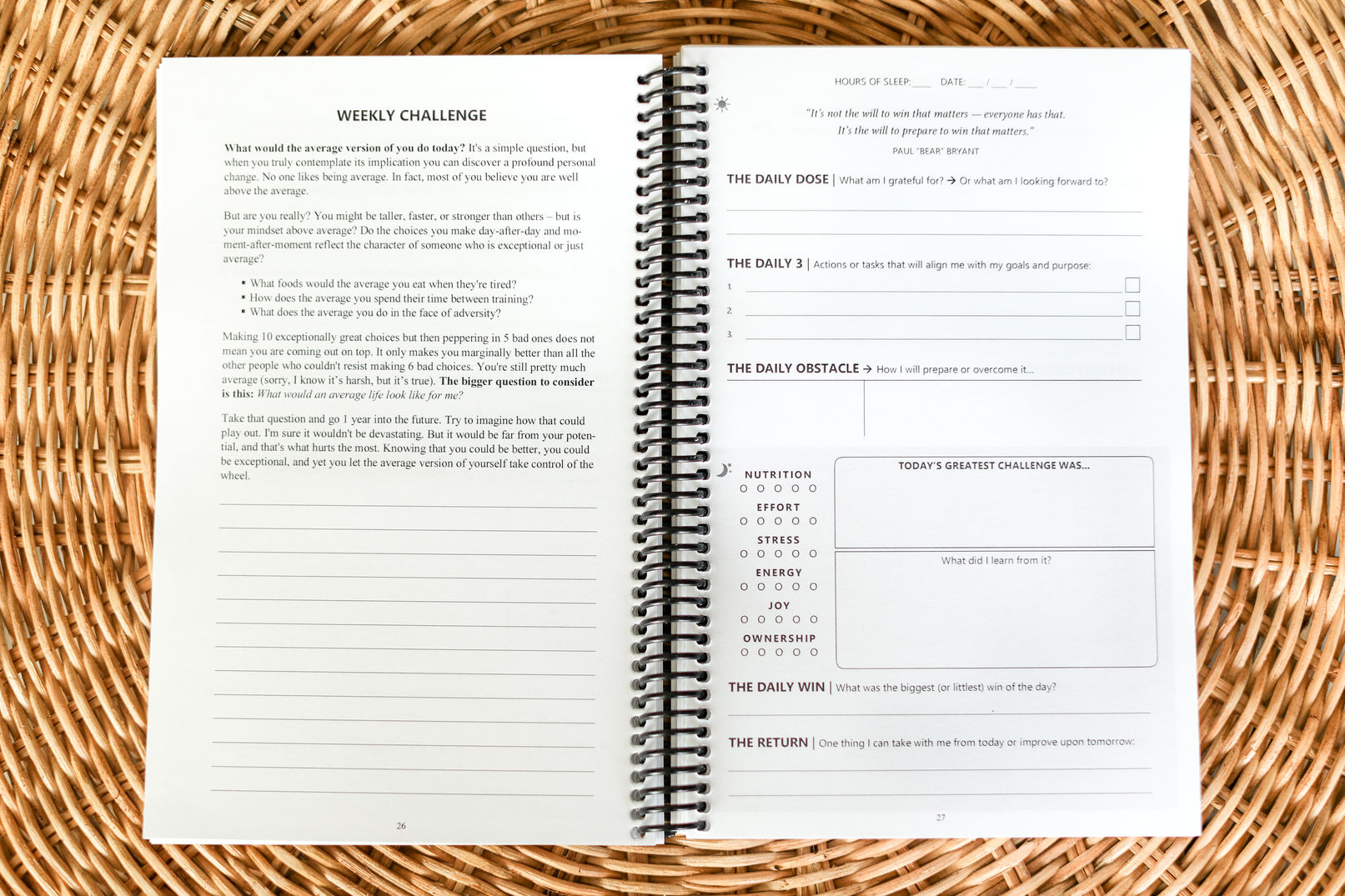
RPE gives athletes a way to measure effort without relying only on numbers.
Instead of guessing how hard to push, athletes can adjust based on how the work feels.
This allows training to stay productive even when:
Effort becomes consistent, even when performance fluctuates.
Training to failure has its place, but it is not the foundation of consistent progress.
When athletes stop just short of failure, they can:
This leads to more productive training over time.
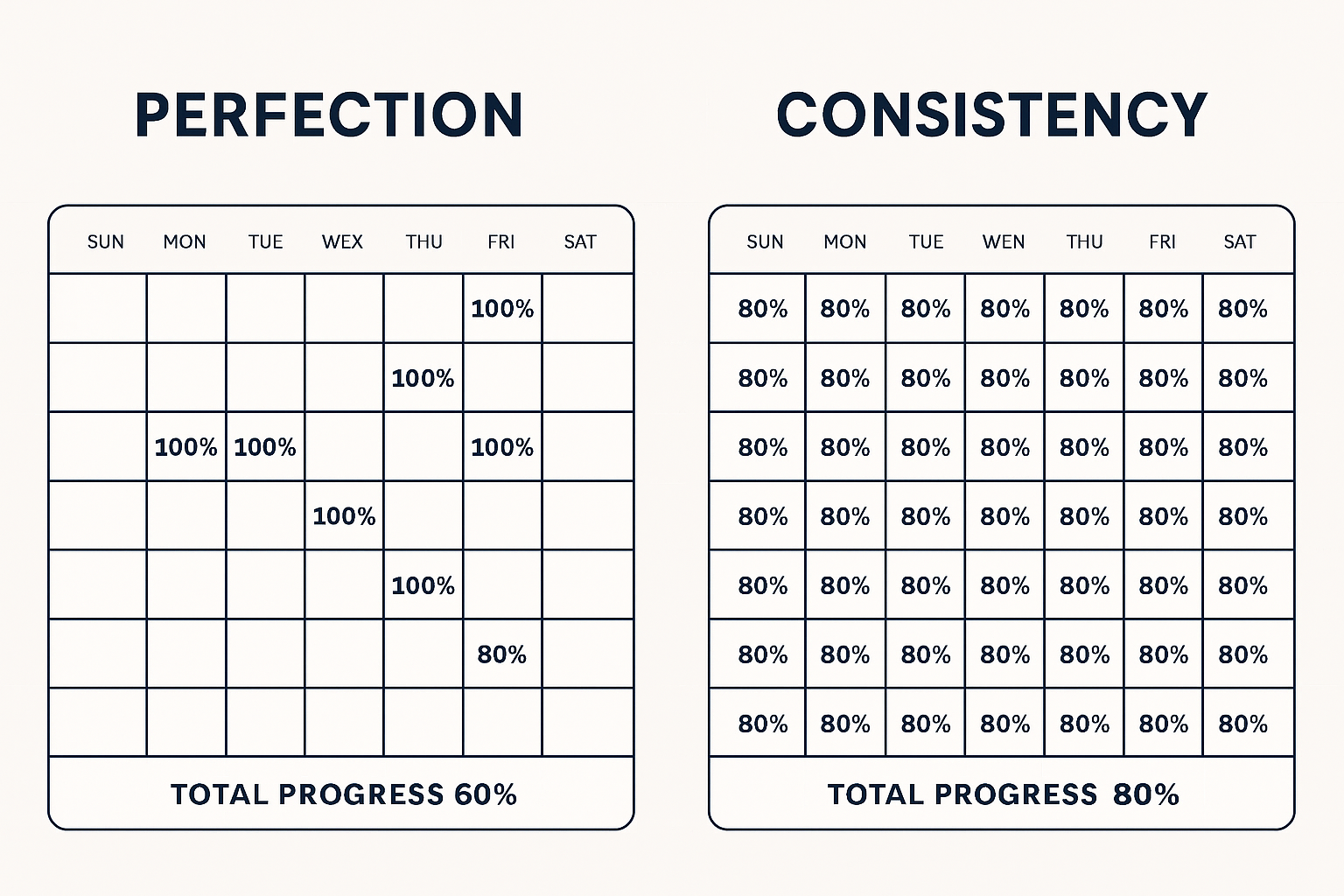
Training is not just about how hard you go. It is about how much work you accumulate and how that work is structured.
Some days prioritize intensity. Others prioritize volume.
Balancing the two allows the body to adapt without becoming overwhelmed.
This is how progress is built over weeks and months, not just single workouts.
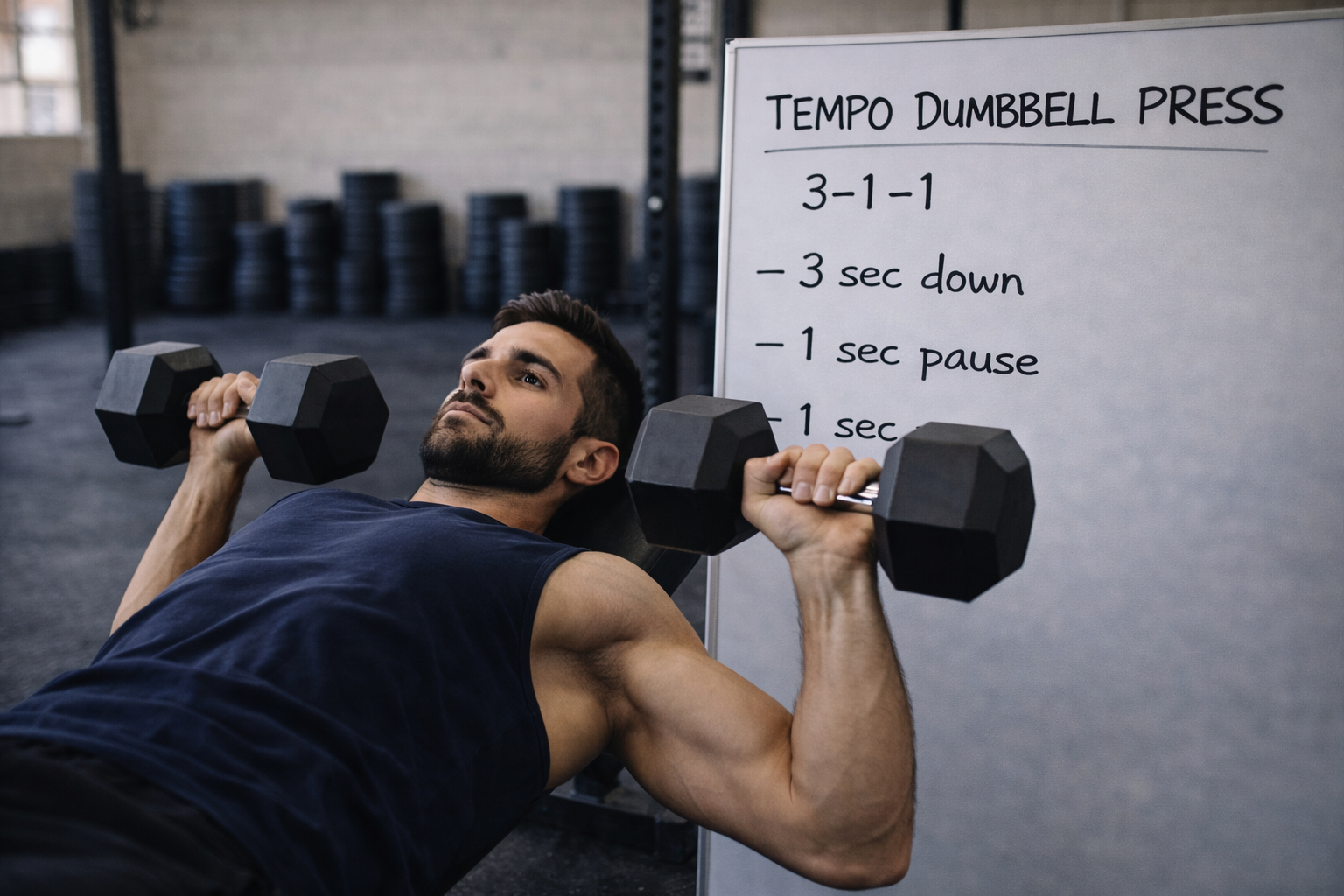
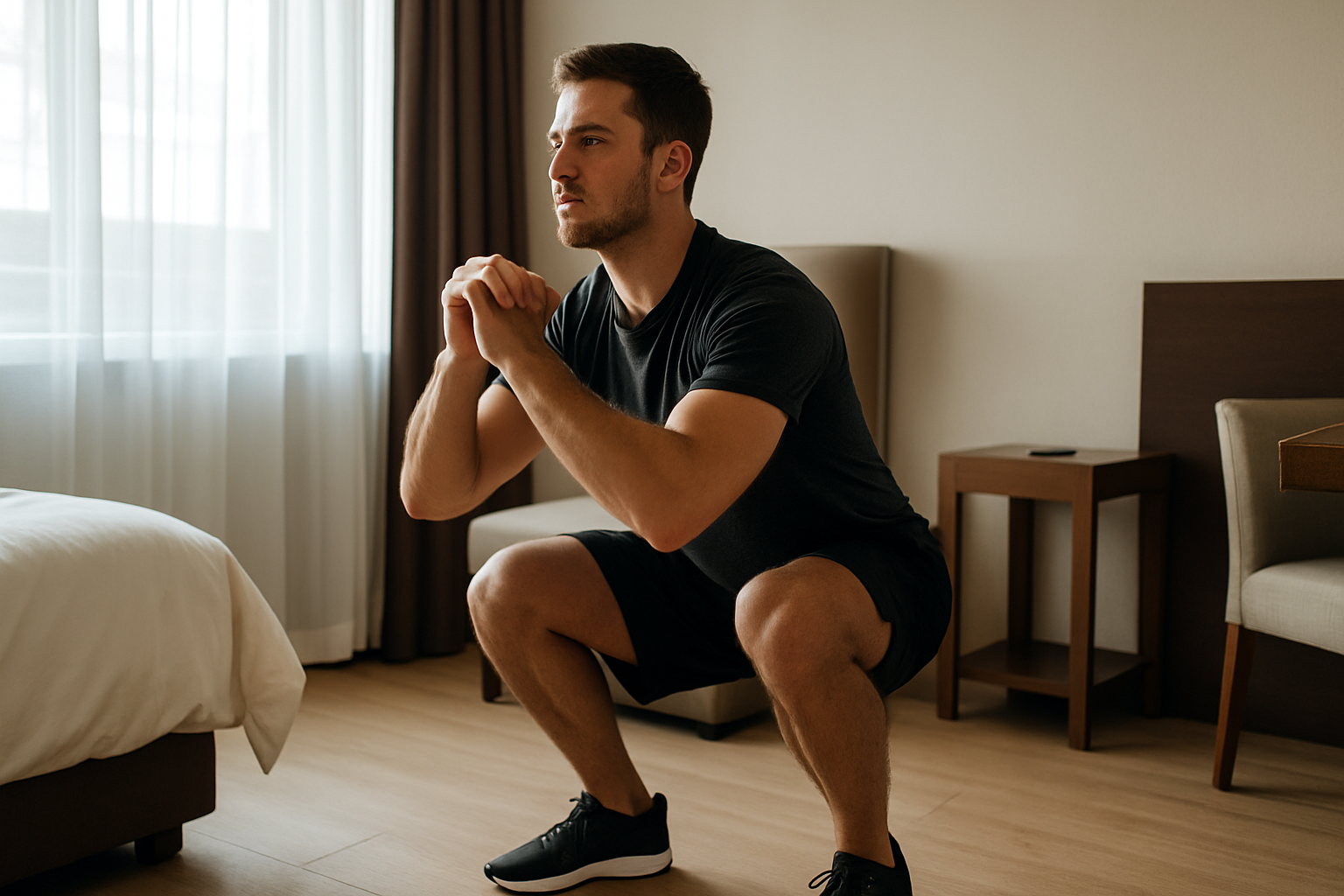
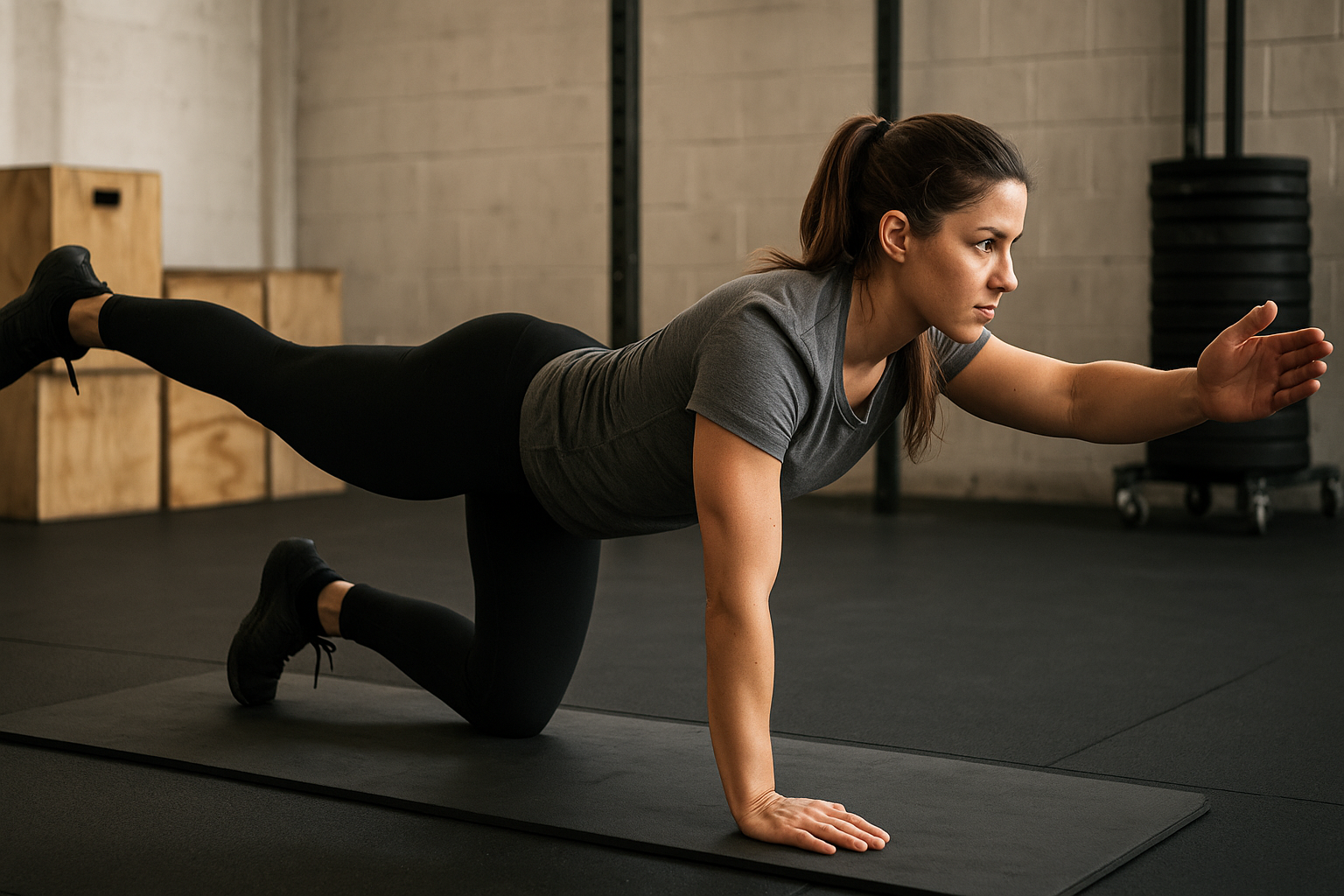
Slowing down movements forces control.
It exposes weaknesses, reinforces positions, and builds strength where it is actually needed.
It may feel harder in a different way, but that is the point.
The goal is not just to complete reps. It is to own them.
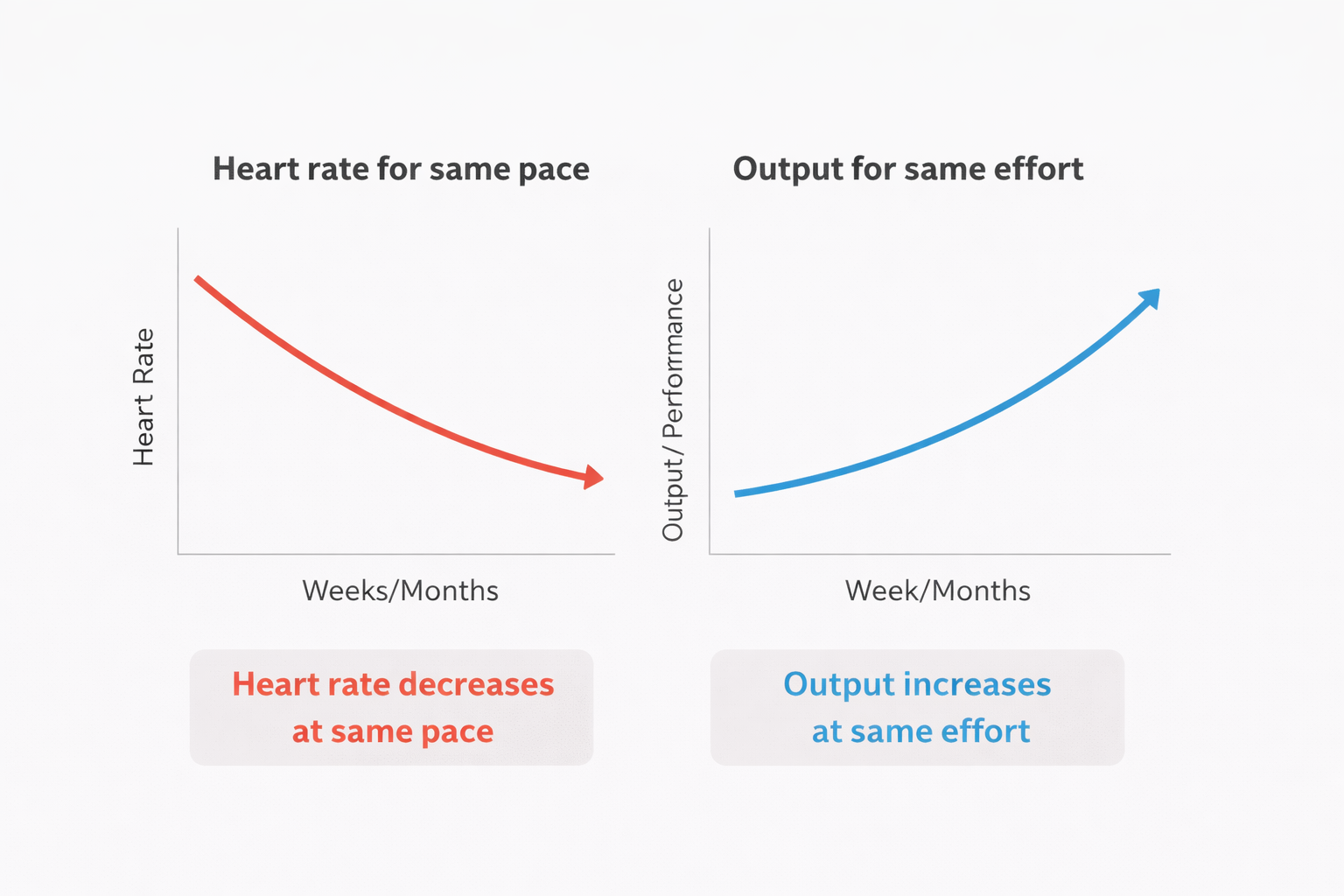
Progress is not always visible in a single session.
It shows up as:
These changes are subtle, but they compound over time.
When training feels different, it can be tempting to question whether it is working.
The reality is that the most effective training does not always feel the most satisfying in the moment.
It feels controlled. Intentional. Repeatable.
Athletes who commit to this approach tend to see better long-term results than those who chase intensity every day.
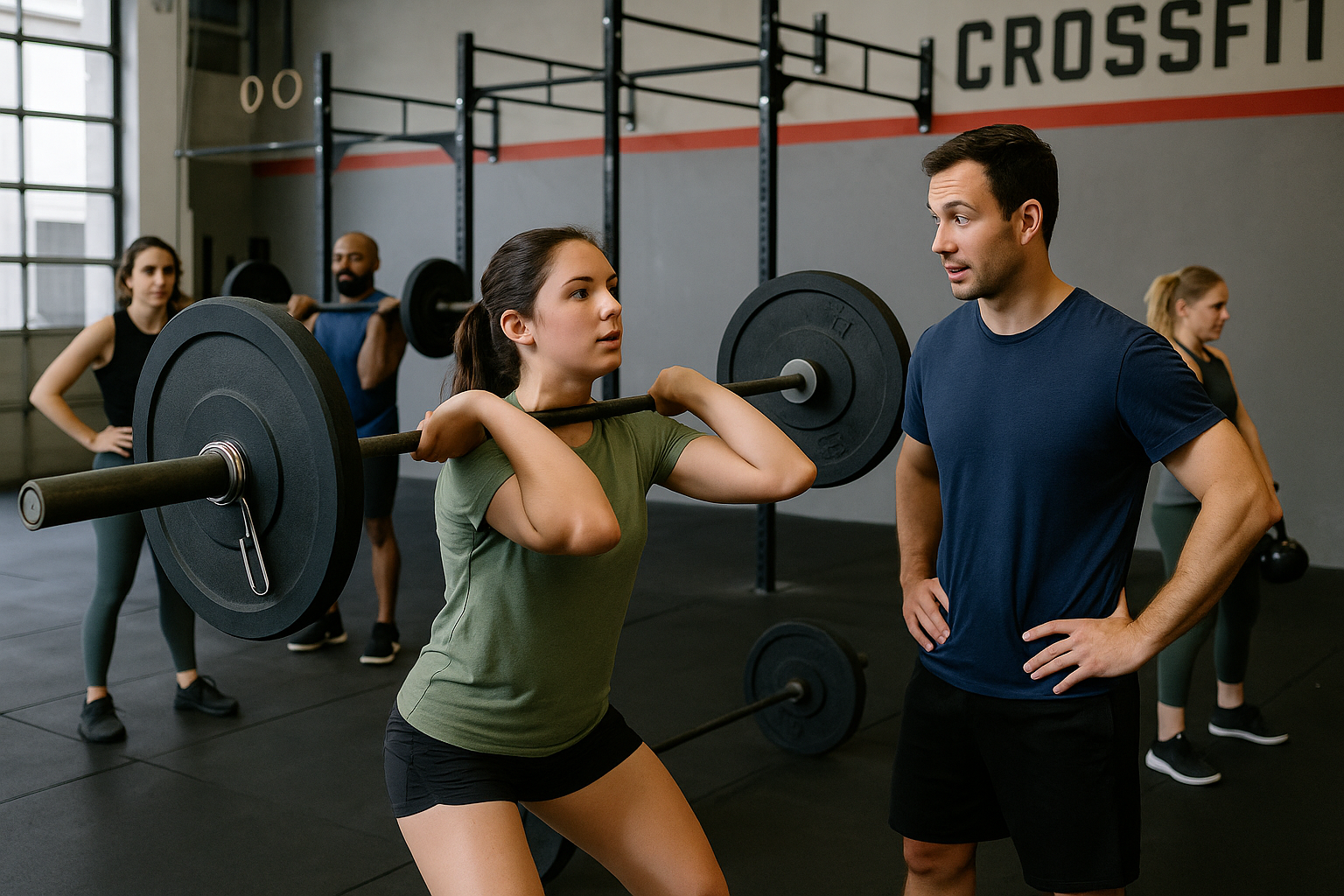
Training with intent means understanding why you are doing what you are doing.
It means applying effort with purpose, not just pushing for the sake of it.
When workouts are aligned with a clear goal, progress becomes more consistent and more sustainable.
The work may feel different, but the results speak for themselves.