Sleep Hygiene: The Missing Link in Your Training and Recovery
Sleep hygiene directly impacts recovery, performance, and long-term health. Learn how better sleep habits can improve your training results and overall well-being.
By
May 12, 2026

Most people focus on training and nutrition.
They track workouts. They think about what they eat. They try to stay consistent in the gym.
But one of the most important factors in progress is often overlooked.
Sleep.
Not just how long you sleep, but how well you sleep.
Sleep hygiene is the set of habits and behaviors that determine the quality of your sleep. And it has a direct impact on how you recover, how you perform, and how you feel day to day.
Training creates stress.
That is the point.
But progress does not happen during training. It happens when the body recovers from that stress.
Sleep is where most of that recovery takes place.
During sleep, your body:
When sleep is limited or inconsistent, these processes are disrupted.
You can still train hard, but the return on that effort decreases.
Poor sleep shows up quickly in training.
You may notice:
Even small reductions in sleep can affect performance.
Over time, this compounds.
Sleep also plays a major role in recovery and resilience.
When sleep is consistently low:
The body becomes less capable of handling stress.
This is one of the reasons why athletes who prioritize sleep tend to stay healthier over time.
Sleep hygiene is not complicated.
It is about creating conditions that allow your body to fall asleep easily and stay asleep consistently.
This includes:
These habits signal to your body that it is time to wind down.
One of the most important aspects of sleep is consistency.
Going to bed and waking up at roughly the same time each day helps regulate your internal clock.
This makes it easier to fall asleep and improves overall sleep quality.
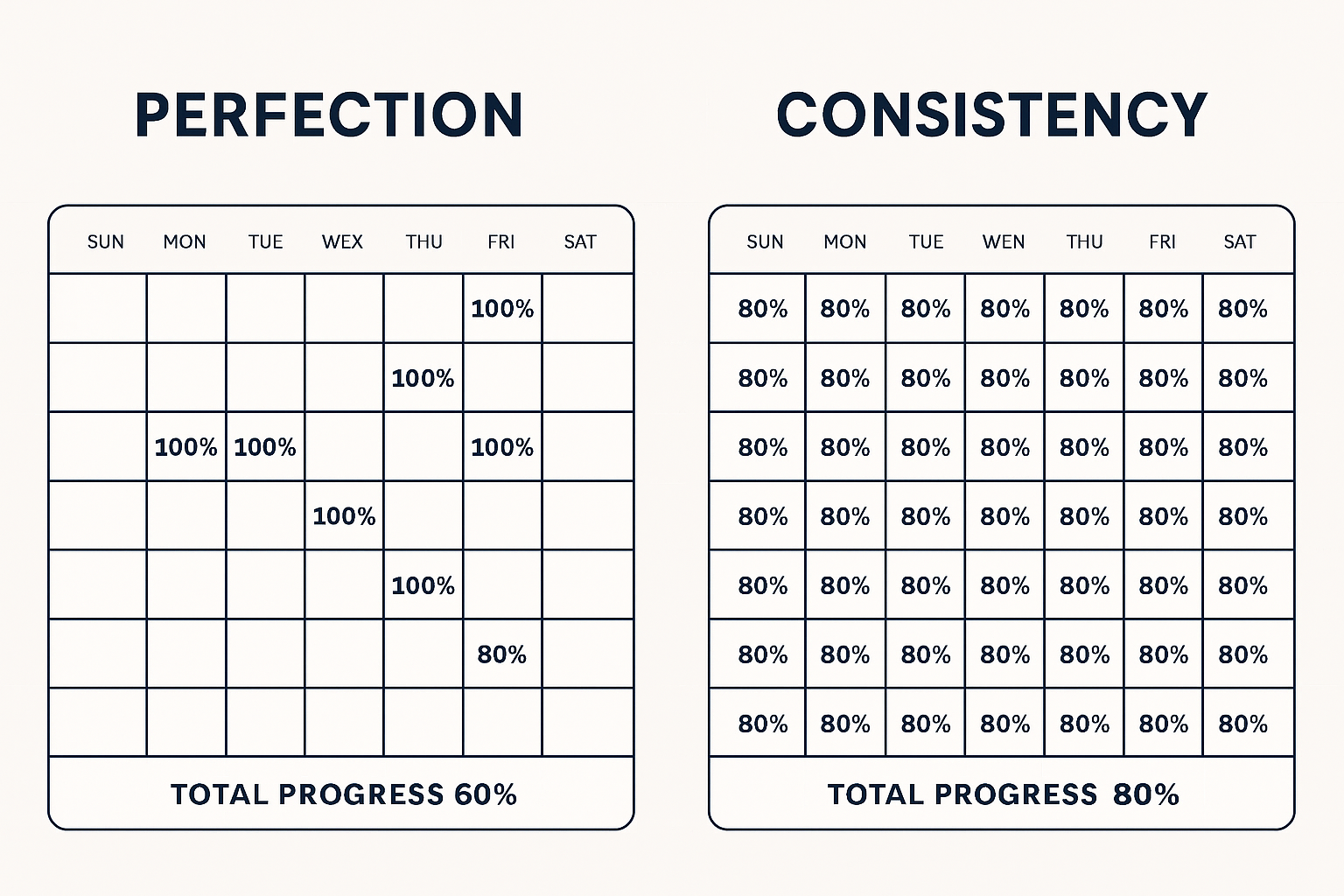
It does not have to be perfect.
It needs to be consistent.
Your environment matters more than most people think.
Better sleep is often the result of small changes:
These changes reduce disruptions and improve sleep depth.
What you do before bed has a direct impact on how well you sleep.
High stimulation late at night can make it harder to wind down.
This includes:
Reducing these in the hours leading up to sleep helps your body transition more smoothly.
You can train hard and eat well, but without good sleep, progress is limited.
Sleep supports:
It is one of the few factors that improves everything at once.
You do not need a perfect routine.
You need a repeatable one.
Start with:
Small changes, done consistently, have the biggest impact.
Sleep is not separate from training.
It is part of it.
It determines how well your body responds to everything else you are doing.
If you want to get more out of your training, do not just look at what you are doing in the gym.
Look at what you are doing the night before.
Better sleep leads to better recovery.
Better recovery leads to better performance.
And that is where progress happens.