Fueling for Strength vs Conditioning What Athletes Need to Know
Learn how fueling differs for strength training versus conditioning sessions, and how to adjust nutrition to support performance and recovery.
By
March 6, 2026

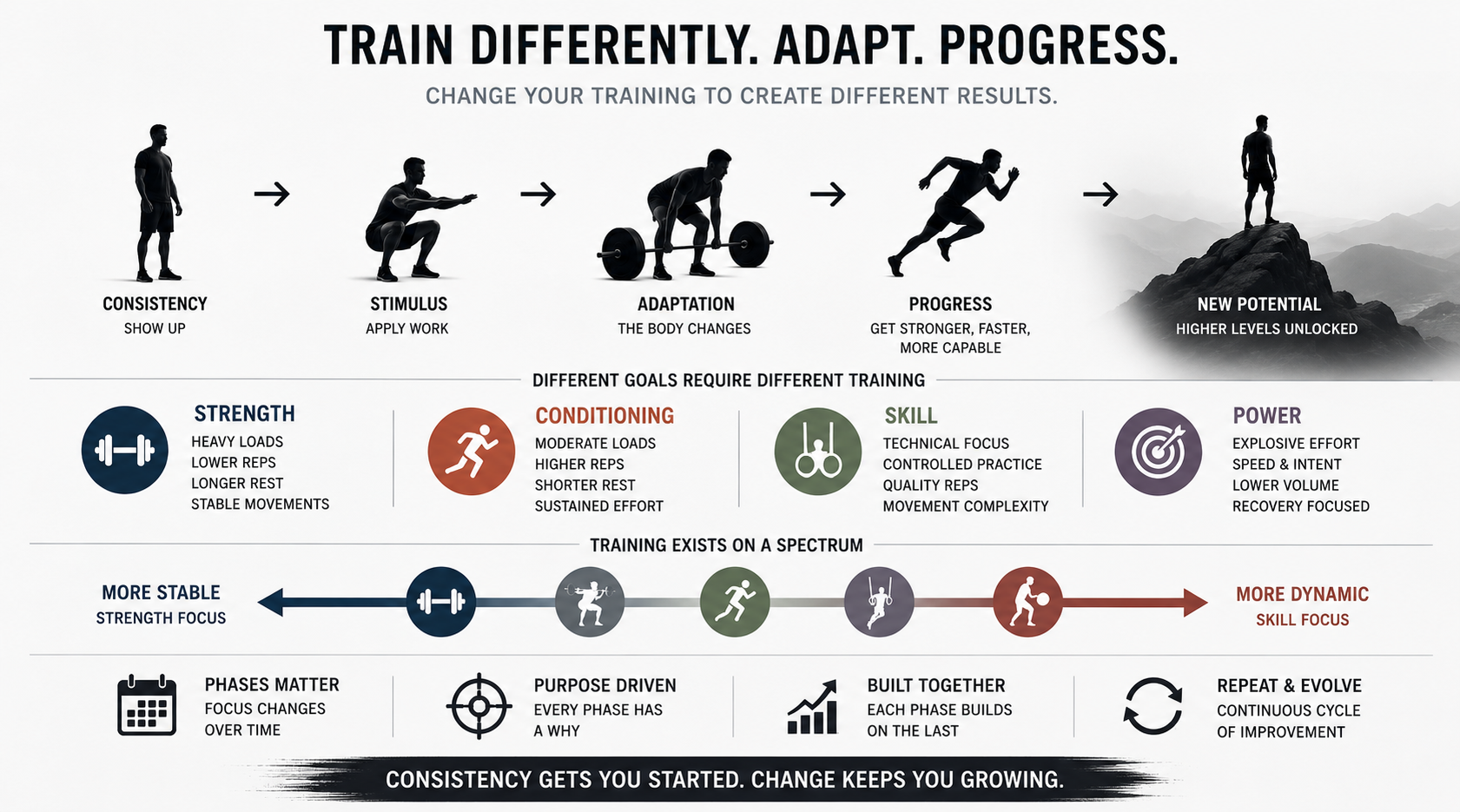
Not all training sessions stress the body in the same way. Heavy strength days demand something different than high-output conditioning work. Yet many athletes eat the same way regardless of what they are training.
Fueling should match the dominant demand of the session. Understanding the difference between strength-focused and conditioning-focused work allows athletes to support performance, recovery, and long-term progress more effectively.
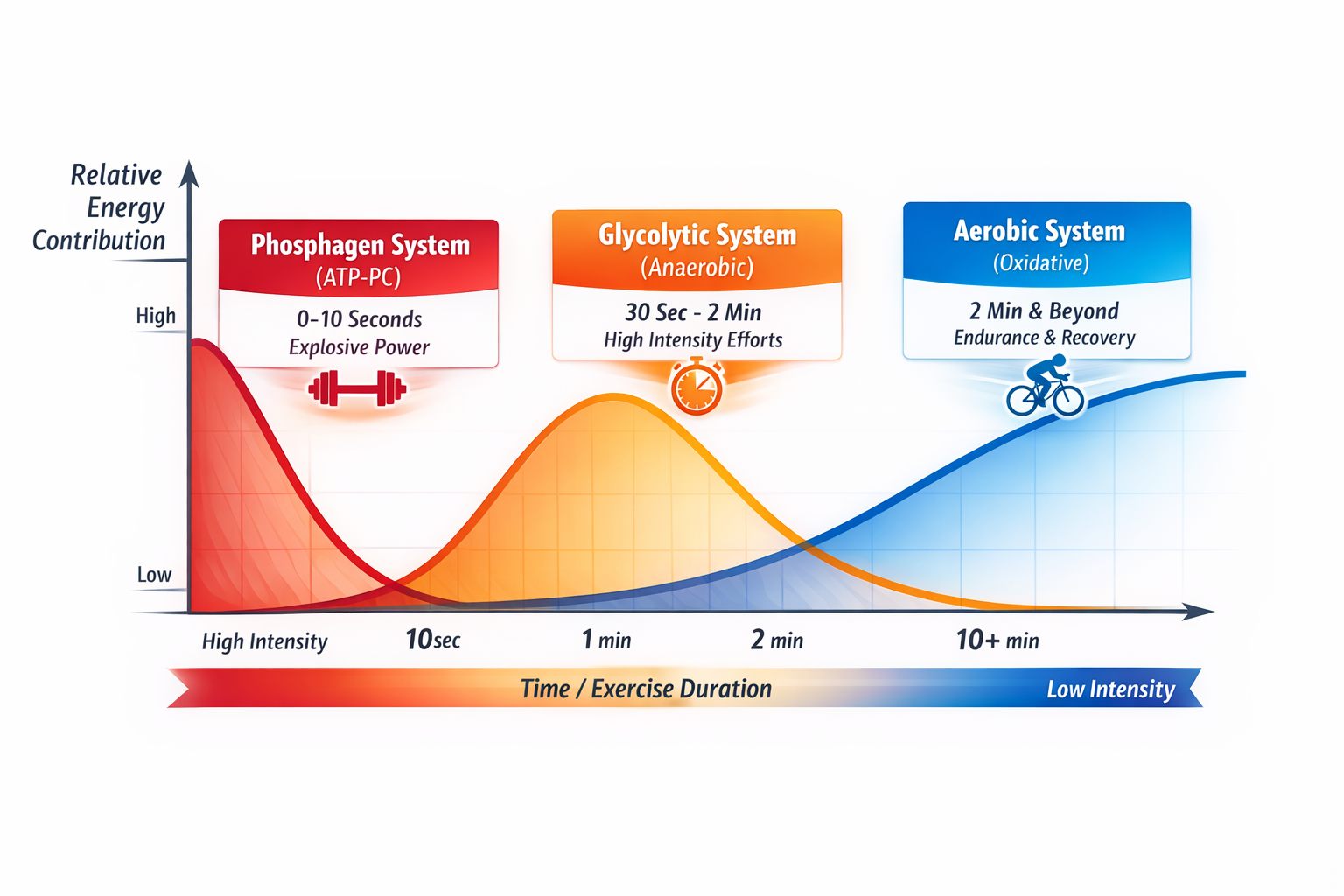
Strength sessions rely heavily on the nervous system and high levels of mechanical tension.
Heavy lifts require:
Fueling for strength means arriving at the session neither underfed nor overstuffed. Carbohydrates support glycogen availability, while protein supports repair and adaptation afterward.
Undereating before strength sessions often leads to:
The goal is not fullness. It is readiness.
High-intensity conditioning pulls more directly from glycogen stores.
Repeated efforts, sustained pacing, and mixed modal training increase carbohydrate demand. Athletes who chronically restrict carbohydrates often feel flat during conditioning sessions, even if strength work feels manageable.
Fueling for conditioning emphasizes:
When conditioning volume increases, carbohydrate intake often needs to scale accordingly.
Protein needs do not fluctuate dramatically between strength and conditioning days.
Athletes benefit from distributing protein evenly across meals to support muscle repair and adaptation. While total protein is important, timing around training can support recovery.
Strength sessions may increase muscle damage slightly more due to heavy eccentric loading, but conditioning also creates repair demands. The solution is consistency, not dramatic swings.
Athletes in higher-volume blocks often require more total calories, regardless of session type.
When overall training load increases:
Fueling cannot remain static while training stress escalates.
Many athletes:
These patterns create unnecessary fatigue and limit performance.
Athletes do not need complex meal plans. Instead:
Before strength sessions:
Before conditioning sessions:
After either session:
Small adjustments based on training focus make sessions more productive.
Fueling is not about micromanaging every workout. It is about aligning nutrition with training demand over time.
Athletes who match intake to intensity tend to:
Food supports the work. When fueling aligns with session demands, performance becomes more stable and adaptation more reliable.
Strength and conditioning stress the body differently. Fueling should reflect that difference. When athletes adjust nutrition to match the work being done, they train with greater intent, recover more efficiently, and build fitness that lasts.