Rebuild Momentum After Time Off
Getting back into training after time off feels harder than it should. Learn how to rebuild momentum safely, regain consistency, and return stronger without burnout.
By
December 26, 2025

Time off happens. Vacations, busy seasons at work, illness, injuries, or life stress can all pull you away from training.
The mistake most people make is assuming the way back is to “make up for lost time.” They jump back in at full intensity, chase soreness, or try to match where they used to be.
That approach usually backfires.
Rebuilding momentum is not about speed. It is about direction.
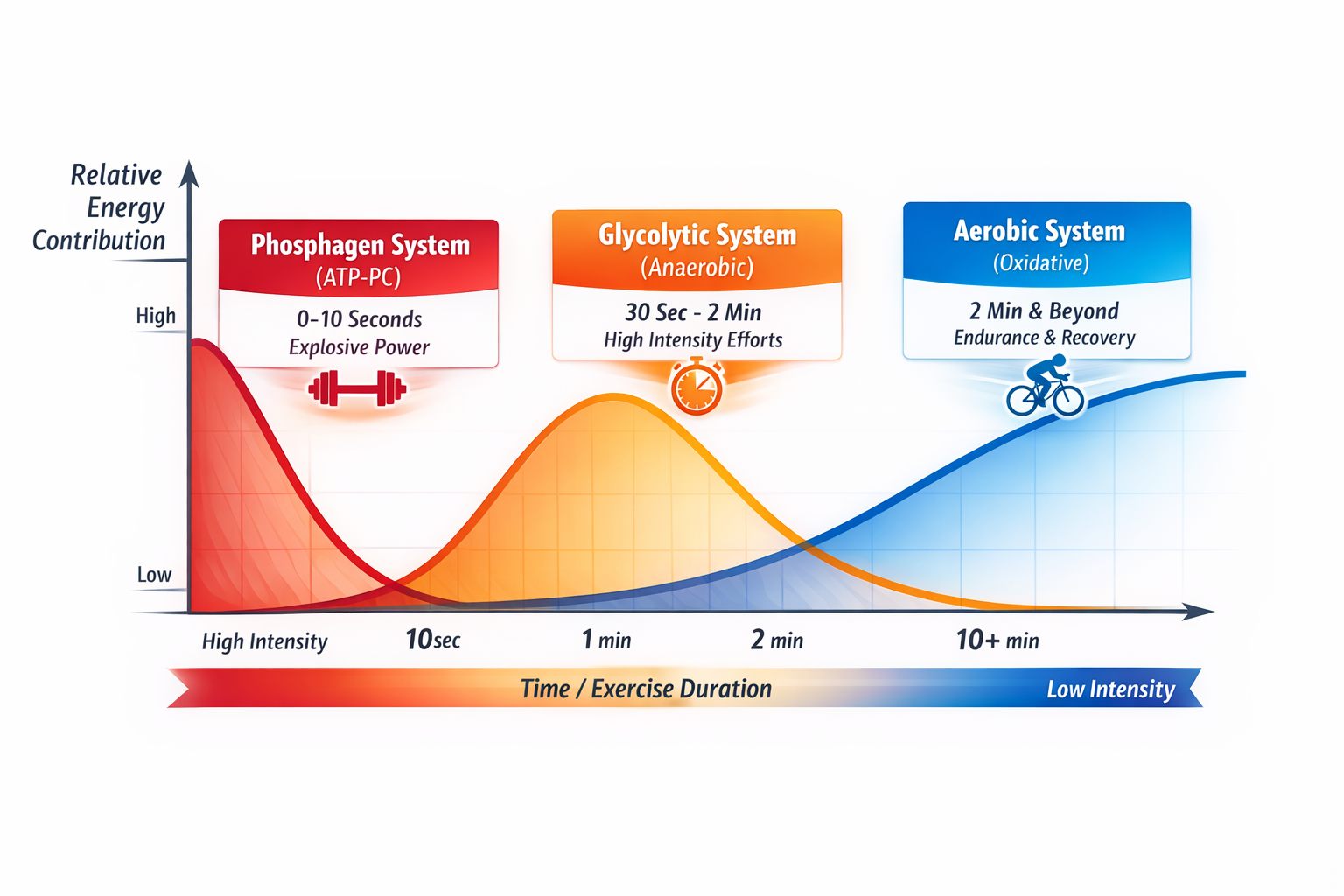
When you take time off, a few things happen quickly:
The disconnect between where you were and where you are creates frustration. That frustration often leads to pushing too hard too soon or quitting again when it feels bad.
Neither builds momentum.
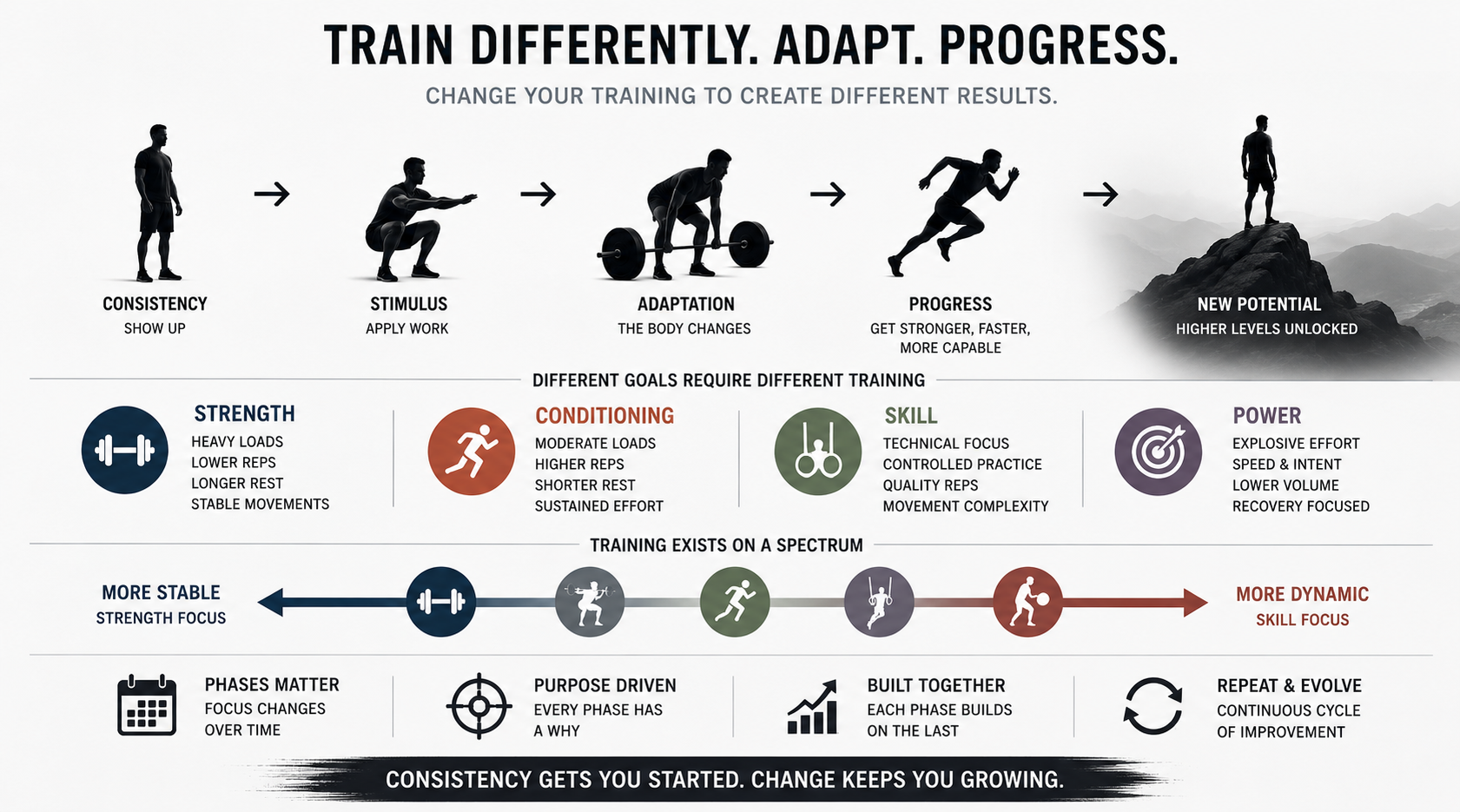
Momentum is built by stacking small wins.
Instead of asking, “How fast can I get back?” ask:
Training that feels manageable is the training you repeat.
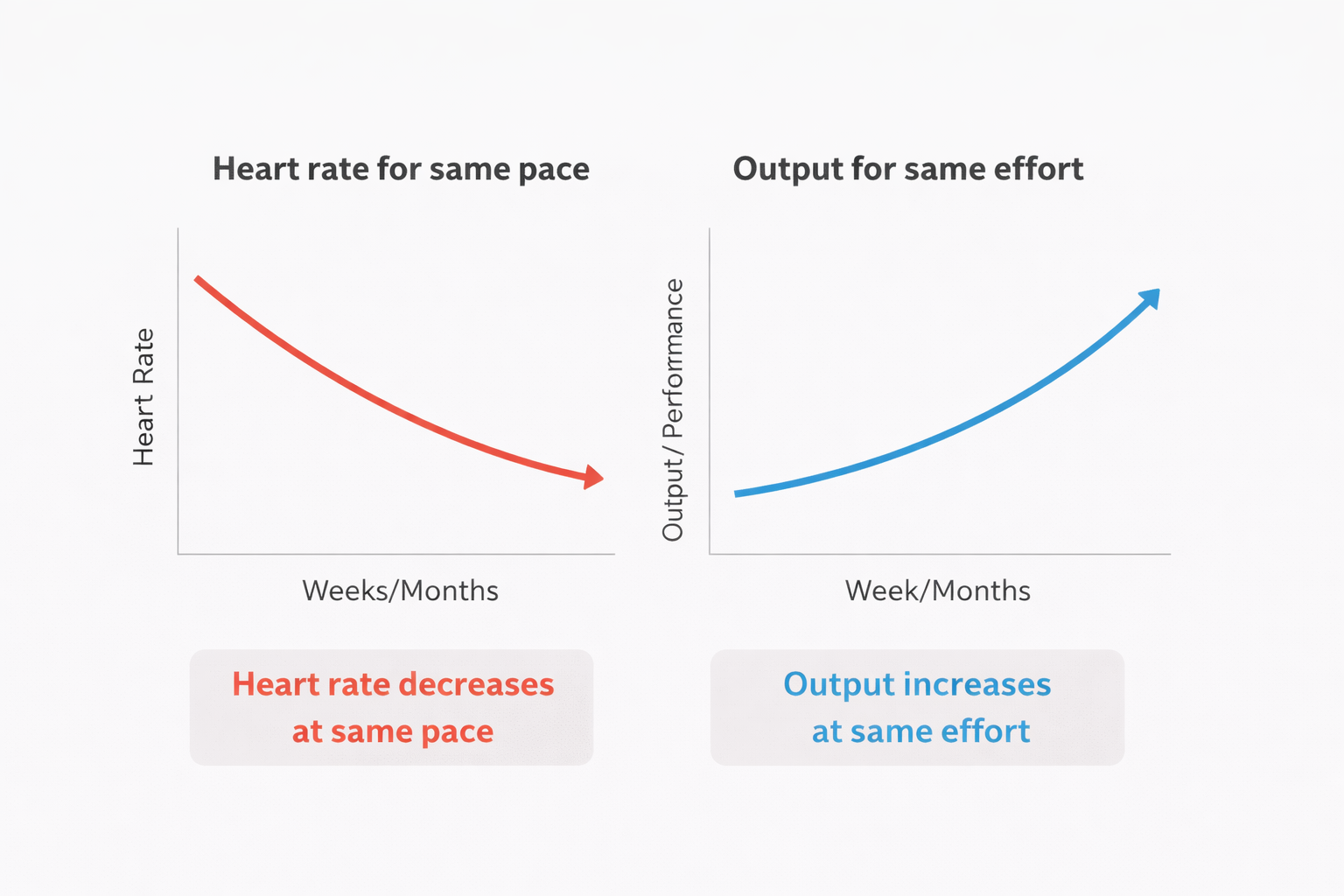
Your body remembers more than you think, but it needs time to express it again.
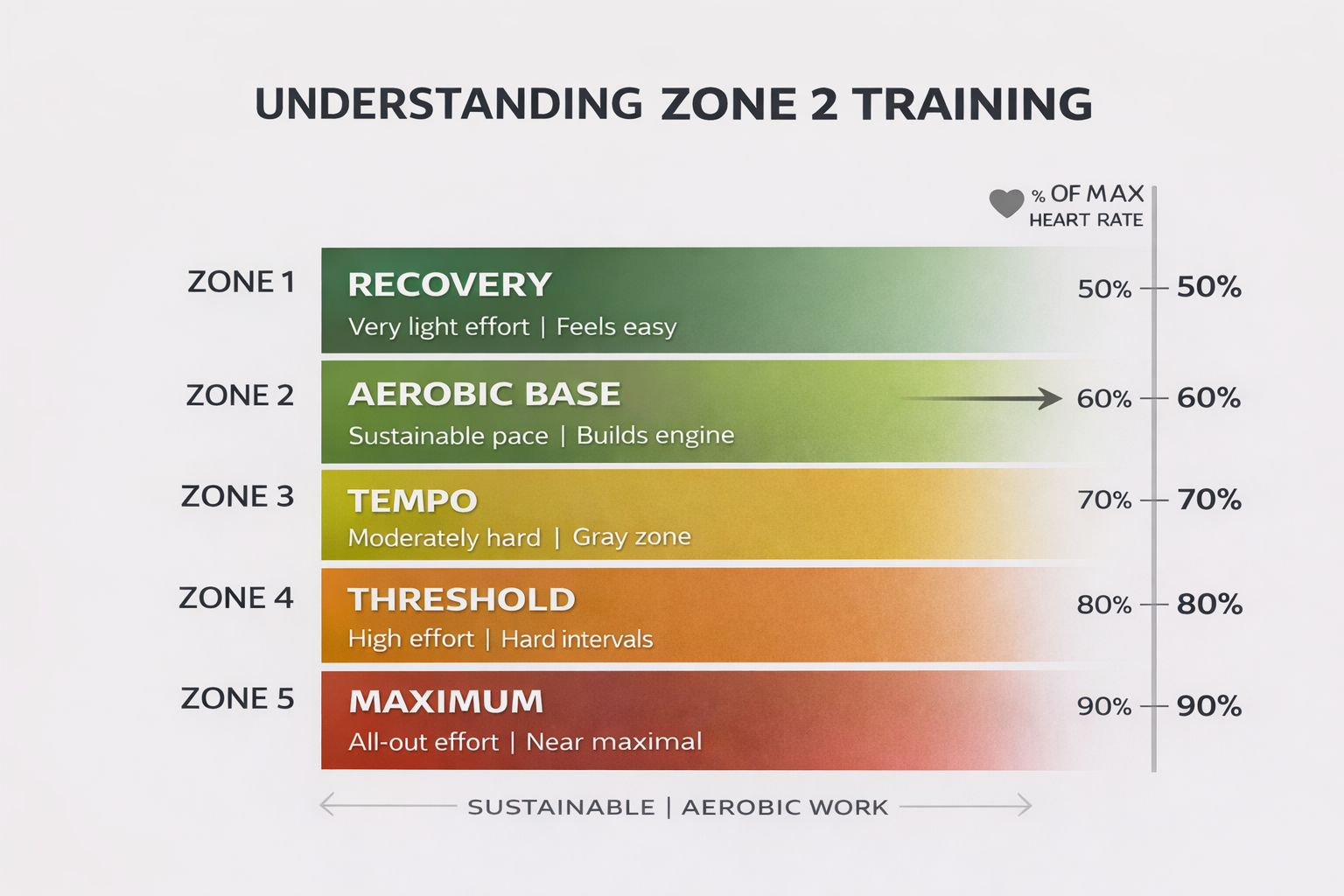
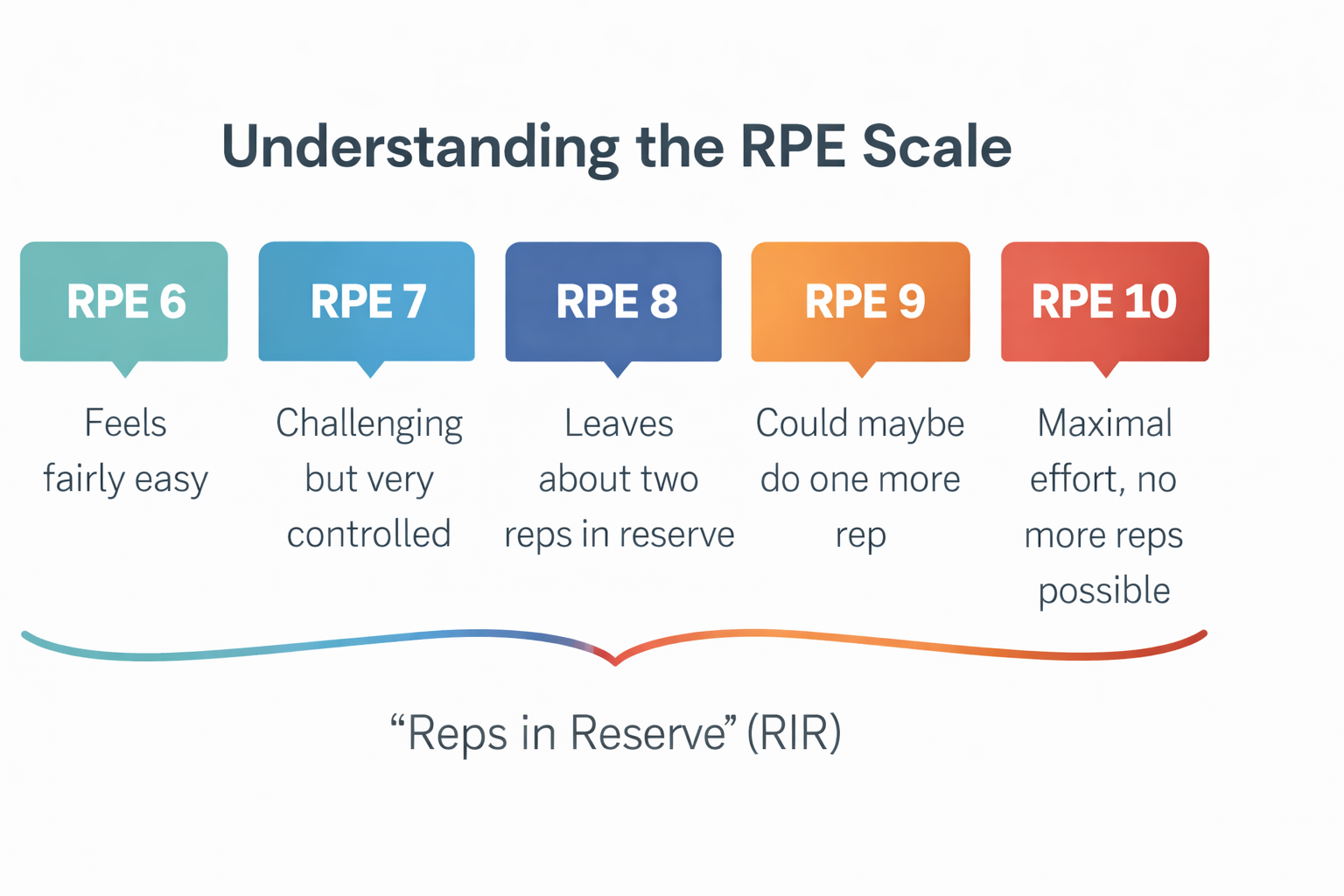
For the first one to two weeks:
This creates confidence and restores rhythm without overwhelming recovery.
After time off, motivation is unreliable. Structure fills the gap.
Helpful strategies include:
When the plan is decided in advance, showing up requires less mental energy.
Some soreness is normal. Excessive soreness is a sign to adjust.
Pay attention to:
If those are trending down, scale back slightly. Momentum comes from repeatability, not punishment.
Fueling poorly after time off makes everything feel harder.
Support the comeback by:
Recovery habits accelerate the return far more than extra workouts.
The biggest win after time off is rebuilding identity.
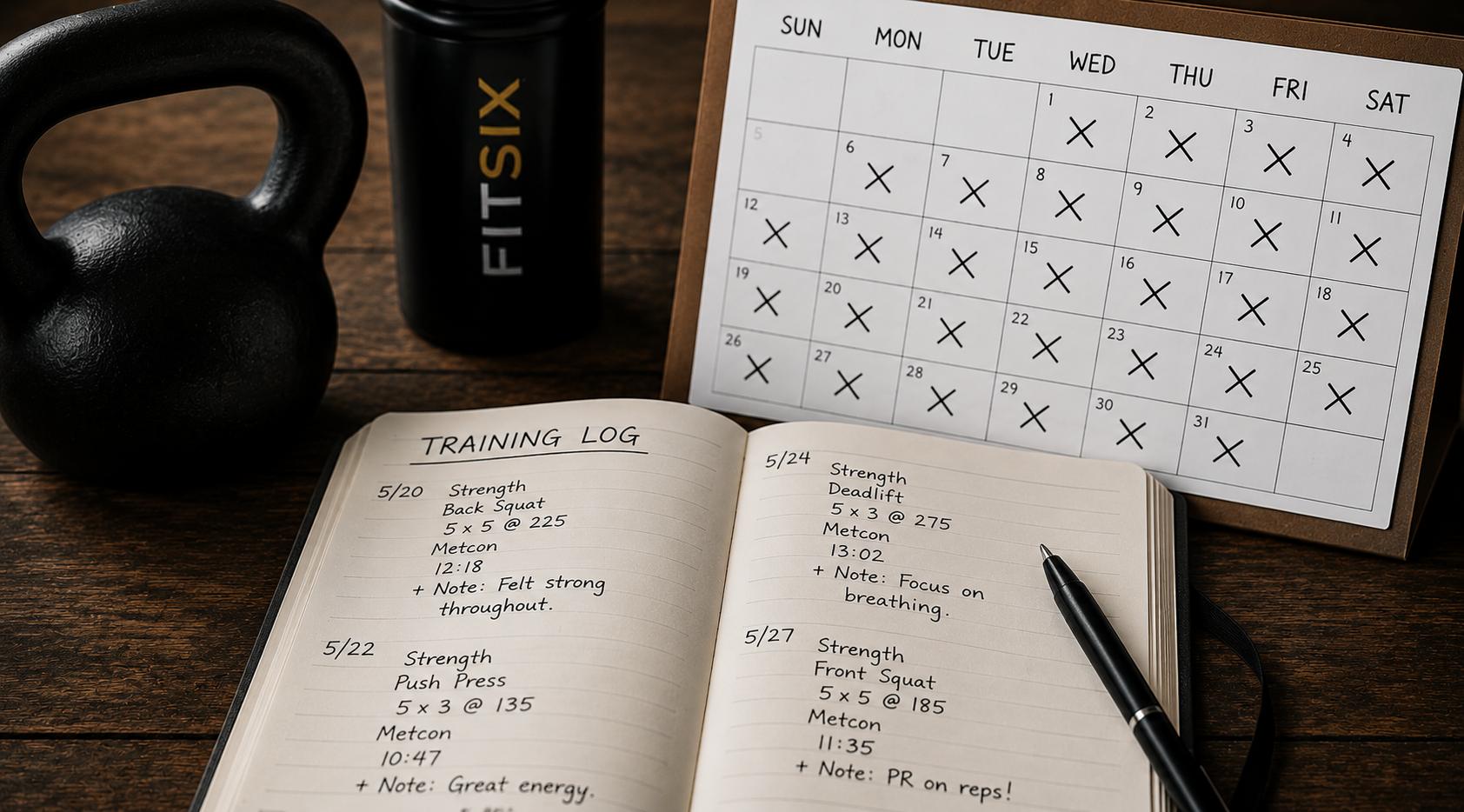
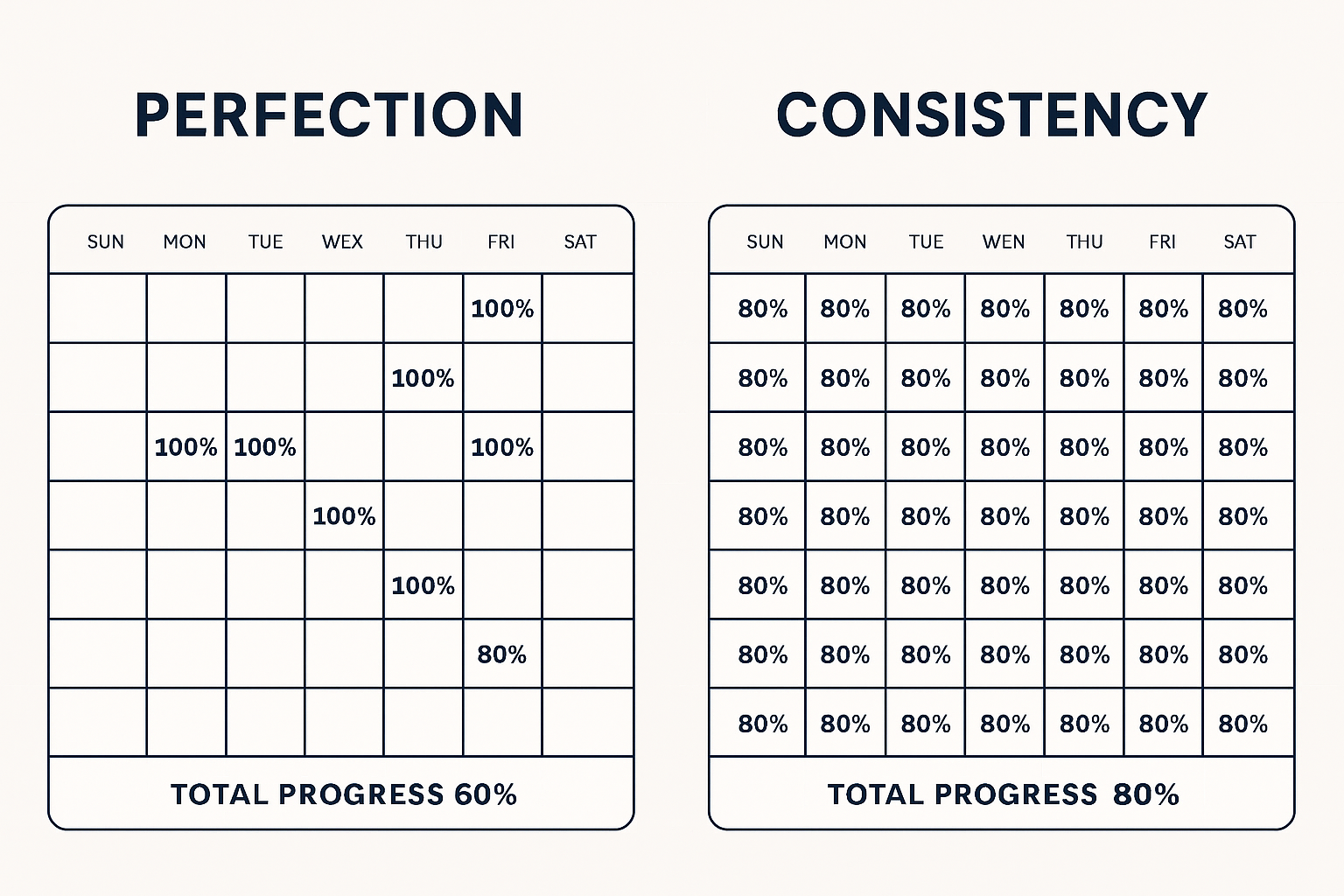
Each session reinforces the idea that you are someone who trains again. You do not need perfect weeks. You need forward motion.
Missing a day does not erase momentum. Quitting does.
Rebuilding momentum after time off is about patience and consistency.
Start lighter than you think you should. Train at an intensity that allows recovery. Focus on showing up, not showing off.
Momentum returns when training feels sustainable again.