Why Community Is the Most Underrated Tool in Fitness
Discover why training in a supportive fitness community improves consistency, motivation, and long-term results more than willpower alone.
By
December 19, 2025

Most people think progress in fitness comes down to discipline, programming, or motivation. Those things matter — but they’re rarely what keeps people training year after year.
What actually drives long-term success is community.
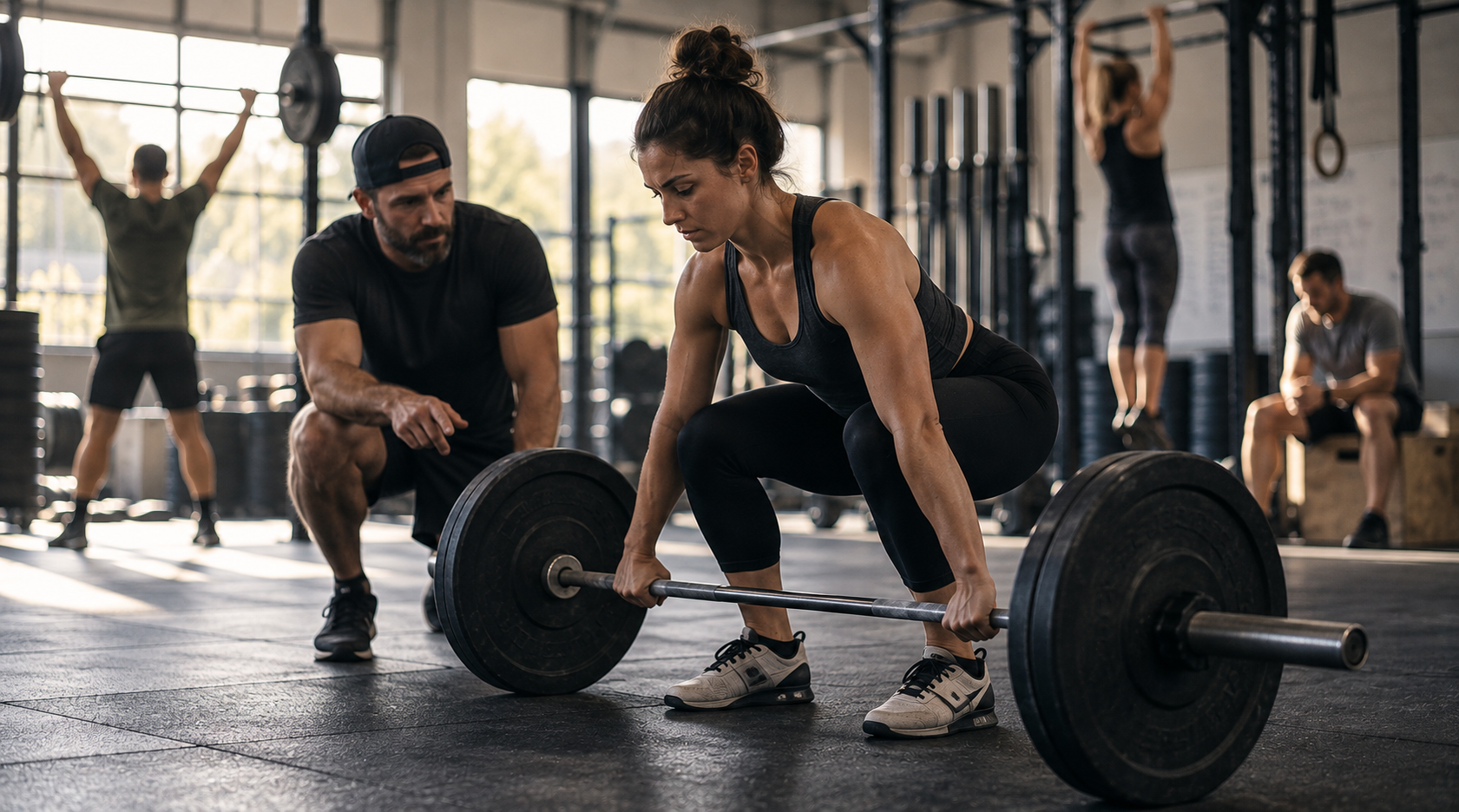
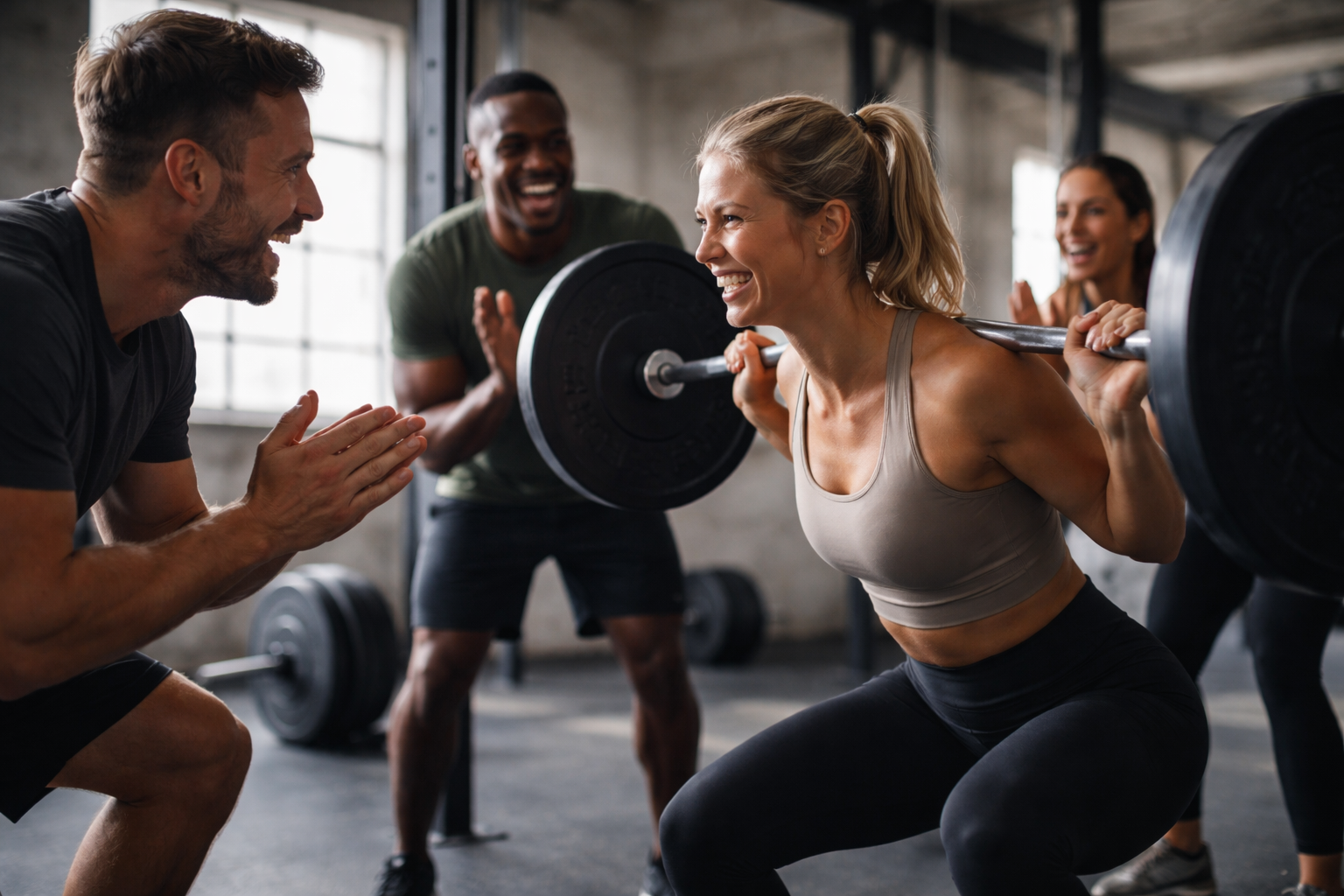
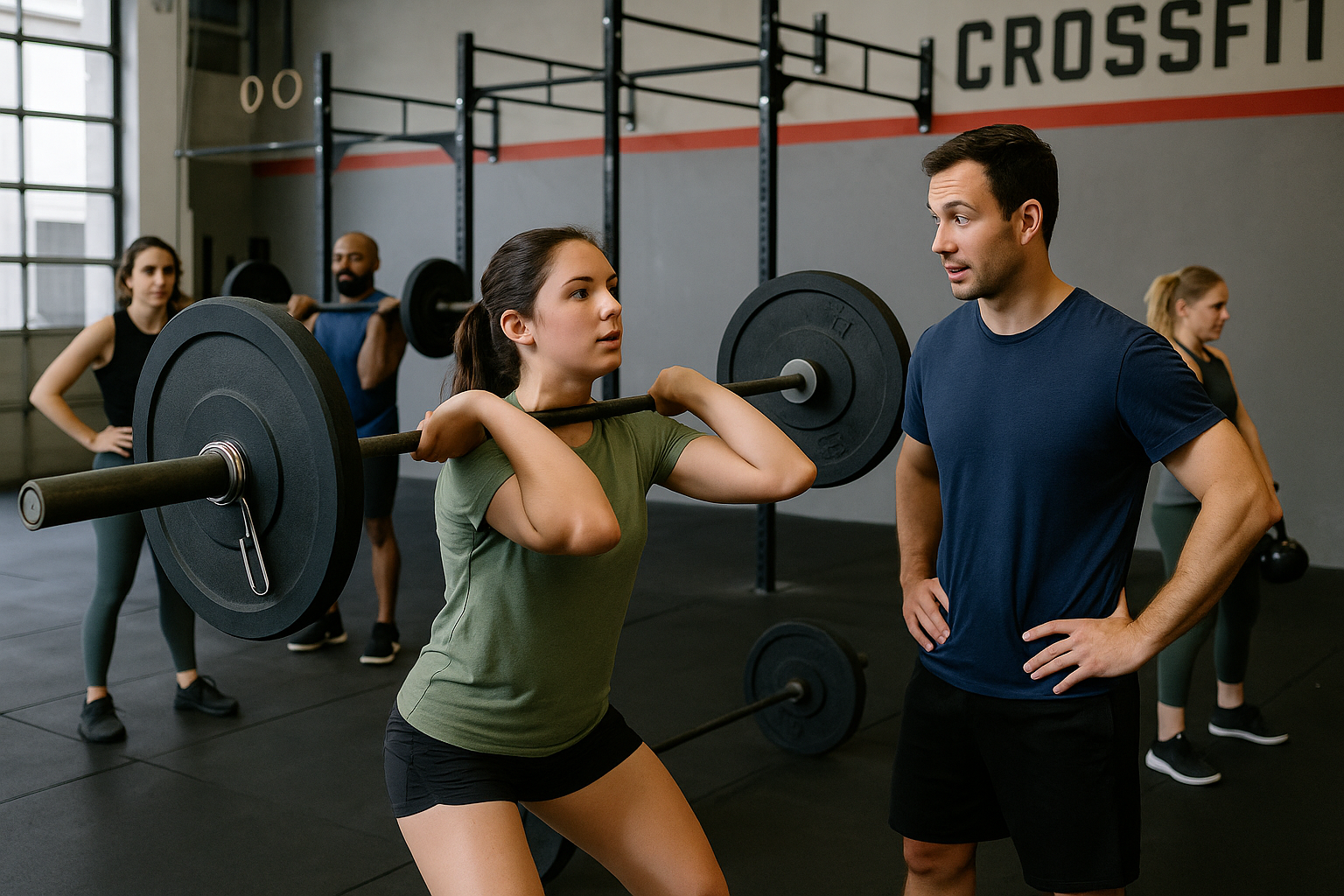
Training alongside others creates accountability, perspective, and resilience that no solo plan can replicate. When effort is shared, consistency becomes easier and progress becomes sustainable.
For most of human history, physical effort wasn’t a solo pursuit. We hunted, built, traveled, and survived in groups. Movement was communal by default.
Modern fitness often removes that element, replacing it with headphones, isolated machines, and individual struggle. While solo training can work, it lacks the social reinforcement that helps habits stick.
Community taps into something deeper than motivation — it creates belonging.
Consistency is the hardest part of fitness. Community makes it easier in three powerful ways:
When people expect to see you, showing up feels natural, not forced. You’re not training because you “should” — you’re training because you belong.
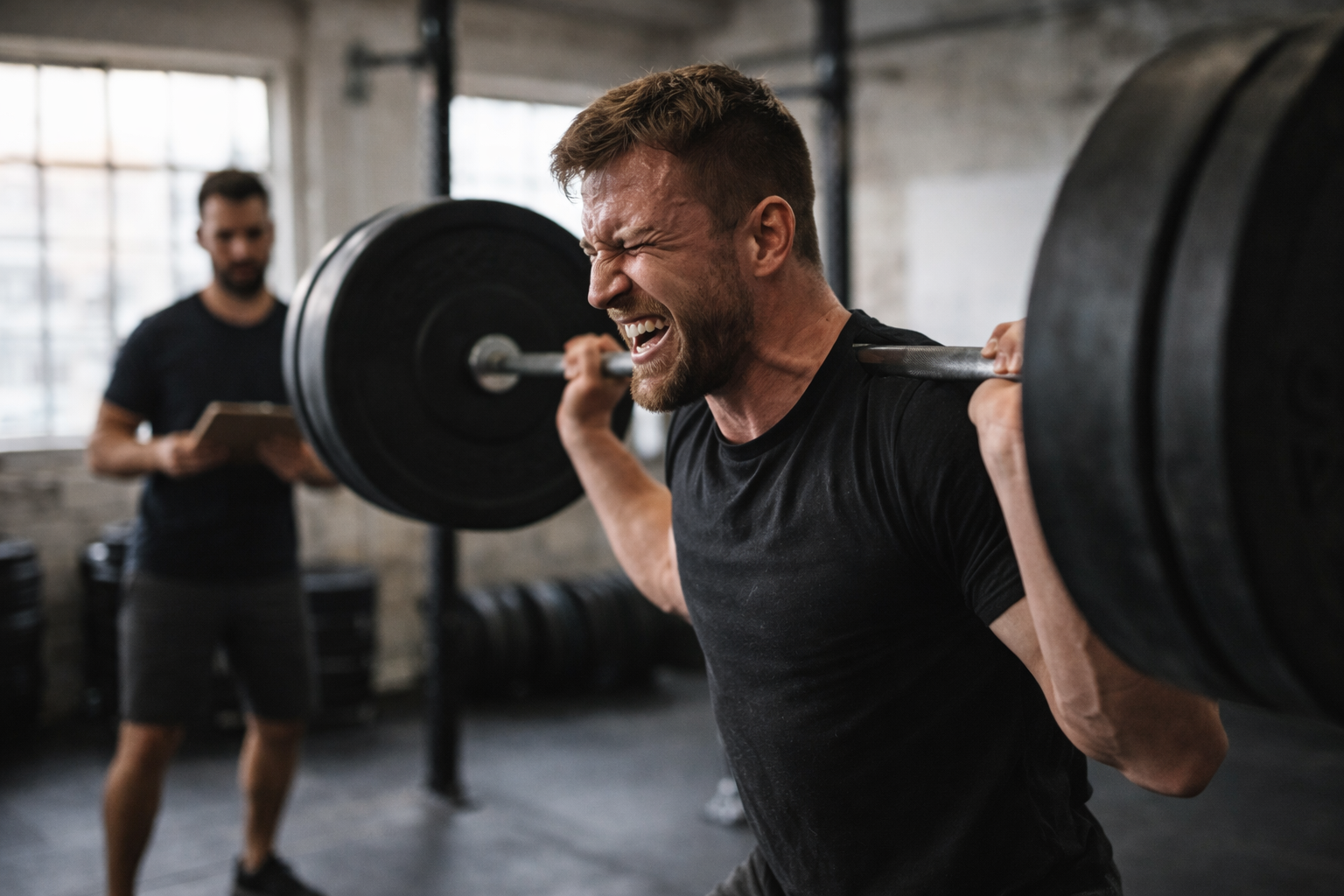
Training alongside others raises the floor. You move with better intention, rest with purpose, and push when it counts — not because someone tells you to, but because the environment supports it.
Everyone has off days. Community bridges the gap between intention and action when motivation fades.
Training with others improves performance in subtle but meaningful ways:
Progress becomes collaborative, not competitive.
Fitness communities don’t just support physical training — they support life.
People who train together:
When training becomes a shared experience, it stops being fragile.
You don’t need a massive group — you need connection.
Ways to strengthen community:
Community grows through repetition, not force.
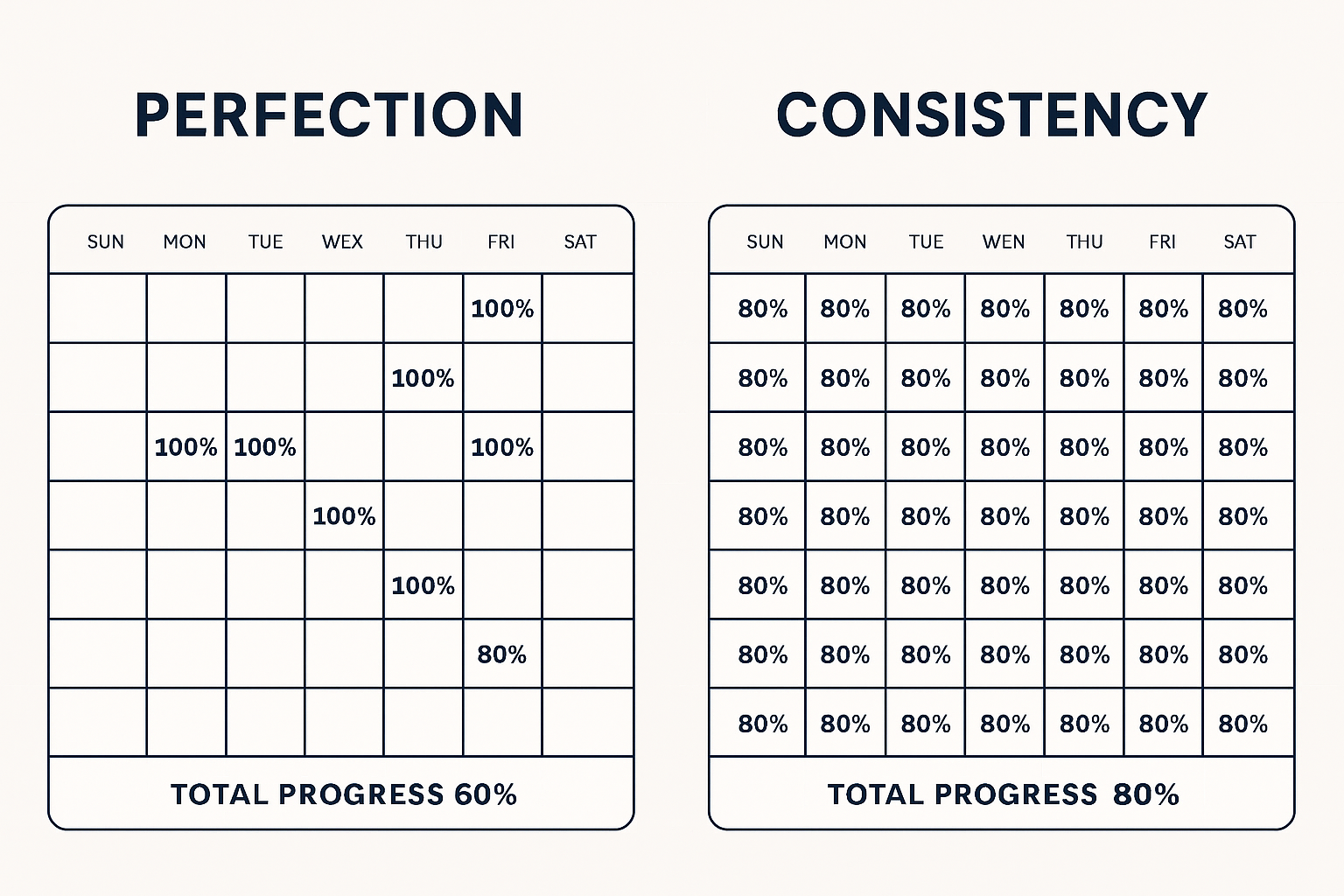
Motivation fades. Discipline fluctuates.
Community endures.
When training is shared, consistency improves, performance stabilizes, and fitness becomes something you live — not something you constantly restart.
If you want results that last, don’t train alone.