Returning to Training After Injury Without Reinjury
Learn how to return to training after injury without setbacks by rebuilding strength, managing load, and progressing safely for long-term performance.
By
December 29, 2025

Getting injured is frustrating. Returning to training after injury can be even harder.
Most reinjuries do not happen because someone was not healed. They happen because the return was rushed, poorly structured, or driven by emotion instead of readiness.
The goal is not just to feel better. The goal is to return to training in a way that restores confidence, builds resilience, and prevents the same issue from coming back.
Reinjury is rarely bad luck. It usually comes from one or more of the following:
Pain may be gone, but capacity often is not fully restored.
One of the biggest mistakes athletes make is equating the absence of pain with readiness.
You may be pain-free at rest but still lack:
Training exposes gaps that daily life does not.
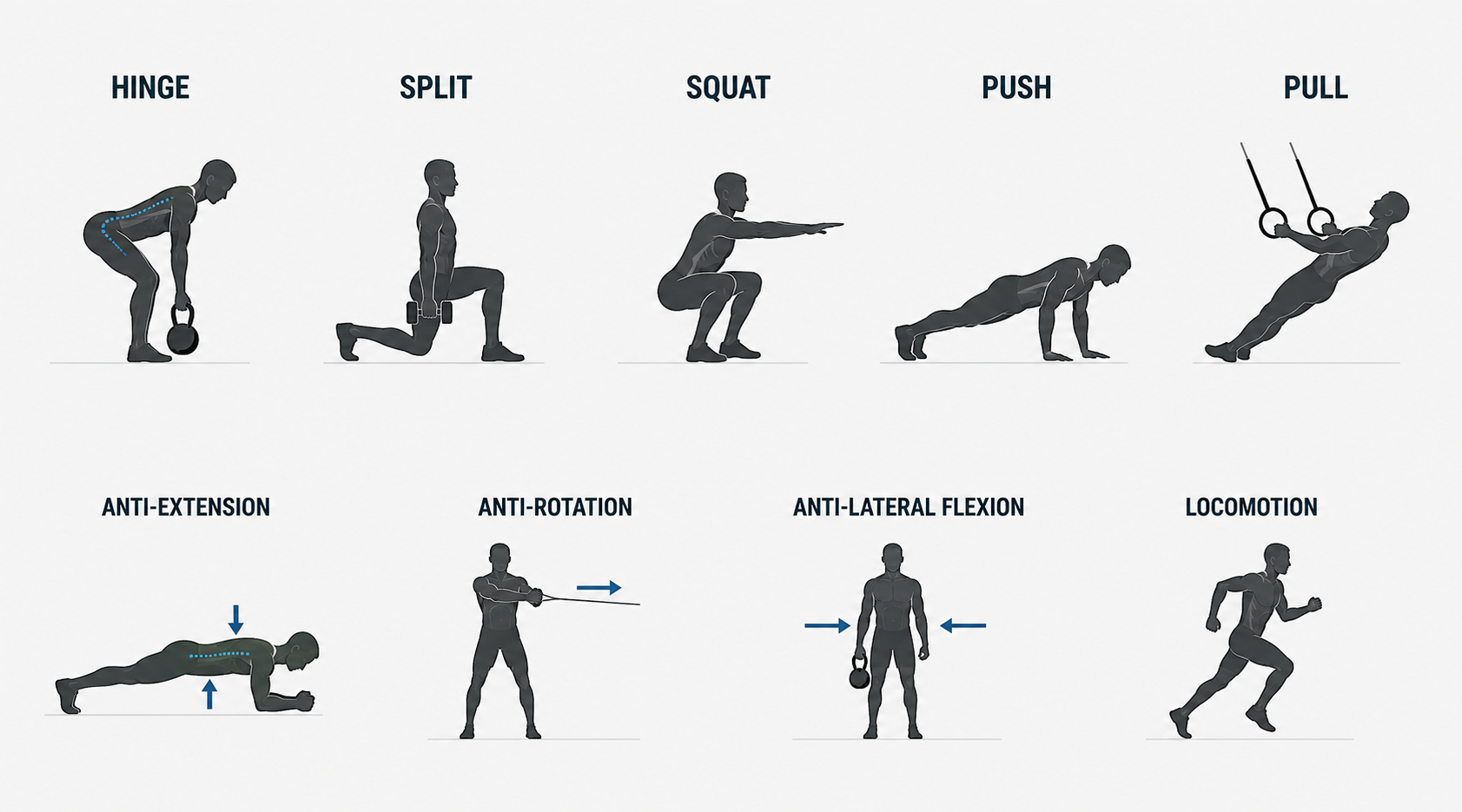
Before adding intensity, you need full, controlled movement.
This means:
This phase rebuilds trust between your brain and body.
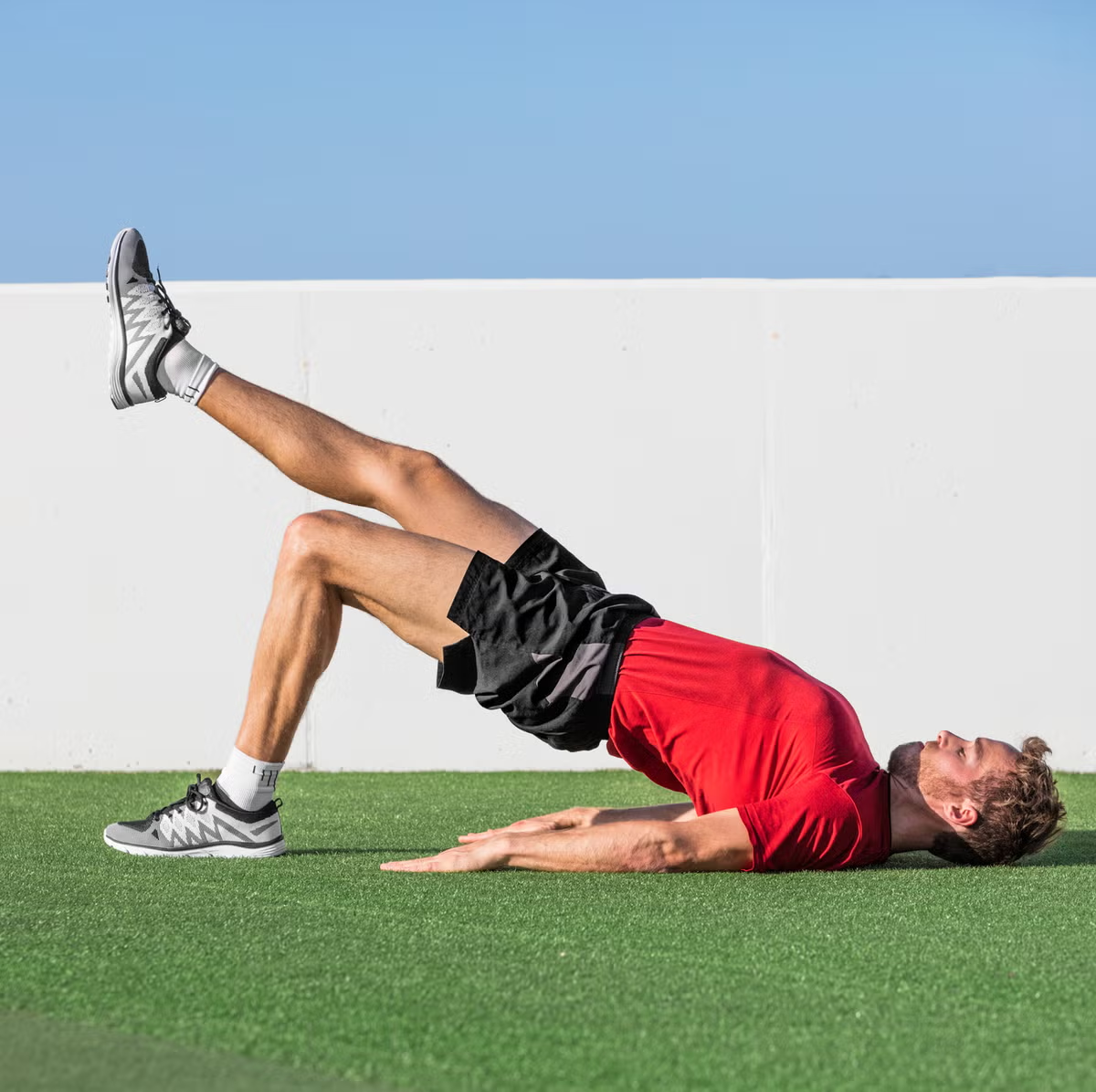
Strength protects joints. Capacity prevents overload.
Focus on:
Strength should feel stable before it feels impressive.
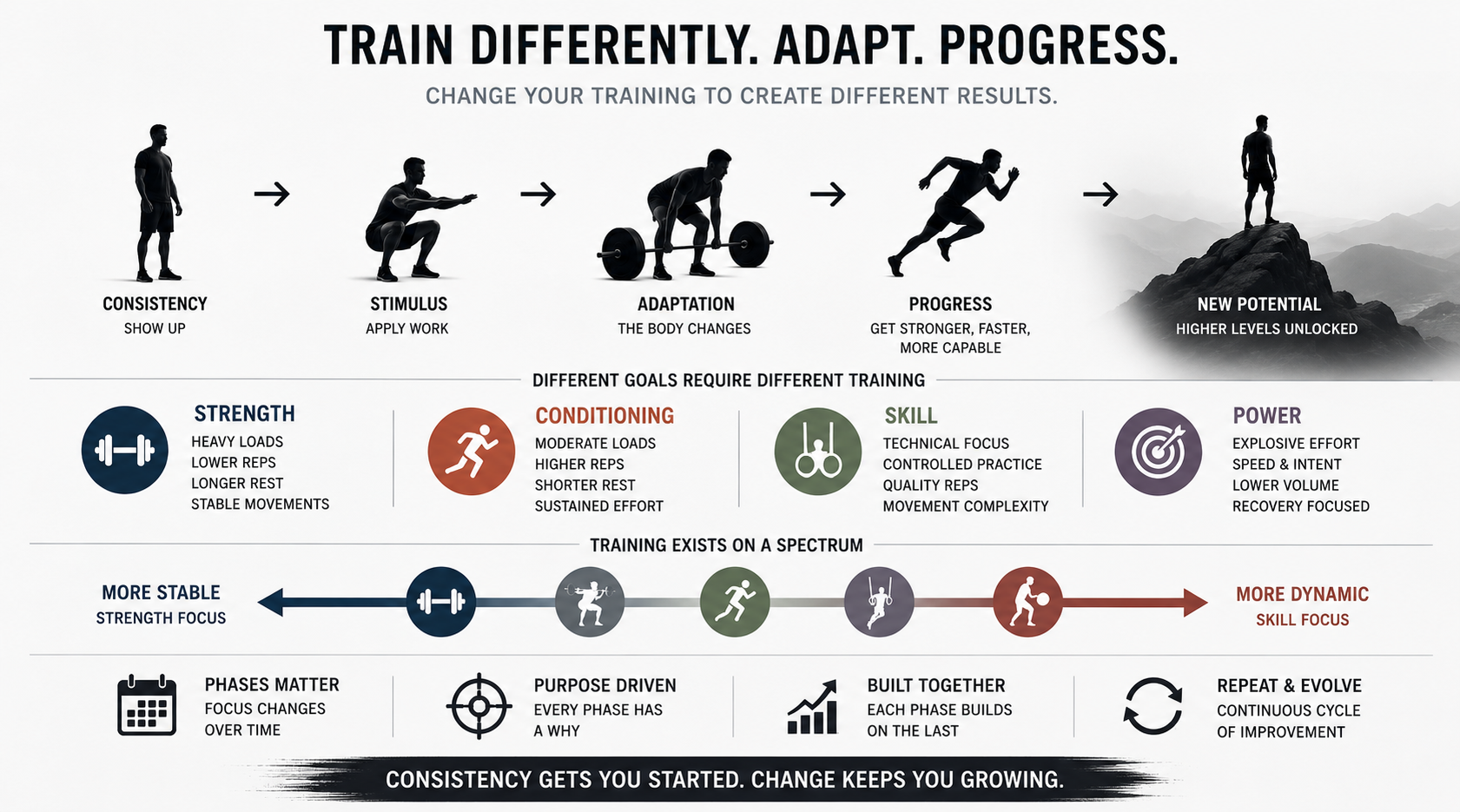
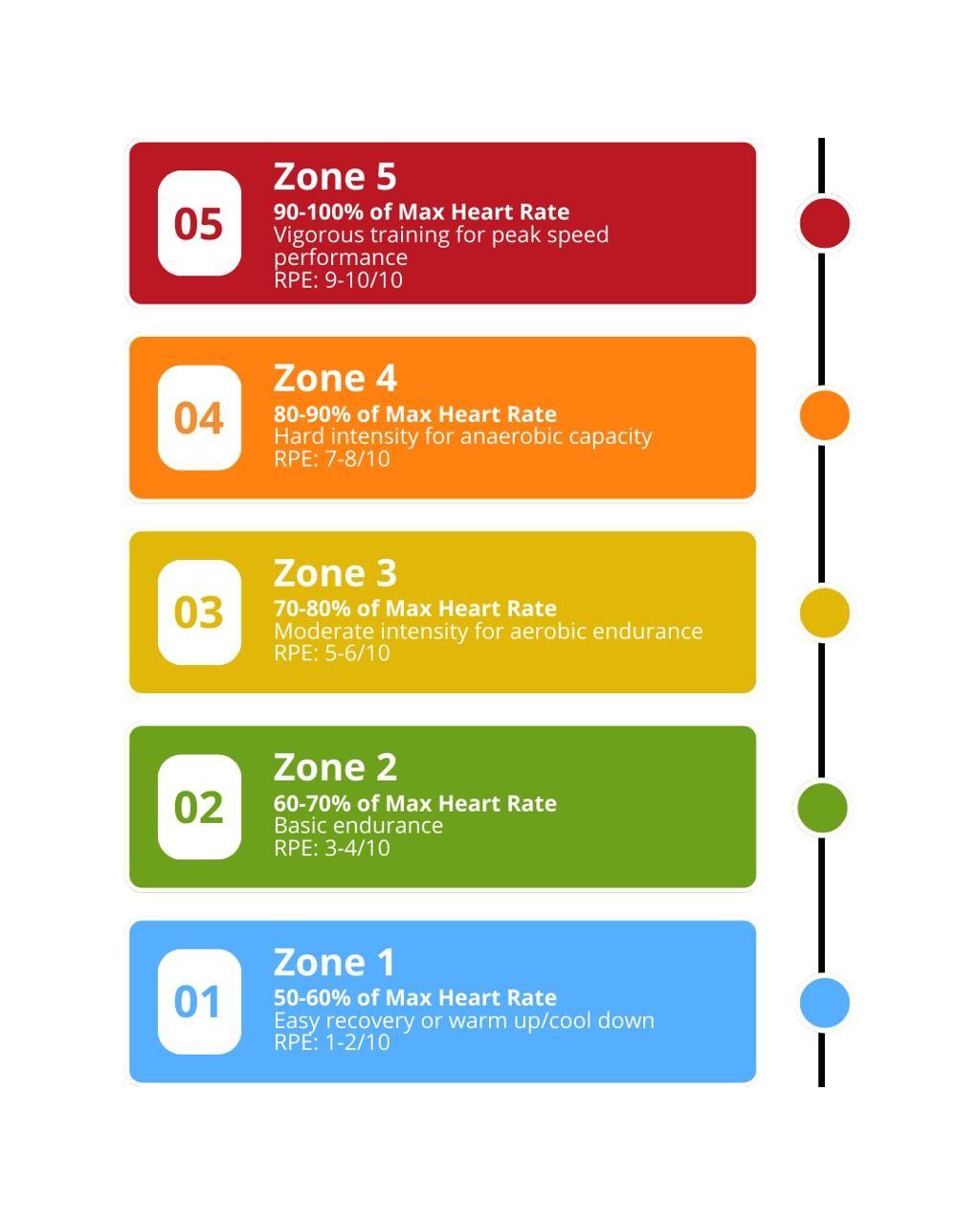
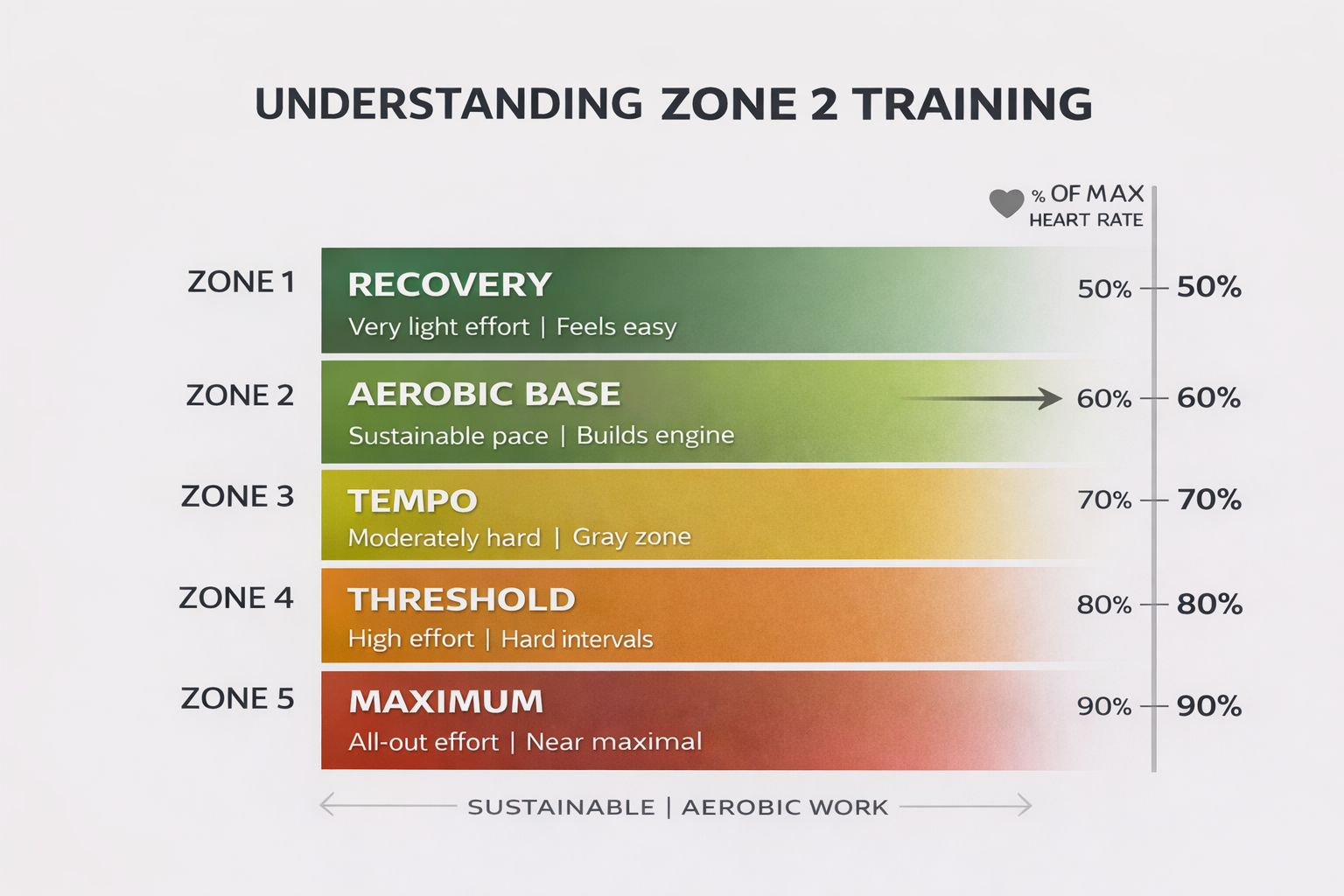
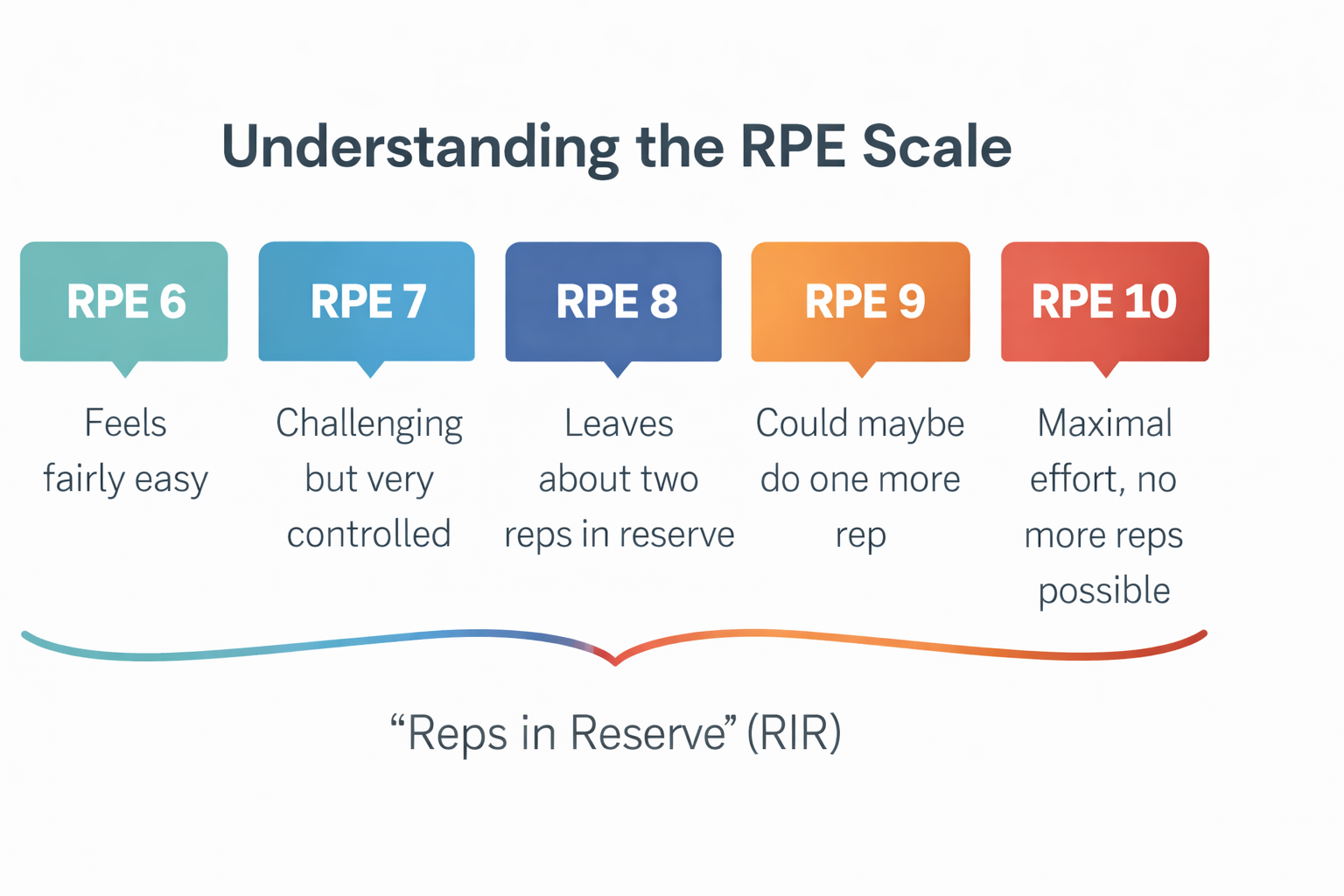
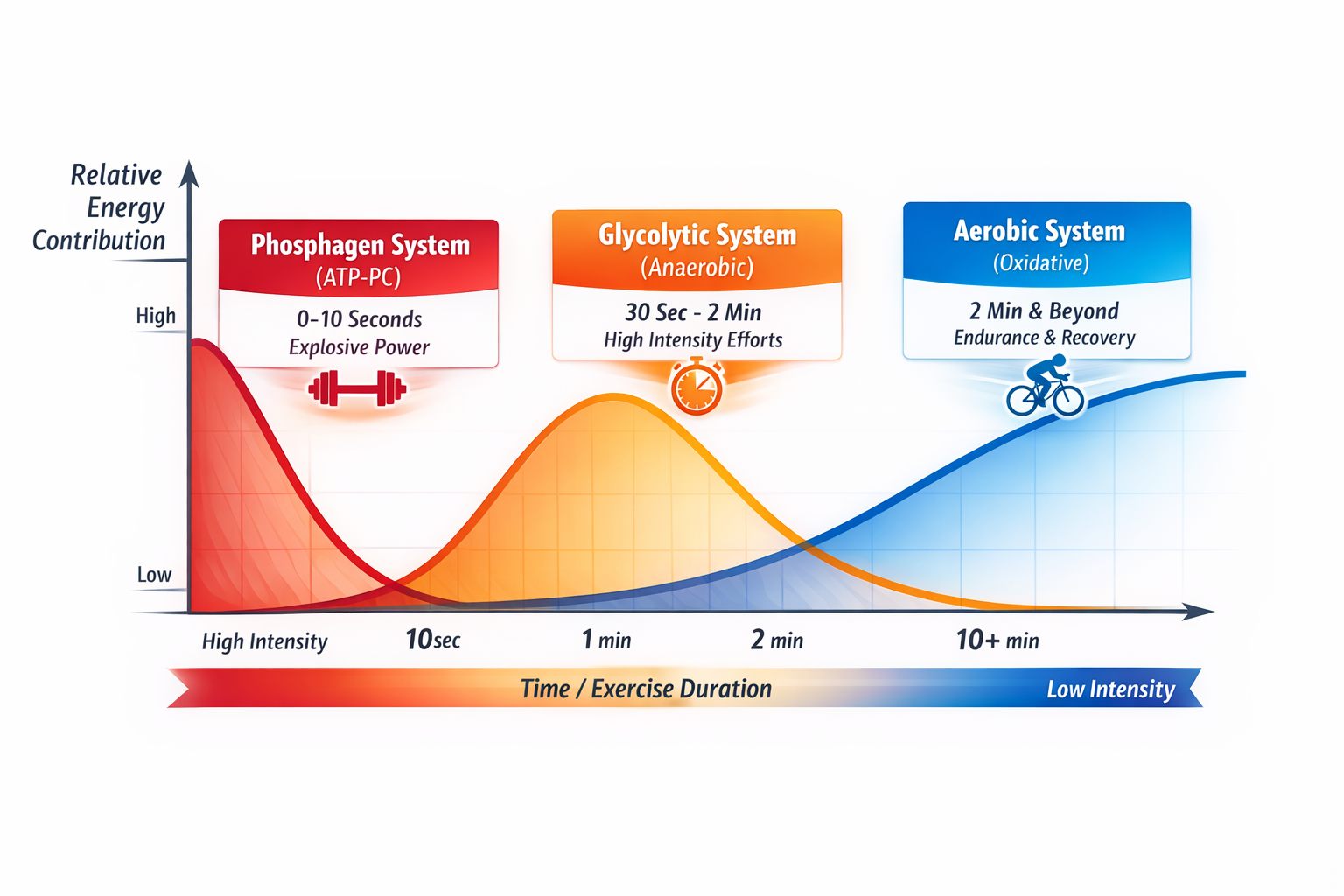
Intensity is earned, not forced.
Reintroduce it by:
Intensity layered on top of strength creates durability.
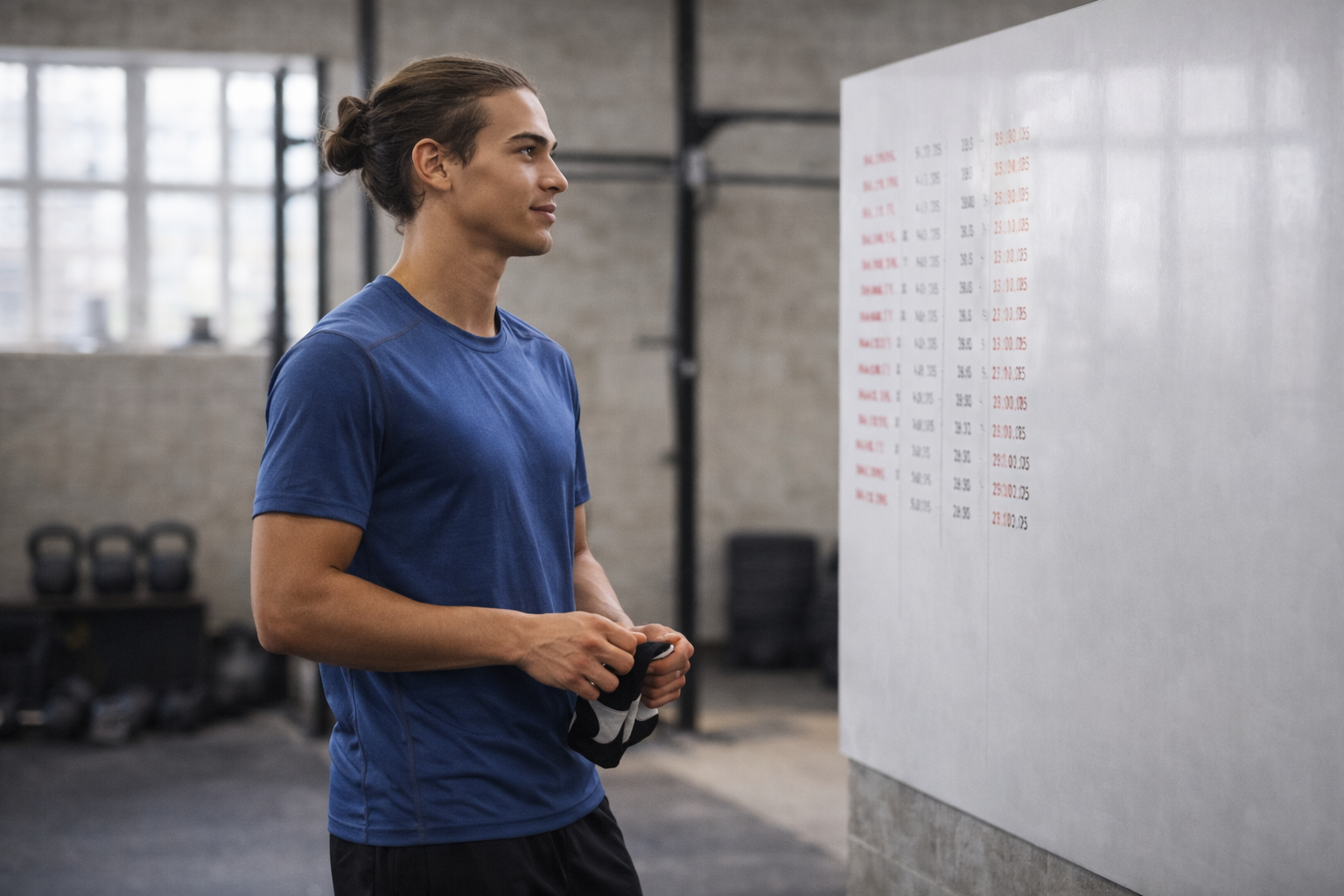
When returning to class-based training:
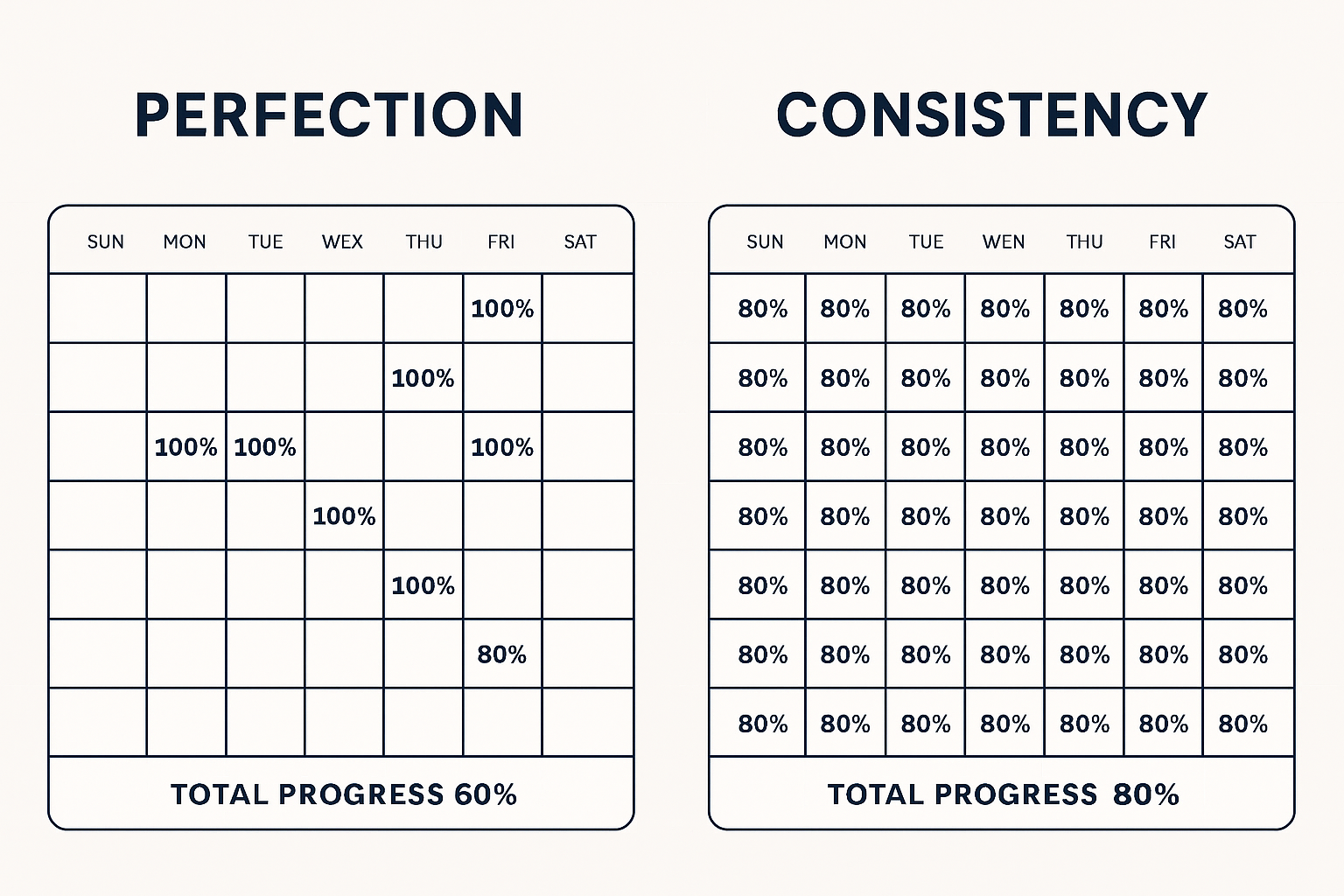
Consistency at lower intensity beats inconsistency at high intensity every time.
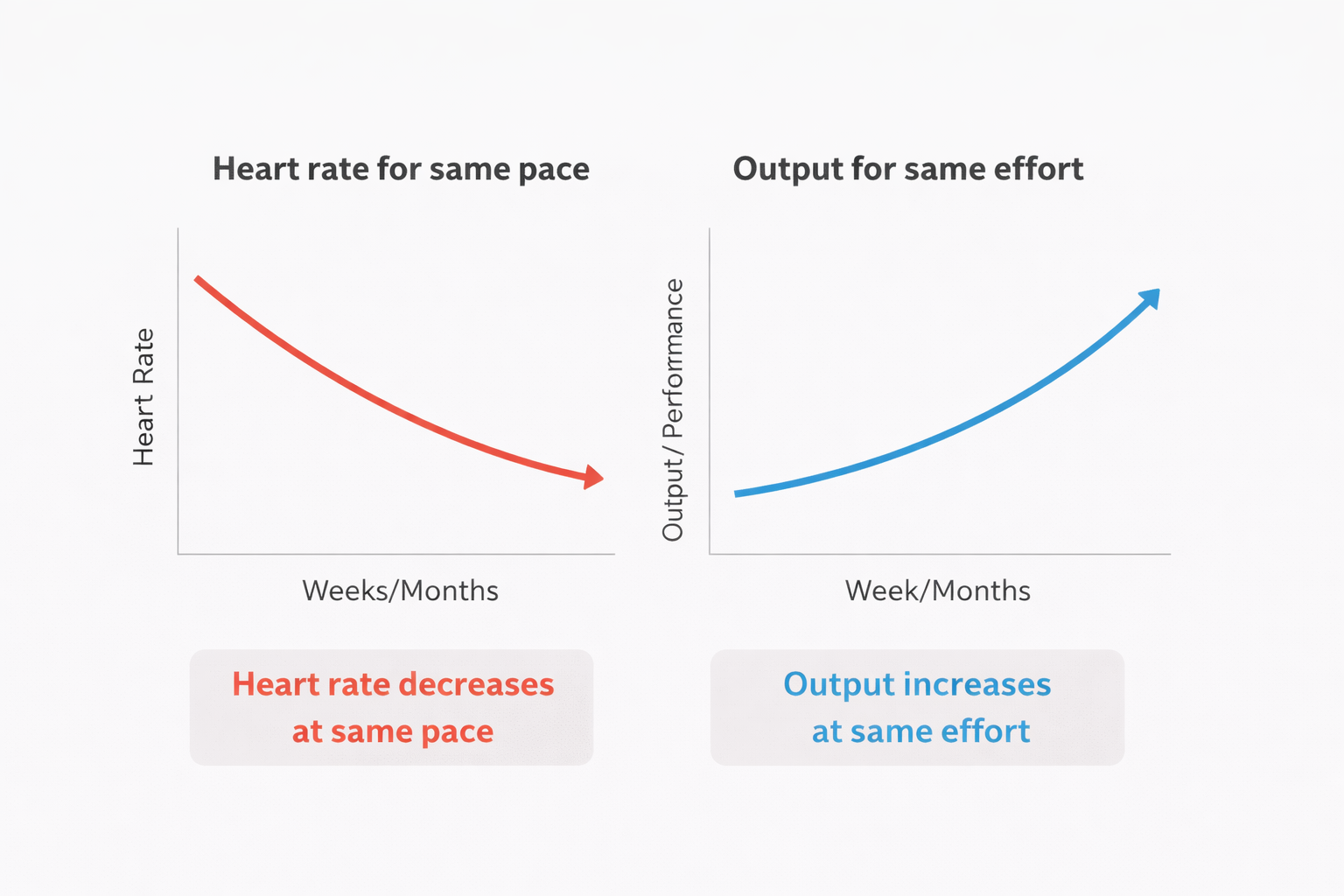
Positive signs include:
Warning signs include persistent soreness, recurring pain patterns, or dreading sessions.
Returning from injury successfully builds a skill set that lasts beyond one setback.
Athletes who learn how to scale intelligently, listen to feedback, and progress patiently are far more resilient over the long term. Injury becomes a learning phase, not a breaking point.
The goal after injury is not to get back to where you were as fast as possible.
The goal is to return stronger, smarter, and more durable than before.
Train with patience, rebuild capacity deliberately, and respect the process. Your body rewards consistency far more than urgency.