Year End Reset for Athletes Who Want a Stronger Next Season
A practical year-end reset for athletes focused on reflection, recovery, and smarter training habits to build momentum for the next season.
By
January 1, 2026
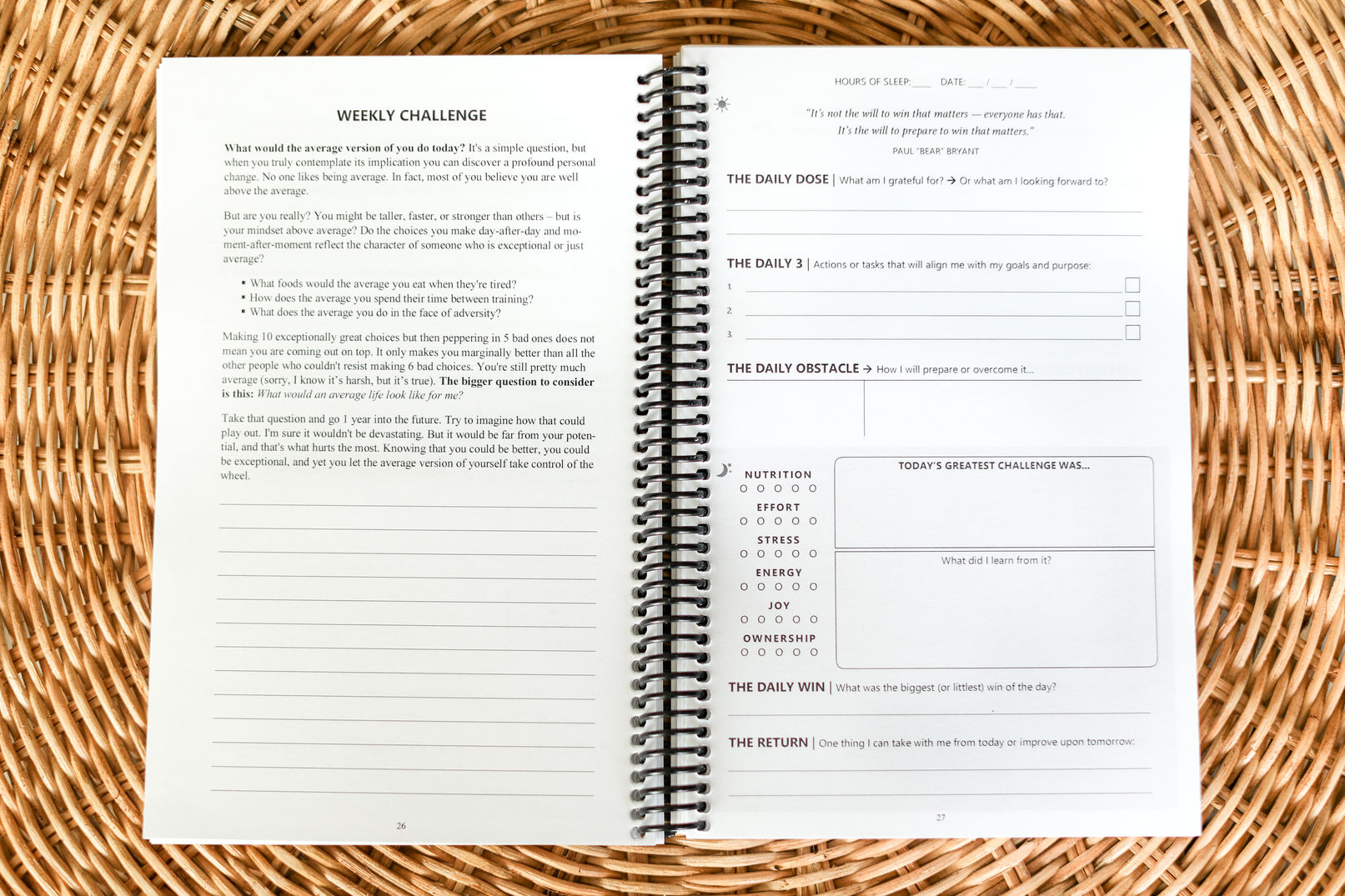
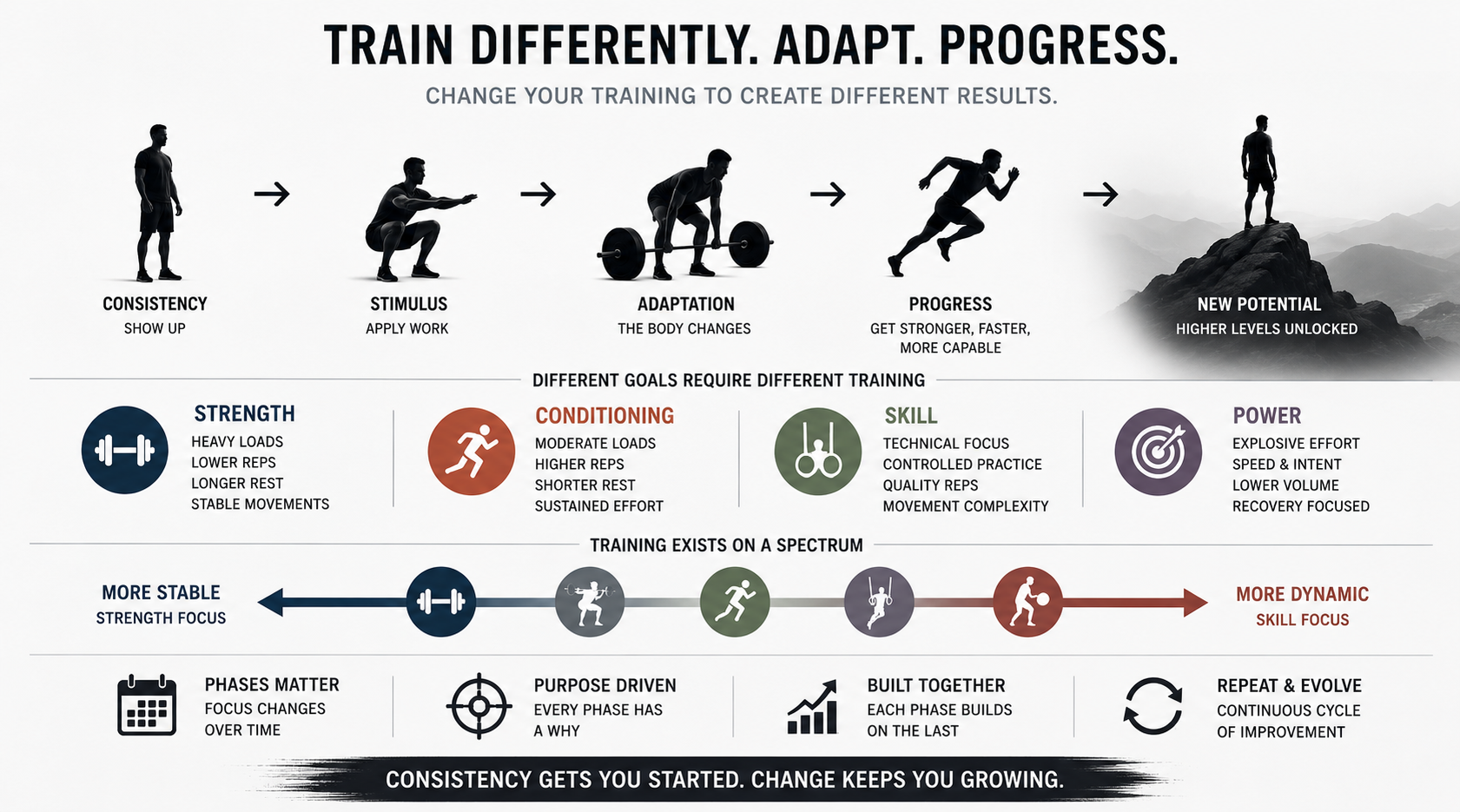
A year-end reset for athletes creates a natural pause. Training volume often dips, schedules change, and routines loosen. Rather than fighting that shift, experienced athletes use it with intention. A reset is not about doing less forever. It is about clearing noise, restoring perspective, and setting up momentum for what comes next.
This is not a full stop. It is a recalibration that prepares the body and mind for sustainable progress.
Before setting new goals, take an honest look at the past year. This is not about highlighting failures or chasing perfect consistency. It is about noticing patterns.
Ask yourself:
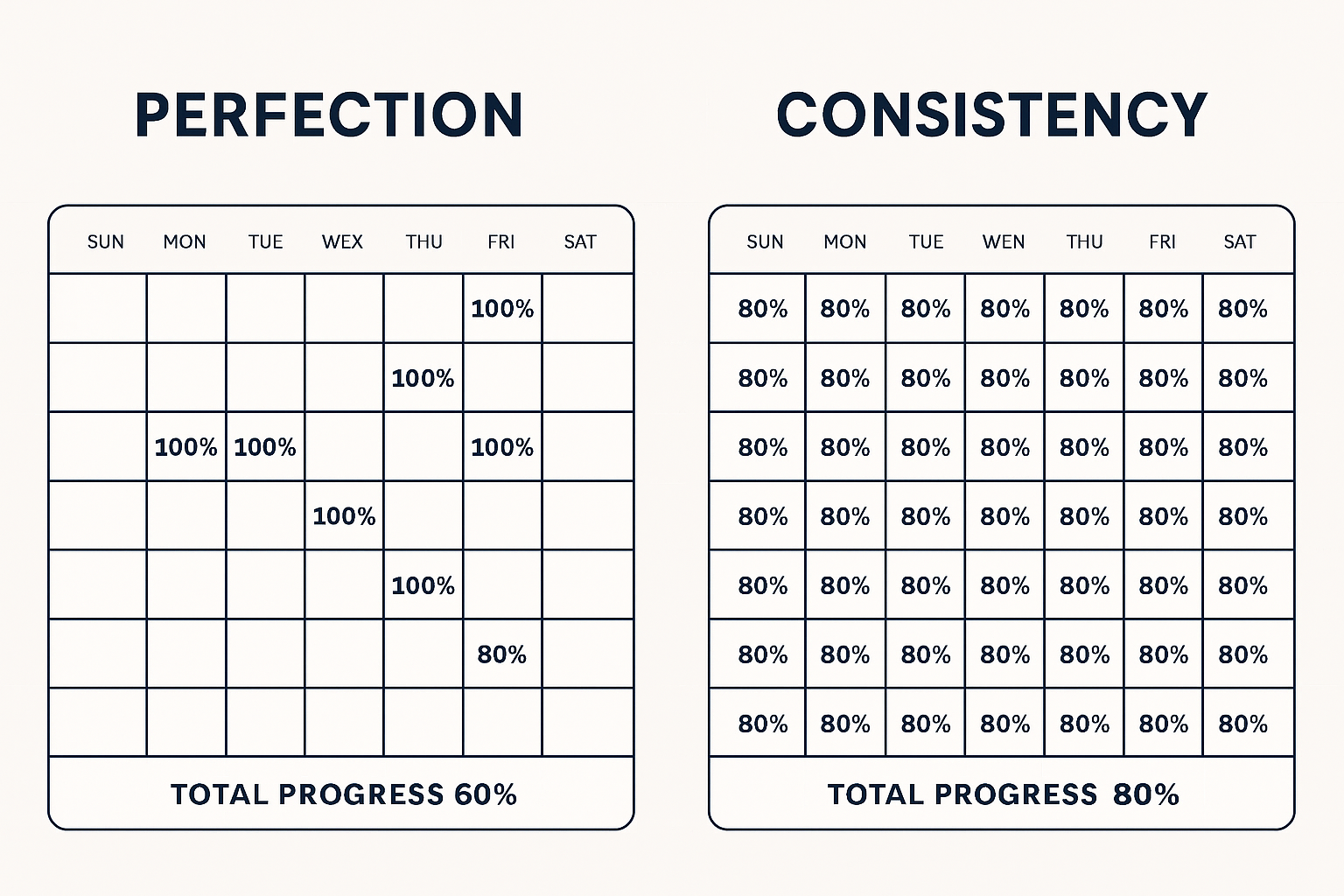
Write your answers down. Patterns matter more than individual weeks. Many athletes discover their best progress came from consistent, repeatable habits rather than extreme effort.
Most training breakdowns are not caused by lack of discipline. They come from friction. Poor scheduling, unclear priorities, and overly complex plans quietly undermine consistency.
A year-end reset is an opportunity to simplify your approach.
If everything feels important, nothing truly is. Choose what moves the needle and allow everything else to wait.
One of the most common mistakes athletes make during an off-season reset is pushing intensity too soon. This often leads to fatigue, stalled progress, or injury early in the year.
Instead, focus on rebuilding capacity. Ask how well your body and mind tolerate training right now.
Prioritize:
This phase builds confidence and durability. Intensity works better and lasts longer when the base is solid.
Training lasts when it connects to something deeper than aesthetics or performance metrics.
Use the year-end reset to reconnect with why you train.
When motivation fades, purpose sustains consistency. This clarity turns training from an obligation into a practice.
A reset does not require rigid resolutions. It requires direction.
Instead of committing to outcomes, commit to behaviors.
Direction keeps you moving forward without turning training into a source of pressure or burnout.
The year-end reset is not about starting over. It is about continuing forward with greater clarity and intention. Athletes who take this pause seriously often find themselves training more consistently and with better results as the new season begins.