Recovery Is a Result
Recovery is not passive or separate from training. Learn why feeling ready to train again is one of the most important results athletes can measure.
By
January 31, 2026

Why feeling ready to train again matters more than constant soreness
Many athletes think of recovery as something they need after training.
Stretching, rest days, sleep, and nutrition are often treated as support tools rather than outcomes. Training is where results happen. Recovery is just what allows training to continue.
But recovery itself is a result.
How well an athlete recovers reflects how appropriate their training load, intensity, and execution actually are.
Soreness, stiffness, and lingering fatigue are often normalized. They are treated as signs of hard work or commitment.
In reality, poor recovery is feedback.
When athletes consistently struggle to feel ready for the next session, it often signals a mismatch between training stress and recovery capacity. This can come from excessive intensity, poor load selection, degraded technique under fatigue, or insufficient fueling and sleep.
Good training leaves the body challenged but capable of adapting.
Many athletes equate readiness with undertraining.
If they are not sore, they assume they did not work hard enough. If they feel good returning to the gym, they question whether the session was effective.
This mindset confuses discomfort with progress.
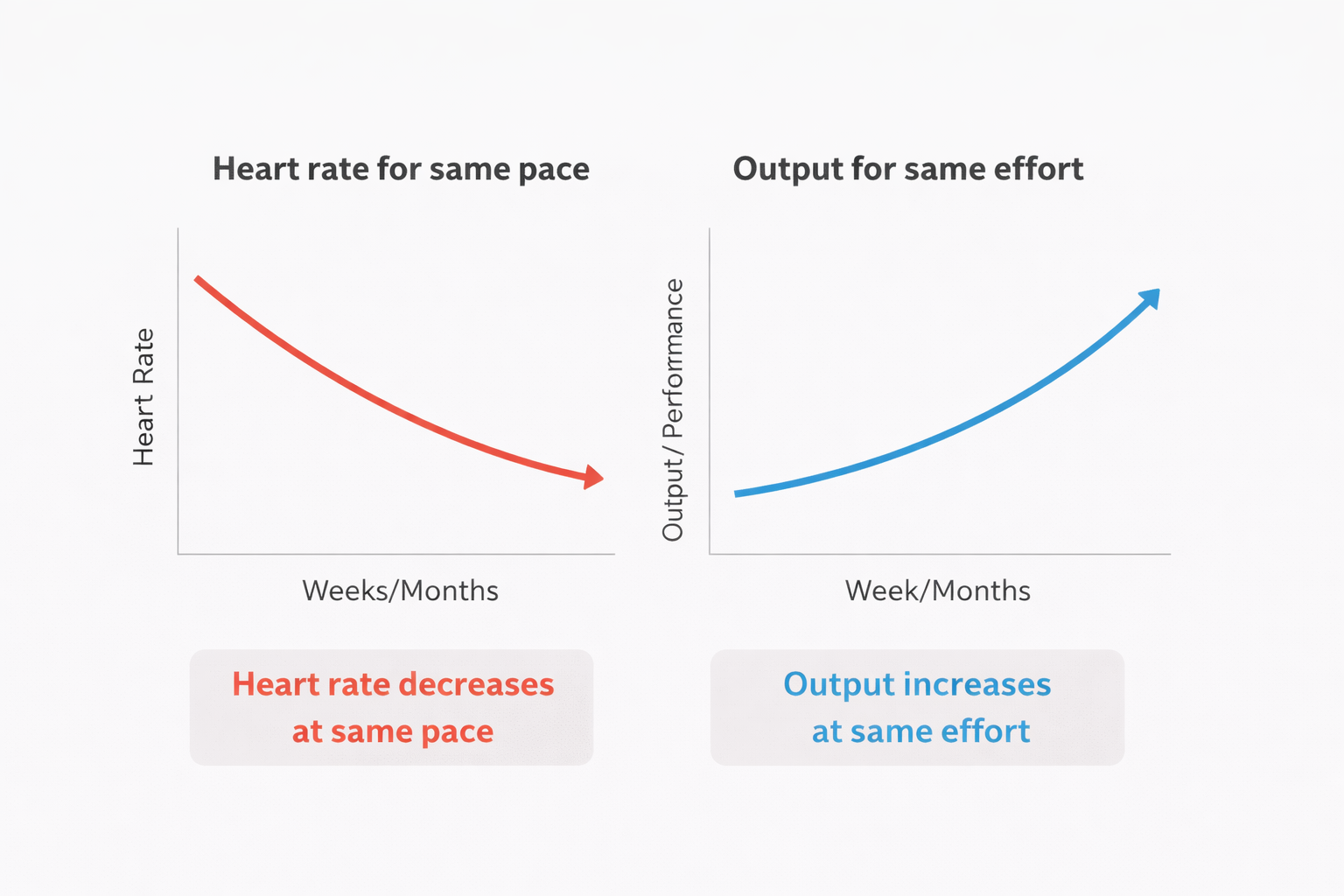
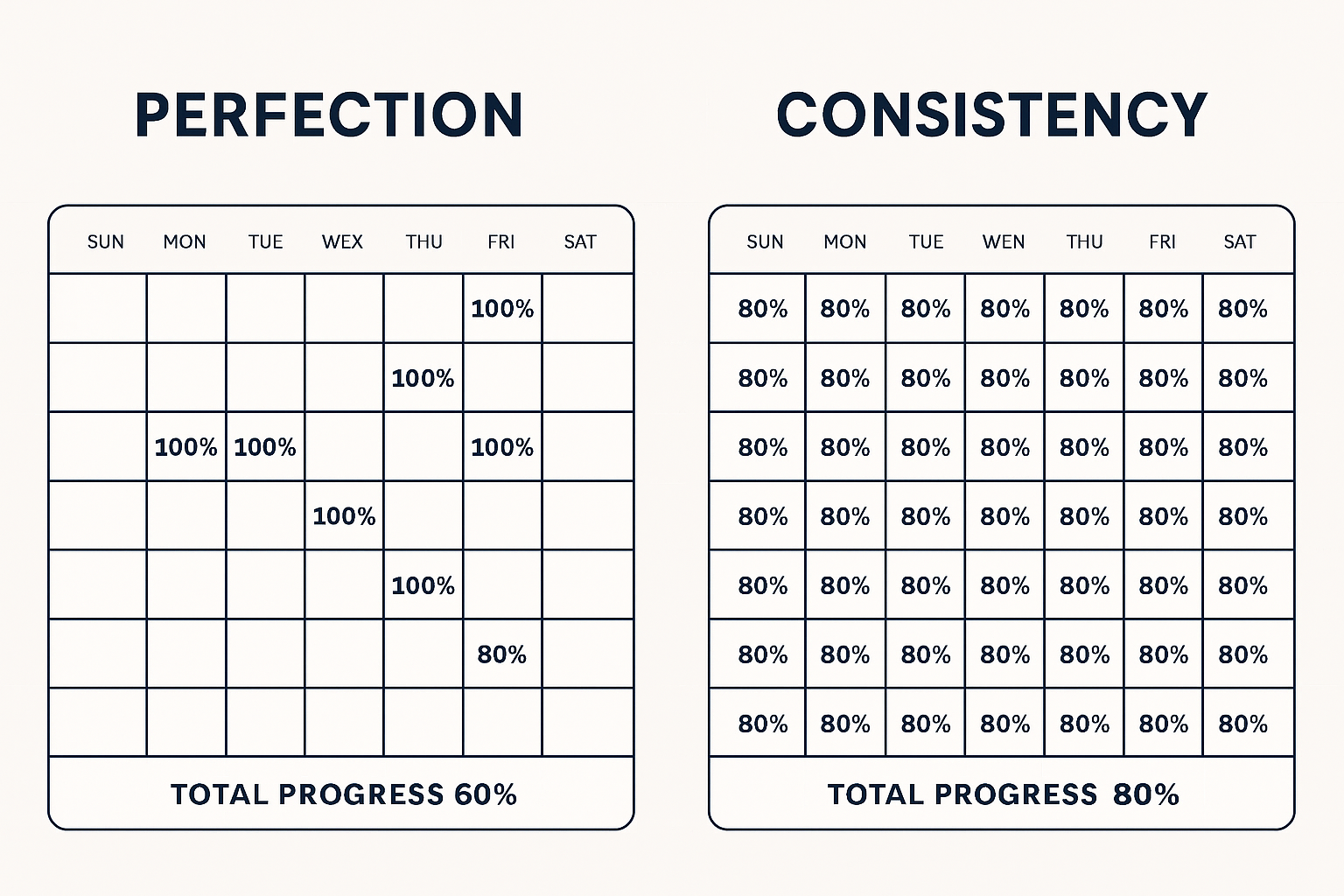
Training that supports recovery allows athletes to apply high-quality effort more frequently. Over time, this produces more adaptation than cycles of exhaustion followed by forced rest.
Recovery is what allows consistency to exist.
Athletes who recover well can train again sooner, maintain technique longer, and accumulate more meaningful work across weeks and months. Those who do not recover well often experience interrupted training, reduced output, or recurring pain.
Recovery is not separate from performance. It is what makes performance repeatable.
Recovery does not begin when the workout ends.
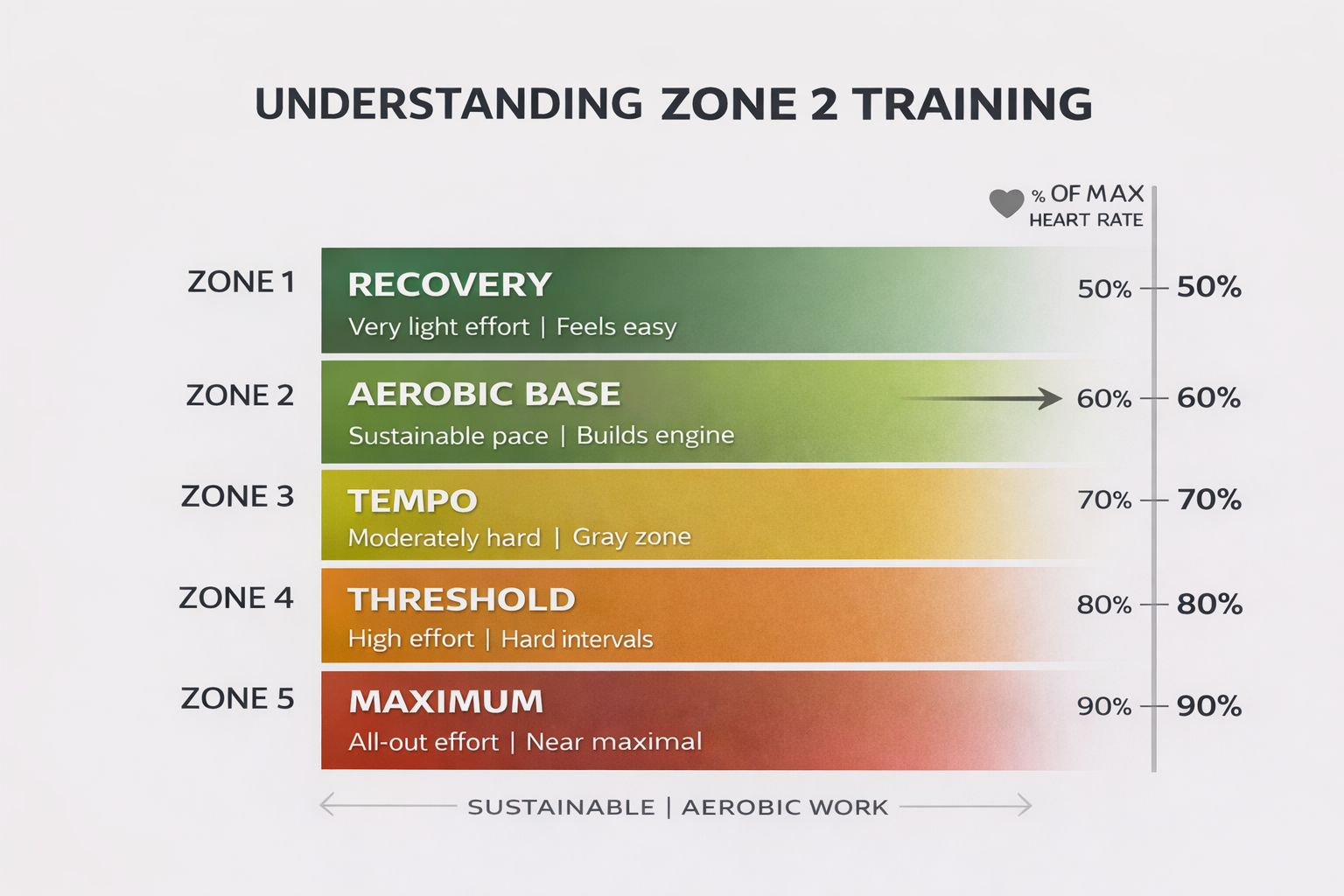
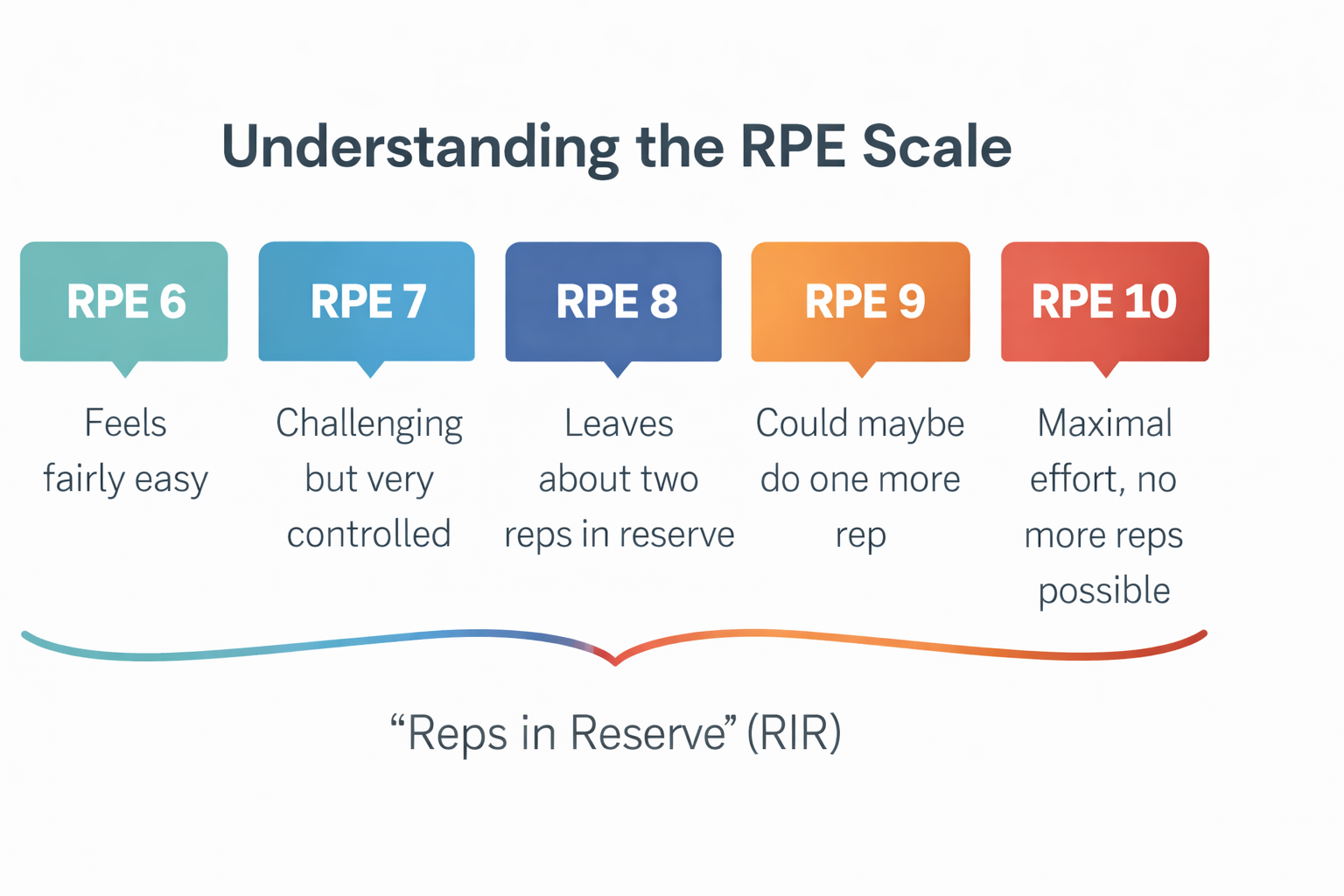
It is shaped by decisions made during the session:
Training that respects these variables sets the stage for effective recovery afterward.
Athletes do not train in isolation.
They have jobs, families, responsibilities, and stressors that also draw from recovery reserves. Training that consistently overwhelms recovery capacity often shows up as irritability, poor sleep, or reduced energy outside the gym.
When recovery improves, athletes often notice benefits far beyond performance, including improved mood, better sleep, and greater resilience in daily life.
Recovery is not something athletes earn only after pushing to exhaustion. It is a result of training that is appropriately dosed, well-executed, and aligned with long-term goals. When athletes treat recovery as a meaningful outcome, training becomes more sustainable, more effective, and easier to carry forward over time.