Training Through Perimenopause Without Fear
Train through perimenopause with confidence. Learn why strength, intensity, and smart scaling still matter and why no workout is inherently wrong for your body.
By
January 17, 2026


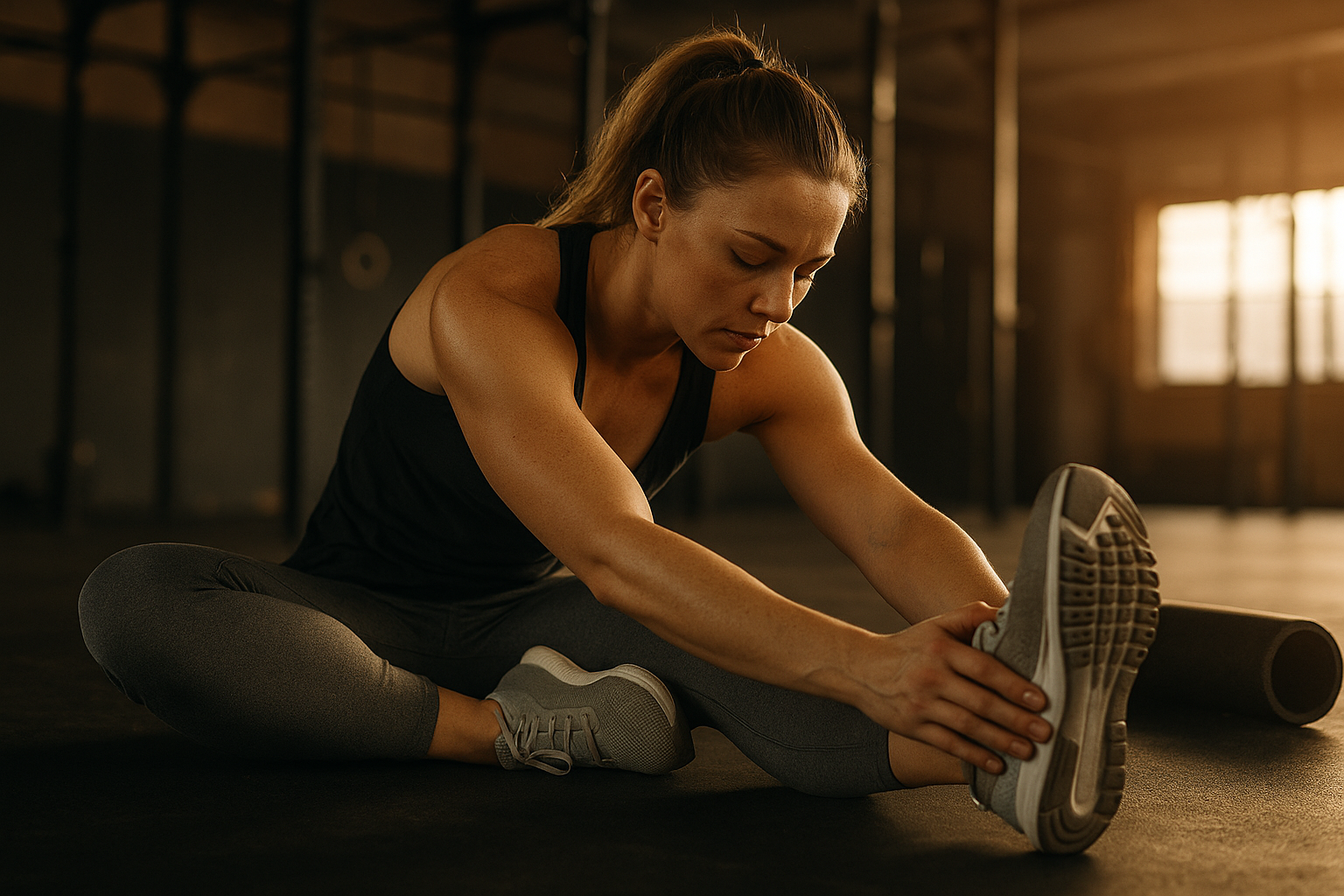
Perimenopause has become a common topic in fitness conversations, and with that attention has come a growing list of rules about how women are supposedly meant to train during this phase of life. Avoid intensity. Lift lighter. Be careful with stress. Choose gentler workouts.
While often well intentioned, this framing quietly sends a message that something is wrong with your body. That you now require special treatment. That training should be approached with caution instead of confidence.
That assumption does more harm than good.
Most modern fitness advice is built around simplifying complex physiology into easily shareable rules. When hormonal changes enter the conversation, those rules tend to become even more rigid.
Perimenopause is frequently described as a period where stress tolerance drops and recovery becomes fragile. From there, it is a short leap to the idea that certain workouts are no longer appropriate.
The reality is more nuanced.
Hormonal fluctuations can influence how training feels, how quickly you recover, and how sensitive you are to poor sleep, under-fueling, or chronic stress. But none of that automatically disqualifies you from challenging training. It simply raises the importance of how training is managed.
Perimenopause is a transition marked by variability, not weakness.
Energy levels may fluctuate more than they used to.
Recovery may feel less predictable.
Sleep quality and stress management matter more than ever.
These changes do not mean your capacity is gone. They mean your body benefits from flexibility instead of rigid expectations.
Some days you push.
Some days you adjust.
Both are part of training well.
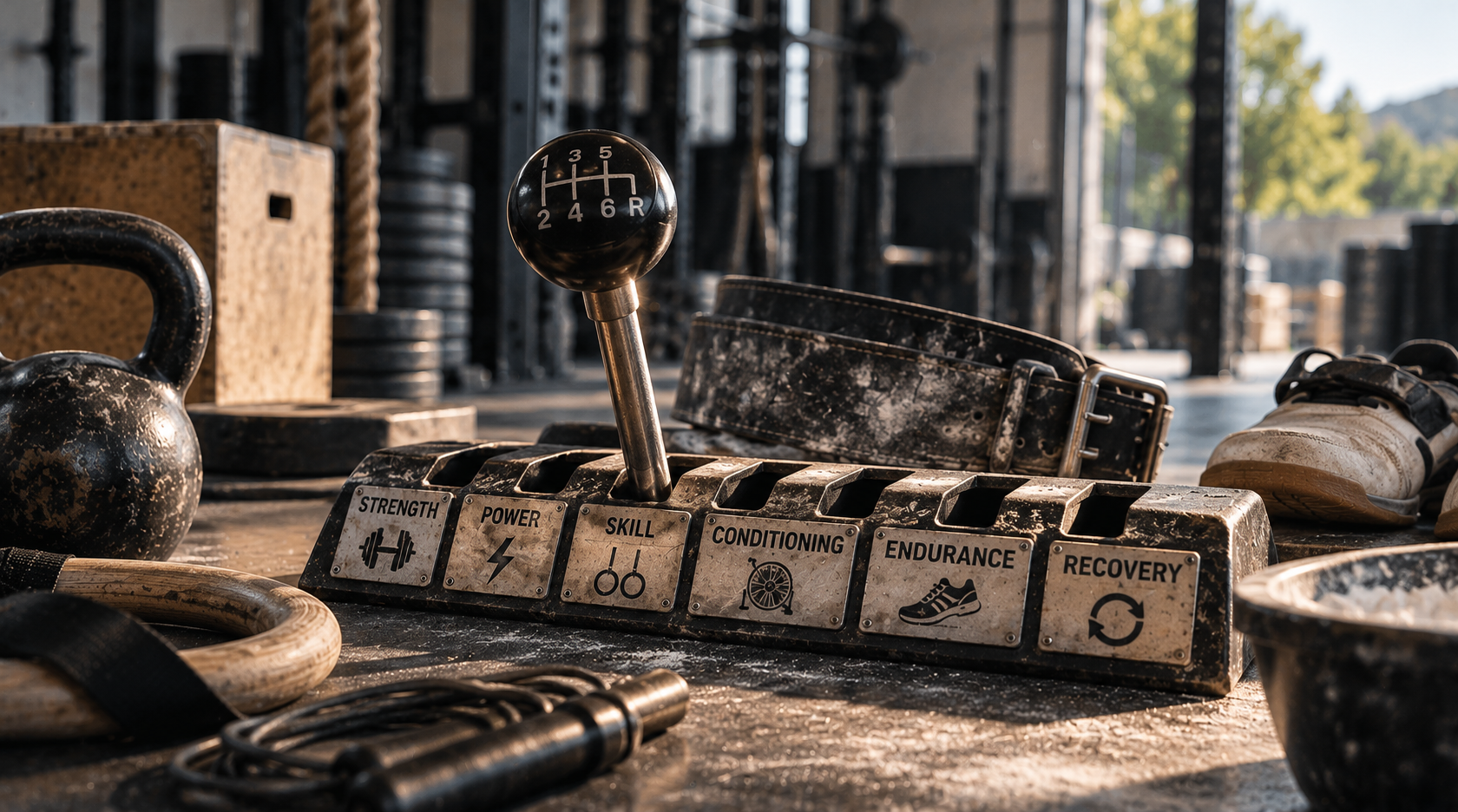
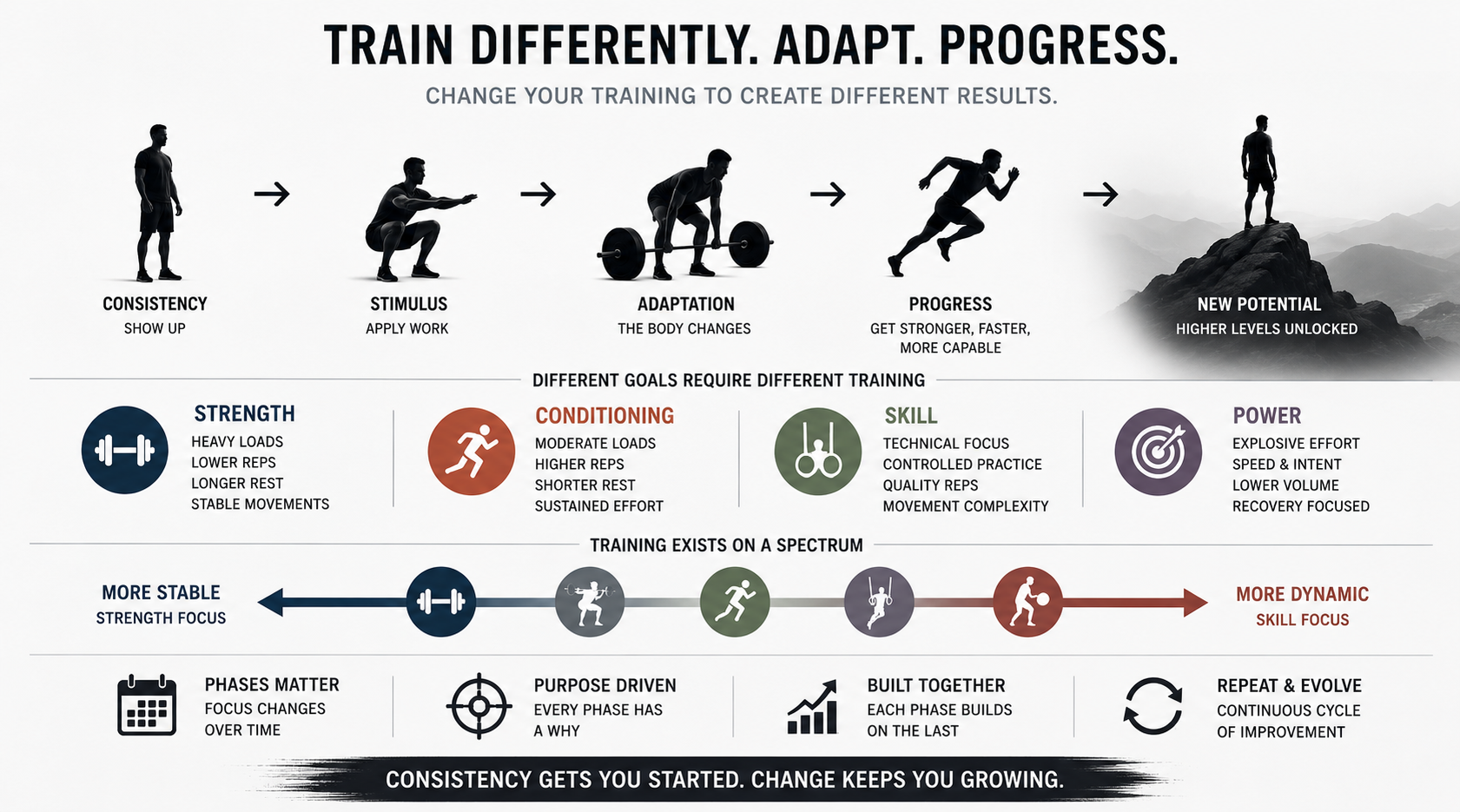
The foundational benefits of training remain the same.
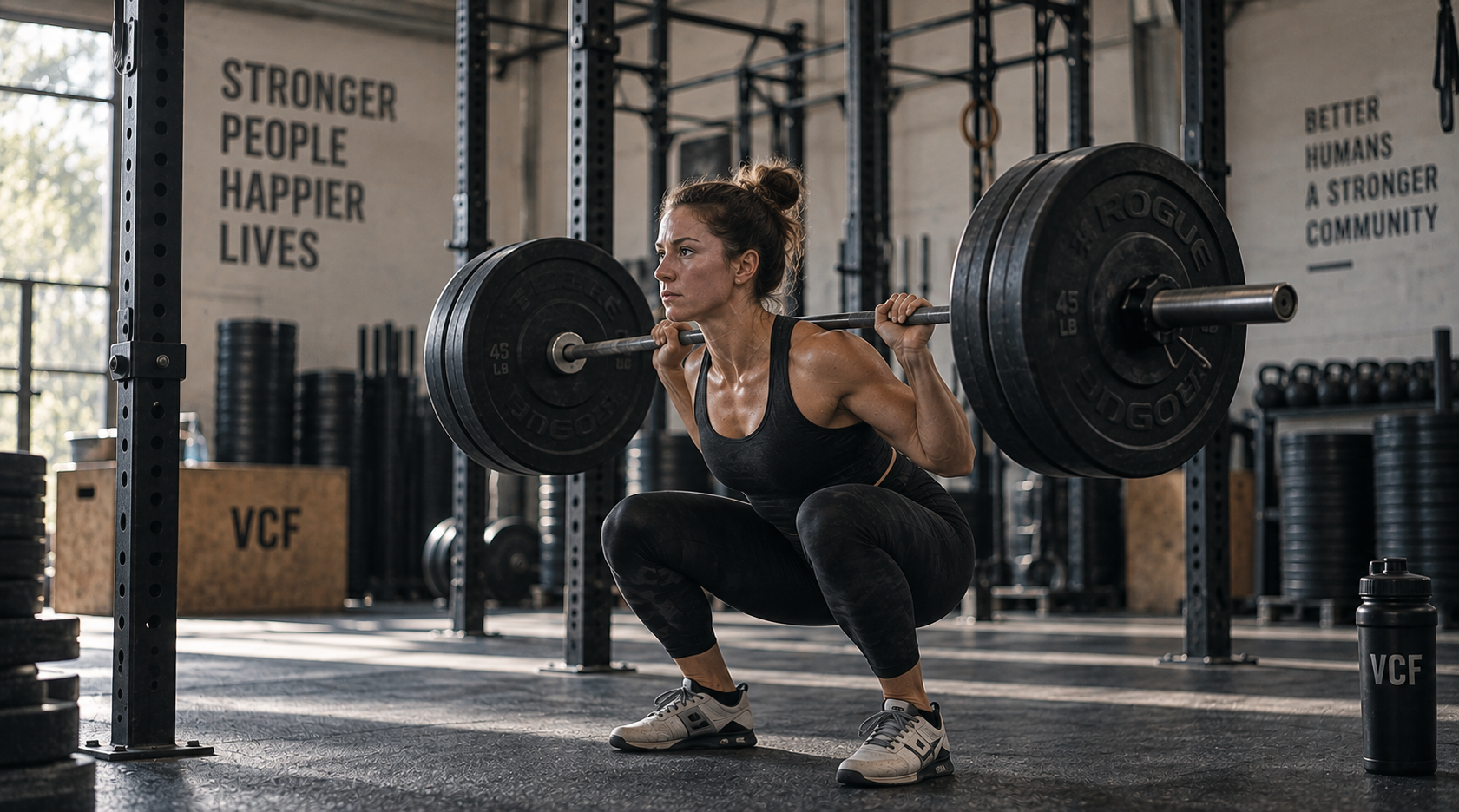
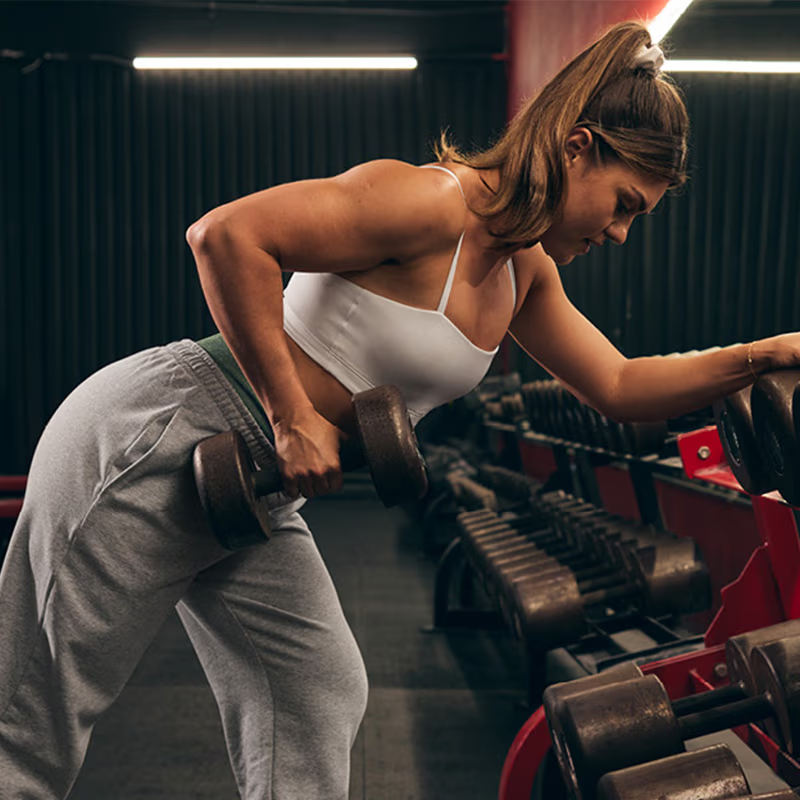
Strength training supports muscle mass and bone density.
Intensity supports cardiovascular health and resilience.
Skill-based movement supports coordination and confidence.
These qualities do not stop being valuable in midlife. In many cases, they become more important.
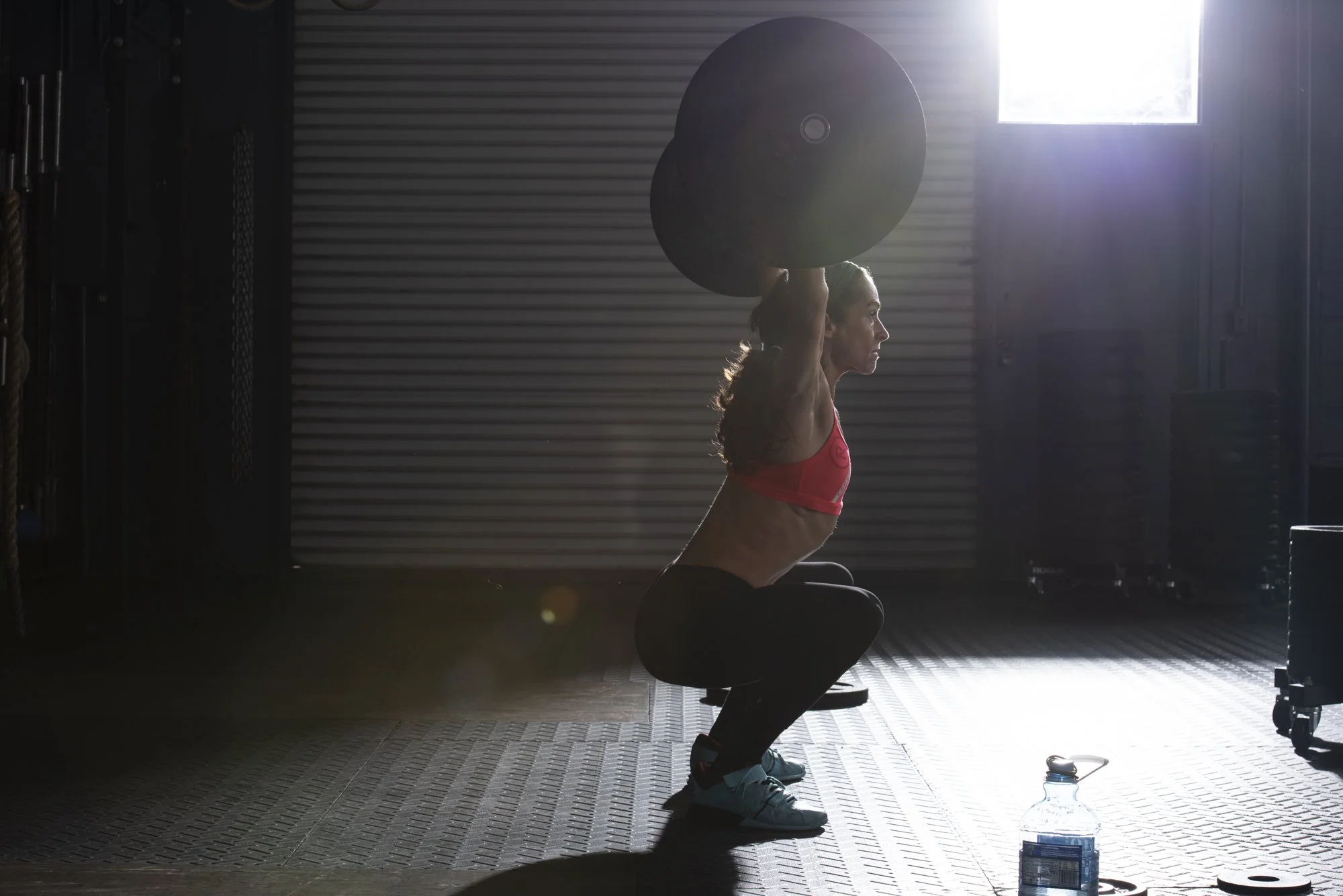
Avoiding load, speed, or effort out of fear often leads to the very outcomes people are trying to prevent. Less strength. Less tolerance for stress. Less trust in their own bodies.
Perimenopause does not require gentler training. It requires smarter training.
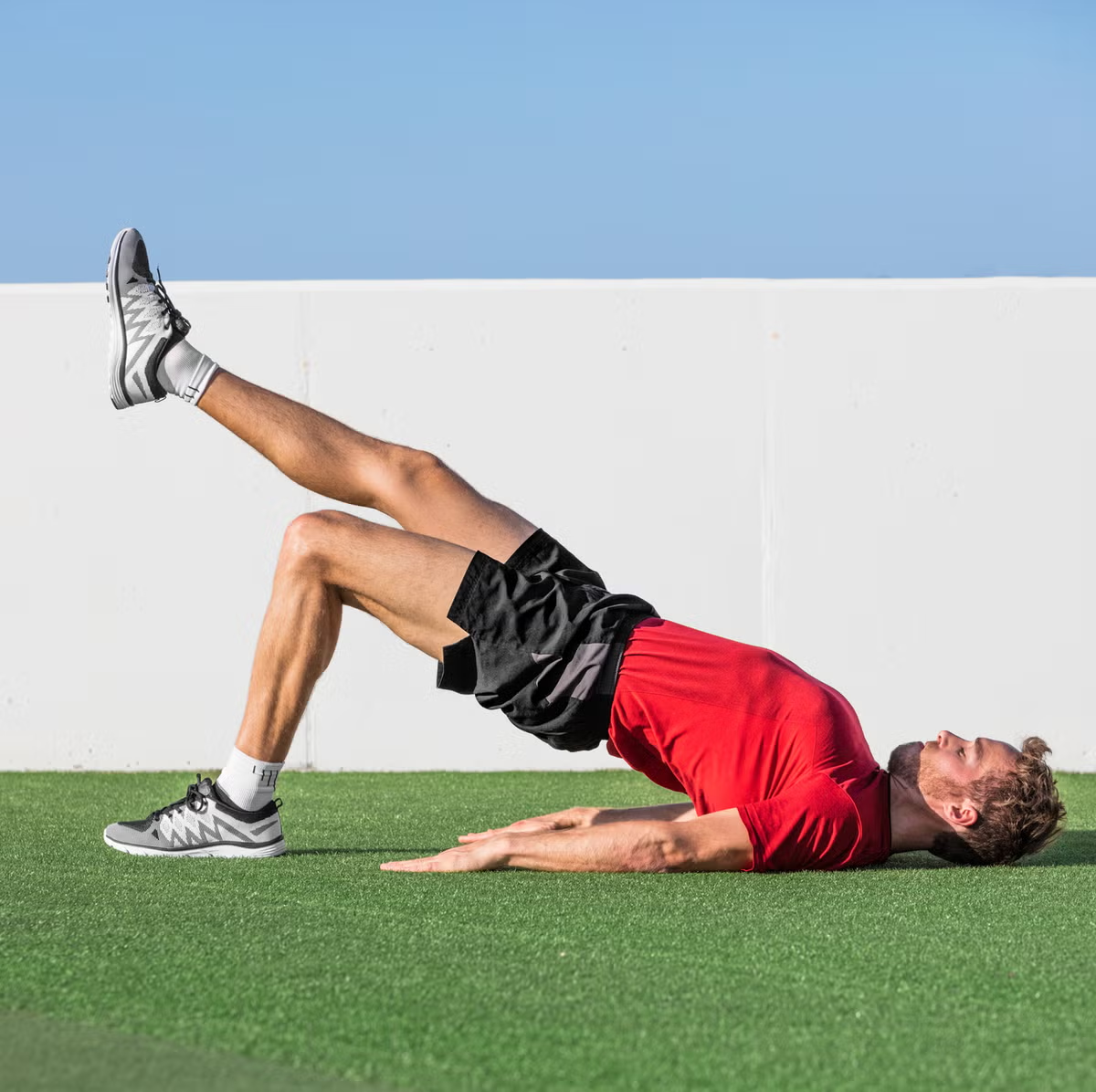
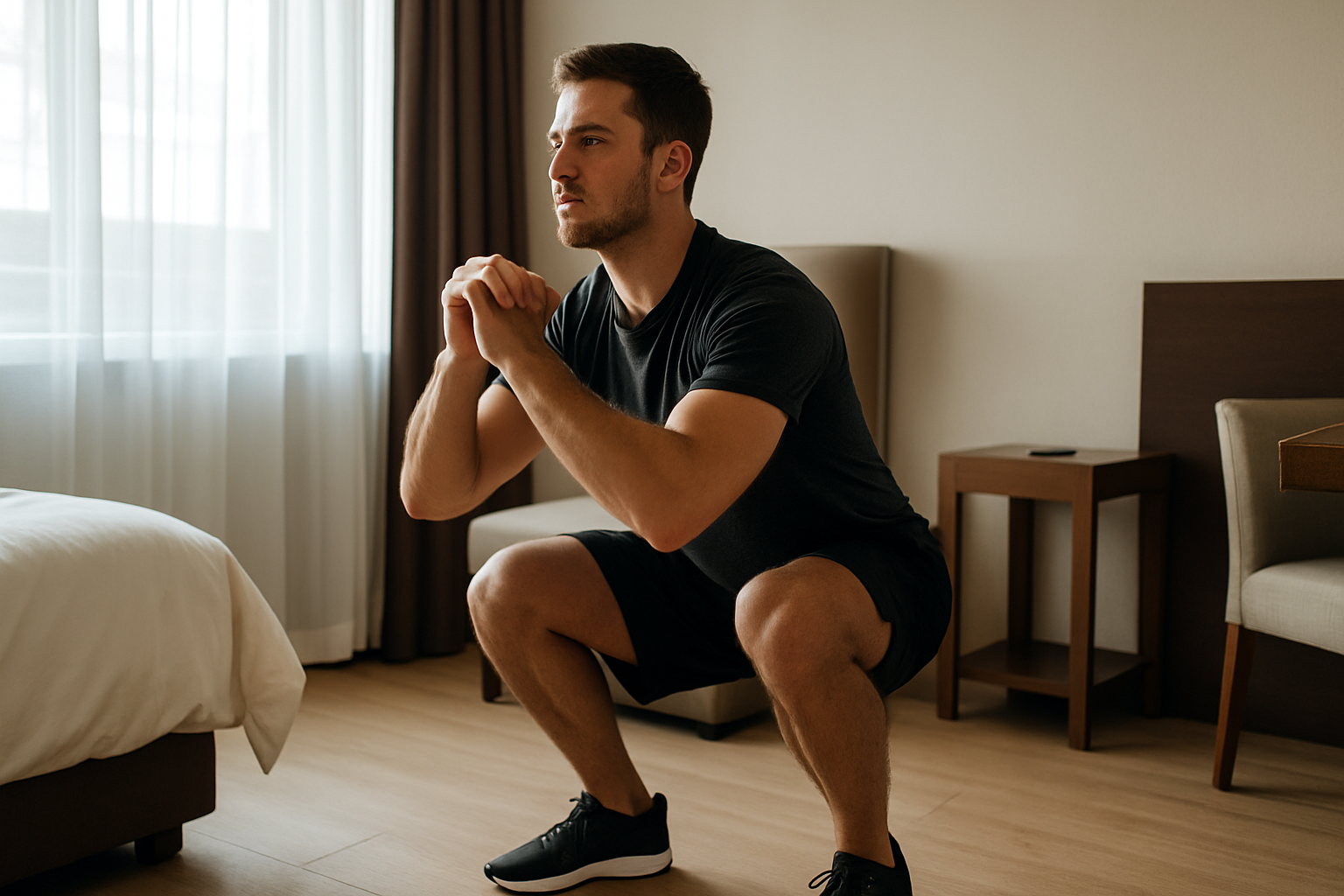
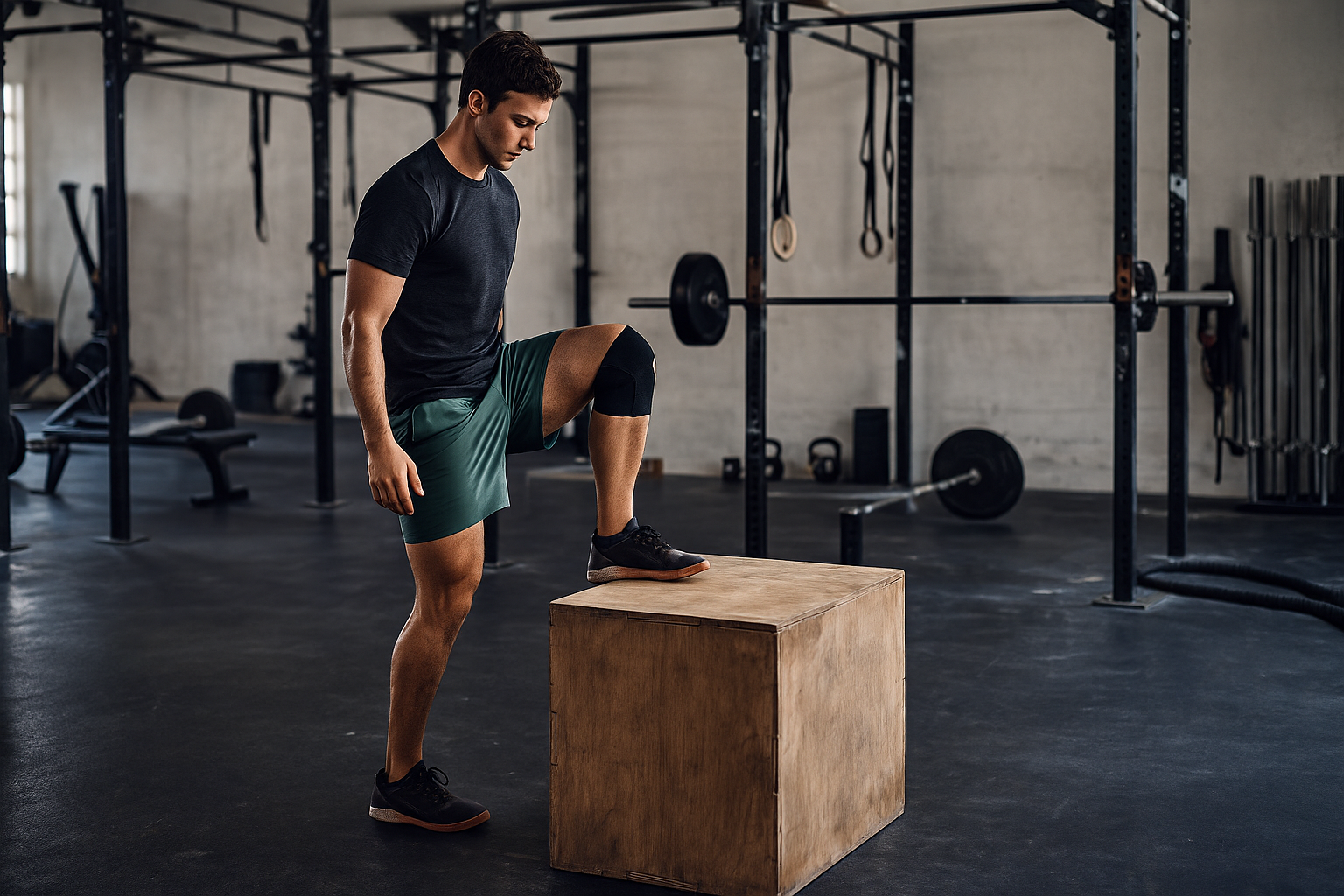
There is no category of exercise that suddenly becomes inappropriate because of age or hormonal status.
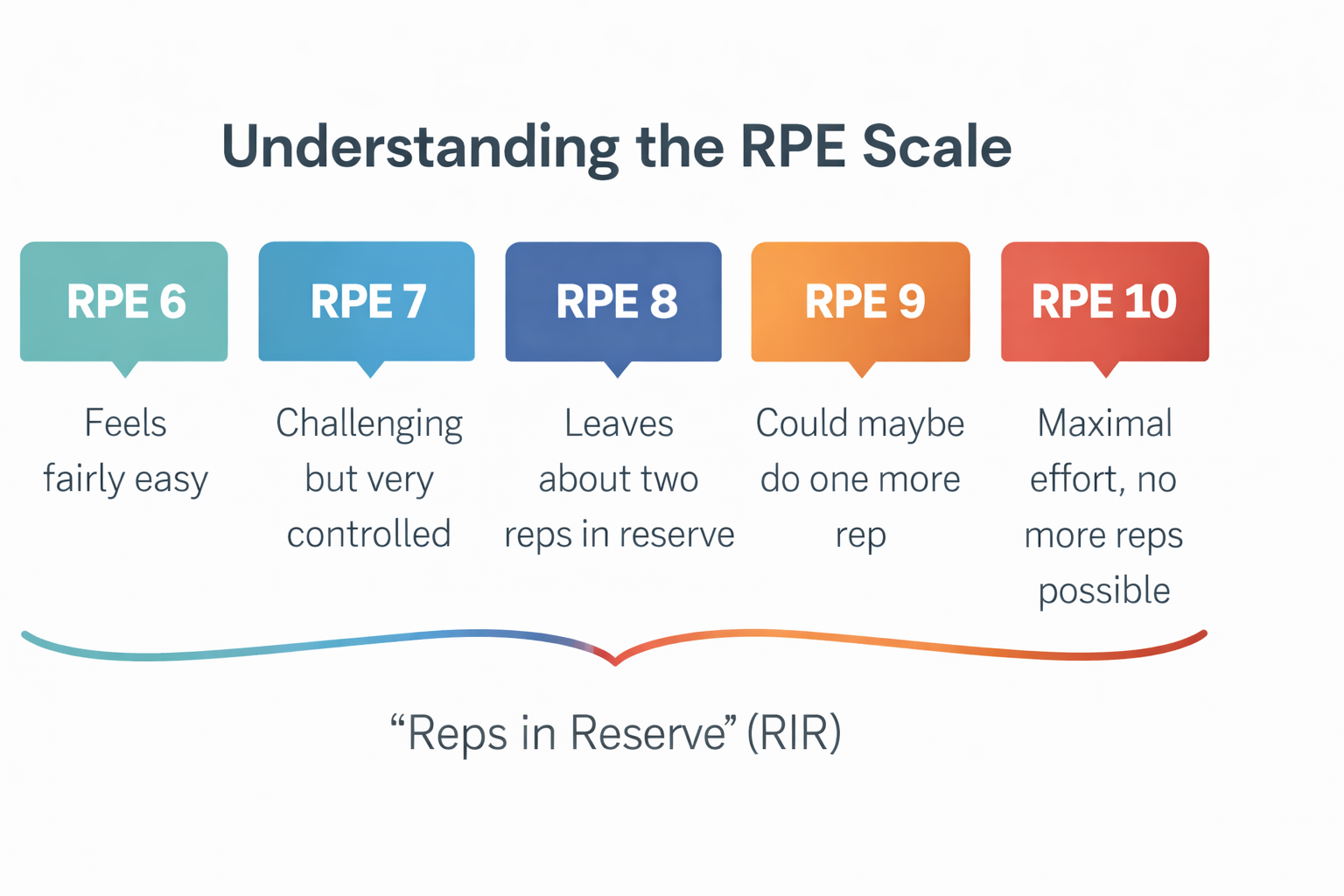
What matters is not the workout itself, but how it is:
The question is never whether a workout is allowed.
The question is how that workout fits the person doing it on that day.
Training is not about following rules. It is about making informed choices.
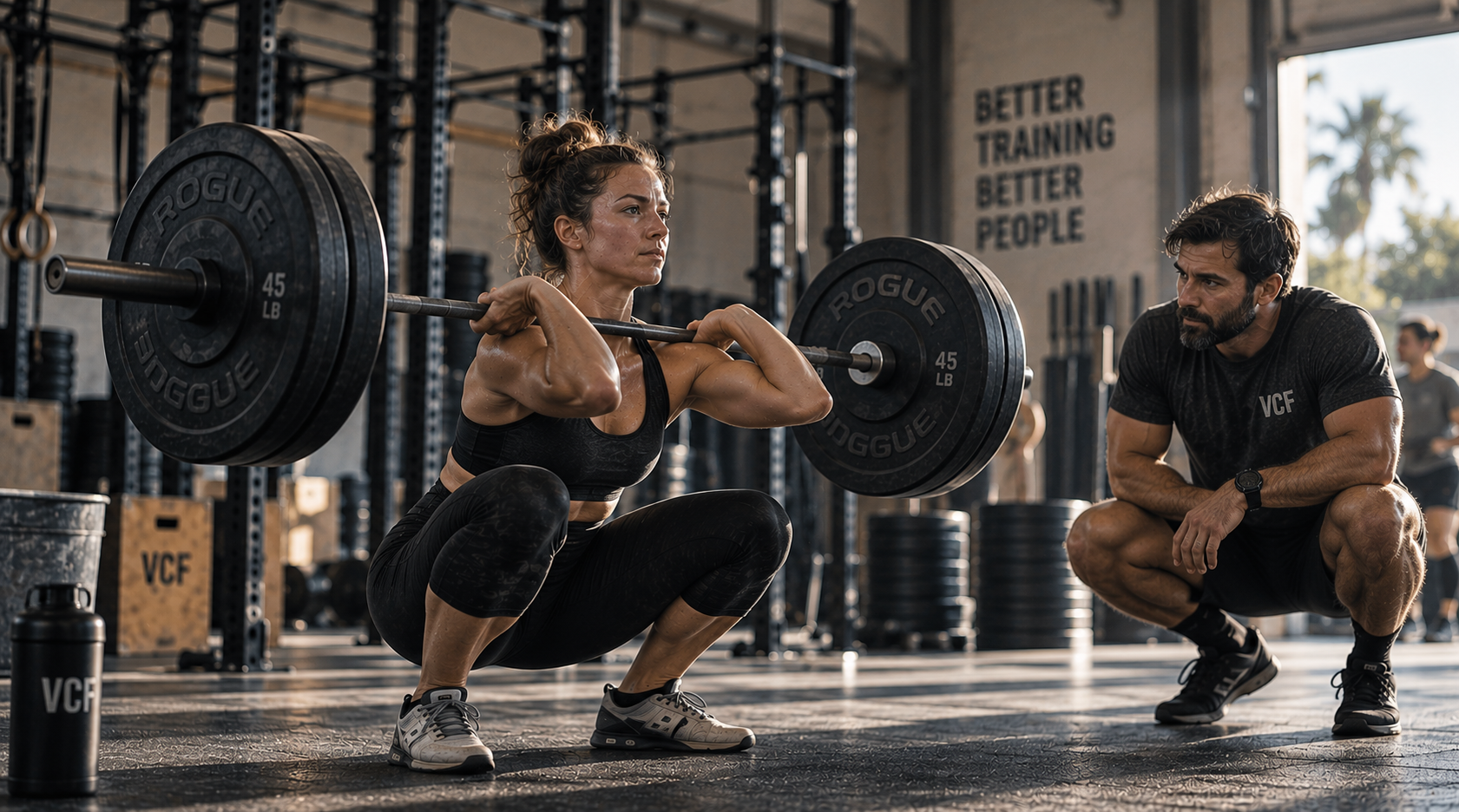
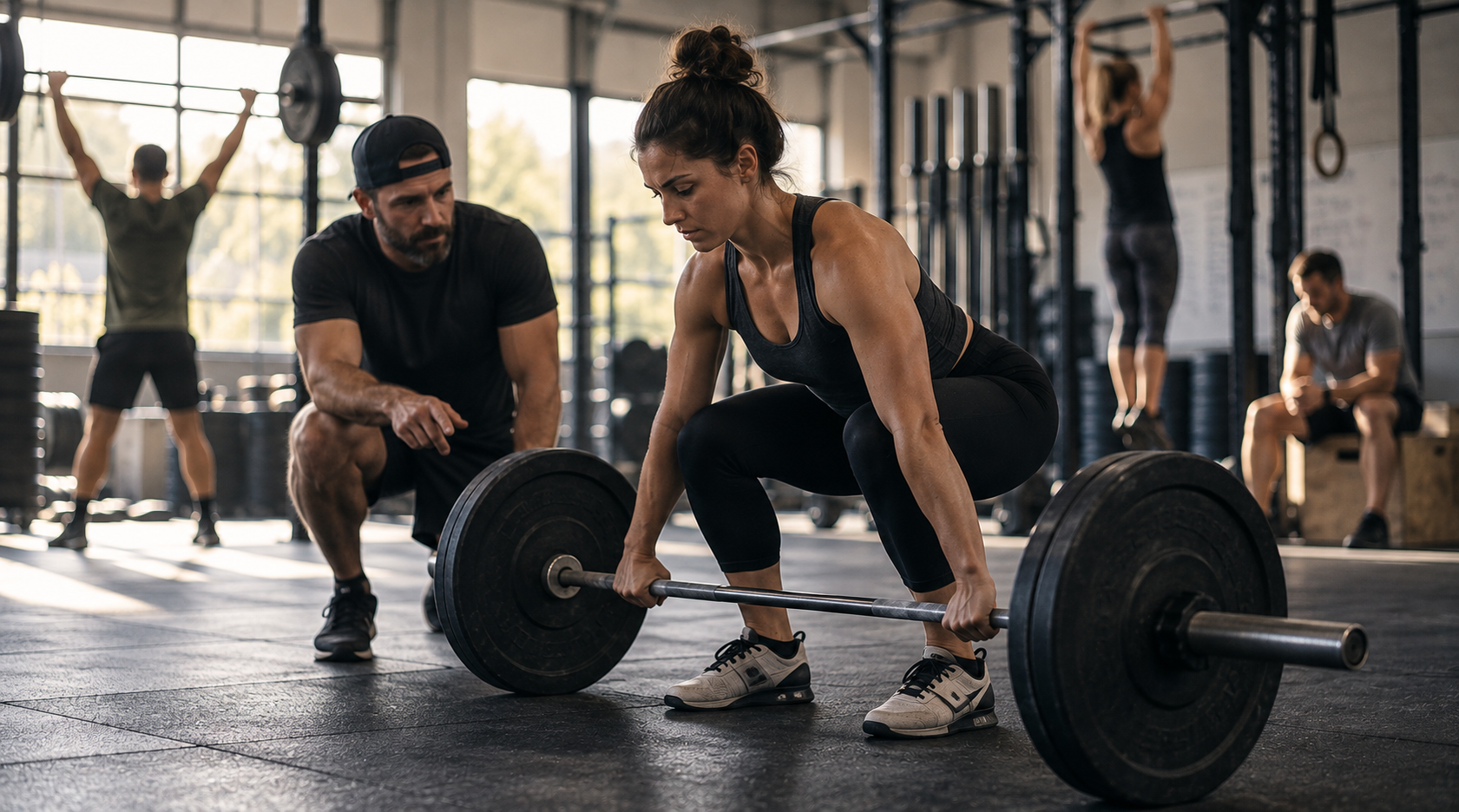
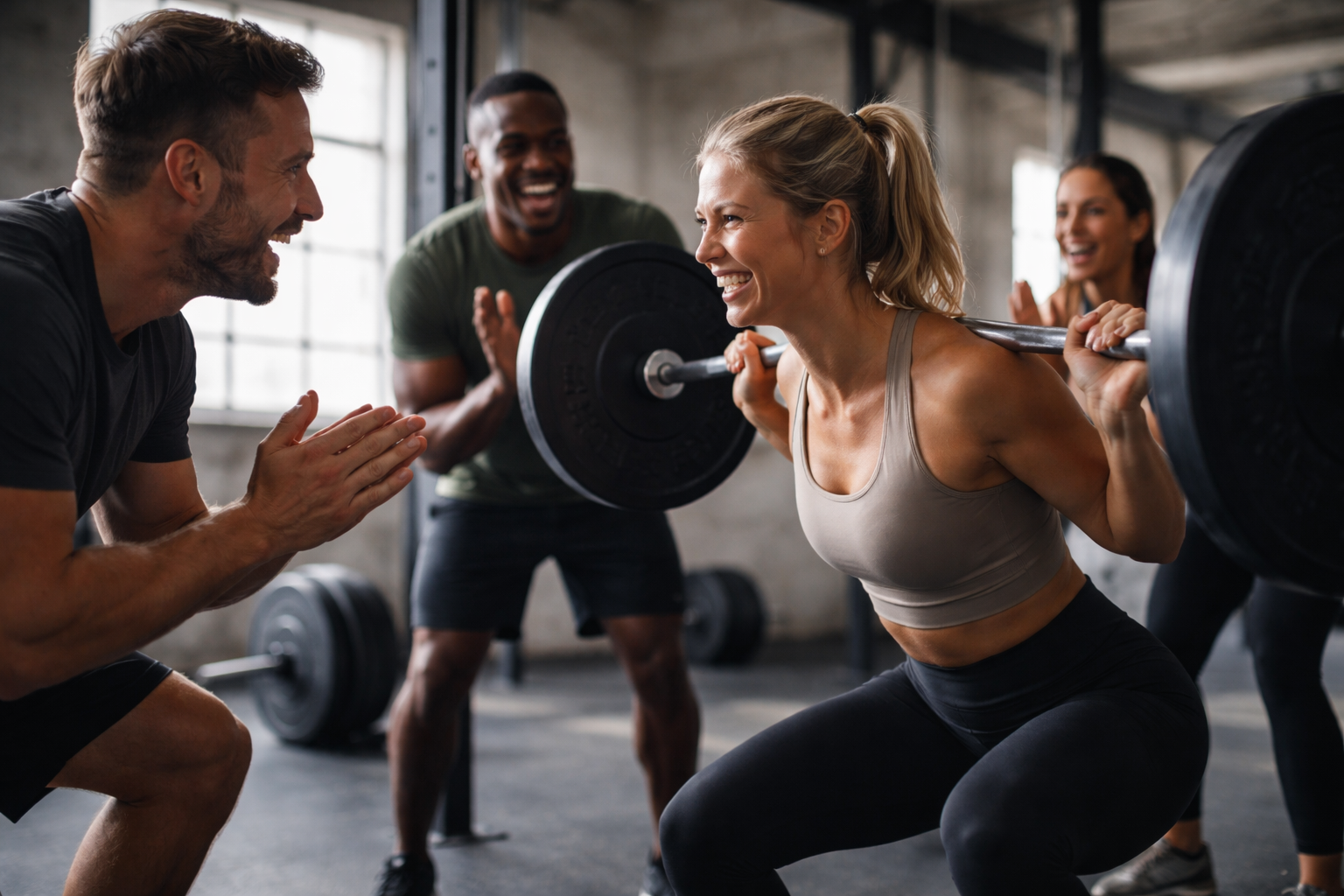
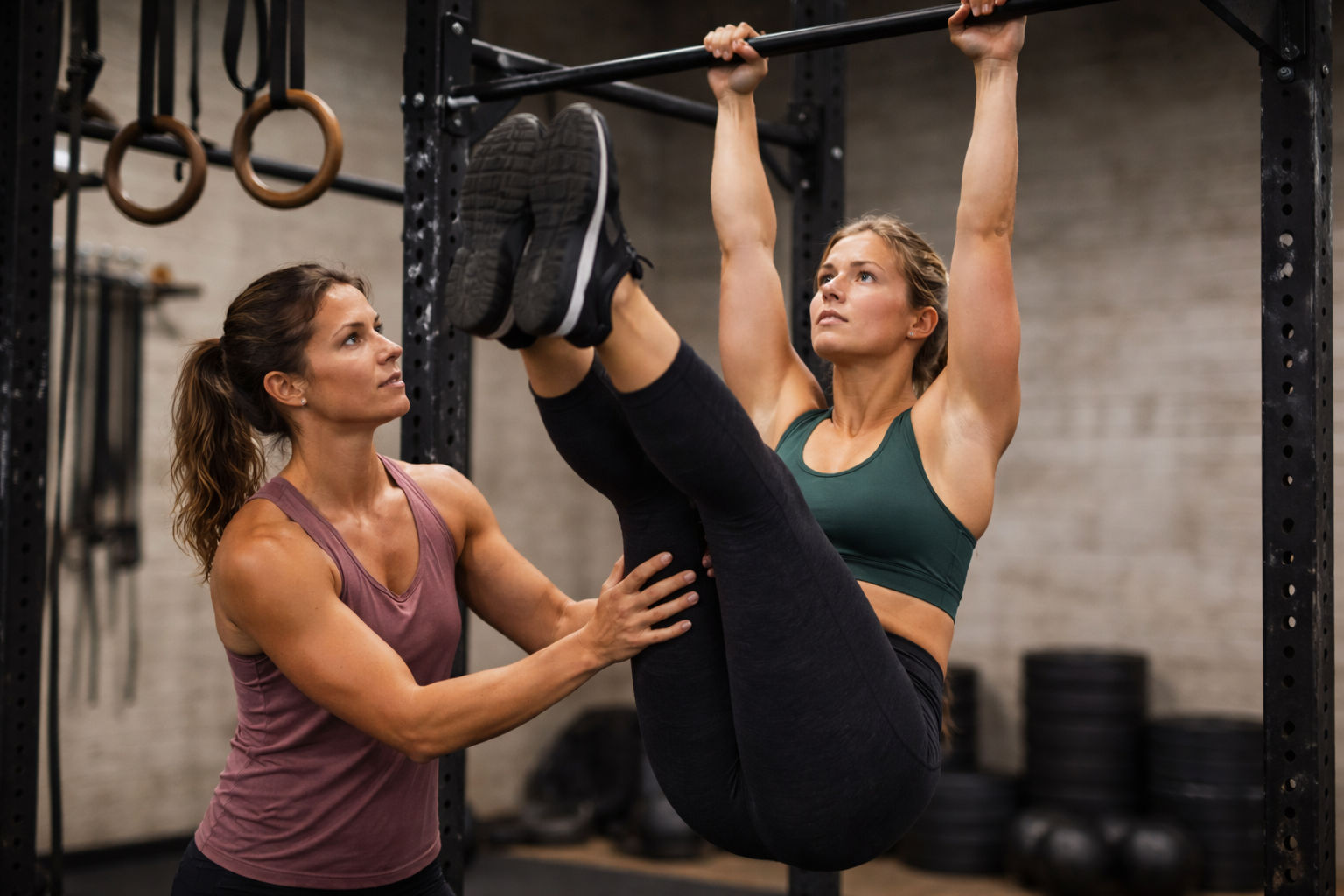
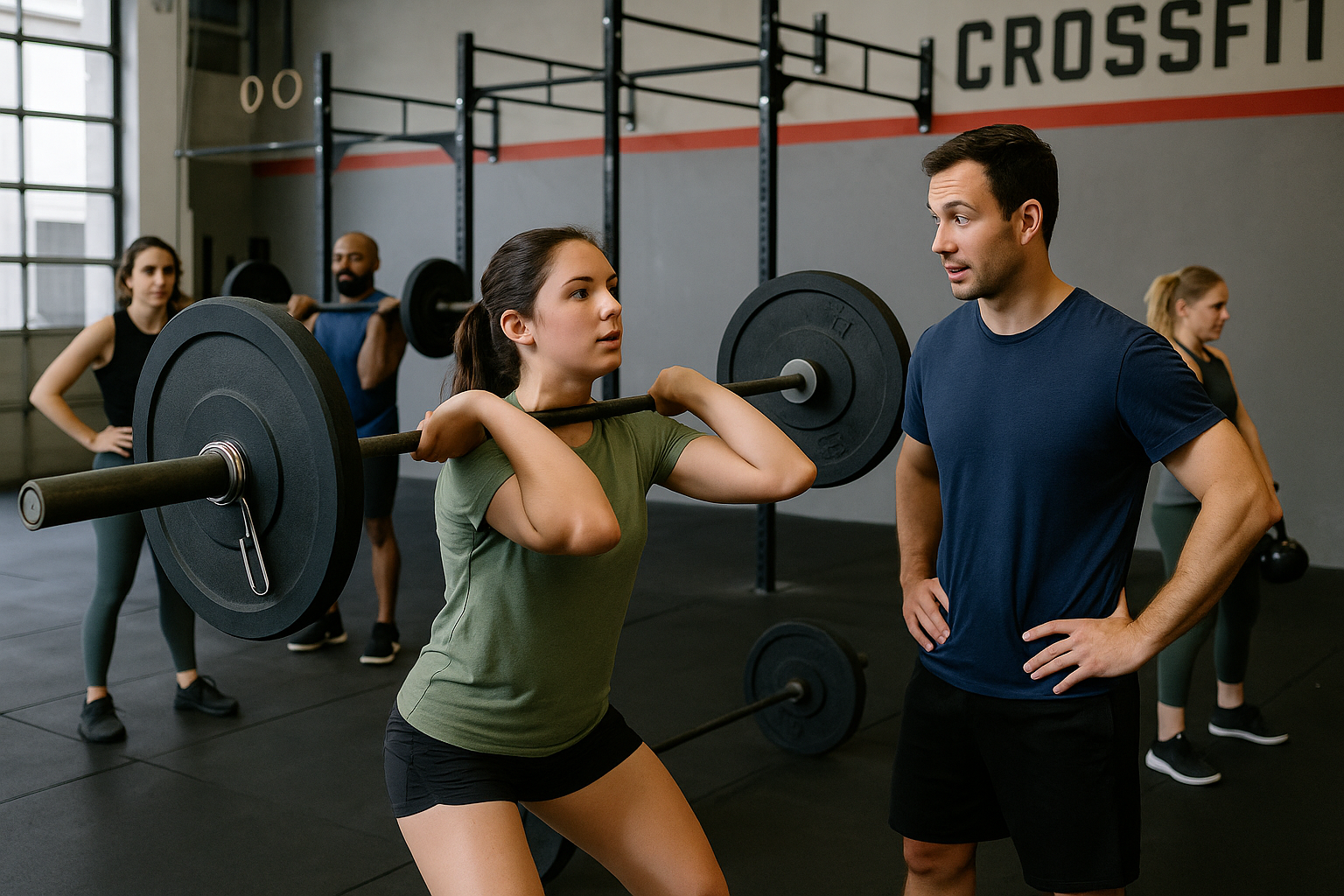
Good coaching does not remove challenge. It teaches people how to meet it.
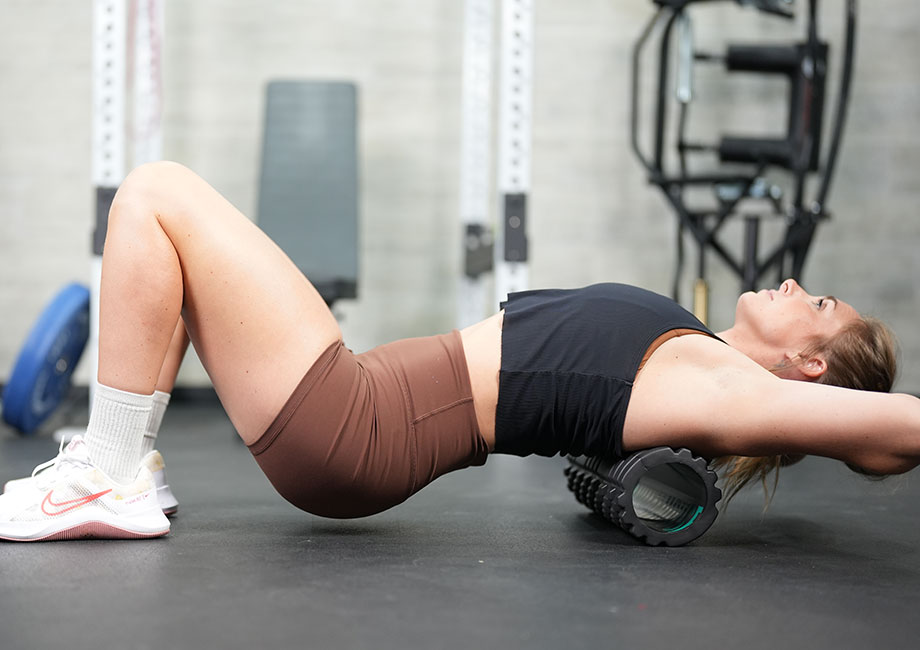
It allows room for adjustment without judgment.
It prioritizes effort and intent over comparison.
It encourages listening to the body without being ruled by fear.
The goal is not to protect people from hard things. The goal is to help them build capacity to handle them.
Perimenopause is not a reason to step back from training. It is an opportunity to train with more awareness, not less ambition.
You do not need special workouts.
You do not need to avoid intensity by default.
You do not need to train cautiously because your body is changing.
You need context.
You need flexibility.
You need support.
Strong, challenging training is not the problem.
Lack of nuance is.
Your body is still capable.
Your training can still be powerful.
And confidence in movement is something you continue to earn, not something you age out of.