Consistency Is a Performance Metric
Consistent training builds more strength, fitness, and resilience than chasing occasional peak performances. Learn why showing up matters most.
By
January 10, 2026

Most athletes understand the value of a hard training session. Fewer appreciate the value of the session that comes after it, and the one after that.
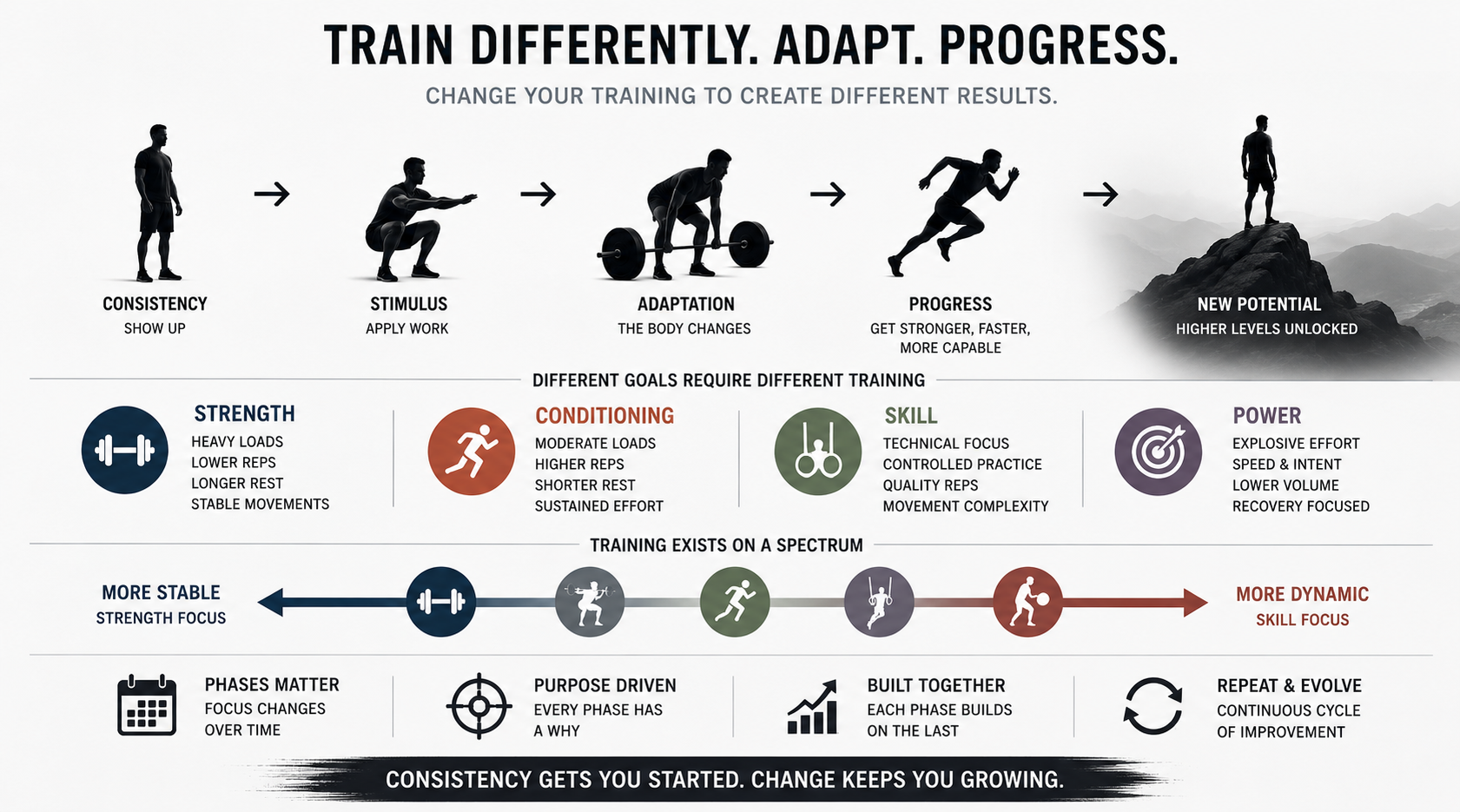
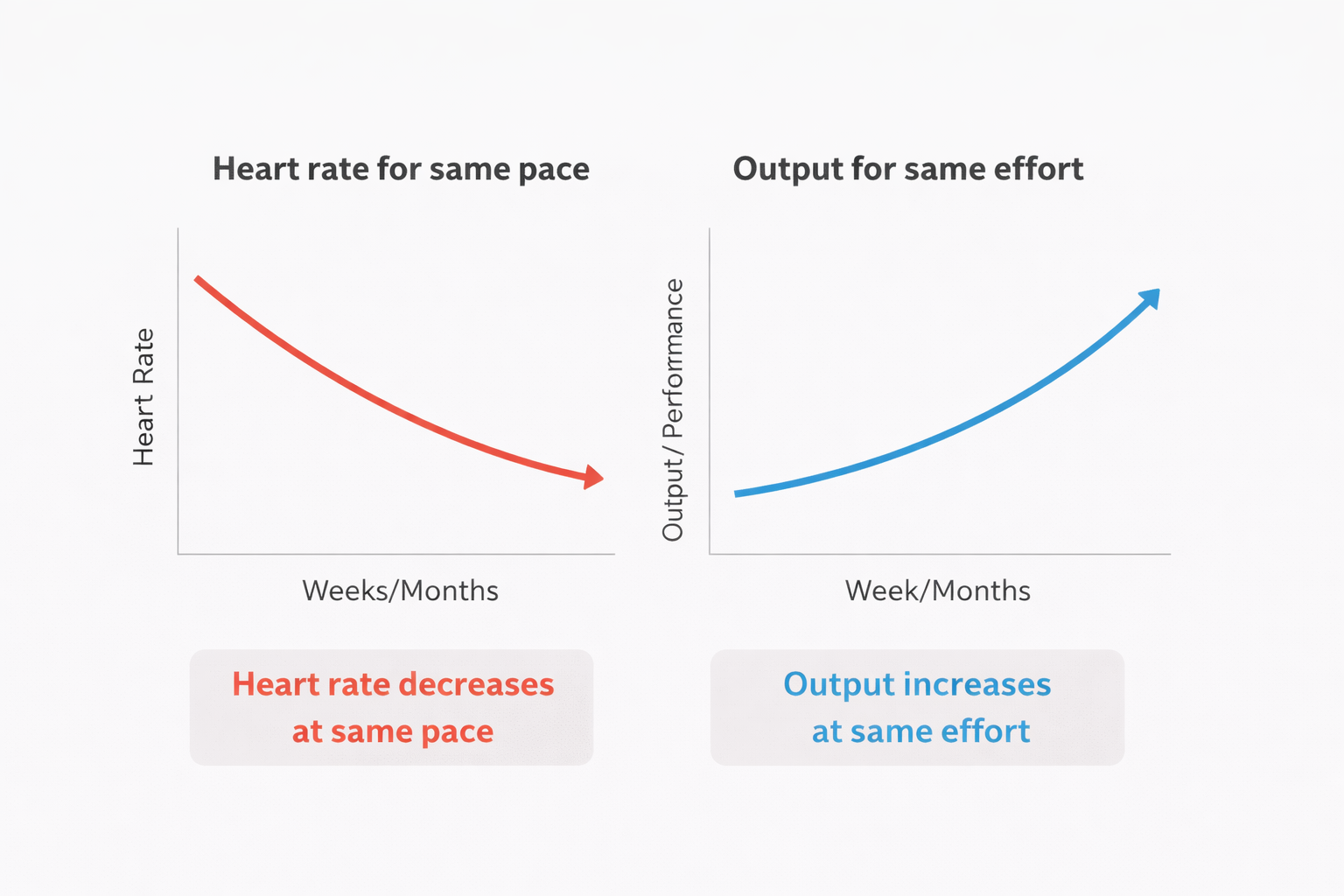
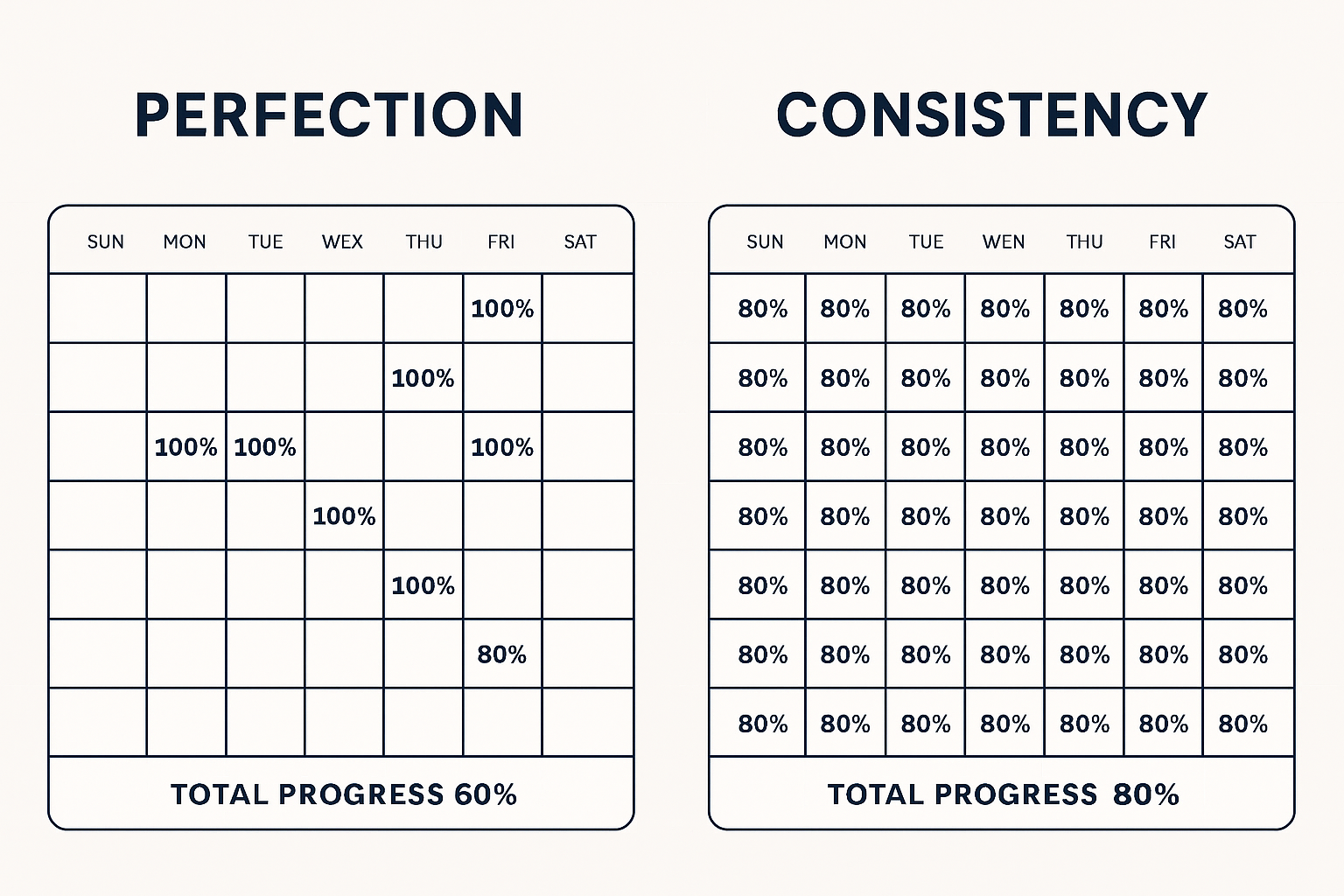
Training adaptations are not driven by standout days. They are driven by repeated exposure to stress that the body can recover from and adapt to over time. Consistency is not just a habit. It is a performance variable.
One great workout can feel productive. A string of interrupted weeks rarely is.
Strength, conditioning, and skill all improve through accumulated high-quality work. Missed sessions, forced layoffs, and constant restarts reduce total training volume over months and years, even when individual workouts are intense.
Athletes who train slightly below their maximum more often tend to progress further than those who train at the edge until something breaks.
Fitness that only shows up on good days is fragile.
Consistent training builds capacity that carries beyond the gym. It supports long hikes without joint irritation, long workdays without fatigue, and physical play with kids or grandkids without hesitation. These outcomes are not separate from performance. They are expressions of it.
When training is repeatable, fitness becomes usable.
Consistency is not about pushing harder. It is about recovering well enough to return.
Athletes who under-recover often mistake fatigue for lack of motivation. In reality, poor sleep, inadequate fueling, and excessive intensity reduce readiness to train again. When recovery improves, consistency often follows without additional willpower.
Training that supports recovery keeps athletes training longer.
Consistency is built through daily choices:
Selecting loads that can be repeated
Maintaining technique under fatigue
Stopping sets before form breaks down
Leaving the gym feeling challenged, not depleted
These decisions may feel conservative in the moment. Over time, they allow more total work to be completed and more adaptation to occur.
Consistent training is not easy training.
It requires discipline to avoid chasing short-term wins that disrupt long-term progress. It requires patience to value weeks trained over workouts won. It requires perspective to recognize that fitness is built quietly.
The athletes who improve the most are rarely the ones who dominate any single day. They are the ones who keep showing up.
A single workout can be impressive. A year of uninterrupted training is transformative. When athletes treat consistency as a performance metric, training stops being about isolated efforts and starts building durable, usable fitness.