William Baier, MS, CSCS, USAW, CFL2
•
December 28, 2025
Build Strong, Pain-Free Neck and Upper Back for Training and Daily Life
Your neck and upper back play a critical role in posture, breathing, shoulder health, and overall movement quality. Every squat, press, pull, and carry relies on the ability to maintain a stable, well-aligned upper spine.
When the upper back is stiff or weak and the neck is overloaded, the body compensates. Shoulders lose range, breathing becomes shallow, and tension builds through the traps and low back. Over time, those compensations turn into chronic tightness, headaches, or pain during training and daily life.
Healthy neck and upper back function is not about stretching endlessly. It is about strength, control, and the ability to maintain good positions under load.
Why Neck and Upper Back Pain Is So Common
Most neck and upper back issues develop gradually from a mix of lifestyle and training factors.
Poor Posture and Prolonged Sitting
Hours spent looking down at screens or sitting with rounded shoulders reduce thoracic mobility and overload the neck.
Common contributors include:
- Desk work and phone use
- Driving for long periods
- Lack of postural variety during the day
Weak Upper Back Muscles
When the muscles that stabilize the shoulder blades are undertrained, the neck and traps take over.
Symptoms include:
- Tight upper traps
- Shoulder discomfort during pressing or pulling
- Neck fatigue during longer workouts
Limited Thoracic Spine Mobility
A stiff upper spine forces the neck and shoulders to move more than they should.
This often shows up as:
- Difficulty pressing overhead
- Rib flare during lifts
- Neck strain during gymnastics or Olympic lifting
Poor Breathing Mechanics
Shallow chest breathing overuses neck muscles that were never meant to handle constant respiratory work.
Signs Your Neck and Upper Back Need Attention
- Persistent tightness in the neck or traps
- Headaches that worsen after training or desk work
- Rounded shoulders that are hard to correct
- Difficulty maintaining posture during lifts
- Shoulder discomfort without a clear injury
- Neck soreness during or after workouts
If these feel familiar, focused upper-back work should be a priority.
How to Fix Tight, Painful, or Weak Neck and Upper Back
1. Restore Thoracic Spine Mobility
Upper back mobility reduces stress on the neck and shoulders.
Try:
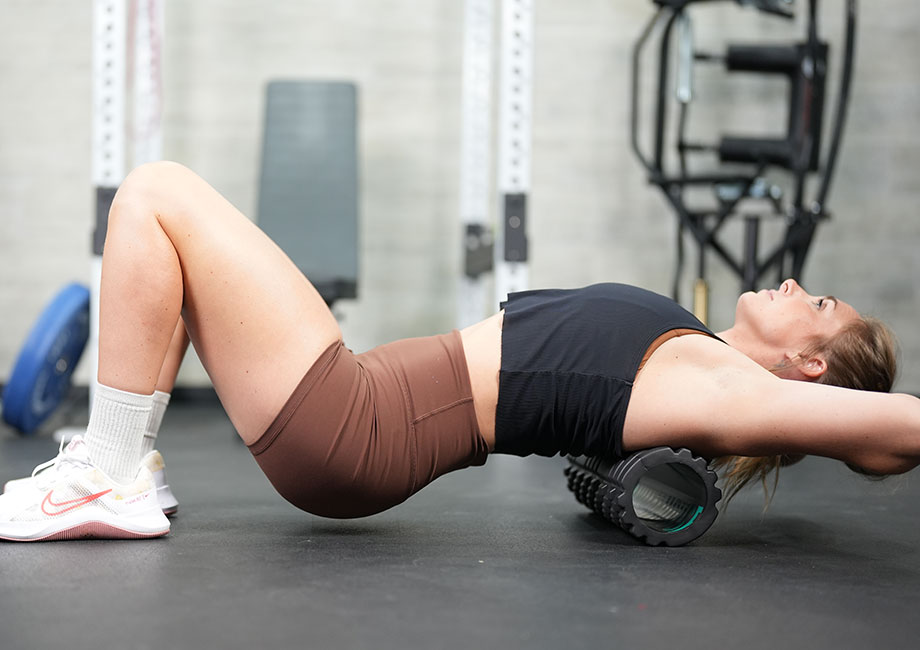
- Thoracic extensions over a foam roller
- Cat-cow with controlled breathing
- Thread-the-needle rotations
- Wall-supported thoracic extensions
Move slowly and avoid forcing range.
2. Strengthen the Upper Back and Scapular Muscles
Strong upper back muscles support posture and unload the neck.
Key exercises:
- Rows with pauses
- Face pulls
- Band pull-aparts
- Prone Y, T, and W raises
Focus on quality reps and full control.
3. Improve Neck Control and Endurance
The neck responds best to low-load, high-control training.
Drills:
- Chin tucks
- Isometric neck holds
- Supine head lifts with short ranges
- Controlled nodding patterns
Avoid aggressive stretching or heavy loading.
4. Fix Common Technique Errors
Small adjustments reduce unnecessary neck strain.
Pressing Movements
- Keep ribs stacked over pelvis
- Avoid craning the neck forward
- Let the head move naturally, not forcefully
Pulling Movements
- Initiate with the upper back, not the arms
- Maintain neutral neck alignment
- Avoid shrugging excessively
Gymnastics
- Maintain hollow positions
- Avoid leading with the head during kipping
5. Smart Movement Swaps While Pain Calms Down
Training does not need to stop when the neck or upper back is irritated.
Temporary Substitutions
- Instead of heavy overhead pressing → landmine presses or dumbbell work
- Instead of kipping pull-ups → strict pull-ups or ring rows
- Instead of high-rep barbell cycling → tempo lifts or reduced volume
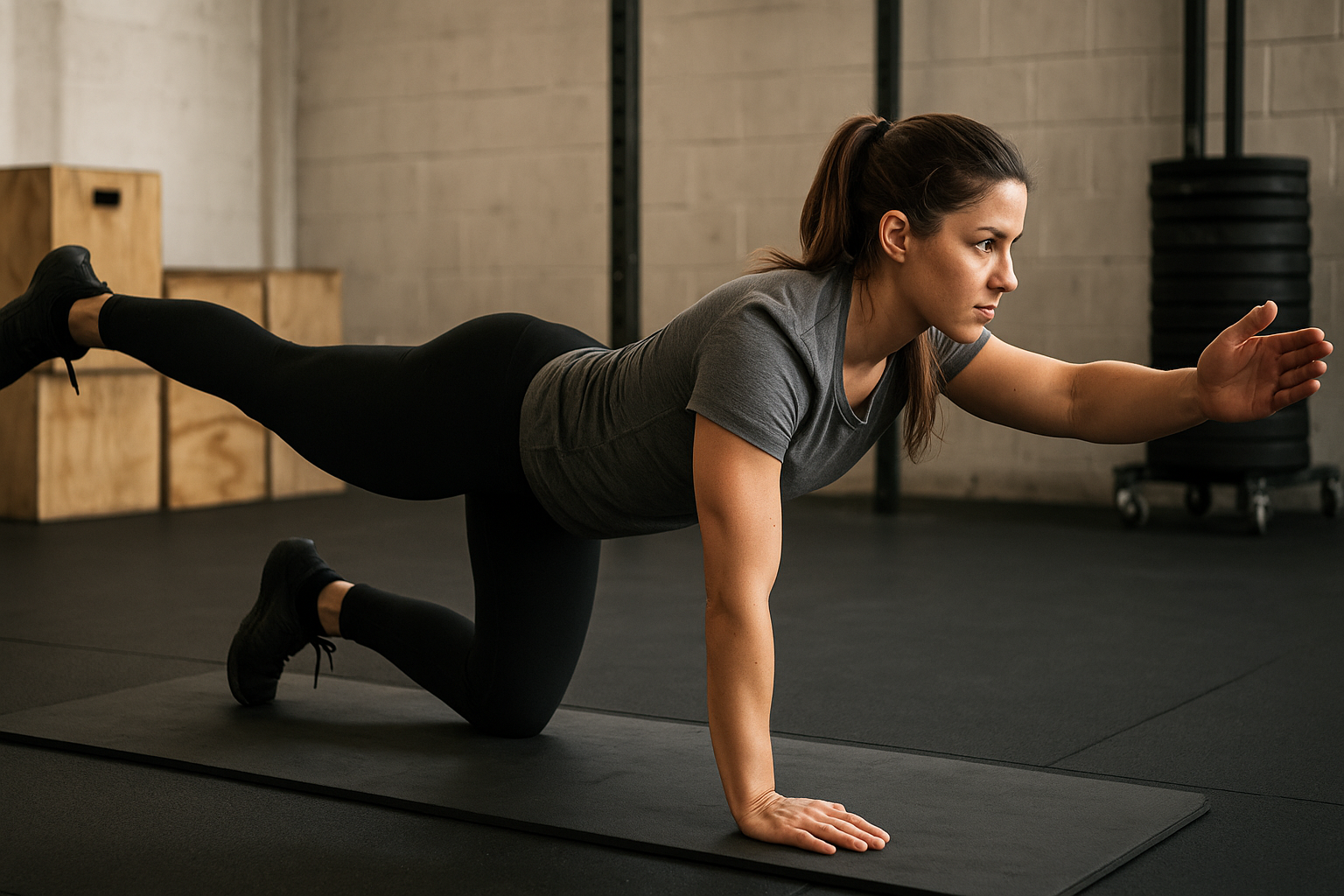
- Instead of long planks → dead bugs or side planks
These maintain strength while reducing strain.
6. Build Strength in Good Posture
Mobility without strength does not hold.
Once symptoms improve:
- Add tempo rows and presses
- Increase time under tension in postural holds
- Progress overhead work gradually
- Train posture under light fatigue
Strong positions create durable movement.
The Bottom Line
Strong, pain-free neck and upper back function improves everything from shoulder health to breathing and lifting performance.
When posture improves and the upper back does its job, the neck no longer has to compensate. Train these areas with intention, and daily tension and training discomfort often fade together.