Understanding Energy Systems to Train Smarter and Perform Better
Understanding energy systems helps athletes train with better intent, pace workouts effectively, and build balanced strength and conditioning over time.
By
January 23, 2026
Every training session places demands on the body’s energy systems. Whether an athlete realizes it or not, how they pace, load, and approach a workout determines which systems are being trained and how effectively.
Understanding energy systems is not about memorizing physiology terms. It is about recognizing why certain workouts feel sustainable, why others fall apart quickly, and how to apply effort in a way that improves overall fitness rather than just surviving the session.
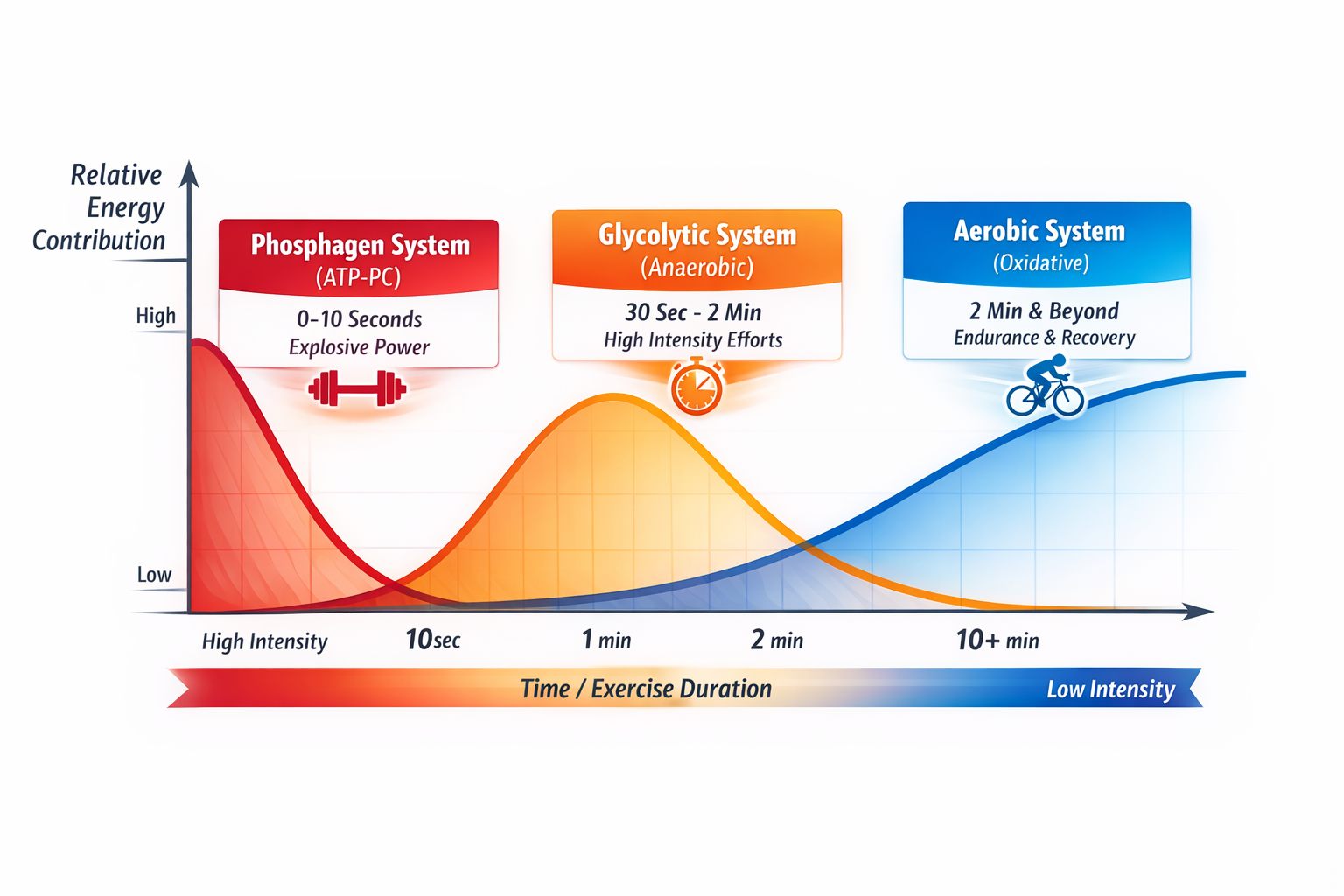
Human performance relies on three overlapping energy systems. They are always working together, but their relative contribution changes based on intensity and duration.
The phosphagen system supports very short, high-power efforts. Think heavy lifts, jumps, or brief sprints. This system delivers energy quickly but depletes rapidly.
The glycolytic system fuels moderate to high-intensity efforts lasting from roughly thirty seconds to a few minutes. This is where many workouts feel uncomfortable. Breathing spikes, muscles burn, and pacing becomes critical.
The aerobic system supports longer-duration, lower-to-moderate intensity work. It is also responsible for recovery between harder efforts. A well-developed aerobic system allows athletes to repeat efforts more effectively and recover faster both within and between sessions.
A common training mistake is unintentionally pushing glycolytic intensity when the goal is something else.
For example, workouts meant to build aerobic capacity often turn into threshold efforts because athletes start too fast. Sessions intended to develop power become conditioning workouts due to short rest and rushed reps.
Without awareness of energy systems, athletes default to effort levels that feel familiar rather than those that serve the intended adaptation.
Training smarter means aligning effort with purpose.
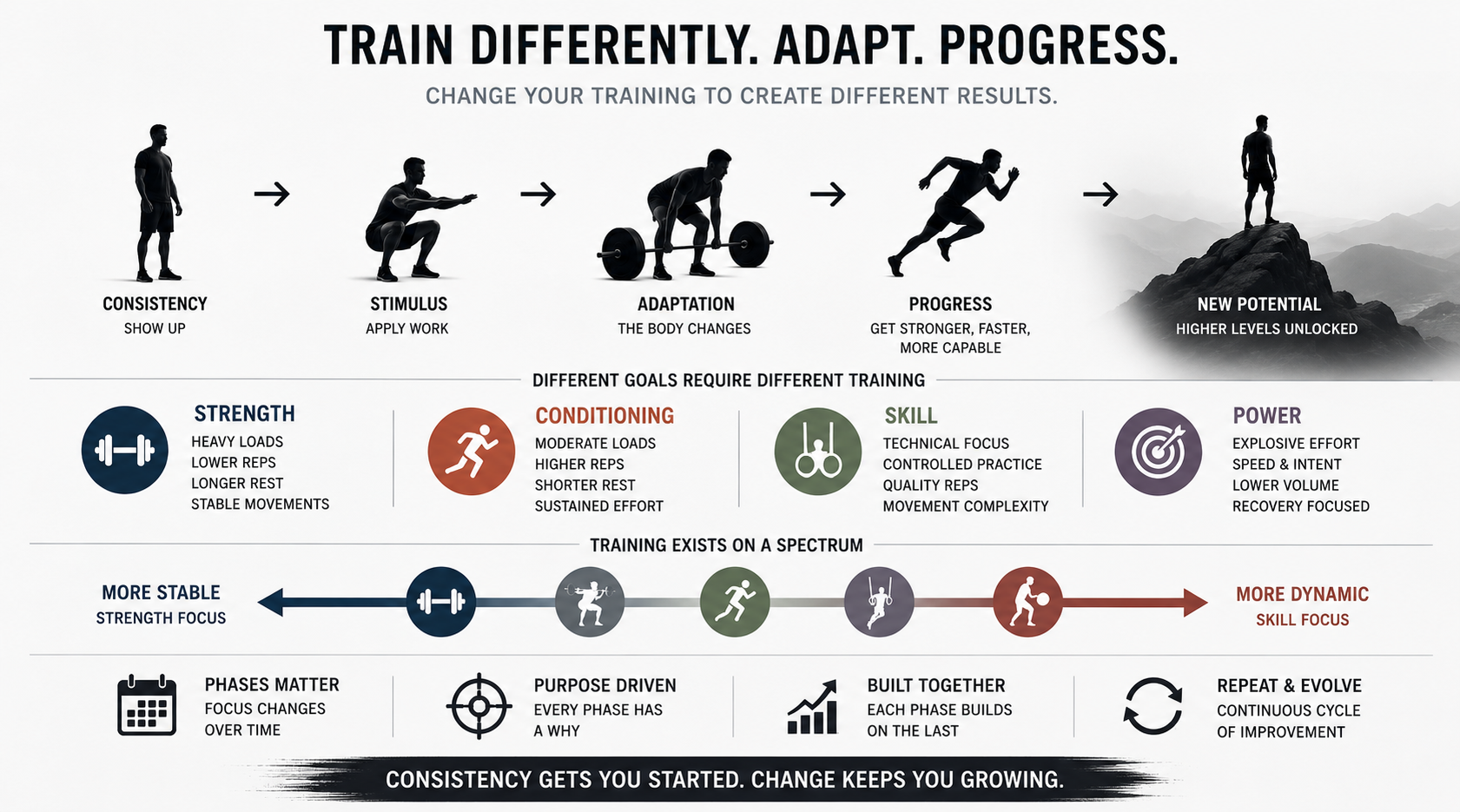
If the goal is power or strength, efforts should be short, crisp, and fully recoverable. Fatigue should not blur technique or output.
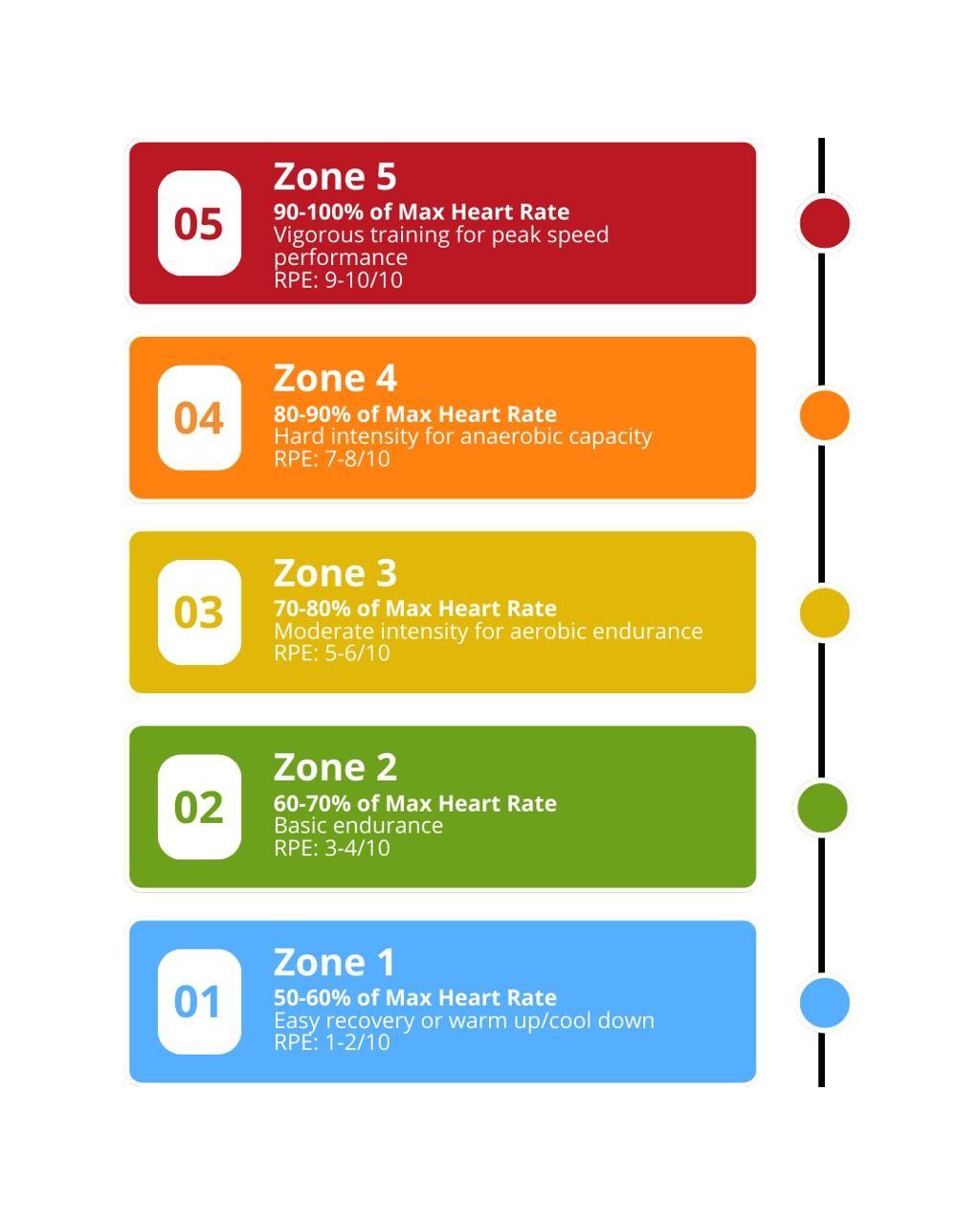
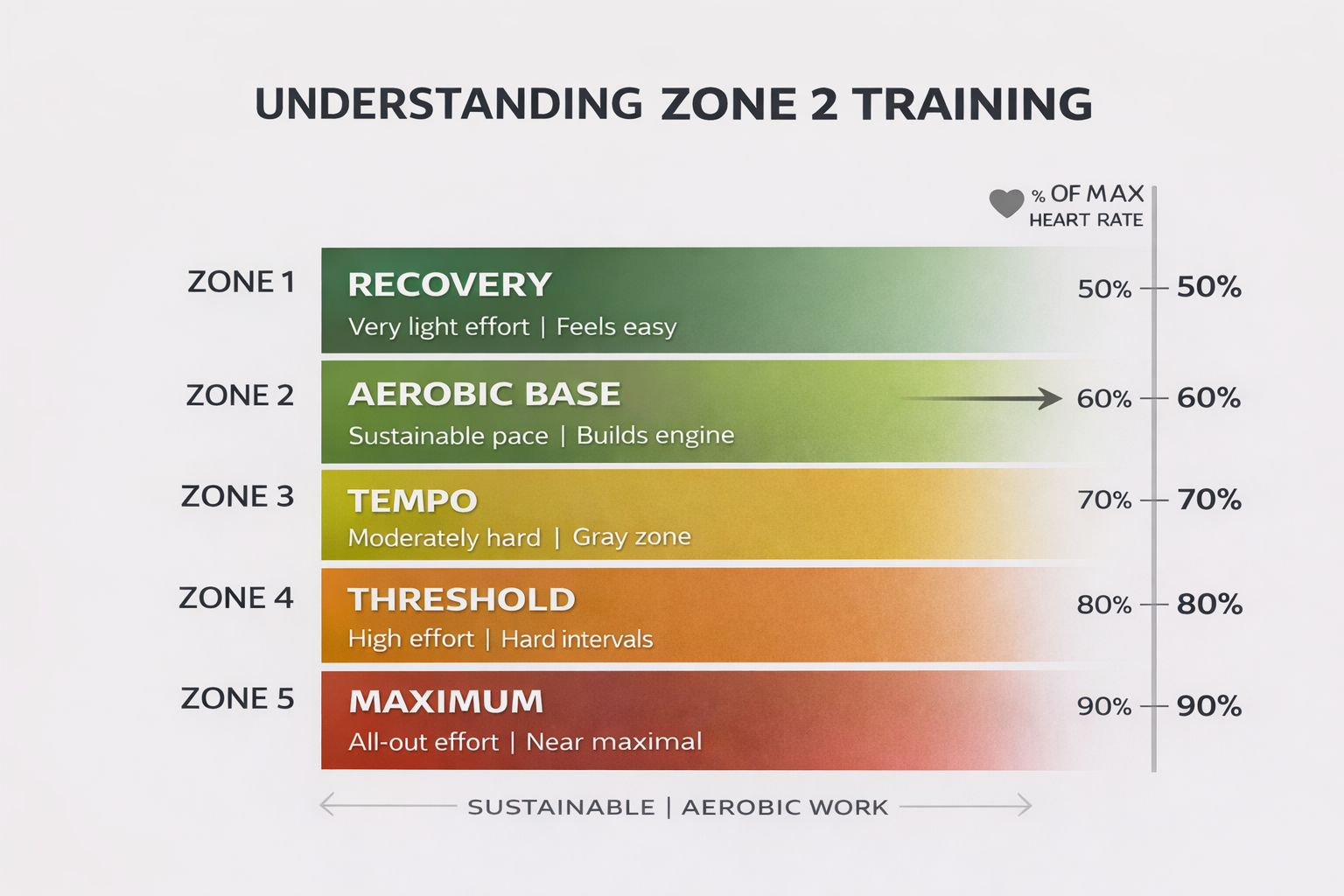
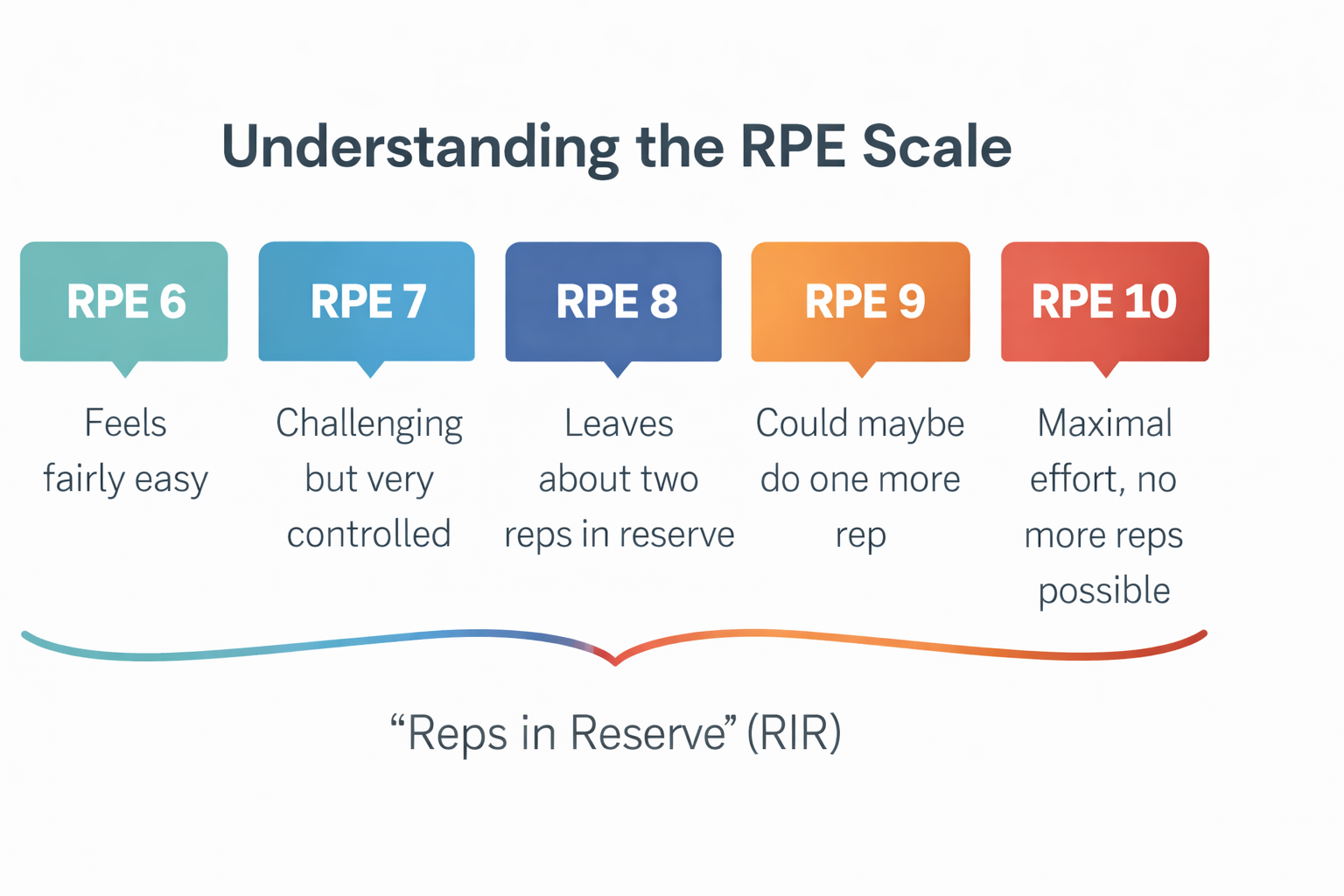
If the goal is aerobic development, intensity should feel sustainable. Breathing should be elevated but controlled. The athlete should finish feeling worked, not wrecked.
If the goal is glycolytic capacity, discomfort is expected, but pacing still matters. Going out too hard often limits total quality work and reduces the training effect.
Understanding which system you are targeting helps determine how fast to move, how heavy to load, and how long to rest.
Many athletes undervalue aerobic development because it does not feel dramatic.
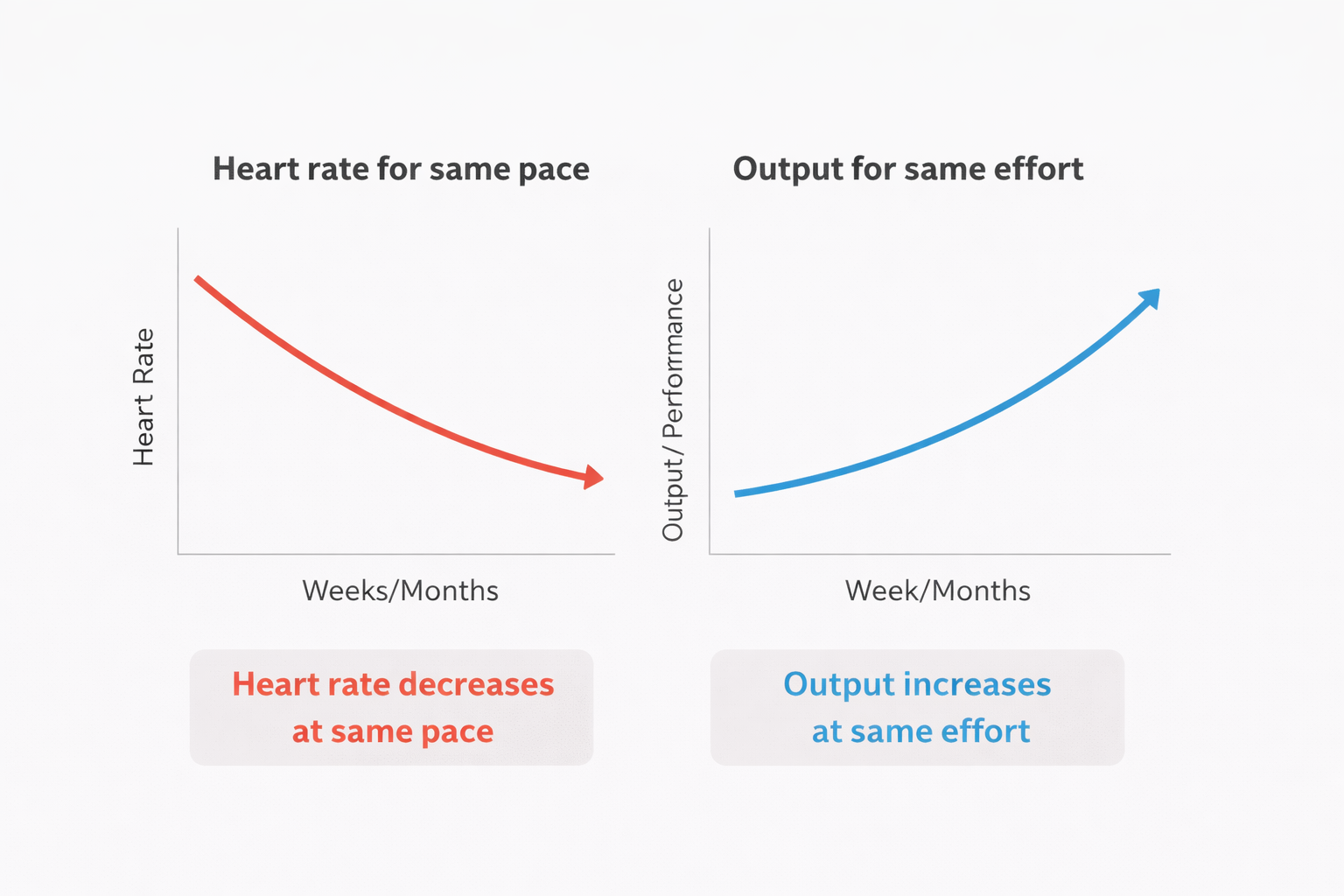
In reality, the aerobic system supports everything else. It improves recovery between sets, between intervals, and between training days. Athletes with strong aerobic capacity tolerate higher volumes of strength and conditioning work with fewer setbacks.
Building the aerobic system requires patience and restraint. Sessions often feel easier than expected, but their impact accumulates over time.
Fitness is not built by constantly testing limits. It is built by developing each system intentionally and allowing adaptations to stack.
When athletes repeatedly train only one intensity range, progress stalls and fatigue accumulates. Balanced development across energy systems produces athletes who are not only fit, but adaptable.
This adaptability is what allows athletes to handle varied demands, recover efficiently, and continue improving year after year.
Athletes do not need to redesign programs to train energy systems more effectively.
Small adjustments in intent often create large improvements in outcomes.
Understanding energy systems gives athletes context for their effort. It replaces guesswork with intention. When training aligns with the demands of the energy system being targeted, sessions become more effective, recovery improves, and fitness becomes broader and more durable.