Why Cross-Training Makes You a Better Athlete
Cross-training improves performance, reduces injury risk, and builds well-rounded fitness. Learn why training across modalities leads to better long-term results.
By
April 10, 2026

It is easy to fall into the trap of doing the same type of training over and over.
You find what you are good at, what you enjoy, or what feels productive, and you stick with it.
Consistency is important, but when training becomes too narrow, progress slows.
Cross-training is what keeps athletes improving over time. It develops a broader base of fitness and helps avoid the limitations that come from doing the same thing repeatedly.
Cross-training is not random variety.
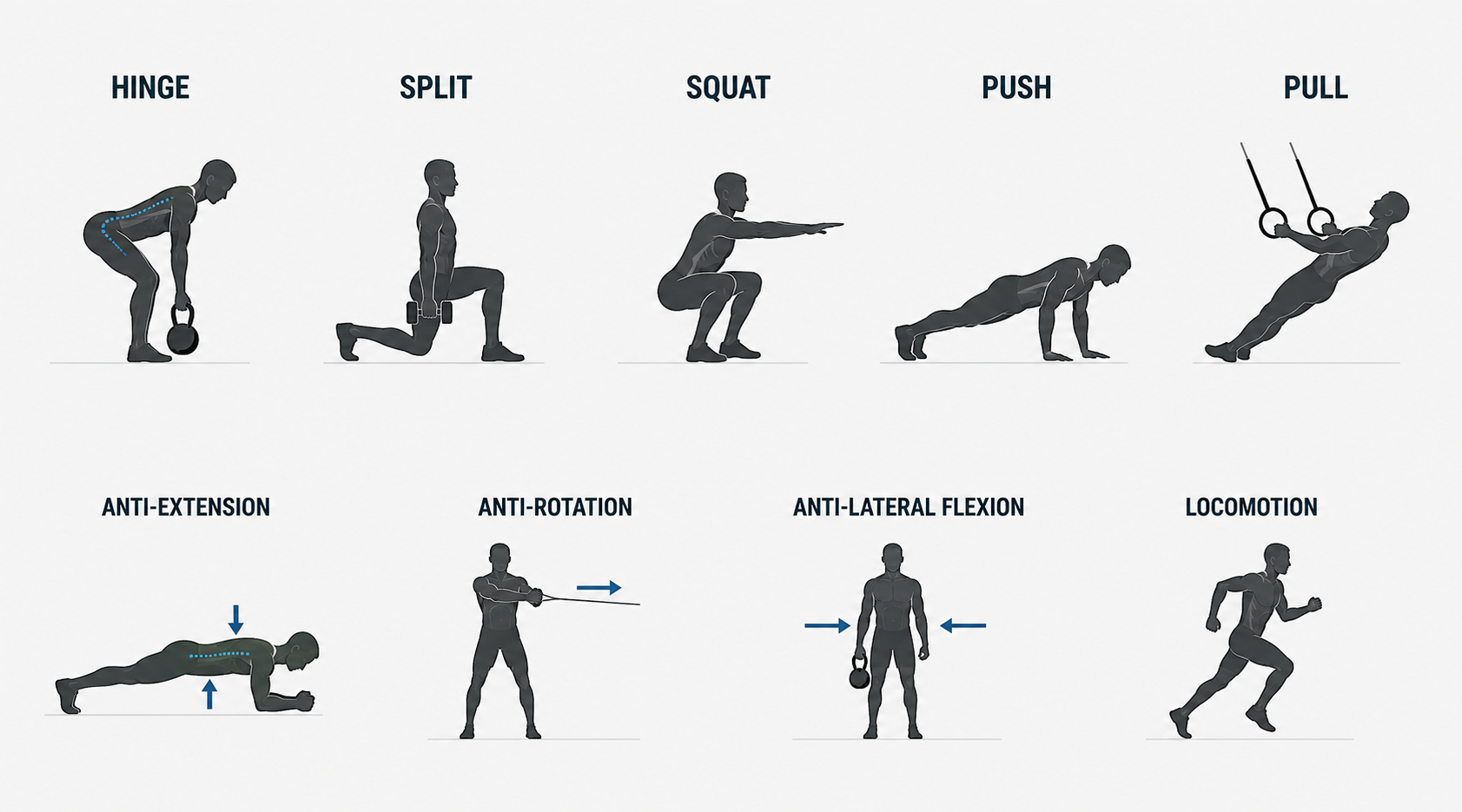
It is the intentional use of different movements, modalities, and intensities to build a more complete athlete.
This can include:
The goal is not to do everything. It is to develop what you are missing.
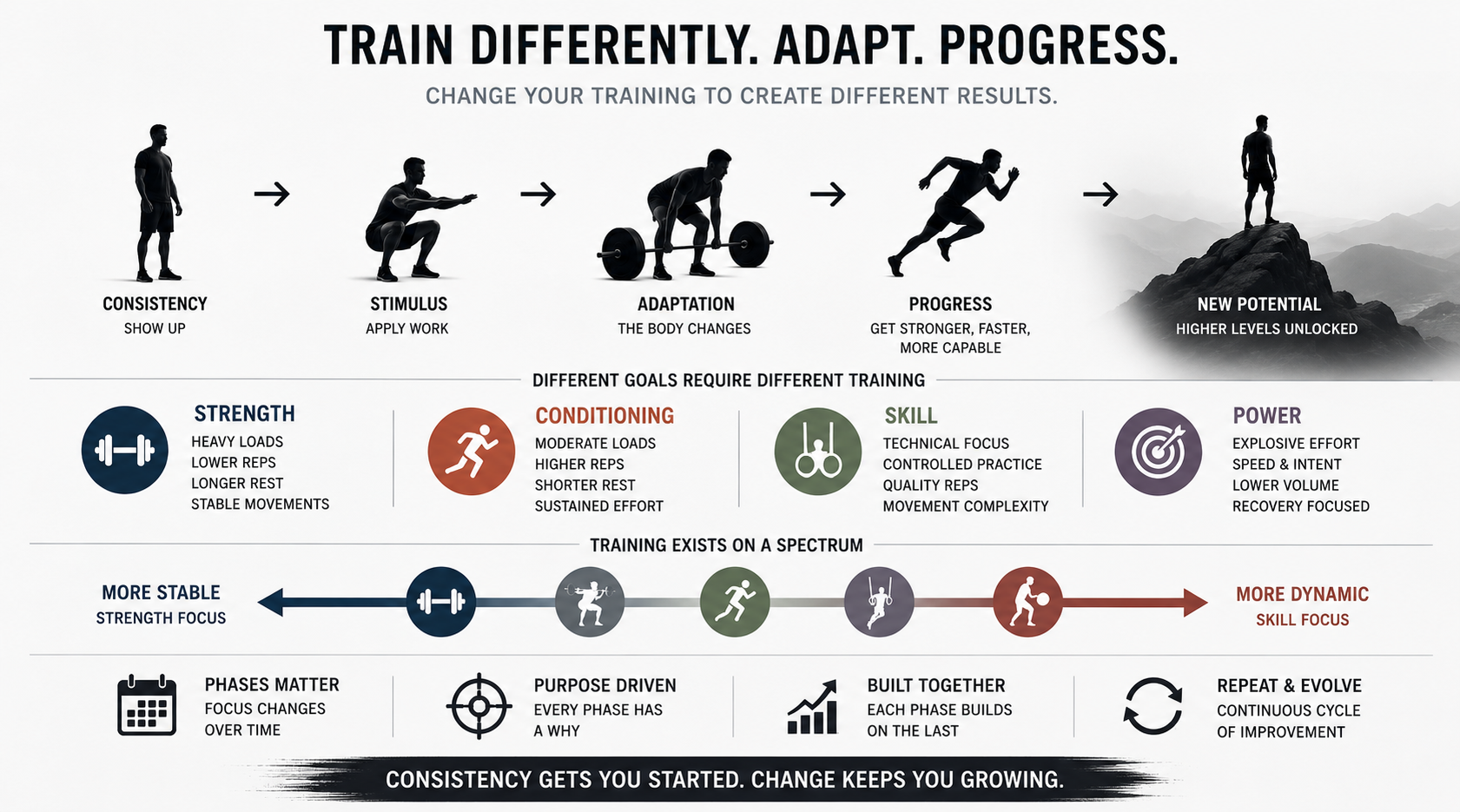
The body adapts quickly.
When the same stimulus is repeated over and over:
You may still feel like you are working hard, but the return on that effort decreases.
Cross-training introduces new demands that force the body to continue adapting.
Fitness is not one-dimensional.
It includes:
Focusing too heavily on one area creates gaps in others.
Cross-training helps close those gaps.
When multiple qualities are developed together, overall performance improves.
Cross-training is already built into your program.
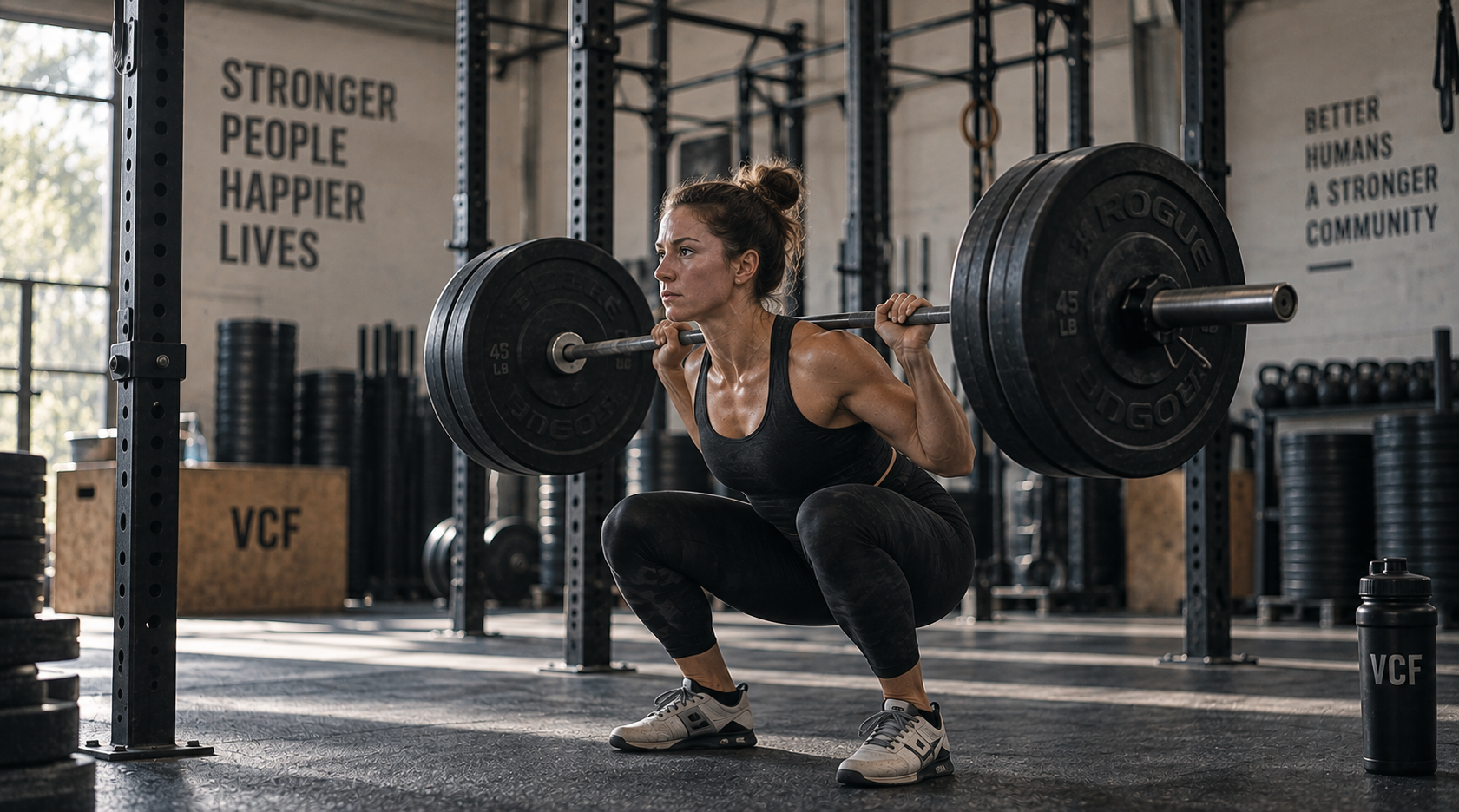
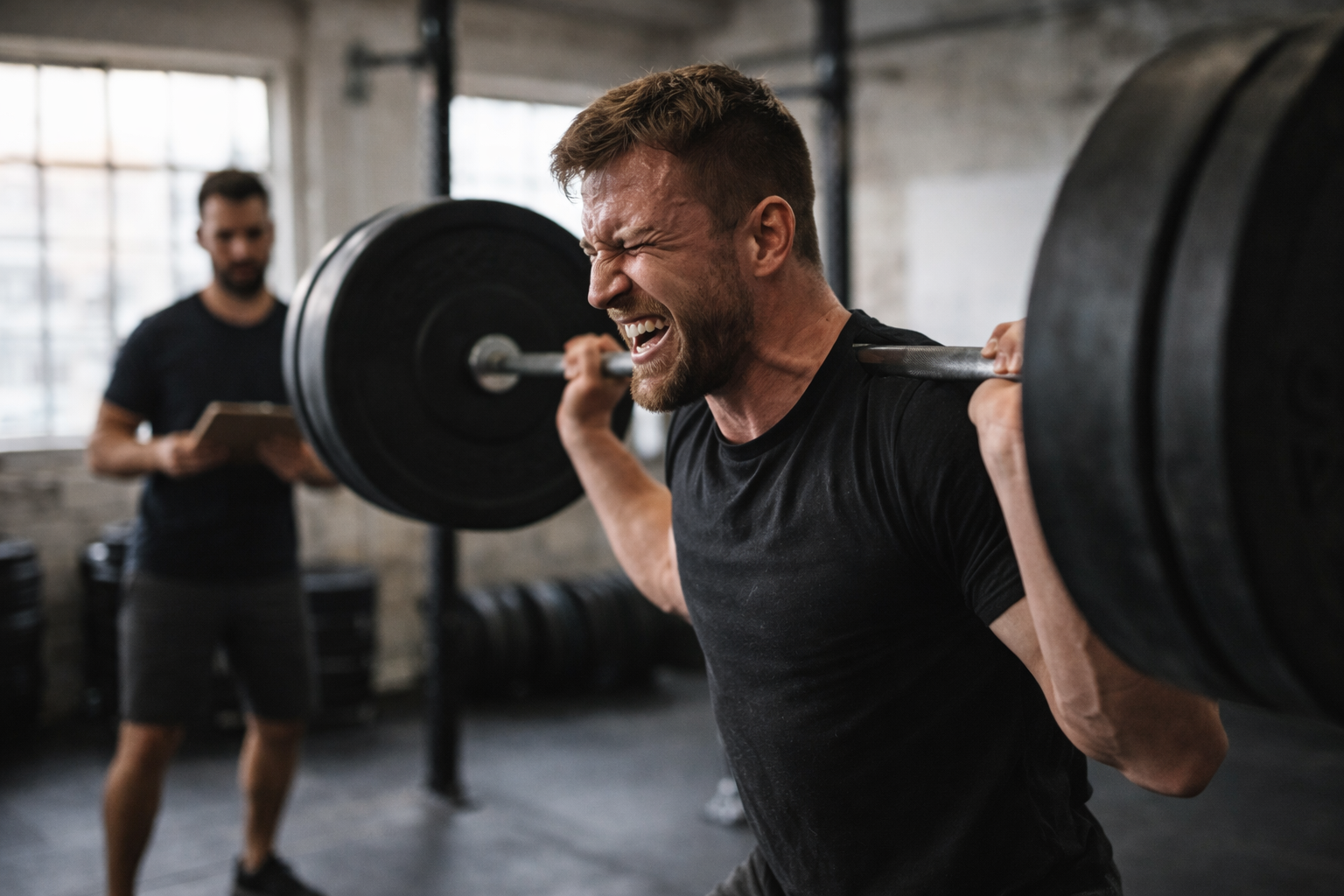
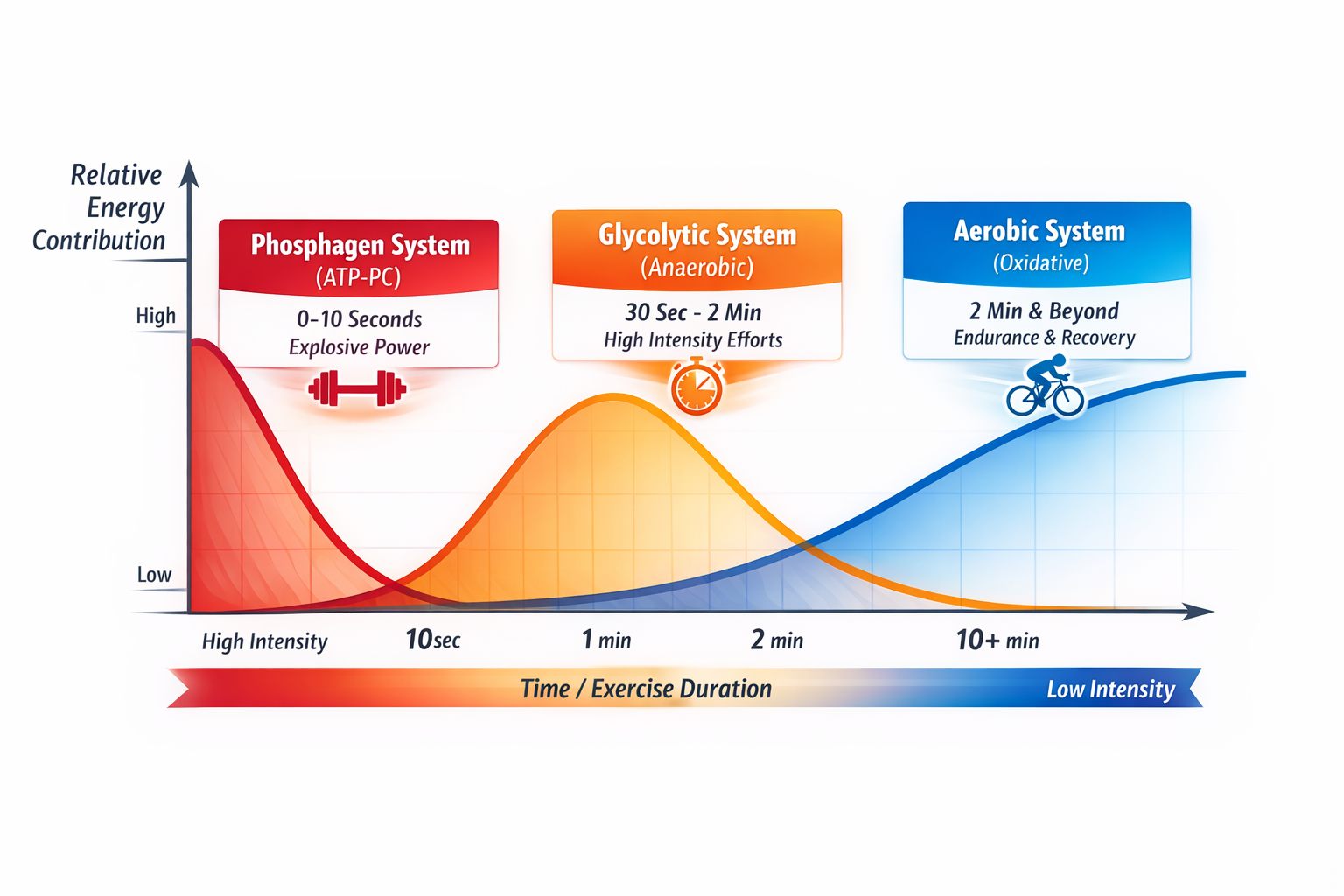
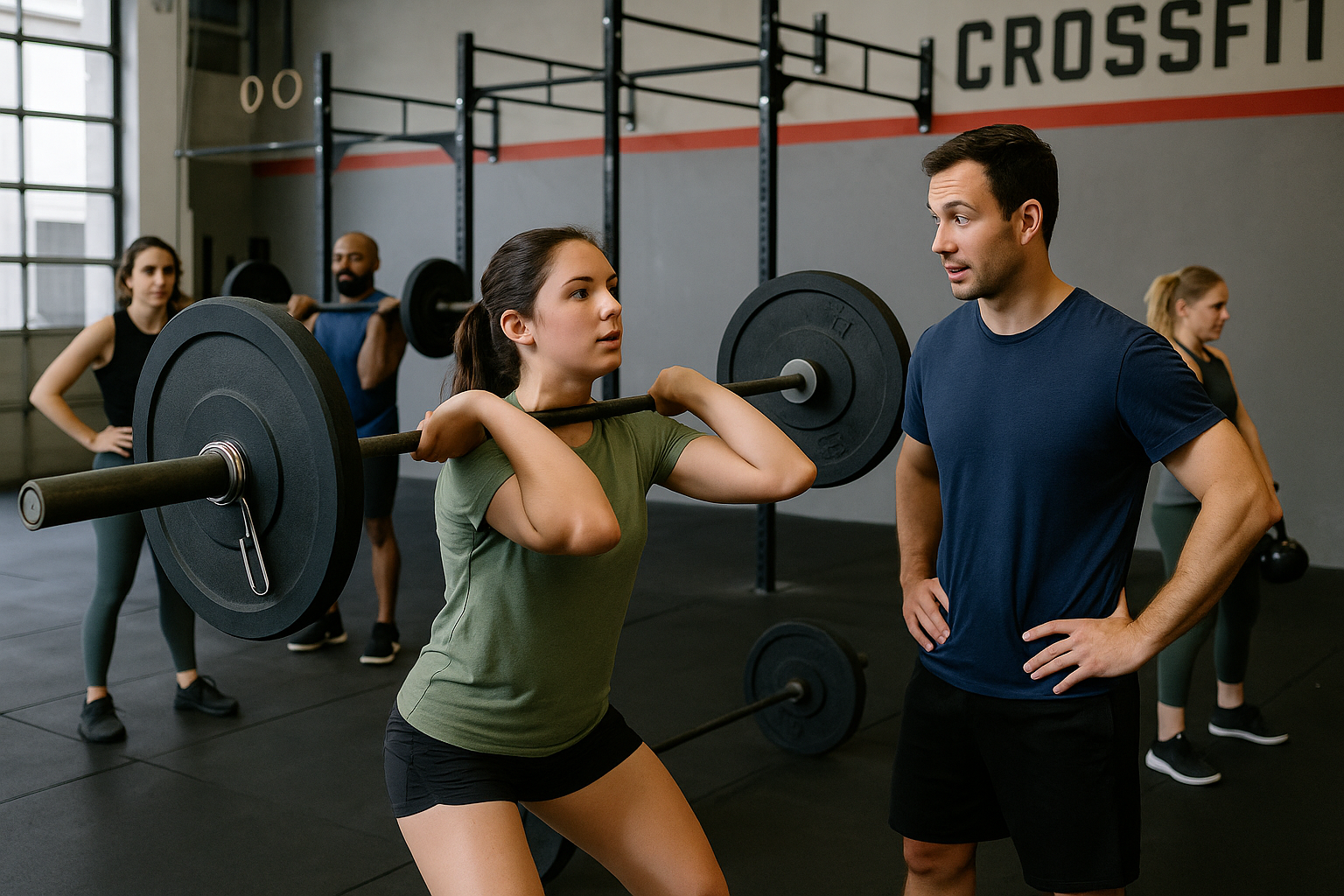
Some days focus on strength.
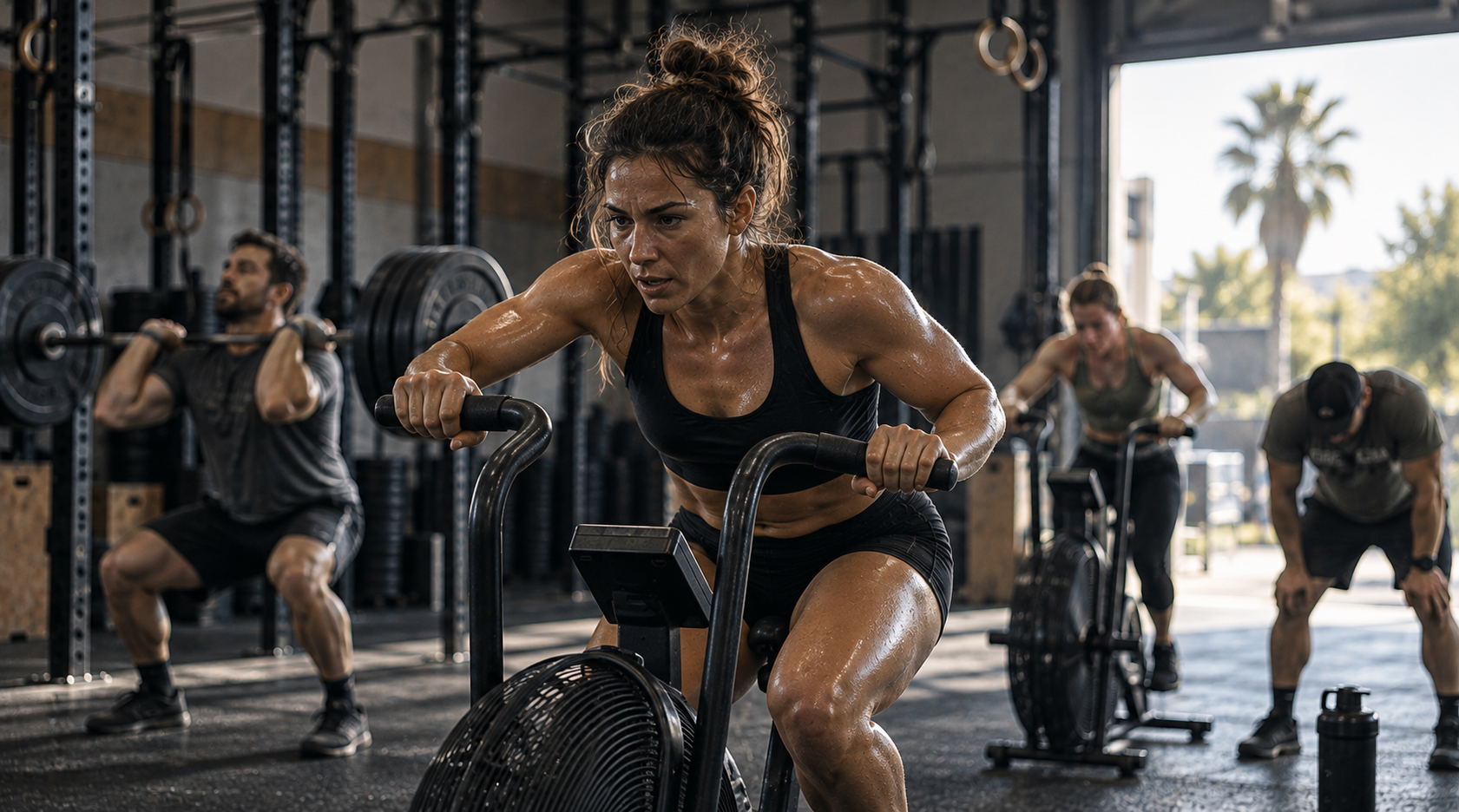
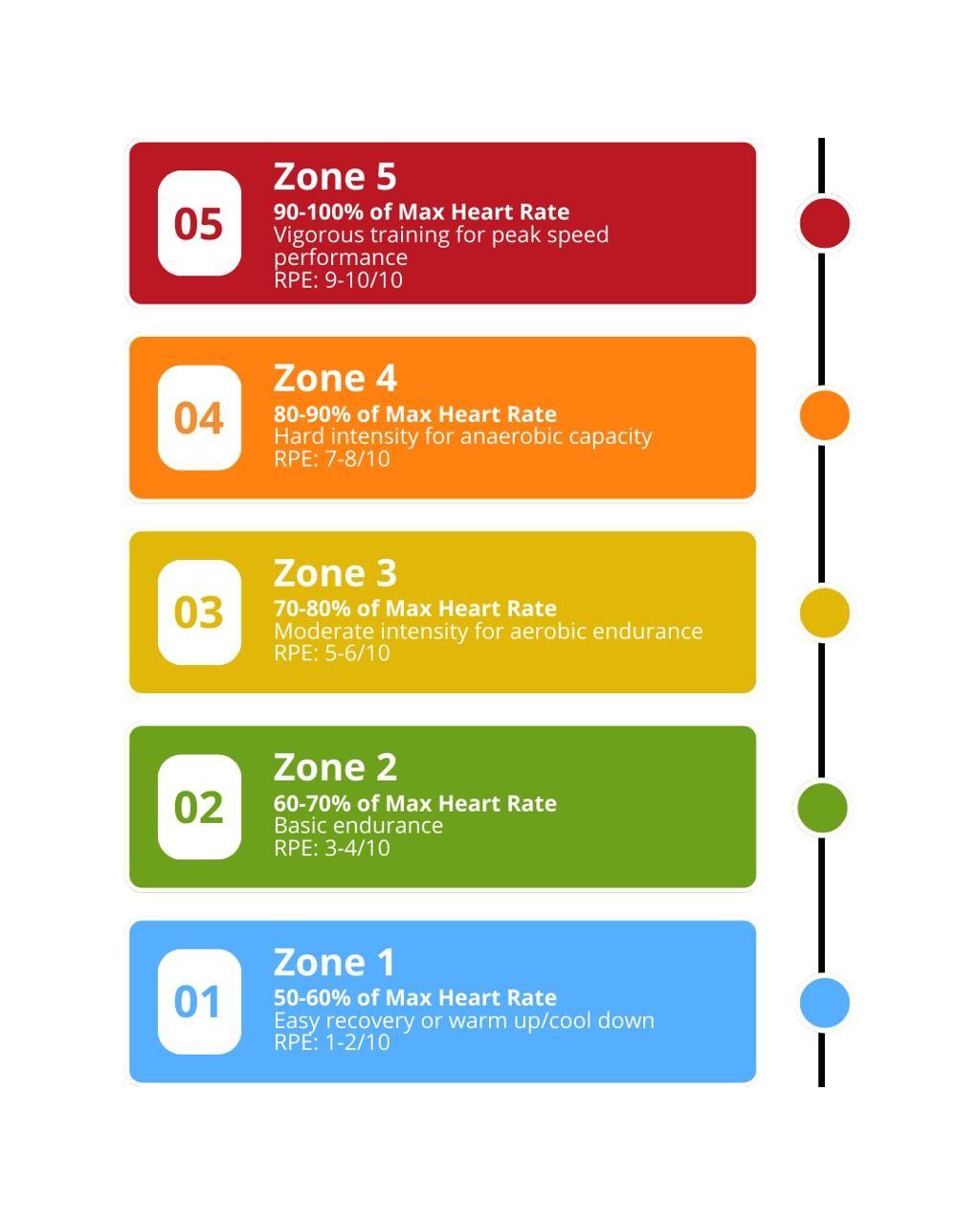
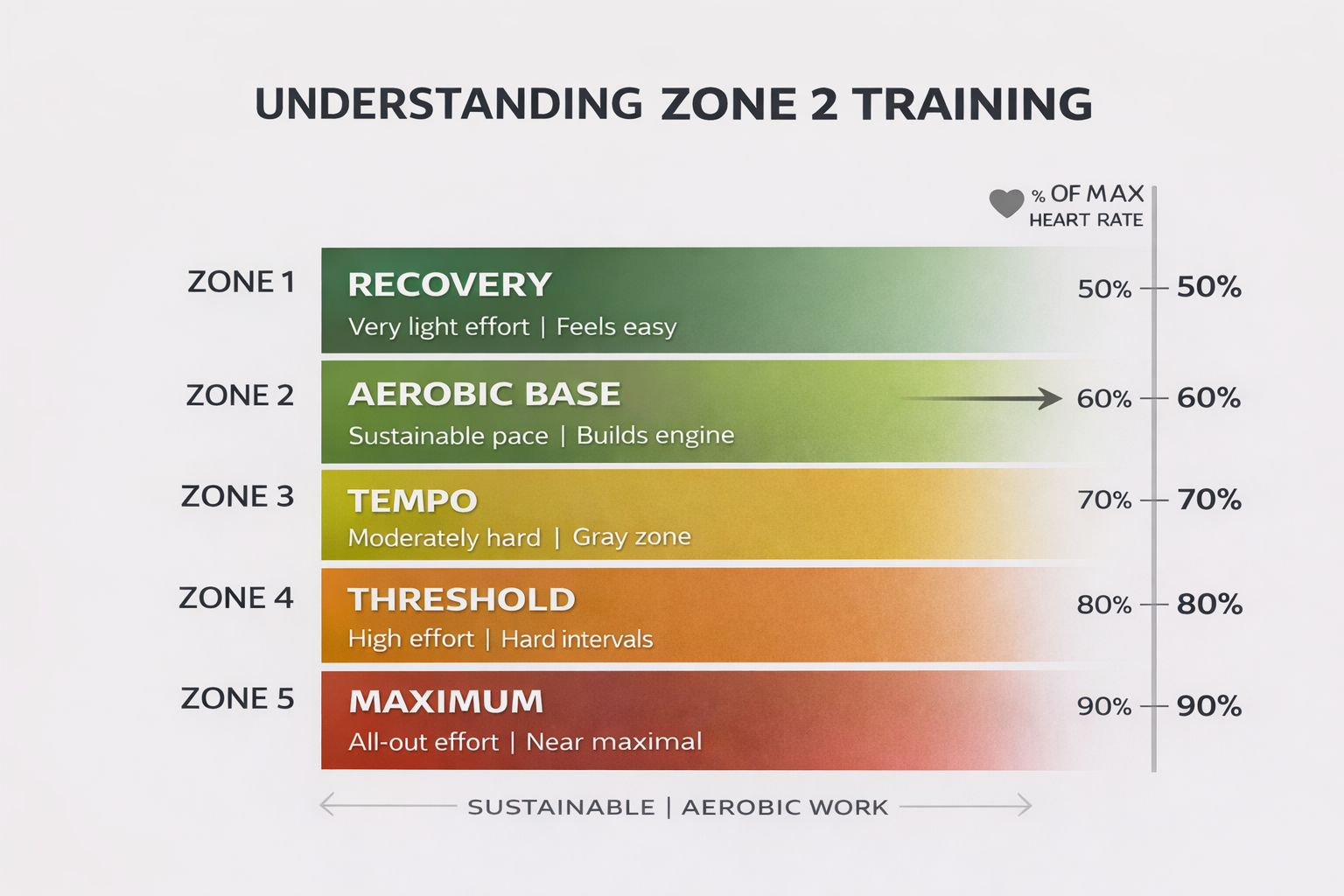
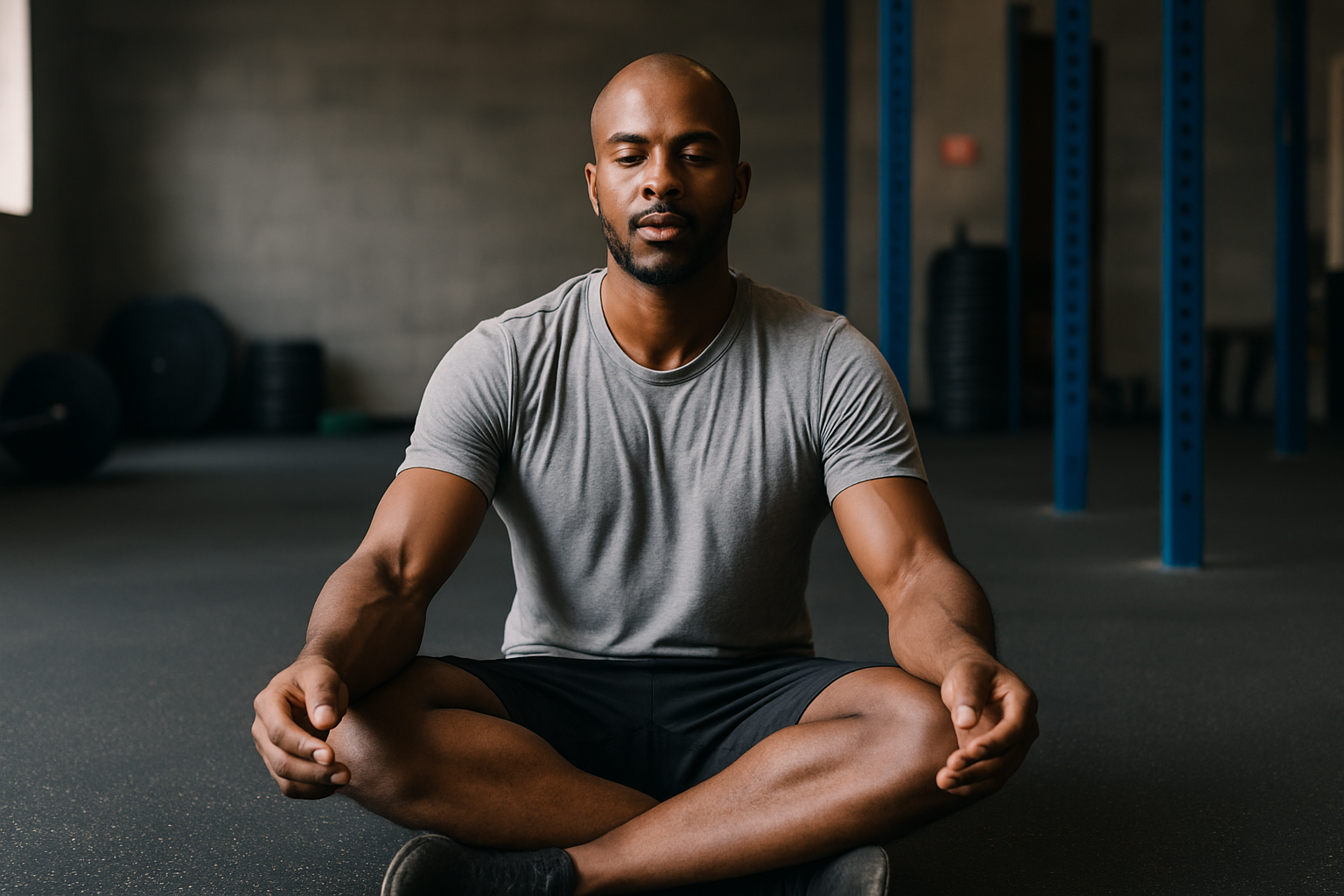
Some focus on aerobic work.
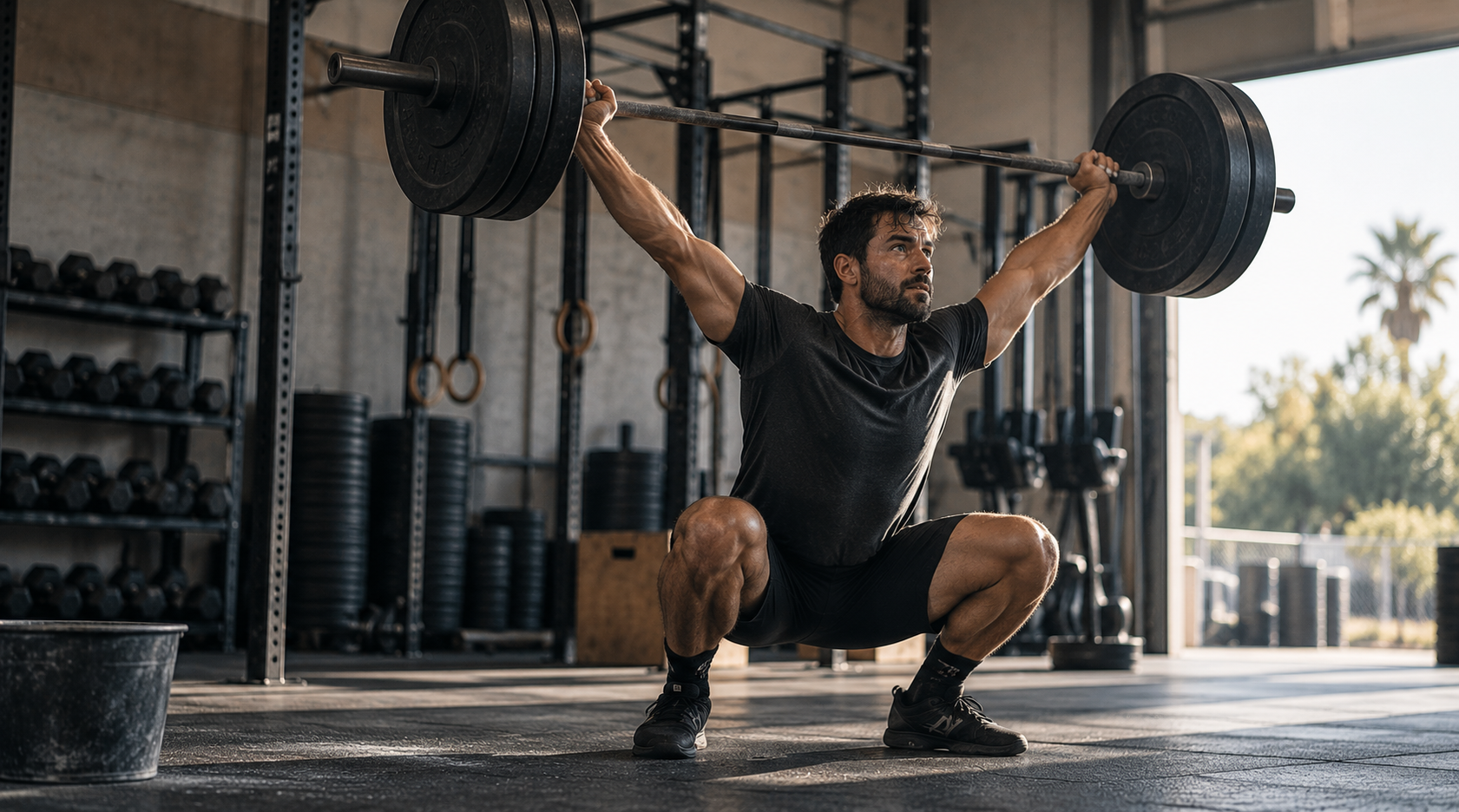
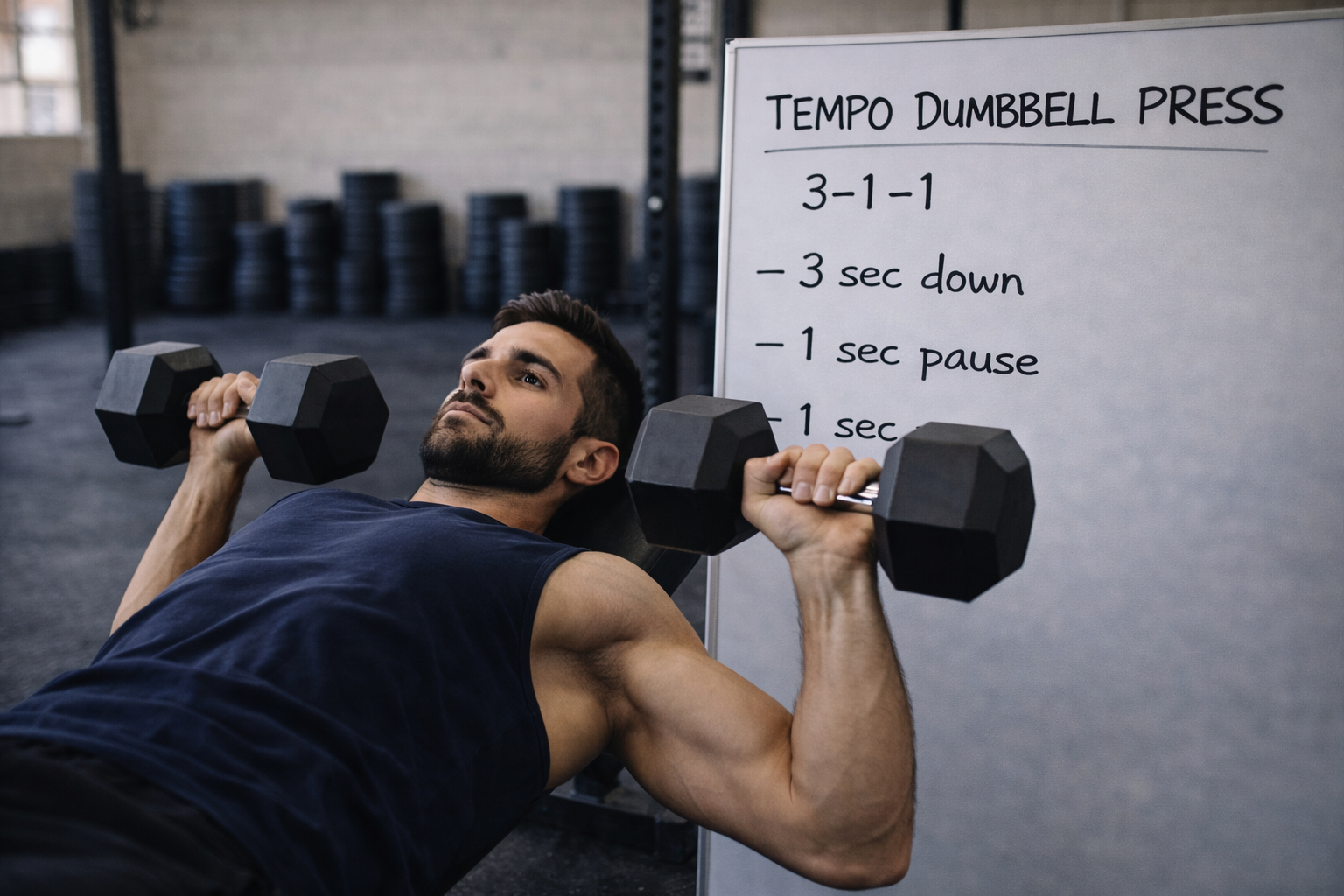
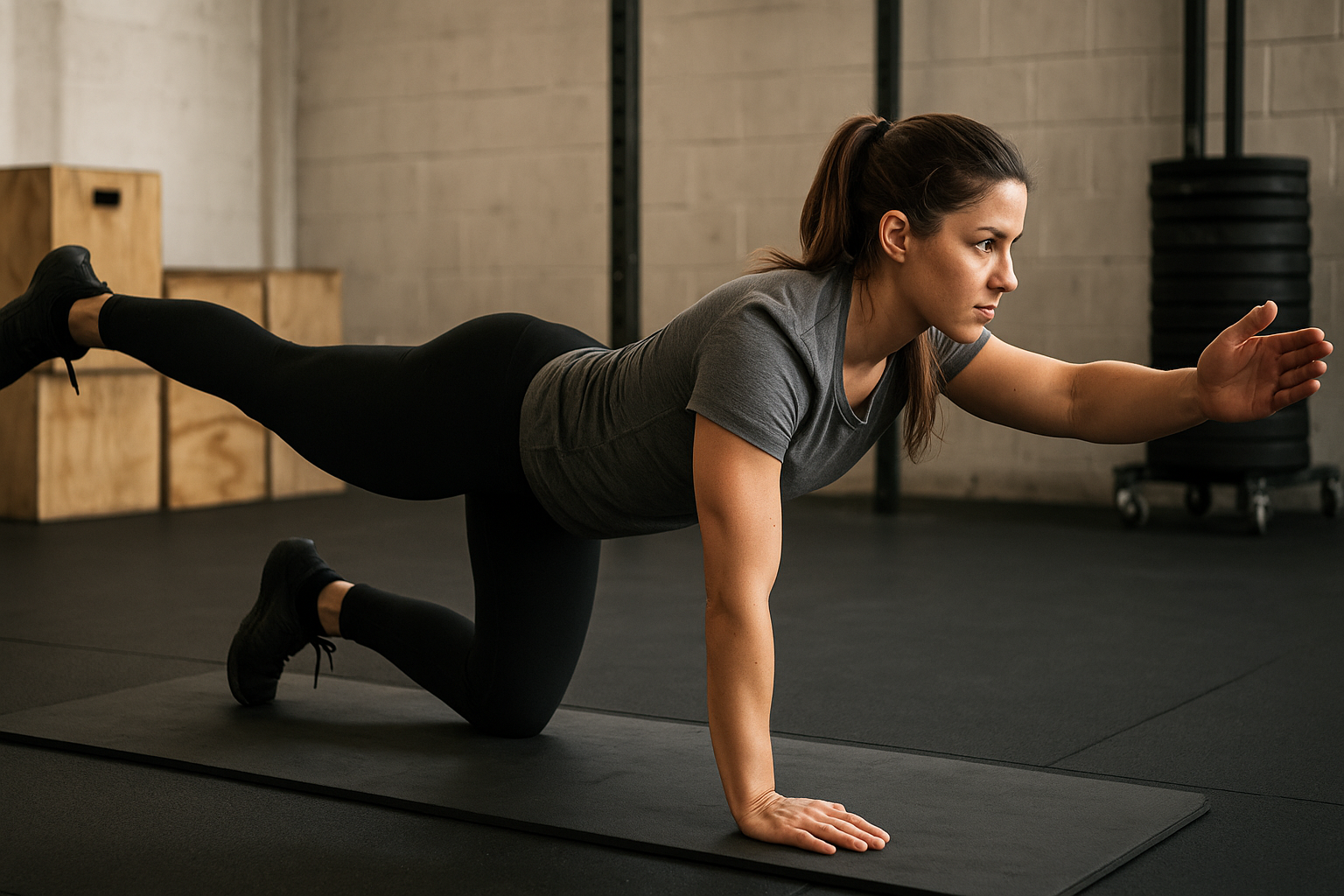
Some emphasize pacing, control, or skill.
Each piece is designed to develop a different quality.
Together, they create a more complete system.
Not every session will feel like it directly improves your favorite movement or strength.
That can be frustrating.
But progress often comes from indirect improvements.
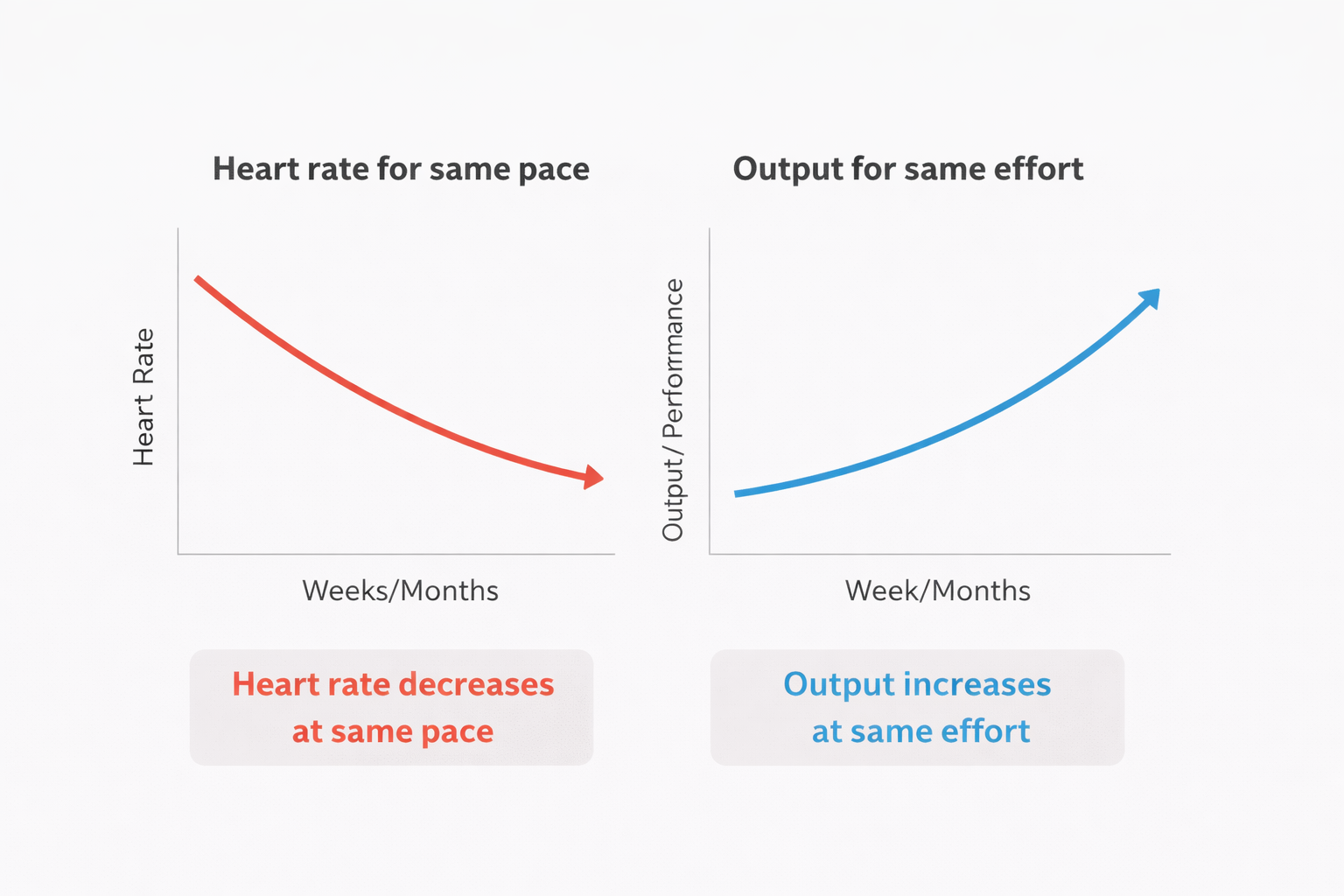
Better aerobic capacity improves your recovery.
Better control improves your efficiency.
Better strength improves your output.
These all carry over, even if it is not immediately obvious.
Repetition without variation is one of the fastest ways to create problems.
Doing the same movements with the same loading patterns can:
Cross-training distributes that stress.
It allows different tissues and systems to work while others recover.
Athletes who only train one way often plateau.
Athletes who train across multiple domains:
The goal is not just short-term performance.
It is long-term development.
Training is not about doing what feels best every day.
It is about doing what builds you over time.
Cross-training ensures that no single weakness limits your progress.
It creates balance, resilience, and adaptability.
You do not get better by only doing what you are good at.
You get better by developing what you are not.
Cross-training is how that happens.
It may not always feel direct, but it is one of the most effective ways to build lasting fitness.