Training vs Competing Why They Are Not the Same
Training and competing require different approaches. Learn when to push hard, when to hold back, and how to get more from your workouts.
By
April 7, 2026

Most athletes treat every workout like it is a competition.
They push the pace, chase the clock, and try to outperform everyone around them. Effort is high, intensity is high, and every session feels like it matters.
On the surface, this seems like a good thing.
But over time, it becomes one of the biggest reasons progress stalls.
Training and competing are not the same. Understanding the difference is what allows athletes to improve consistently instead of burning out or plateauing.
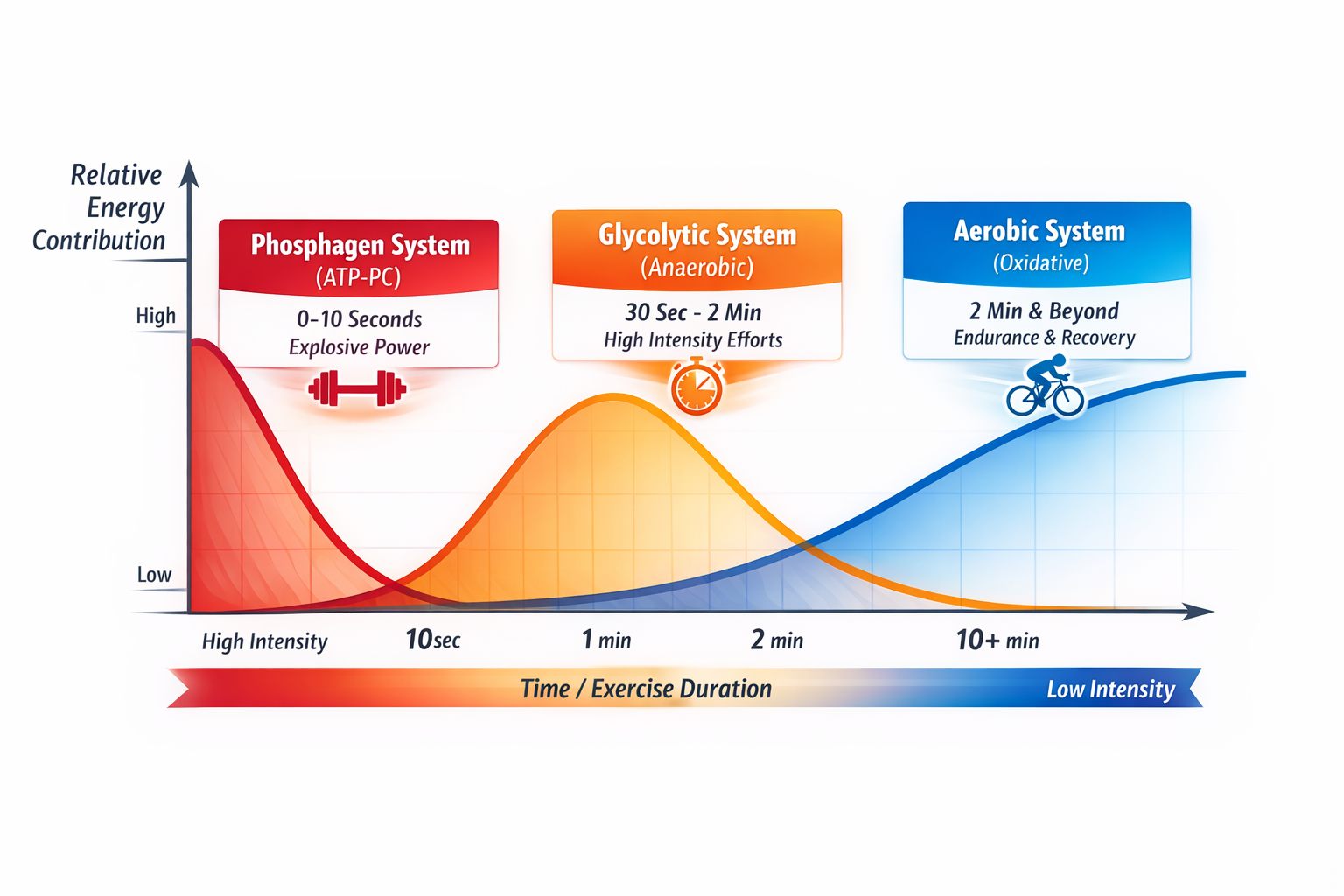
Competing is about maximizing performance in a single moment.
The goal is to:
Execution matters, but the priority is output.
This is appropriate in:
Competing has a place. It just should not be every day.
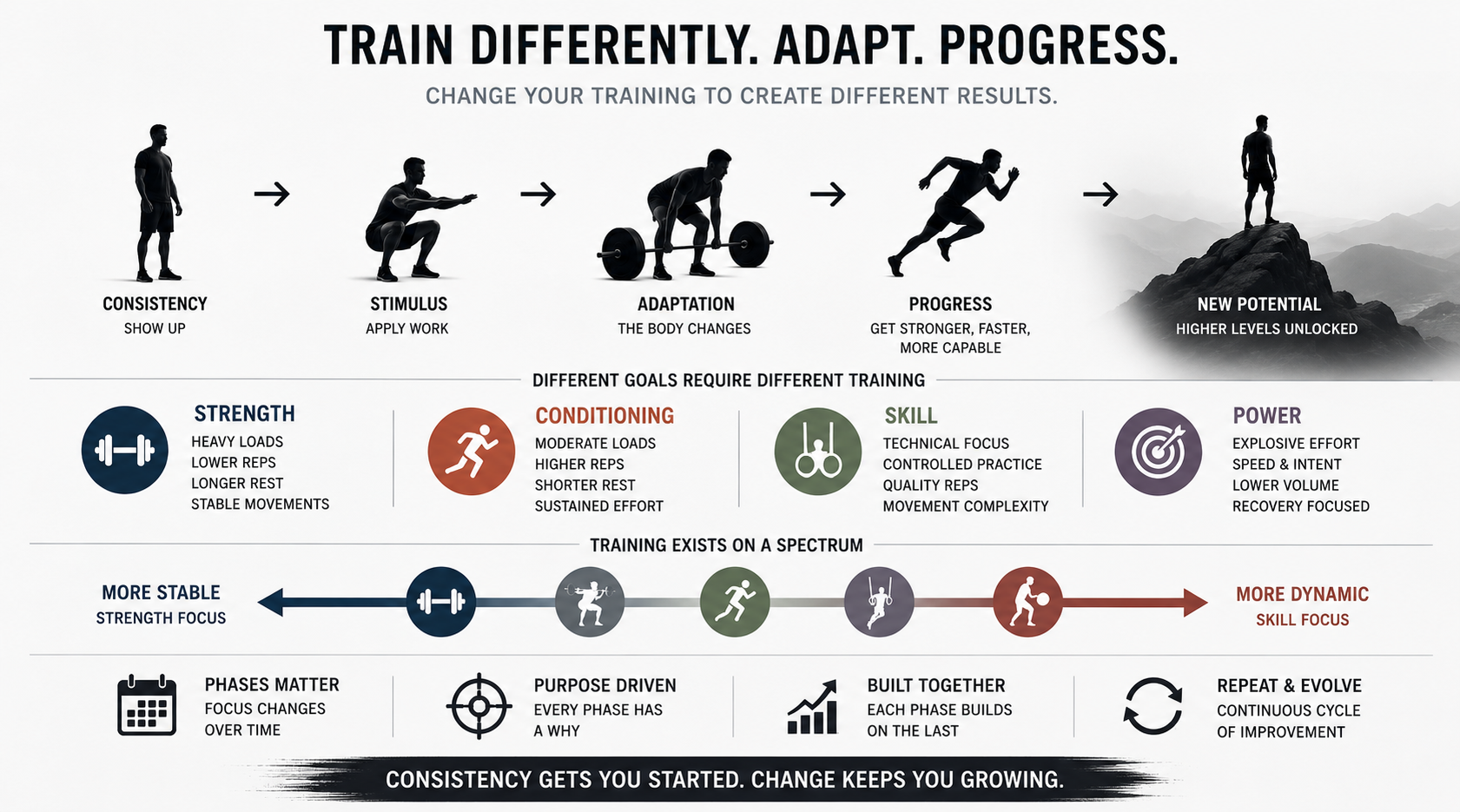
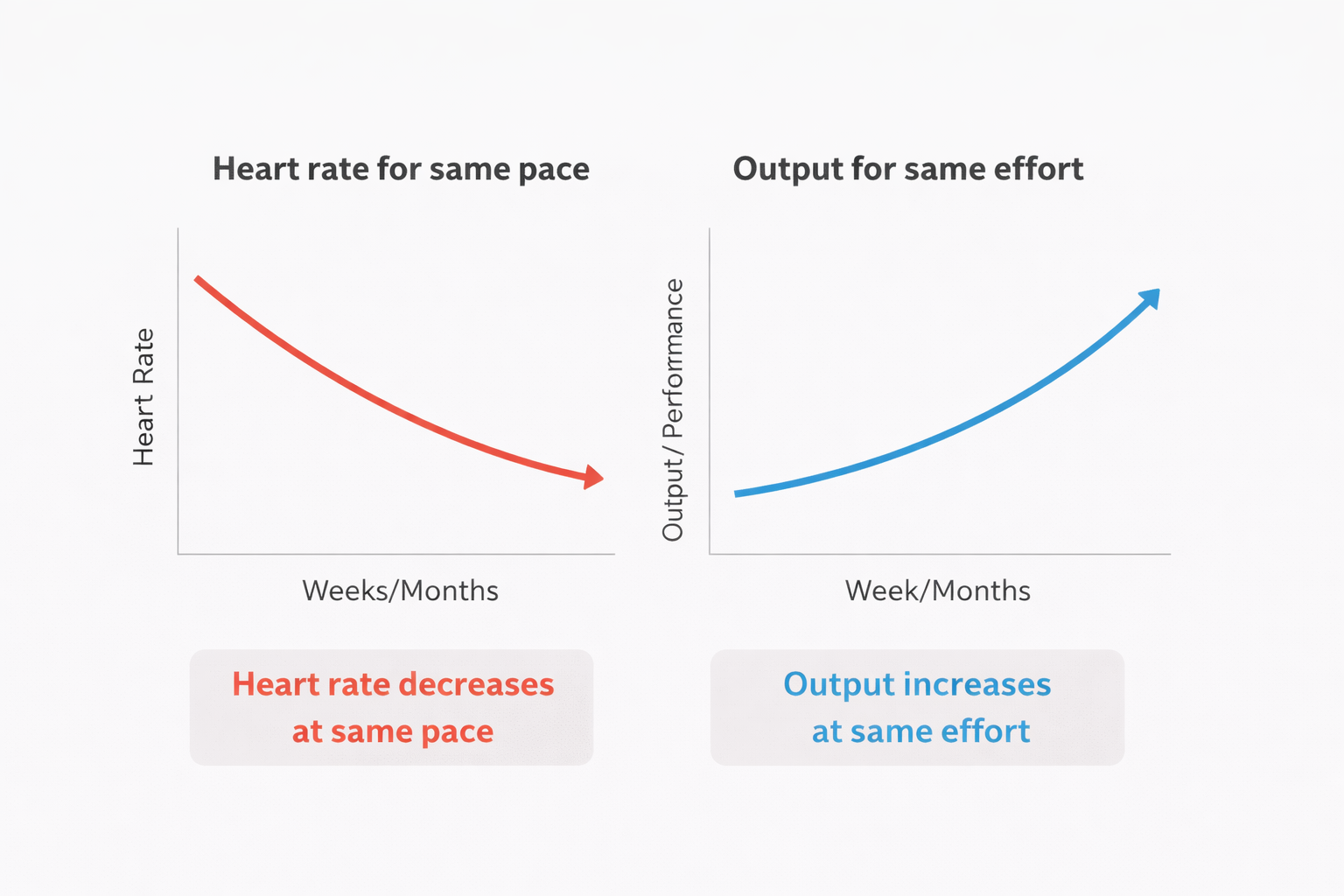
Training is about building capacity over time.
The goal is to:
This means:
Training is not about proving what you can do. It is about building what you will be able to do.
When every workout becomes a competition:
You may feel like you are working hard, but you are not always getting better.
Instead of building capacity, you are constantly testing it.
For many athletes, holding back feels like losing.
If someone next to you is moving faster or lifting heavier, it is natural to want to match or beat them.
But that comparison ignores the purpose of the workout.
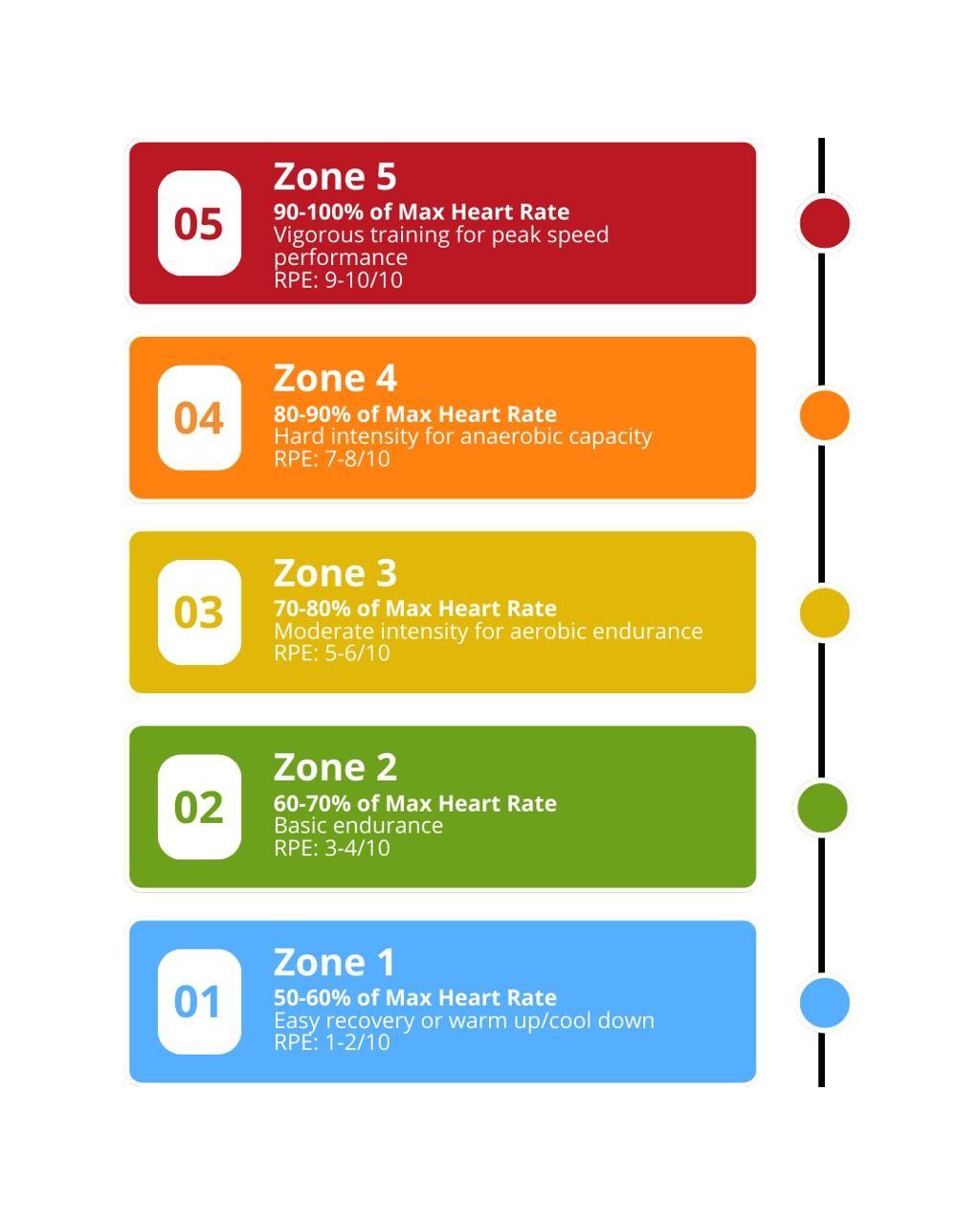
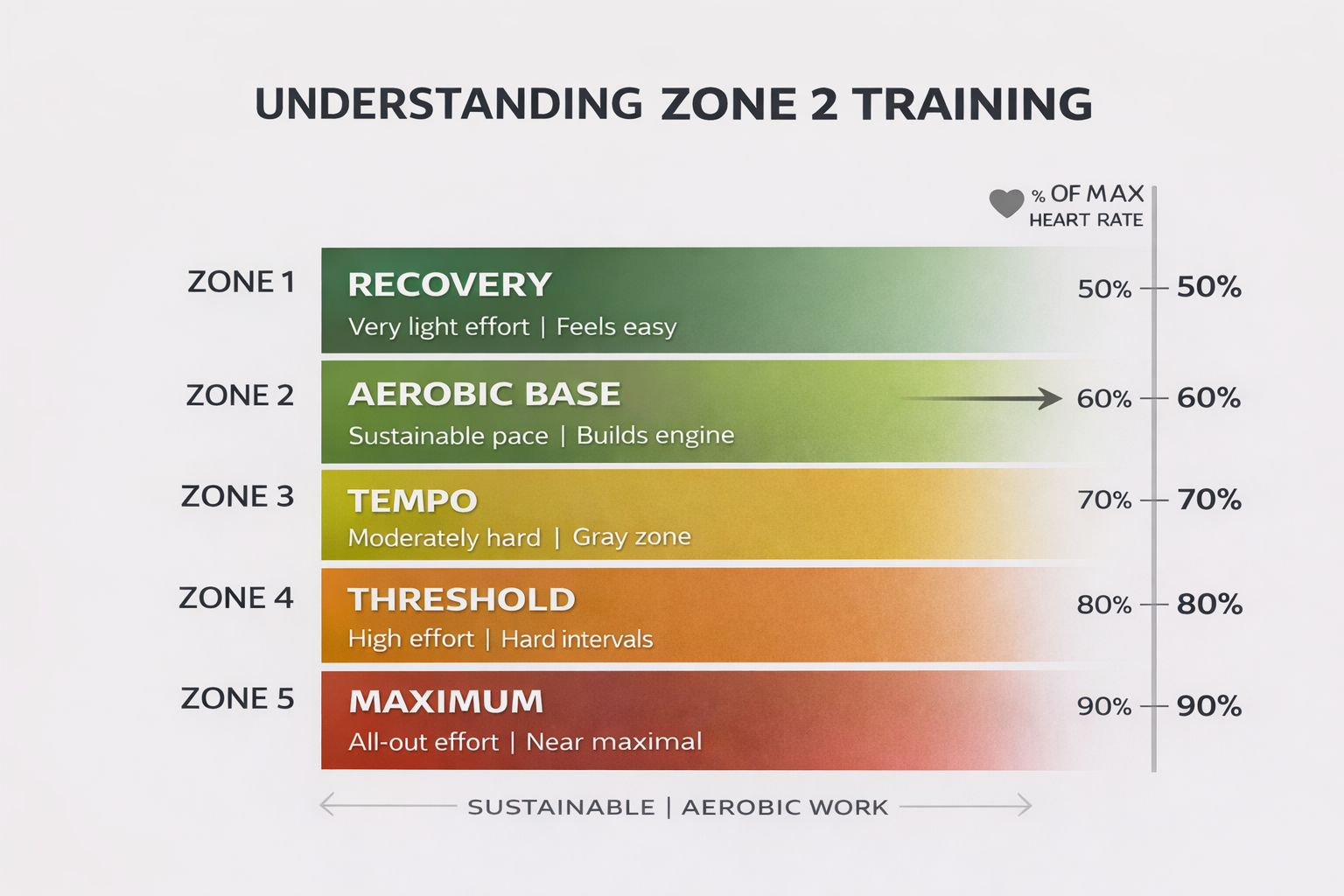
If the goal is aerobic work, pushing past the intended intensity defeats the purpose.
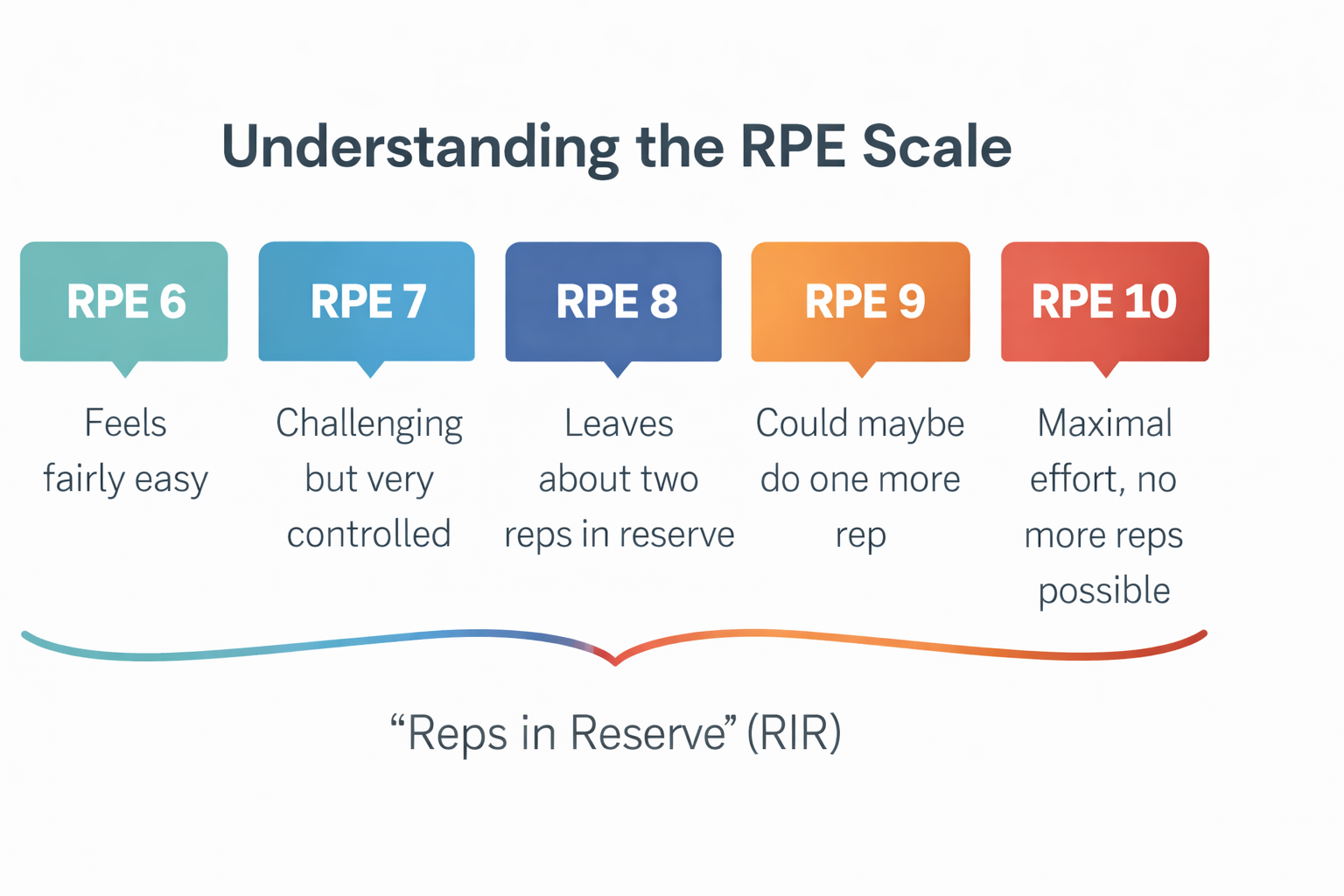
If the goal is controlled strength, rushing the movement reduces its effectiveness.
Discipline in training often looks like restraint.
Competing is still important.
It teaches:
But it should be applied intentionally.
Use it:
When everything is a competition, nothing stands out.
Before starting a workout, ask:
Am I trying to win this workout, or am I trying to get better?
If the goal is to get better, your approach should match the intended stimulus.
That might mean:
The best athletes can switch between these modes when appropriate.
Athletes who train with intent:
Athletes who compete every day:
The difference is not effort. It is how that effort is applied.
Training is preparation.
Competing is expression.
You build fitness in training so that you can express it when it counts.
If you try to express it every day, you limit how much you can actually build.
Not every day is meant to be a test.
Some days are meant to build.
When you learn the difference between training and competing, you stop chasing effort for its own sake and start making progress that lasts.
Train with purpose. Compete when it counts.