How to Know If You Are Actually in Zone 2
Not sure if you are truly training in Zone 2? Learn simple ways to measure effort, control intensity, and get the most out of aerobic training.
By
April 5, 2026

Zone 2 training sounds simple on paper. Maintain a steady, controlled pace and build your aerobic base.
In practice, most athletes get it wrong.
The biggest issue is not understanding what Zone 2 is. It is staying there. Effort naturally creeps up. Pace drifts higher. What starts as controlled work slowly turns into something harder.
If the goal is to build an aerobic base, accuracy matters. Training slightly too hard changes the stimulus completely.
Zone 2 sits in an uncomfortable place for many athletes.
It is not easy enough to feel like recovery, but it is not hard enough to feel like a workout. That makes it easy to question whether it is working.
Because of that, athletes often push the pace:
Without realizing it, they move out of Zone 2 and into what is often called the gray zone.
One of the simplest ways to stay in Zone 2 is the talk test.
At the correct intensity:
If you can only get out a few words at a time, you are likely above Zone 2.
If you can sing or speak effortlessly, you may be too low.
This is not perfect, but it is practical and easy to apply in any setting.
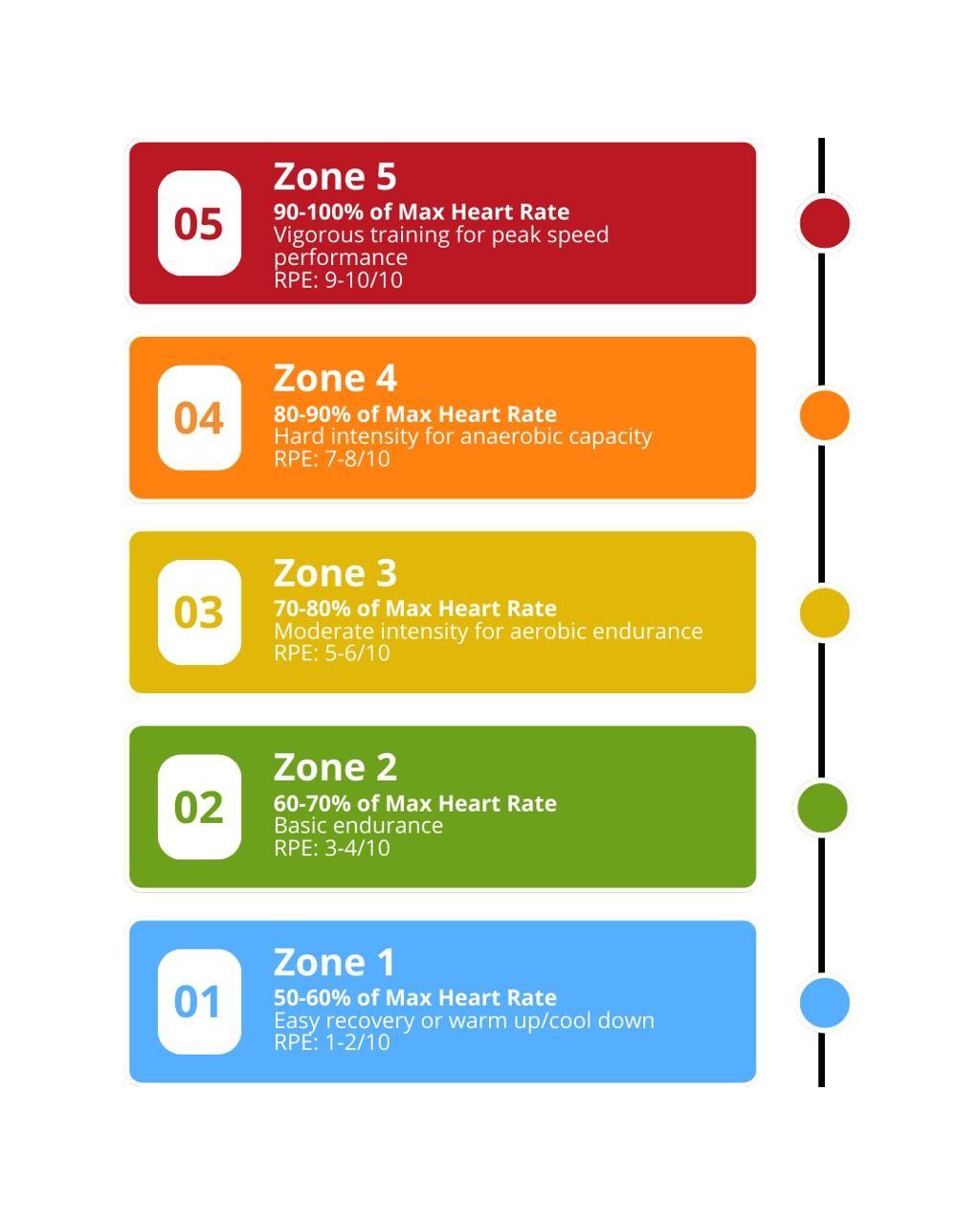
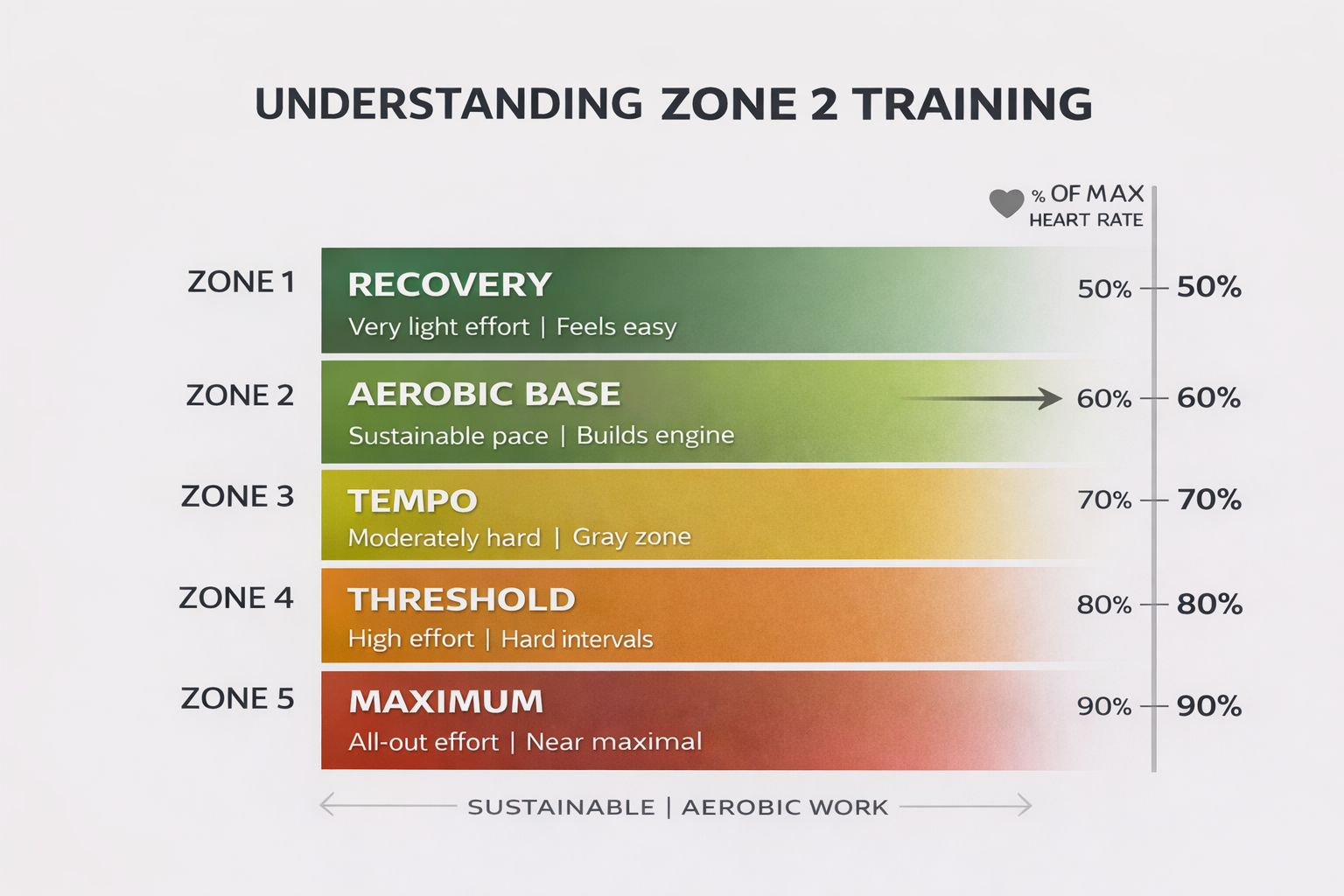
Heart rate can provide additional structure.
Zone 2 generally falls around:
This range is not exact for everyone, but it gives a useful target.
The key is consistency. If your heart rate is climbing steadily throughout the session, your effort is likely too high.
A stable heart rate usually means you are in the right zone.
Breathing is another reliable indicator.
In Zone 2:
Once breathing becomes sharp, irregular, or forced, intensity has likely crossed into a higher zone.
Paying attention to breathing helps athletes self-regulate without needing constant data.
One of the hardest parts of Zone 2 training is restraint.
Athletes often feel good early in a session and increase pace. This creates a slow drift upward in intensity.
To stay in Zone 2:
It should feel almost too easy at the beginning.
That is what allows it to stay effective over time.
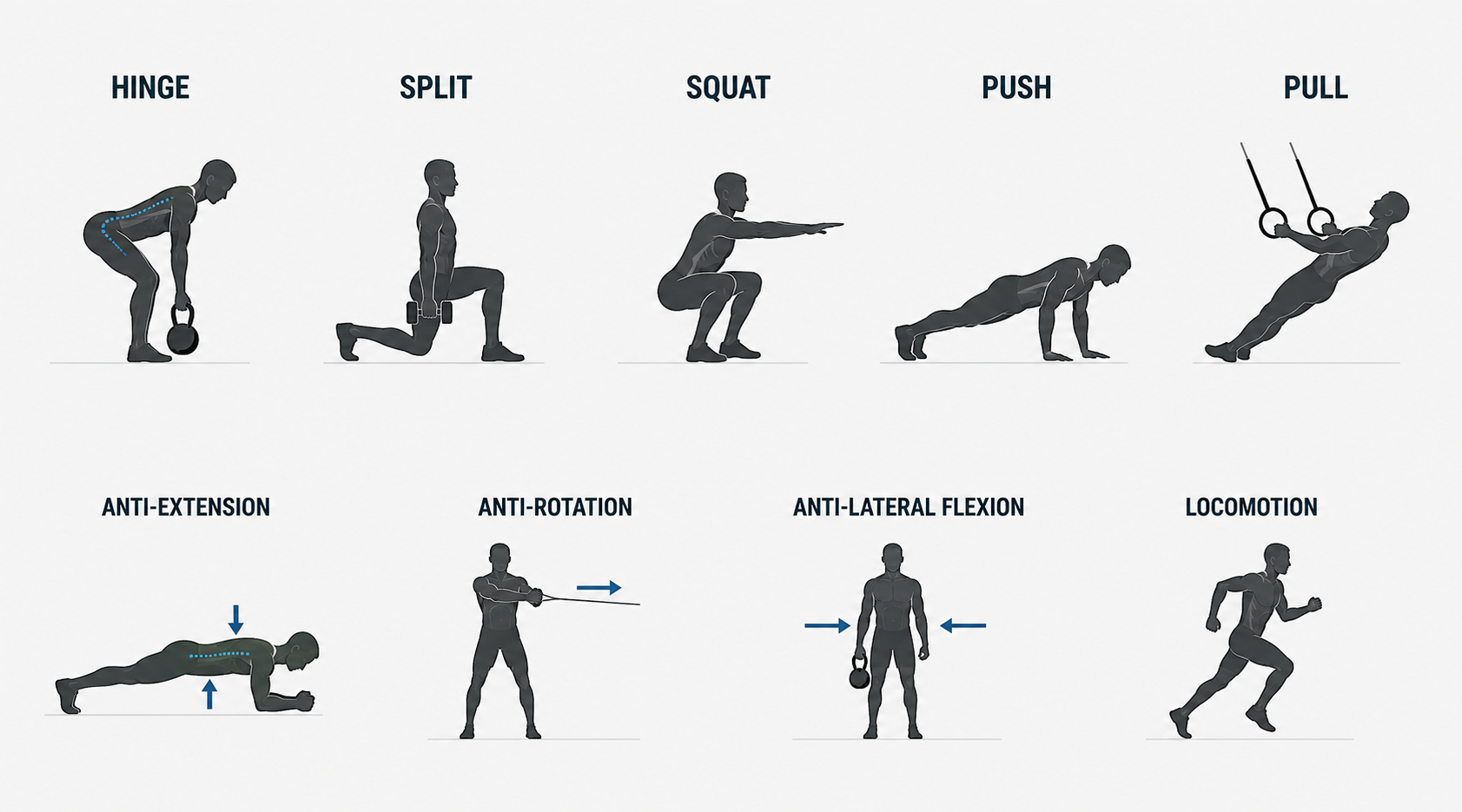
Some movements make it easier to stay in Zone 2 than others.
Good options include:
Movements that require high skill or heavy loading tend to push intensity up too quickly.
The goal is sustainability, not complexity.
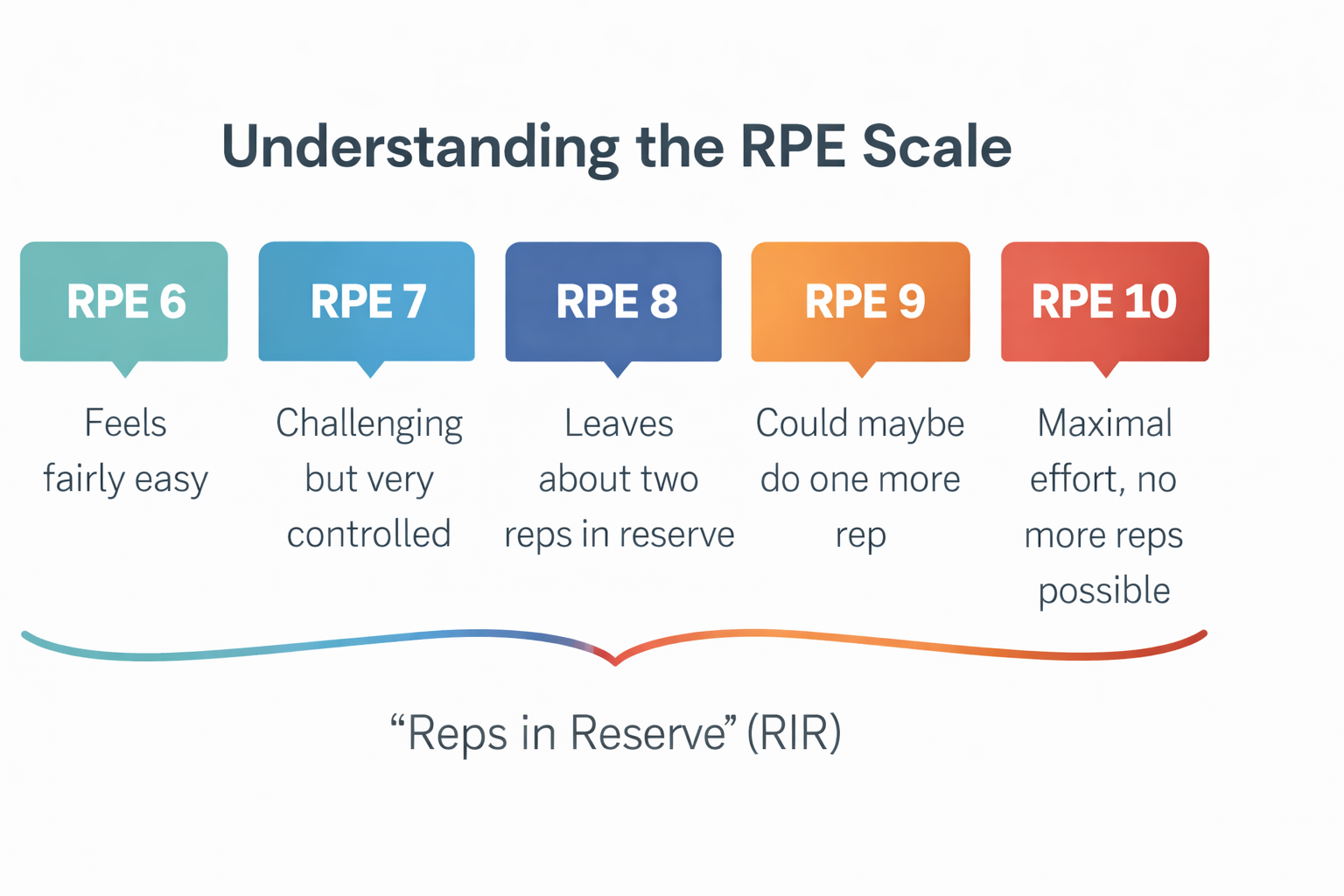
Zone 2 should feel:
You should finish feeling like you could continue, not completely exhausted.
This is not about testing limits. It is about building capacity.
The most common mistake is going too hard.
Athletes:
Another mistake is constantly adjusting intensity instead of settling into a steady rhythm.
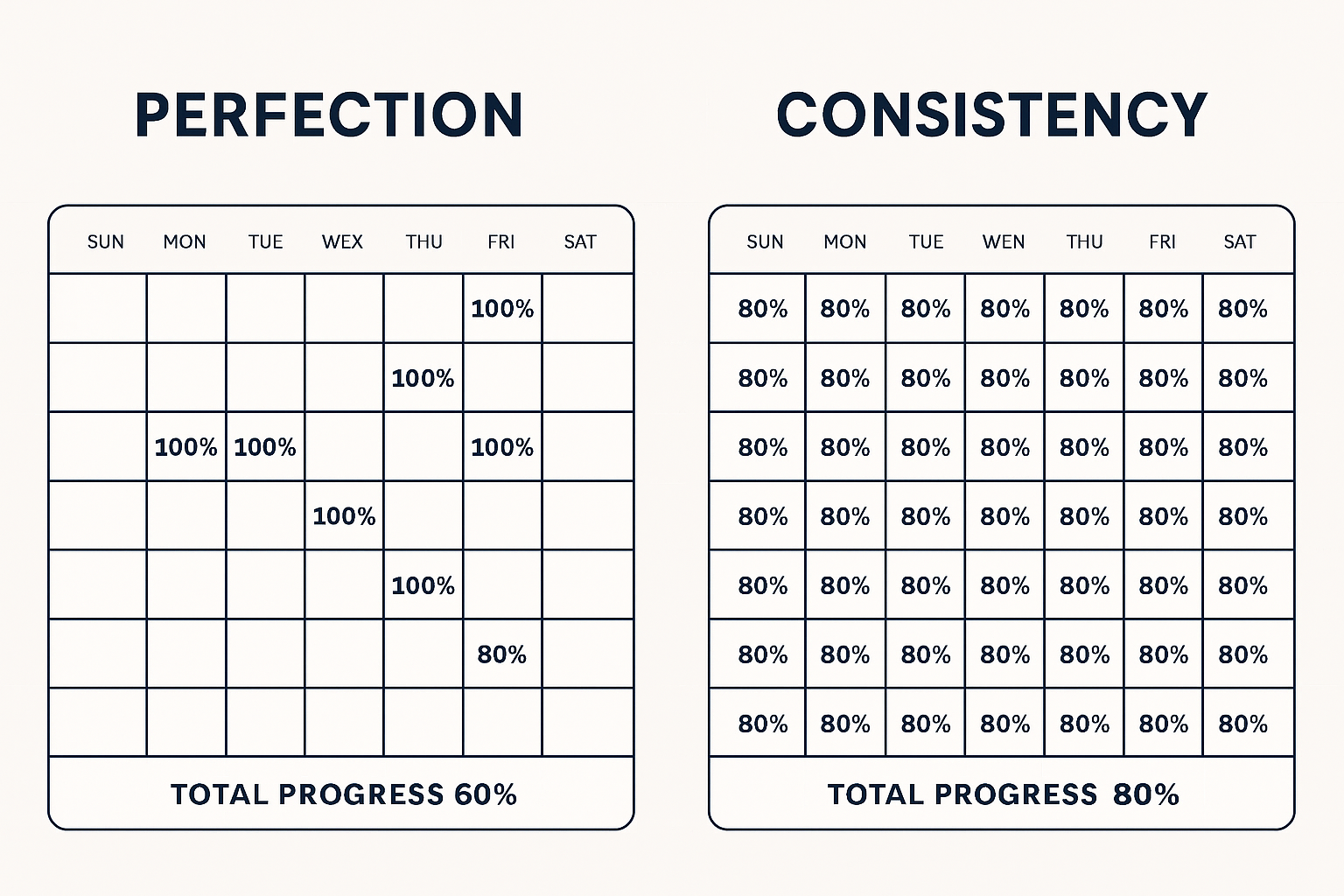
Zone 2 is about consistency, not variation.
Zone 2 training only works if it is done correctly.
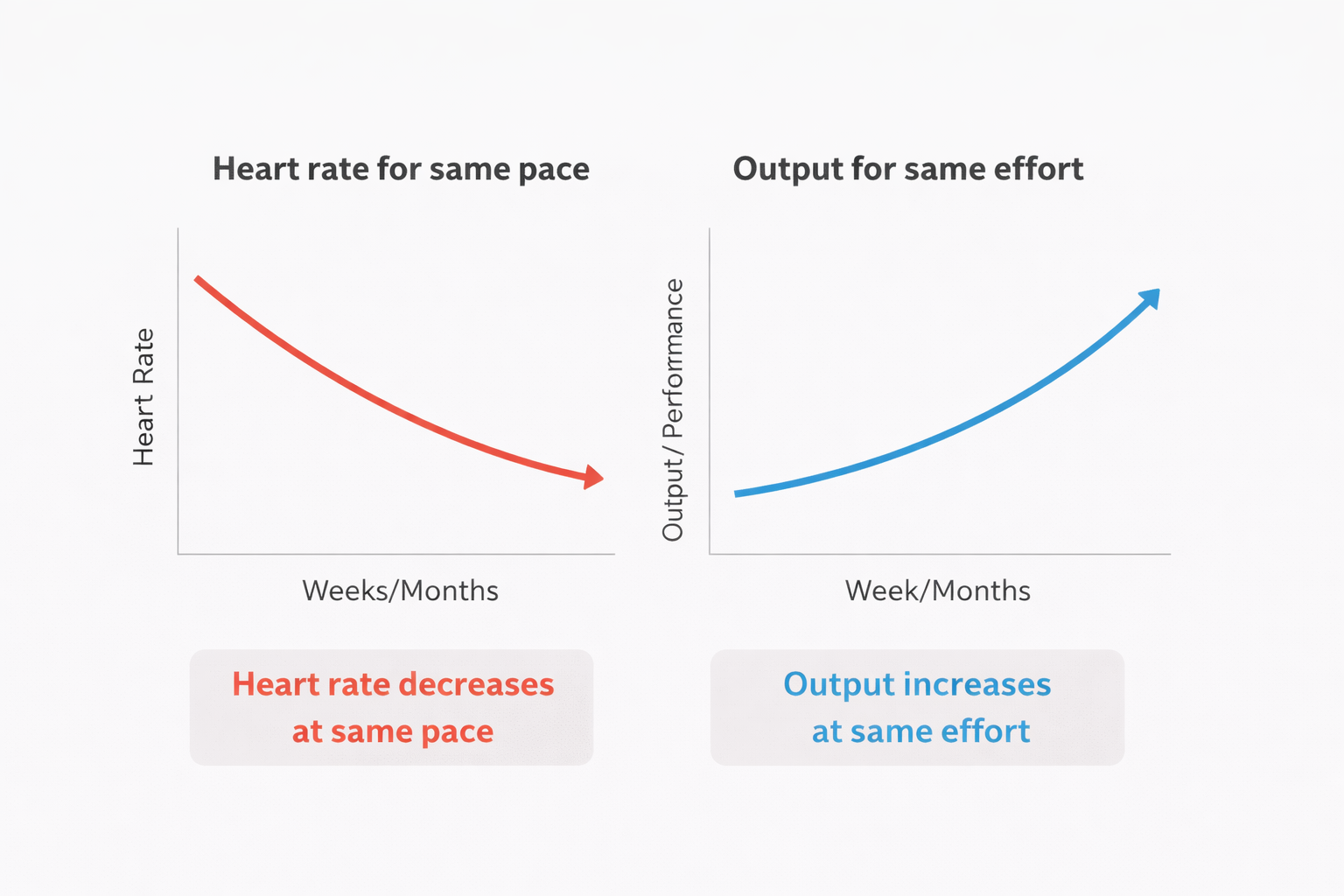
When athletes stay in the right range, they build:
When they drift out of it, they lose those benefits.
Accuracy matters more than effort.
Zone 2 training is not about pushing harder. It is about holding back with purpose.
The athletes who get the most out of it are not the ones who go the fastest. They are the ones who stay the most consistent.
Slow down, stay controlled, and let the work do what it is designed to do.