How to Stay Consistent When Motivation Is Low
Motivation comes and goes, but consistency drives results. Learn how to stay on track with your training even when you do not feel like it.
By
April 14, 2026

Motivation feels powerful when it is there.
You show up energized, ready to train, and everything feels easier to commit to.
The problem is that motivation does not last.
It comes and goes. Some days you feel driven. Other days, showing up feels like a challenge.
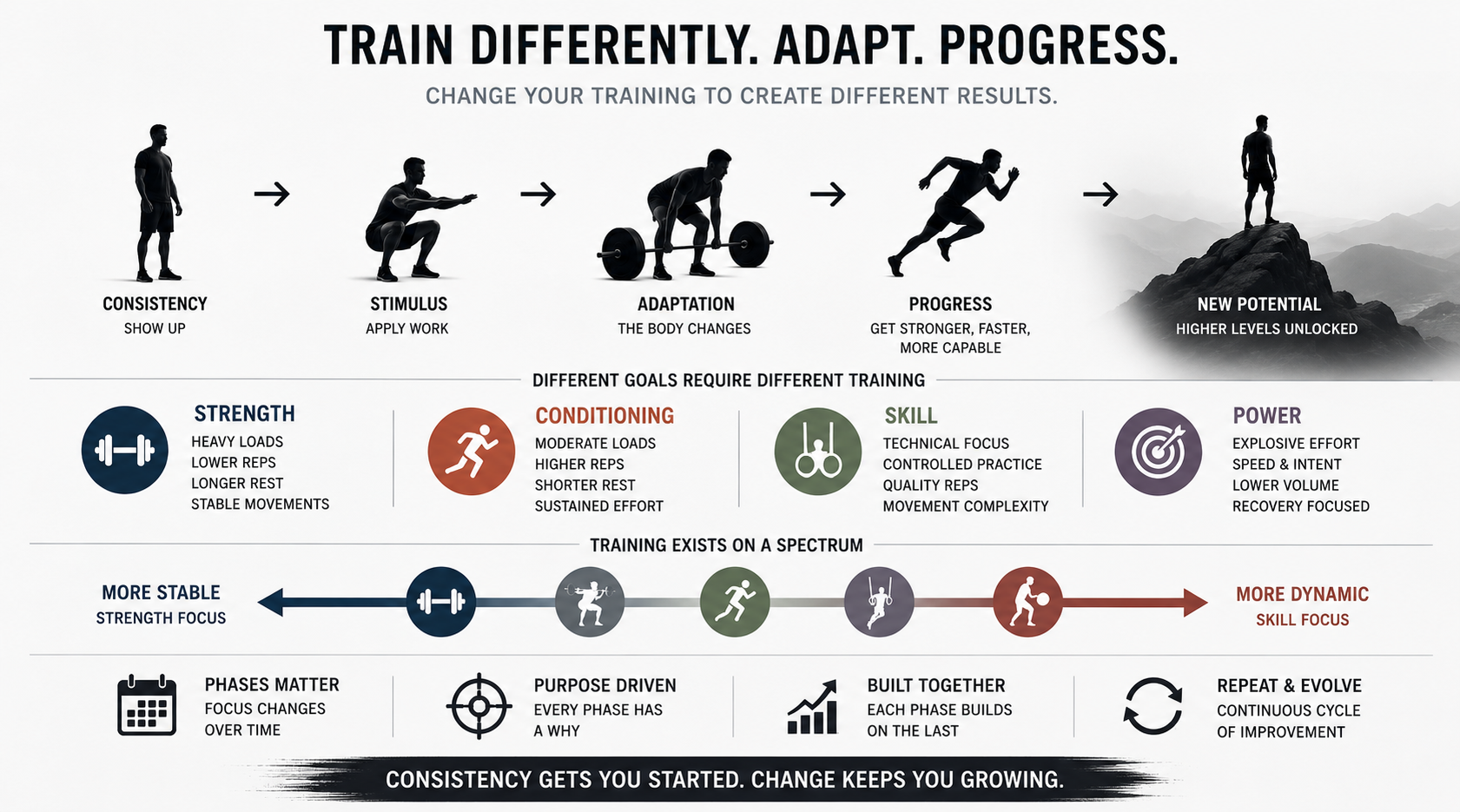
Progress does not come from motivation.
It comes from consistency.
Motivation is based on how you feel in the moment.
It is influenced by:
Because these fluctuate, motivation fluctuates with them.
If you rely on motivation to train, your training will always be inconsistent.
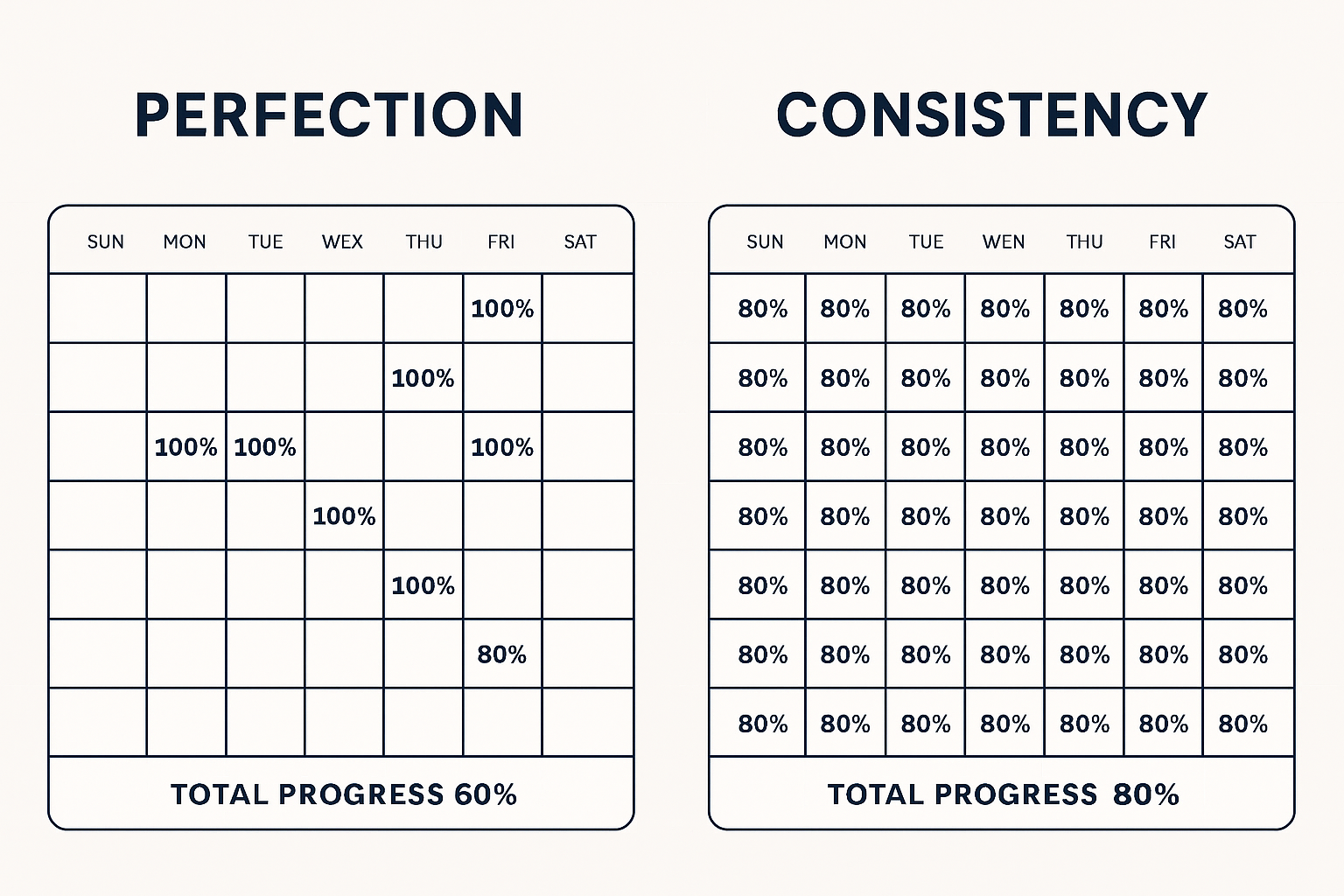
Consistency is not about being perfect.
It is about showing up even when it is not ideal.
That might mean:
The goal is not to win the day.
It is to keep the habit intact.
One of the most effective ways to stay consistent is to lower the barrier to entry.
Instead of asking:
“How do I have a great workout today?”
Ask:
“What is the minimum I need to do to stay on track?”
Often, just showing up is enough to build momentum.
You do not need to figure out what to do every day.
The program already provides that.
Your job is not to create motivation.
It is to follow the structure.
When training becomes a routine instead of a decision, consistency becomes easier.
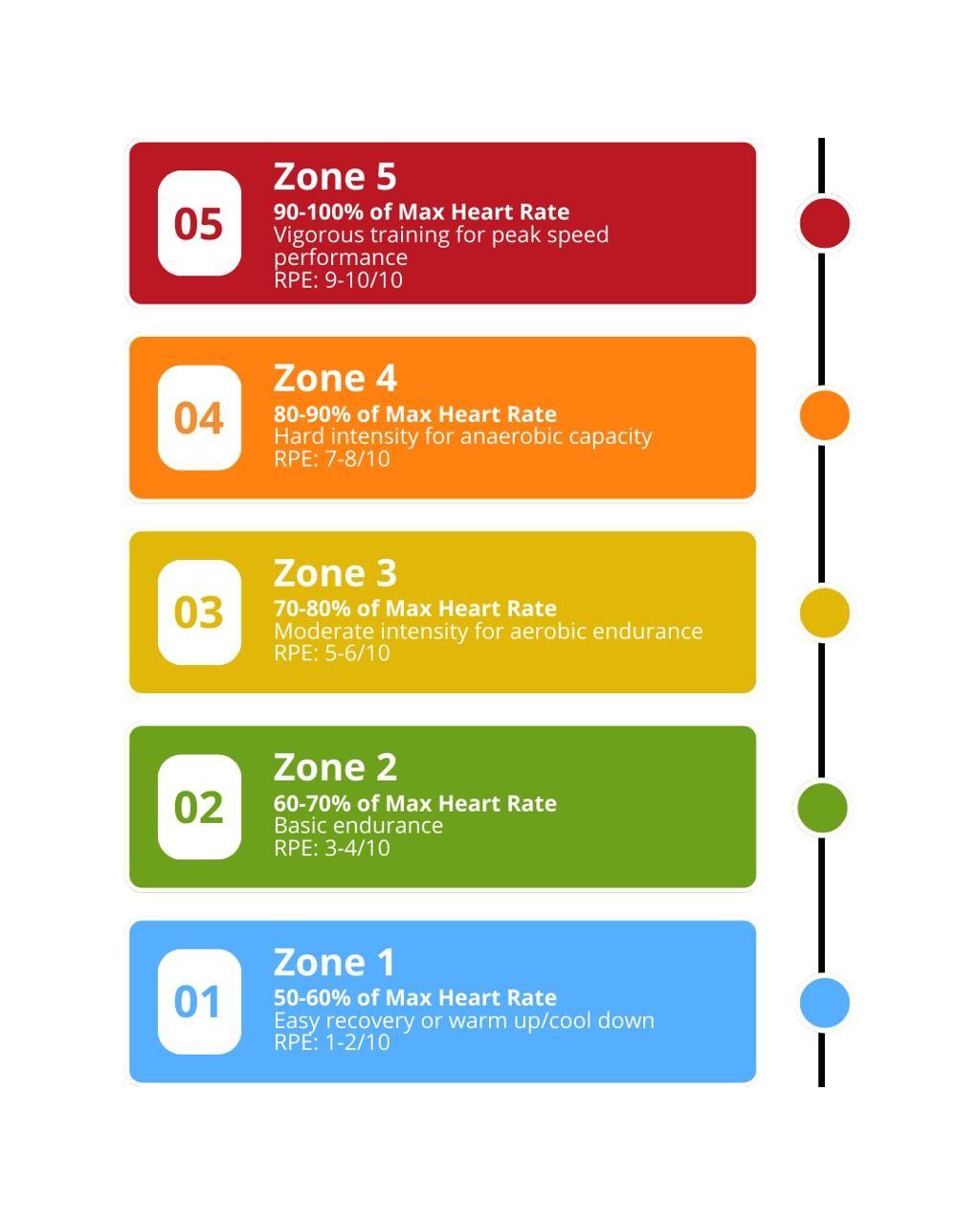
Not every day needs to be high intensity.
On lower-energy days:
This allows you to train without adding unnecessary stress.
Consistency is maintained without forcing performance.
The athletes who improve the most are not the most motivated.
They are the most consistent.
They:
Over time, this leads to better results than short bursts of motivation.
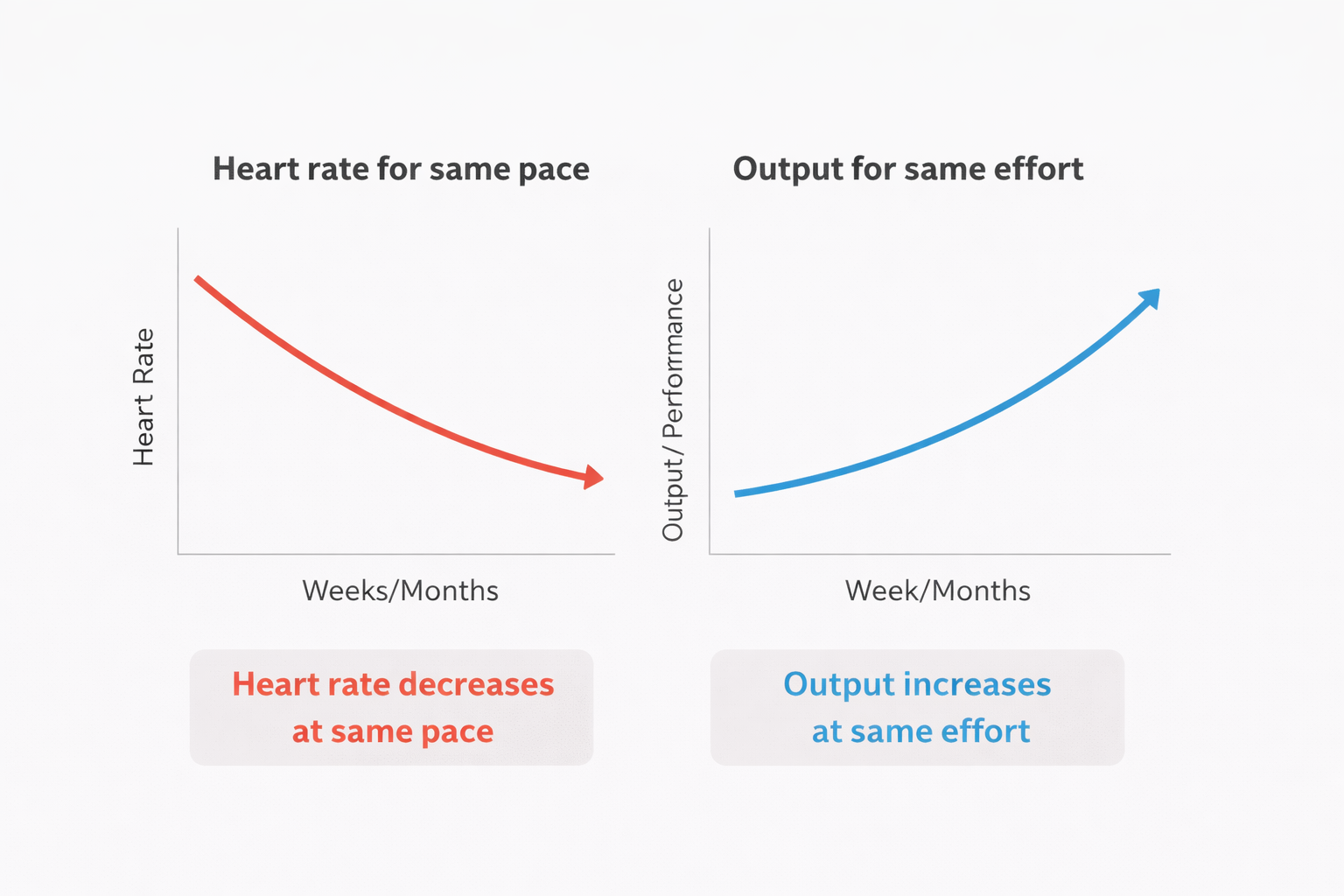
Consistency compounds.
Each session builds on the last.
Even when individual workouts feel average, the accumulation creates progress.
Missing sessions breaks that chain.
Showing up maintains it.
Training is not about how you feel on a given day.
It is about what you do over weeks, months, and years.
Motivation can help, but it is not required.
Structure and consistency are what drive results.
You will not always feel motivated.
That is normal.
What matters is what you do anyway.
Show up. Do the work. Stay consistent.
That is where progress comes from.