Why Logging Your Workouts Matters for Real Progress
At some point, every athlete runs into the same question:
Am I actually getting better?
Most people answer that based on how they feel that day.
Maybe the workout felt faster. Maybe the weight felt lighter. Maybe it didn’t.
But feeling isn’t a reliable system.
Most people don’t remember what they did last week, let alone last month. Workouts blur together. You remember the hard ones, maybe your best lift, but everything in between fades quickly.
If you want to train with intention, you need something more concrete.
That’s where logging your workouts comes in.
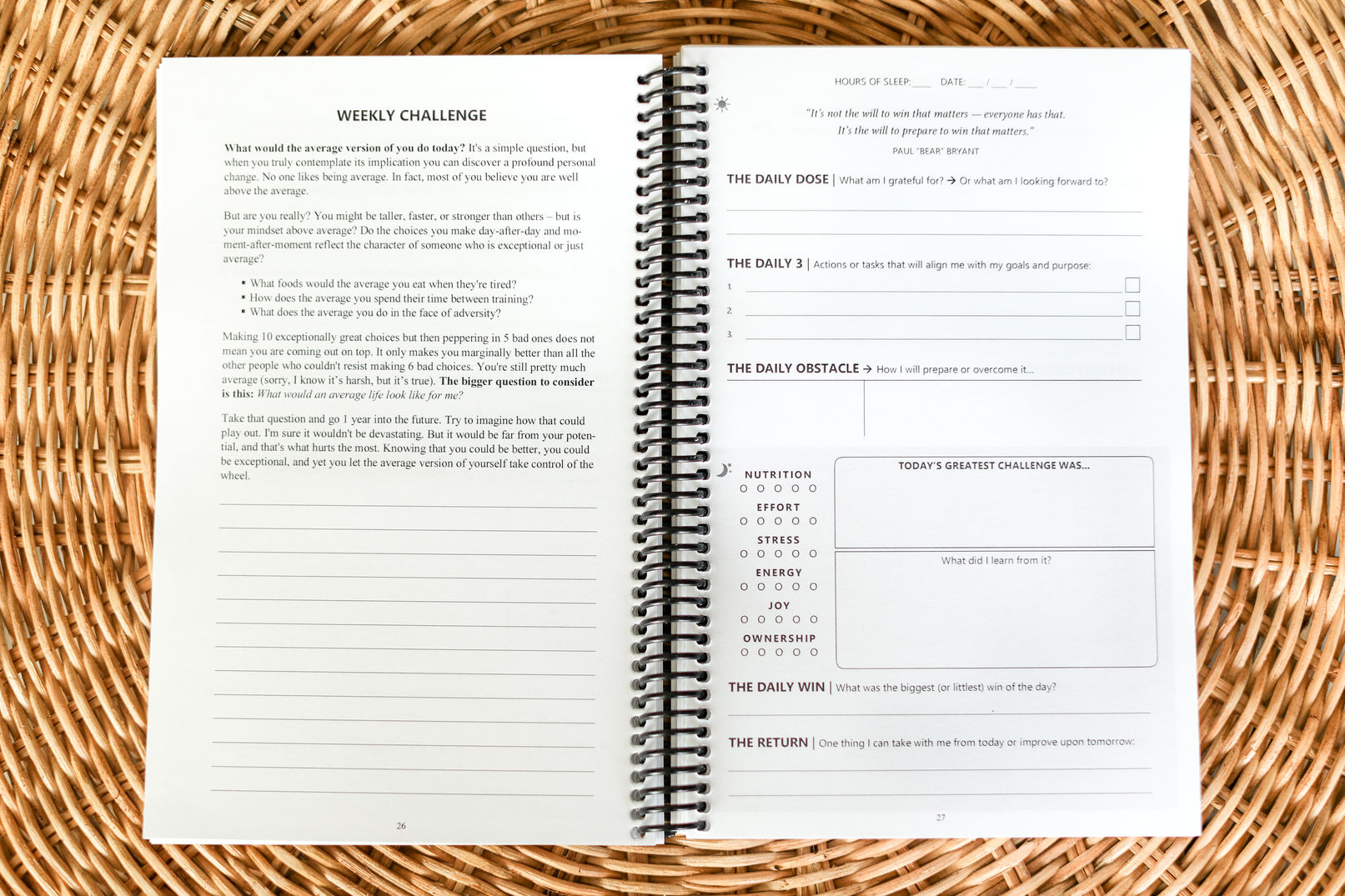
You’re Not Just Recording Data, You’re Taking Ownership
When you enter your score, you’re doing more than filling in a number.
You’re taking responsibility for your training.
No one else is doing it for you. No one is guessing what you did. You are the one recording the outcome of your effort.
If you’re not logging your workouts, you’re relying on memory and feeling.
That’s not a system. That’s guesswork.
There’s a difference between doing a workout and owning your training.
Logging is one of the simplest ways to close that gap.
What Gets Written Down Gets Taken Seriously
There’s a reason writing things down has been tied to better outcomes across almost every field.
When you take the time to record something, even digitally, it forces a level of awareness that doesn’t exist otherwise.
You remember what you did.
You think about how it felt.
You start to notice patterns.
Without that step, workouts blur together.
With it, they start to build on each other.
Over time, that awareness turns into better decisions. Better pacing. Better loading. Better results.
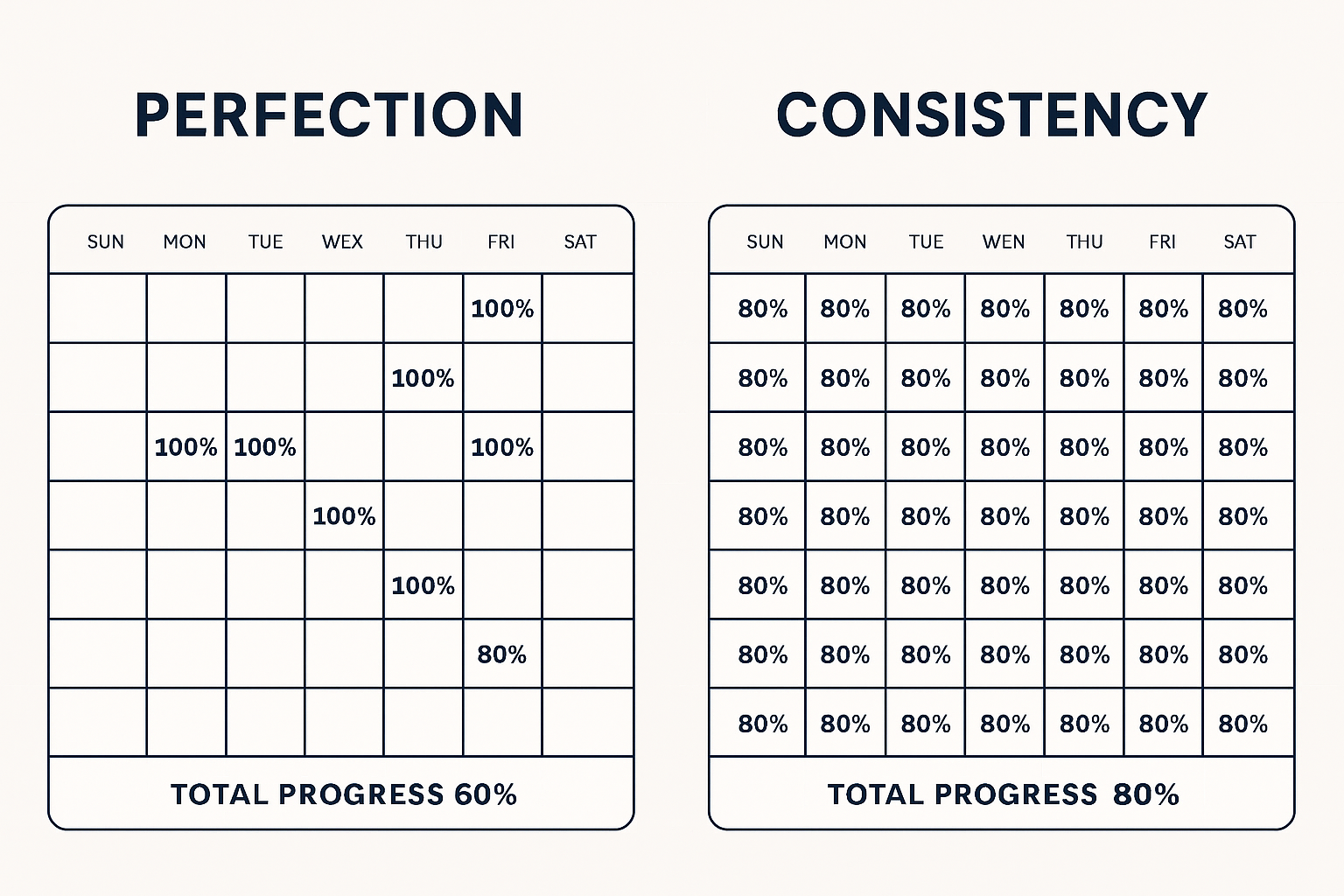
Consistency Is Built Before Intensity
Before we talk about lifting more weight or moving faster, there’s a more important question:
Are you showing up consistently?
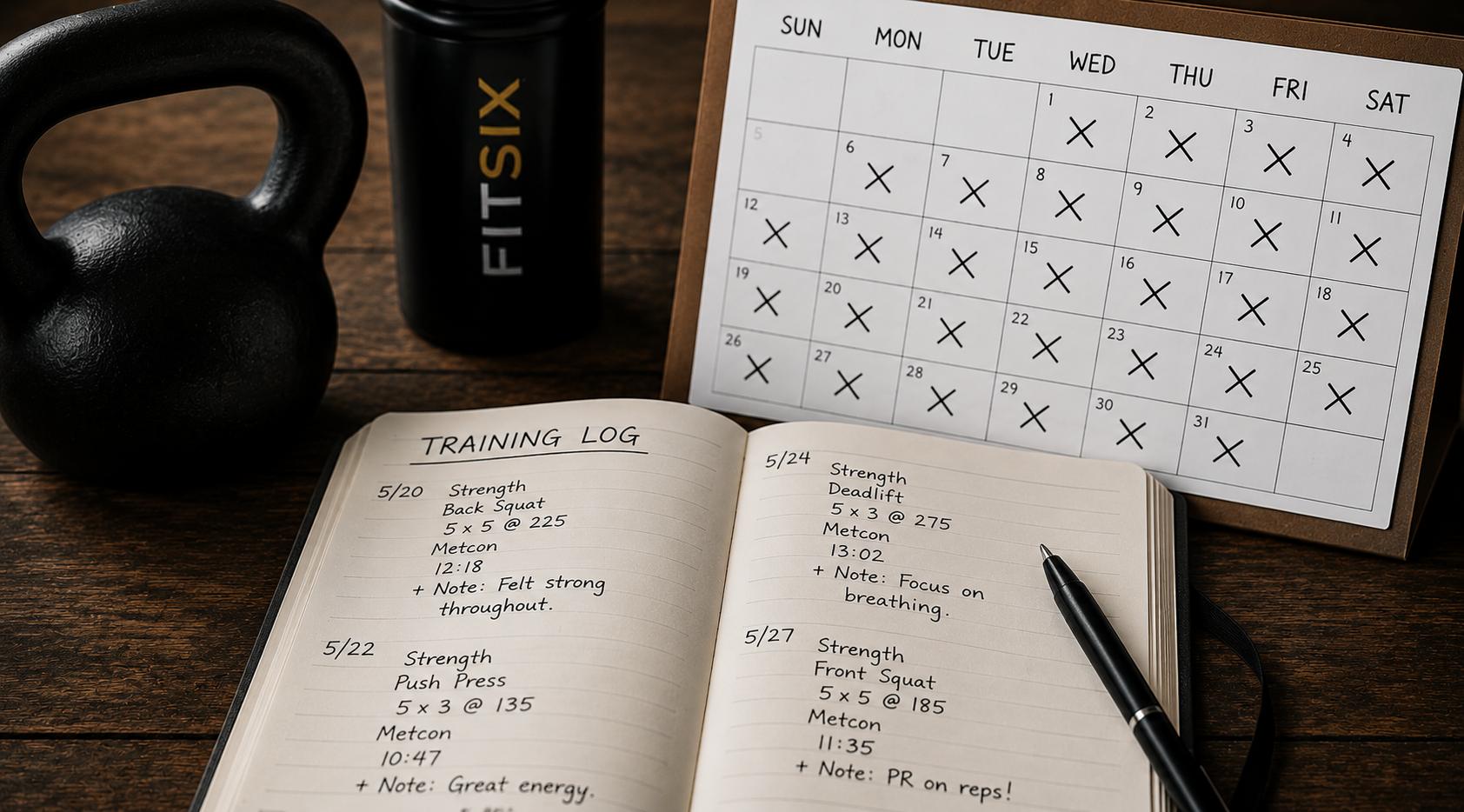
Logging your workouts creates a simple, honest record of that. It turns “I think I’ve been coming in a lot” into something real.
And once that foundation is there, everything else becomes more meaningful.
Because intensity without consistency doesn’t go anywhere.
Progress Requires a Reference Point
Training is only measurable, observable, and repeatable if you actually measure it.
When a workout comes back around, your past results give you something to work from:
Should you go heavier?
Should you move faster?
Did you scale appropriately last time?
Without that reference point, you’re guessing.
With it, you’re making informed decisions that actually move you forward.
Better Data Leads to Better Coaching
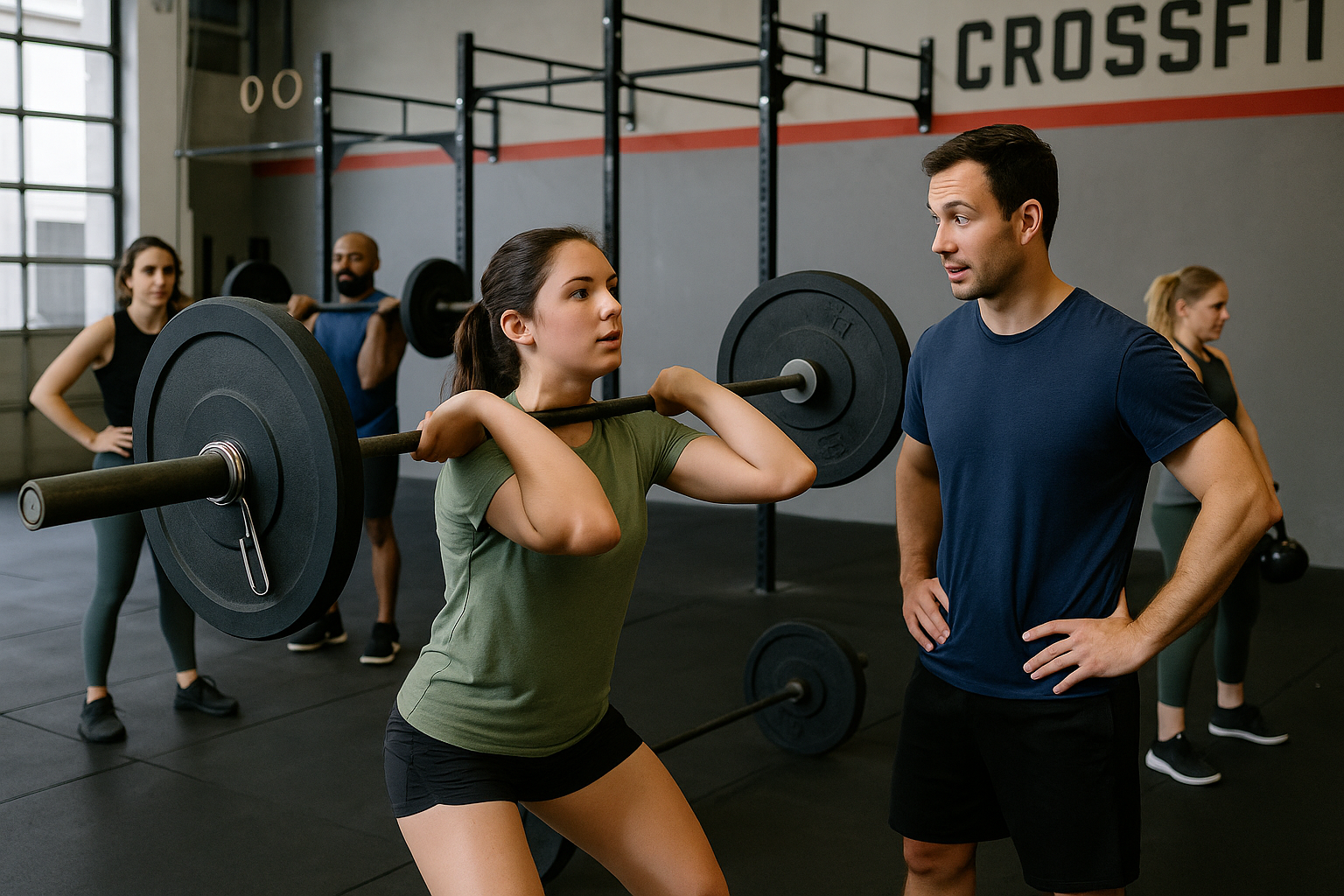
Logging your workouts doesn’t just help you. It helps us coach you better.
When you log consistently, we can see patterns over time. We can understand how you approach workouts, where you tend to push, where you tend to hold back, and where you’re improving.
That allows us to give you better guidance, not just in the moment, but across weeks and months of training.
Without that, we’re working off a snapshot.
With it, we’re working off a story.
Your Score Is Not Your Fitness
This part matters.
The number you log is not a judgment of your fitness. It’s just a snapshot of what happened on a specific day, under specific conditions.
Some days it will be higher. Some days it won’t.
The goal isn’t to collect scores.
The goal is to build a body of work.
One workout doesn’t define you.
A pattern of training does.
You’re Part of Something Bigger
When you log your workouts, you’re not just helping yourself.
You’re contributing to a system that allows coaches to better understand the gym as a whole, identify trends, and make smarter decisions about programming and coaching.
It also gives you the option to stay connected to the community beyond the hour you’re in the gym. To see others’ efforts, share your own, and be part of the bigger picture of what’s happening here.
Simple, But Not Optional
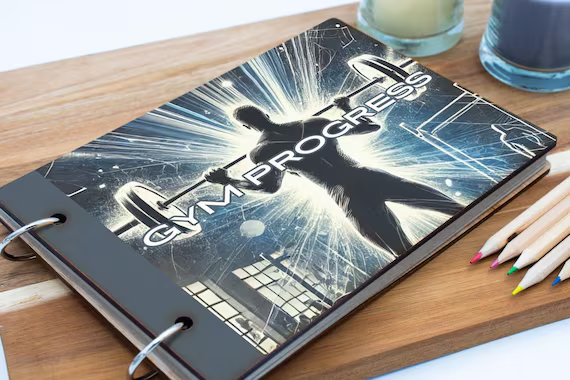
Logging your workout takes less than a minute.
But it’s one of the highest-impact habits you can build as an athlete.
If you want to train with intention, this is part of the process.
A simple standard:
Log your workout before you leave the gym.
Record what you actually did, not just what was written.
Add a quick note if something felt off or especially good.
Show up.
Do the work.
Record it.
That’s how training turns into progress.