Zone 2 Training Why Slower Work Leads to Better Performance
Zone 2 training builds aerobic capacity, improves recovery, and enhances performance. Learn why slower training is essential for long-term fitness progress.
By
April 4, 2026
For many athletes, the idea of slowing down in training feels wrong.
Workouts are often associated with intensity, speed, and pushing to the limit. If it does not feel hard, it can feel like it is not working.
Zone 2 training challenges that idea.
It is lower intensity, more controlled, and often less taxing in the moment. But over time, it is one of the most effective ways to build a stronger engine, improve recovery, and support long-term performance.
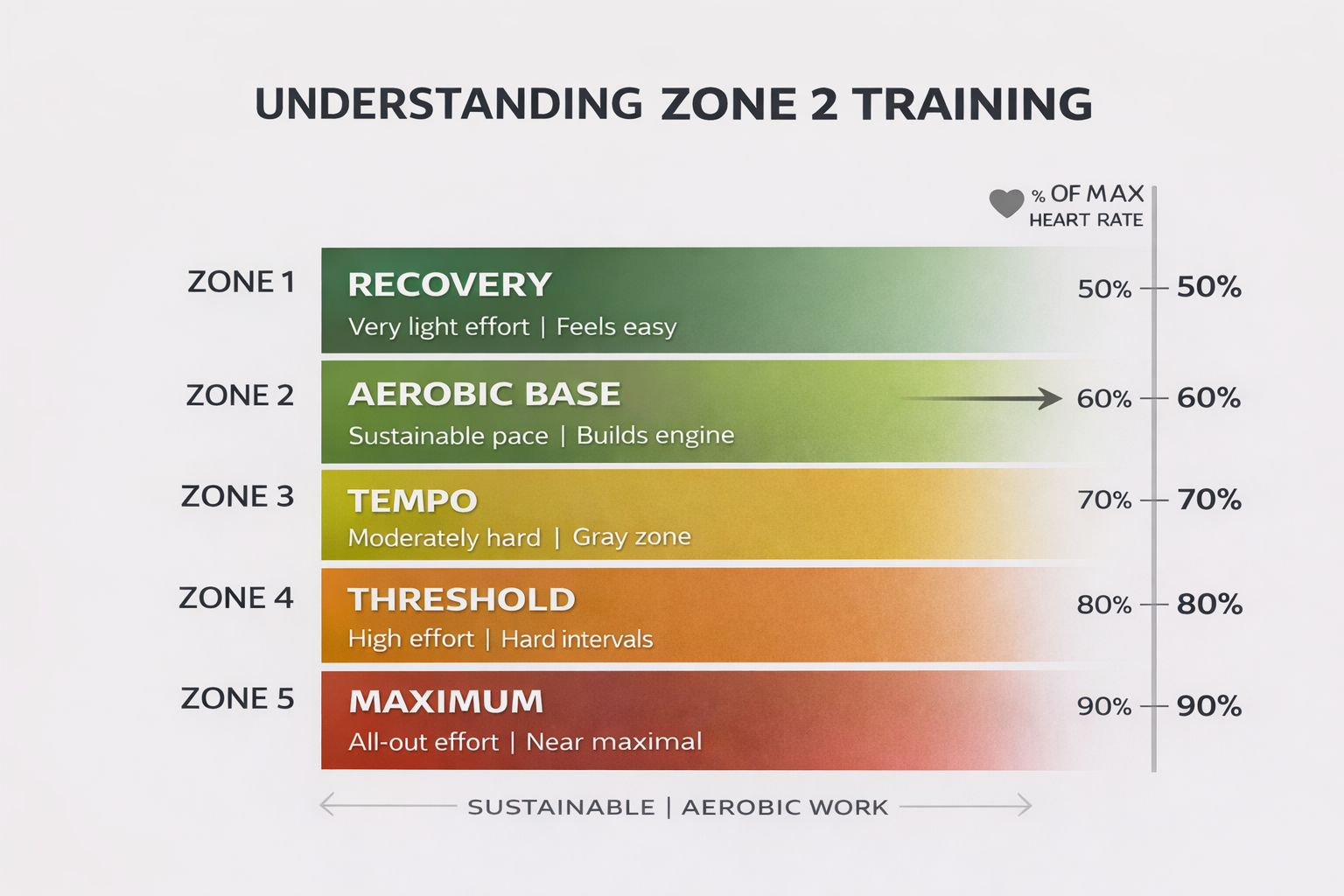
Zone 2 refers to a level of effort where the body is working aerobically at a steady, sustainable pace.
At this intensity:
This is not a sprint. It is not a grind. It is controlled, repeatable work.
One of the biggest challenges with Zone 2 training is that it does not feel like traditional hard work.
Athletes often feel like they should be going faster, pushing harder, or chasing a higher output.
But that is exactly what makes Zone 2 effective.
By staying at a controlled intensity, the body is able to:
It is not about how hard it feels in the moment. It is about what it builds over time.
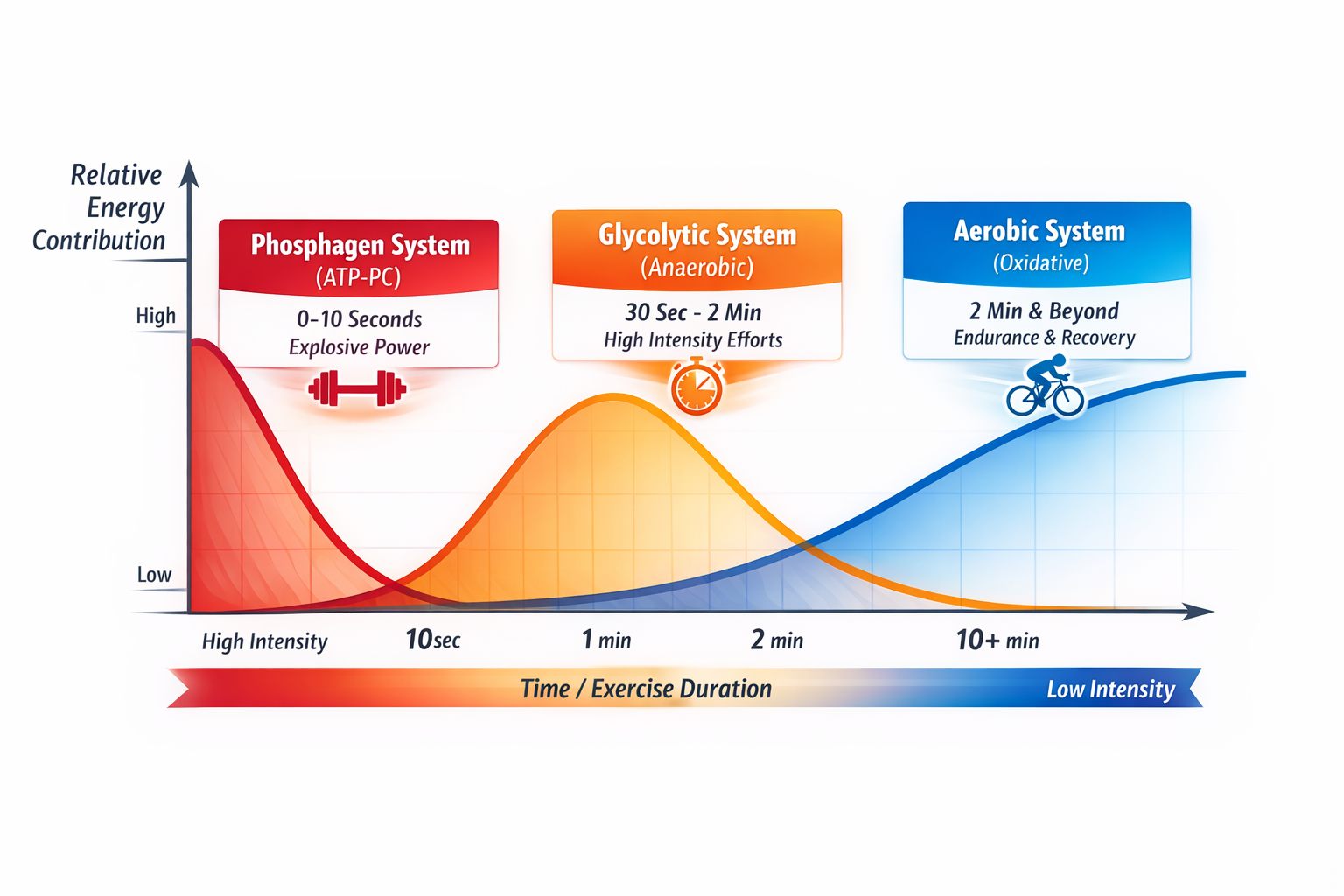
Zone 2 training develops the aerobic system.
This system is responsible for:
When the aerobic system improves, athletes notice:
This is what people mean when they talk about building an engine.
A stronger aerobic base does not just improve long, steady efforts.
It improves high-intensity work as well.
Athletes with better aerobic capacity can:
This means that even your hardest workouts benefit from slower, controlled training.
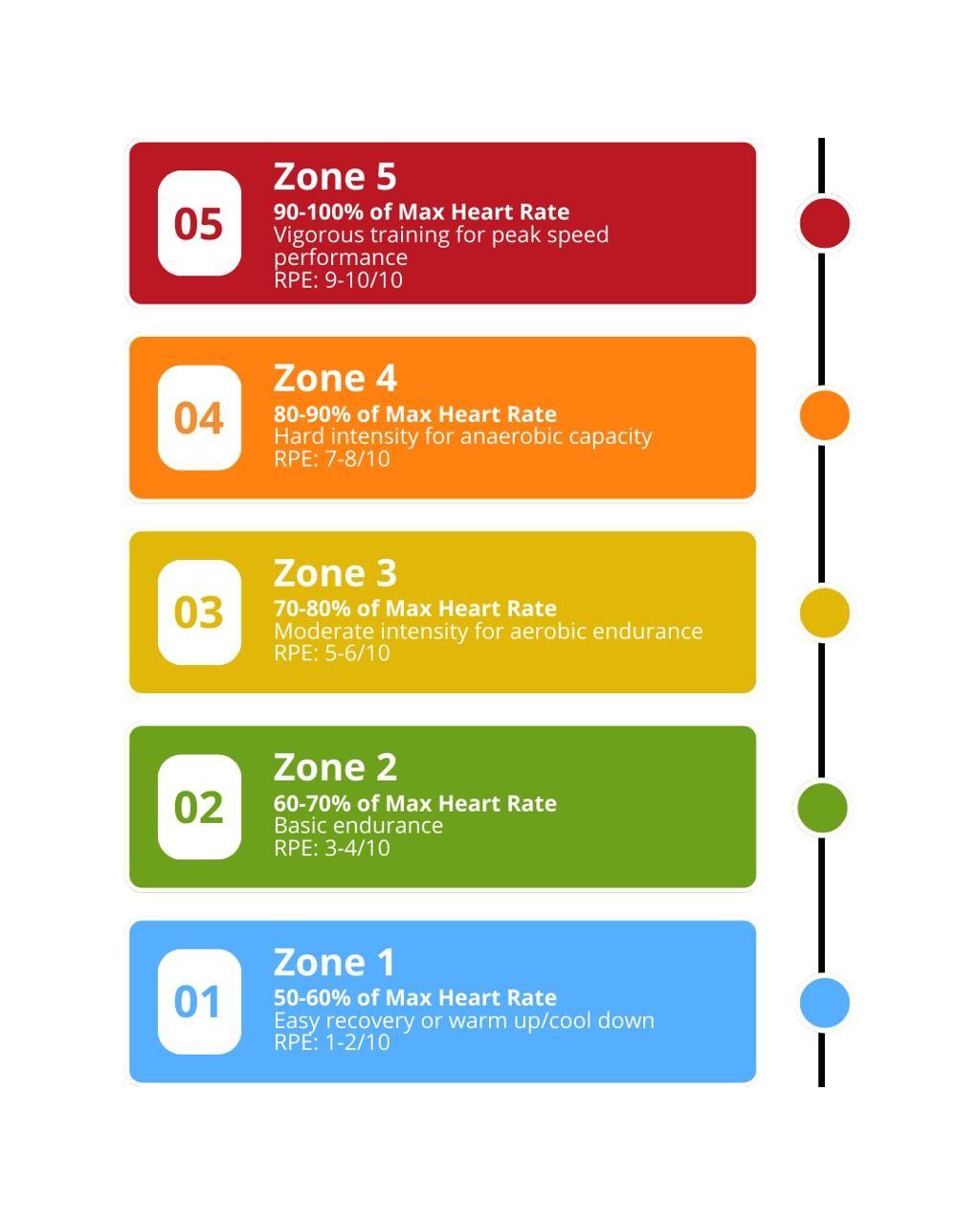
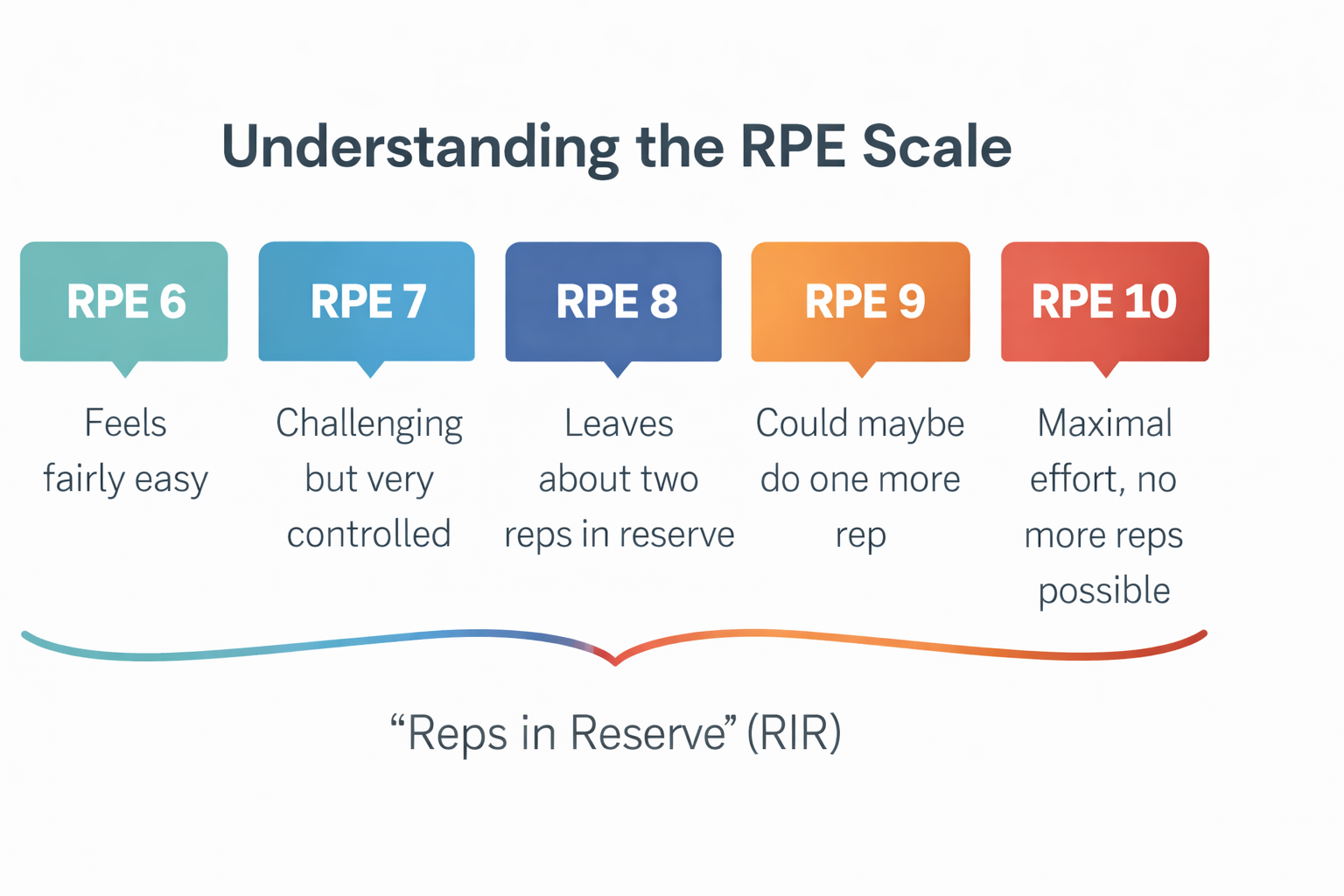
Zone 2 typically falls around an RPE of 5 to 6.
It should feel:
If you are gasping for air or unable to maintain pace, you are likely above Zone 2.
If it feels too easy to maintain for long periods, you are likely in the right place.
The most common mistake is going too hard.
Athletes drift out of Zone 2 by:
This turns aerobic work into moderate intensity work, which is less effective for building the aerobic system.
Another mistake is not doing it long enough.
Zone 2 benefits come from sustained effort, not short bursts.
Zone 2 is not meant to replace high-intensity training. It supports it.
It is often used:
This allows athletes to continue building capacity without adding excessive fatigue.
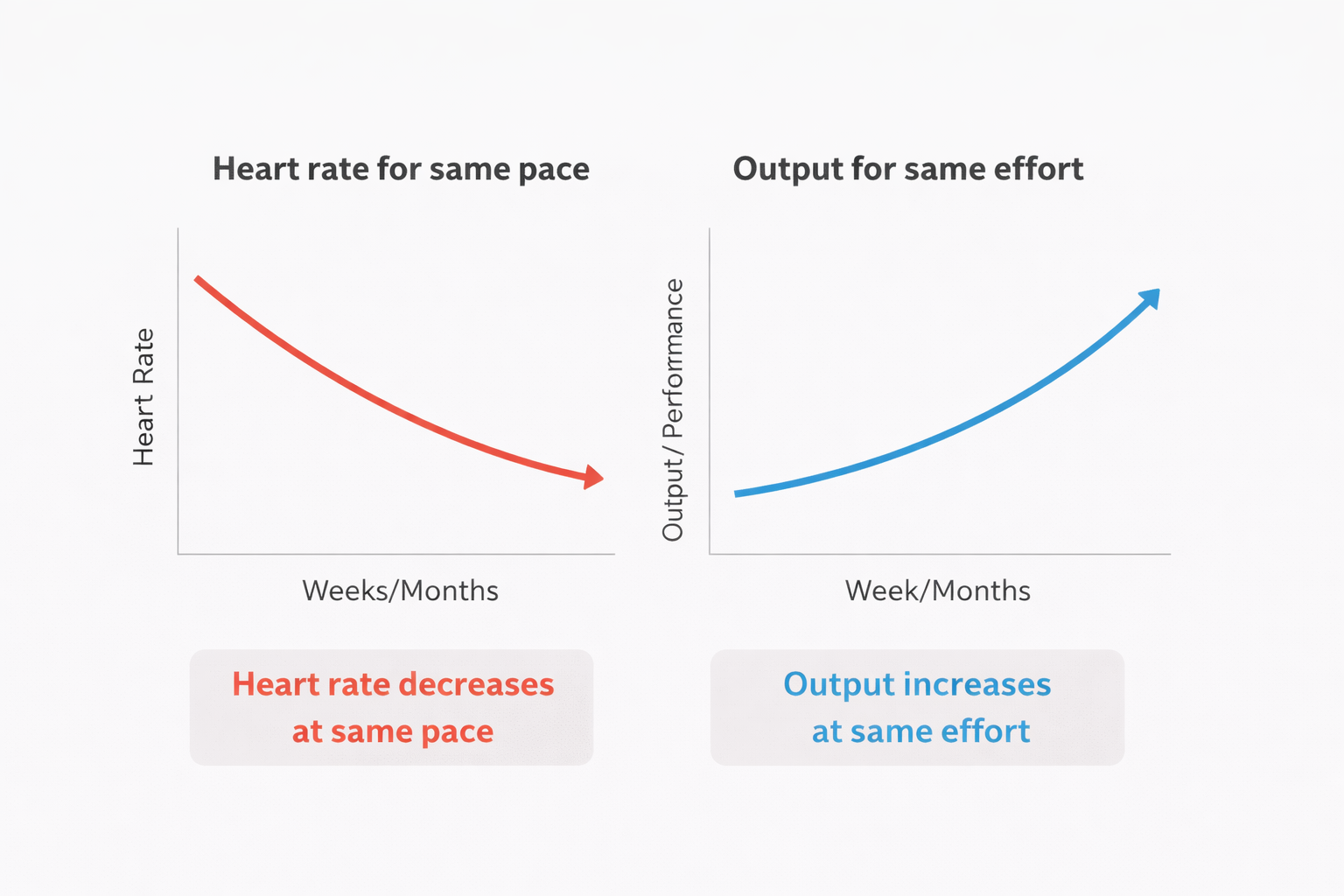
Progress in Zone 2 training is subtle.
It may show up as:
These changes are not always obvious day to day, but they build over time.
Zone 2 training reinforces a key idea.
Not every session should feel like a max effort.
Some of the most important progress happens in controlled, repeatable work that does not leave you exhausted.
This is what allows athletes to train consistently and improve over the long term.
Slower does not mean easier. It means more intentional.
Zone 2 training builds the foundation that everything else relies on. When athletes commit to it, they develop better endurance, better recovery, and better overall performance.
It may not feel like the hardest work, but it is some of the most important.