Do Athletes Really Need Rest Days
Rest days are essential for strength, performance, and injury prevention. Learn why recovery days help athletes train harder and progress faster.
By
March 13, 2026

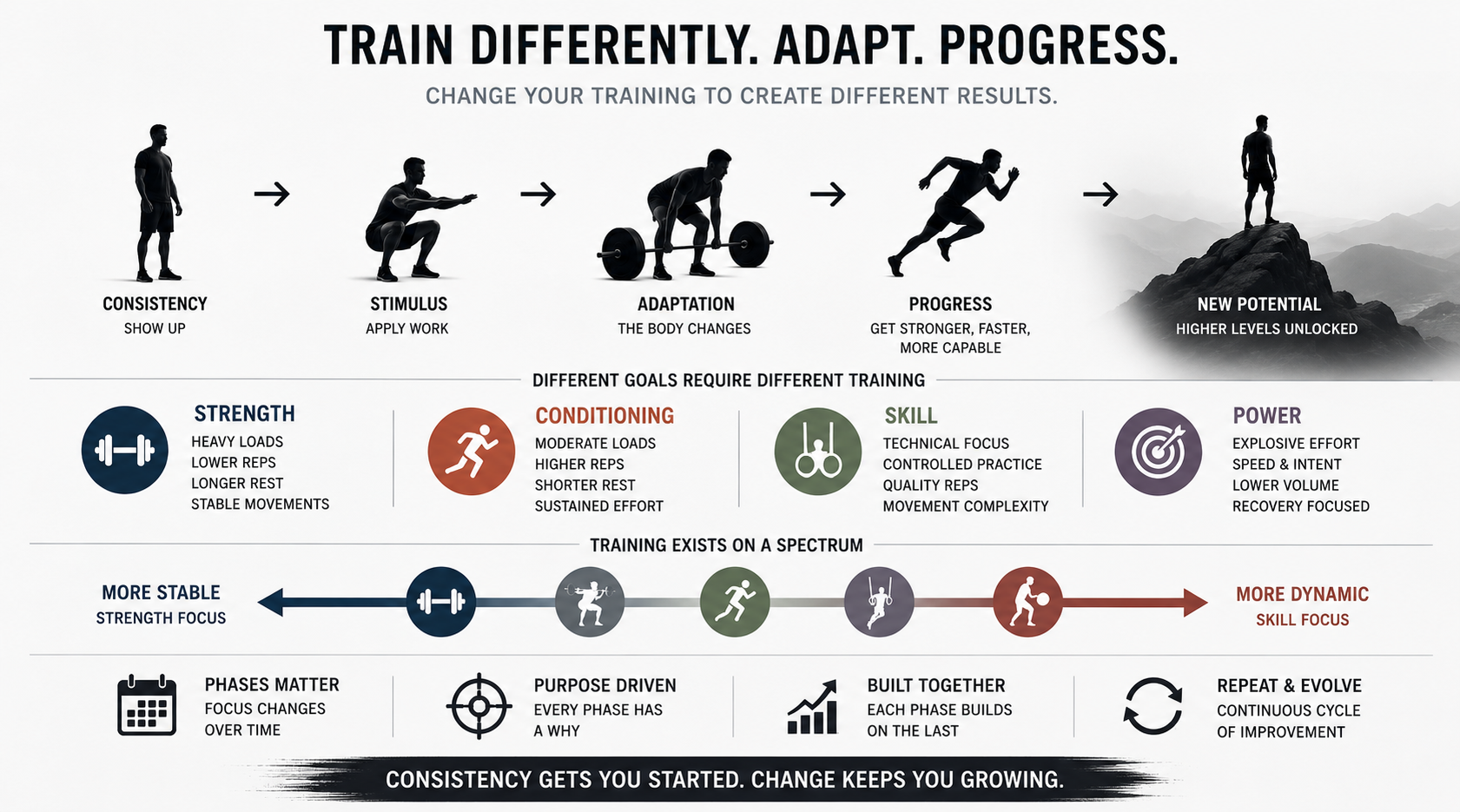
Many athletes believe that more training always leads to better results. The mindset is simple: if training improves fitness, then training more should improve it even faster. While dedication and consistency are critical for progress, the body does not adapt during workouts. Adaptation occurs afterward, during recovery.
Rest days play a crucial role in allowing the body to repair, rebuild, and prepare for the next training stimulus. Without adequate recovery, training stress can accumulate faster than the body can adapt. Over time this imbalance leads to fatigue, stalled performance, and increased risk of injury.
Understanding why rest days matter helps athletes train more effectively and maintain long term progress.
Every workout places stress on the body. Muscles experience microscopic damage, energy stores are depleted, and the nervous system becomes fatigued. These stressors are necessary because they trigger the adaptations that make athletes stronger, faster, and more resilient.
However, these adaptations only occur when the body has enough time and resources to repair the stress created during training.
During recovery, the body rebuilds muscle fibers, restores glycogen levels, and recalibrates the nervous system. Hormonal balance returns to baseline, inflammation decreases, and connective tissues begin repairing themselves.
Without rest days, these processes are interrupted. Instead of building fitness, the body remains stuck in a constant cycle of fatigue.
When athletes think about recovery, they often focus only on muscles. However, the nervous system is equally important.
High intensity training places significant demand on the central nervous system. Heavy lifts, explosive movements, and intense conditioning all require rapid communication between the brain and muscles.
When the nervous system becomes fatigued, performance declines even if muscles feel relatively recovered. Reaction time slows, coordination decreases, and force production drops.
Rest days help restore the nervous system so that athletes can train with full power and focus during the next session.
Some fatigue is normal during consistent training, but certain signs suggest recovery may be insufficient.
Persistent soreness that lasts several days can indicate incomplete tissue repair. Performance stagnation or declining workout quality may suggest accumulated fatigue.
Athletes may also notice decreased motivation, disrupted sleep, or unusual irritability. These symptoms often reflect nervous system stress rather than simple physical fatigue.
Minor aches and pains that continue to appear or worsen over time can also signal inadequate recovery.
Recognizing these signs early allows athletes to adjust training and prioritize recovery before small issues become larger problems.
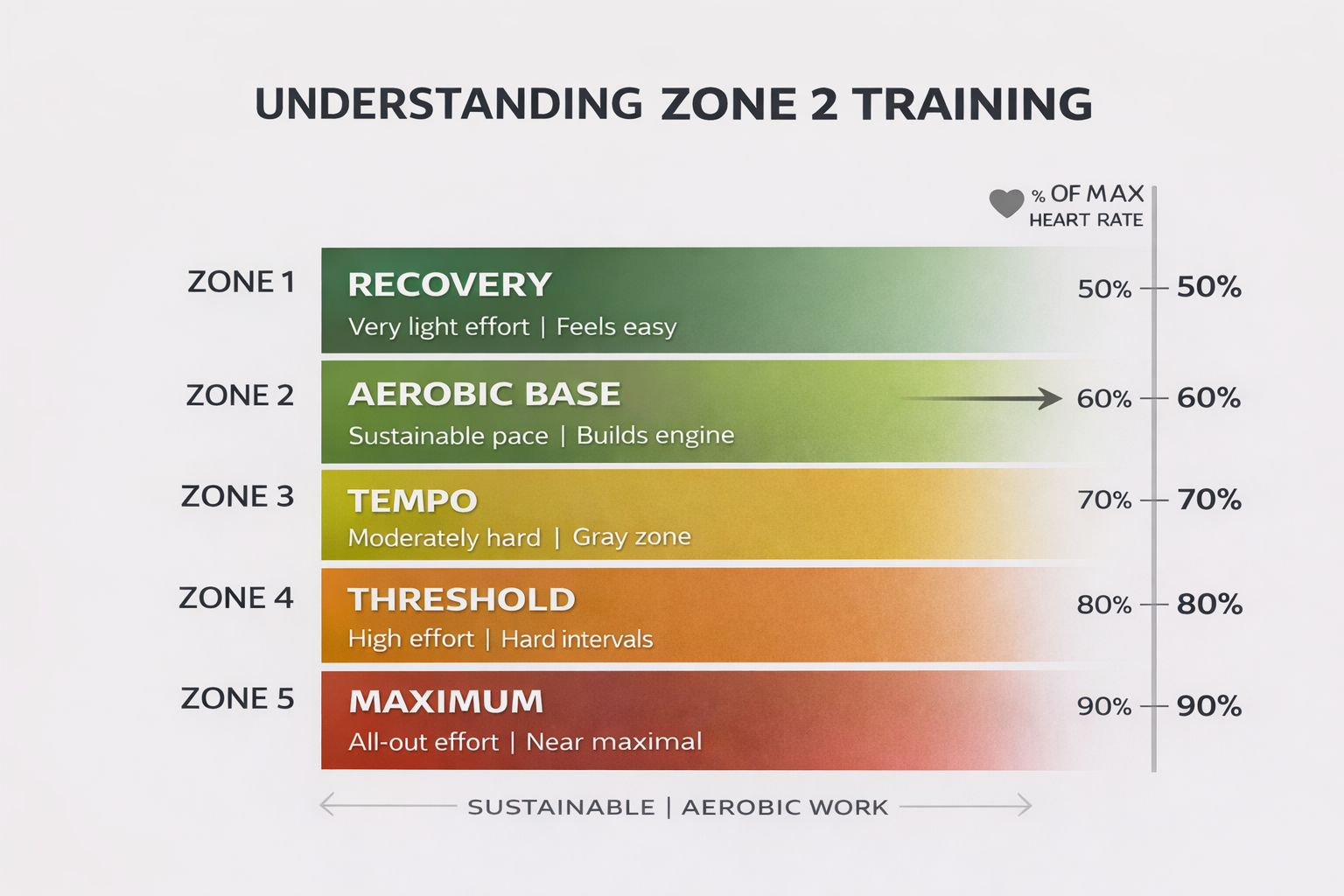
Rest days do not necessarily mean complete inactivity. In many cases, light movement can support recovery by improving circulation and reducing stiffness.
Activities such as walking, mobility work, light cycling, or stretching can promote recovery without adding significant stress to the body.
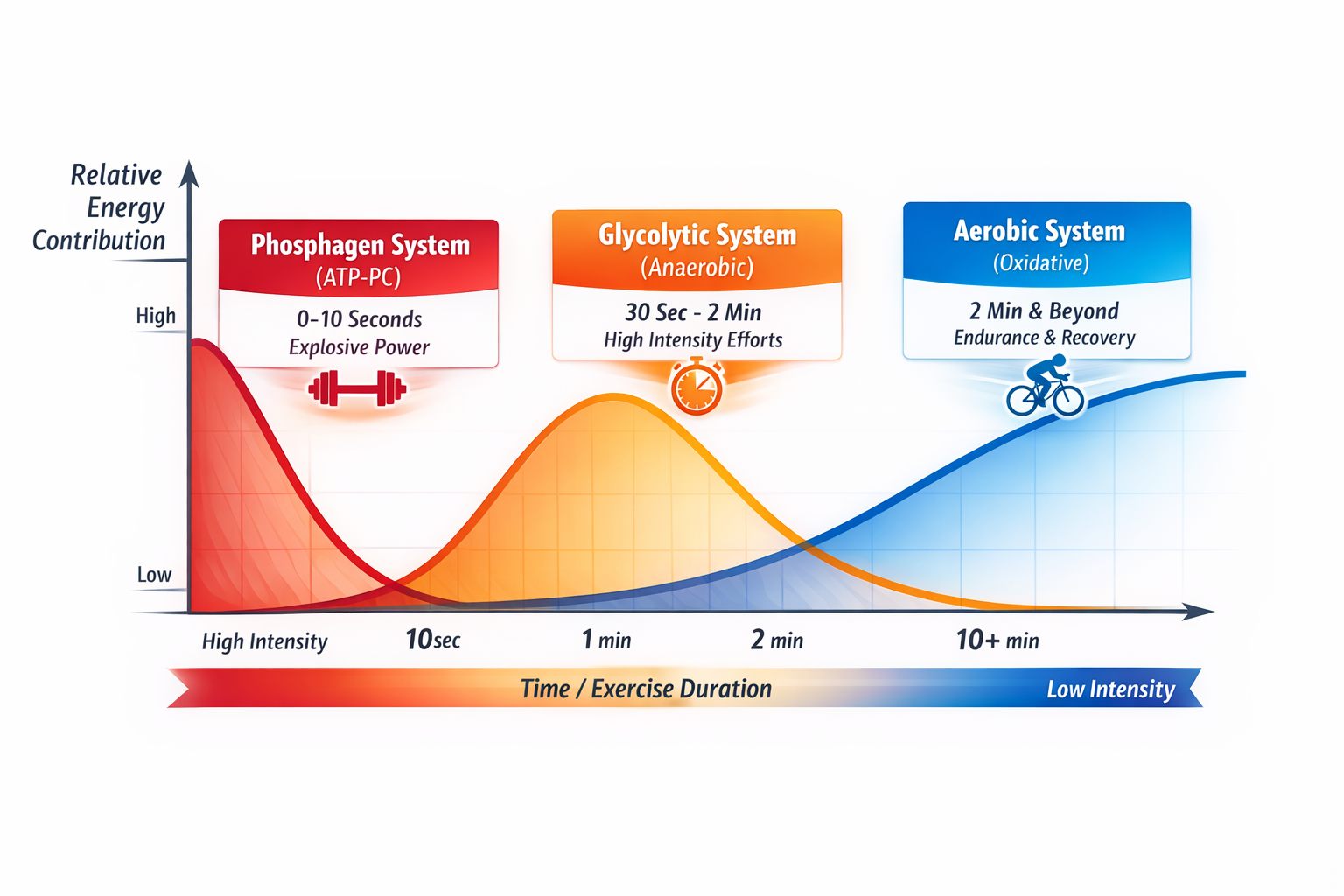
These lower intensity activities help move nutrients into muscles while removing metabolic waste products generated during training.
The key difference between rest days and training days is overall intensity. Recovery days should allow the body to restore itself rather than accumulate additional fatigue.
Many athletes worry that taking rest days will slow their progress. In reality, the opposite is usually true.
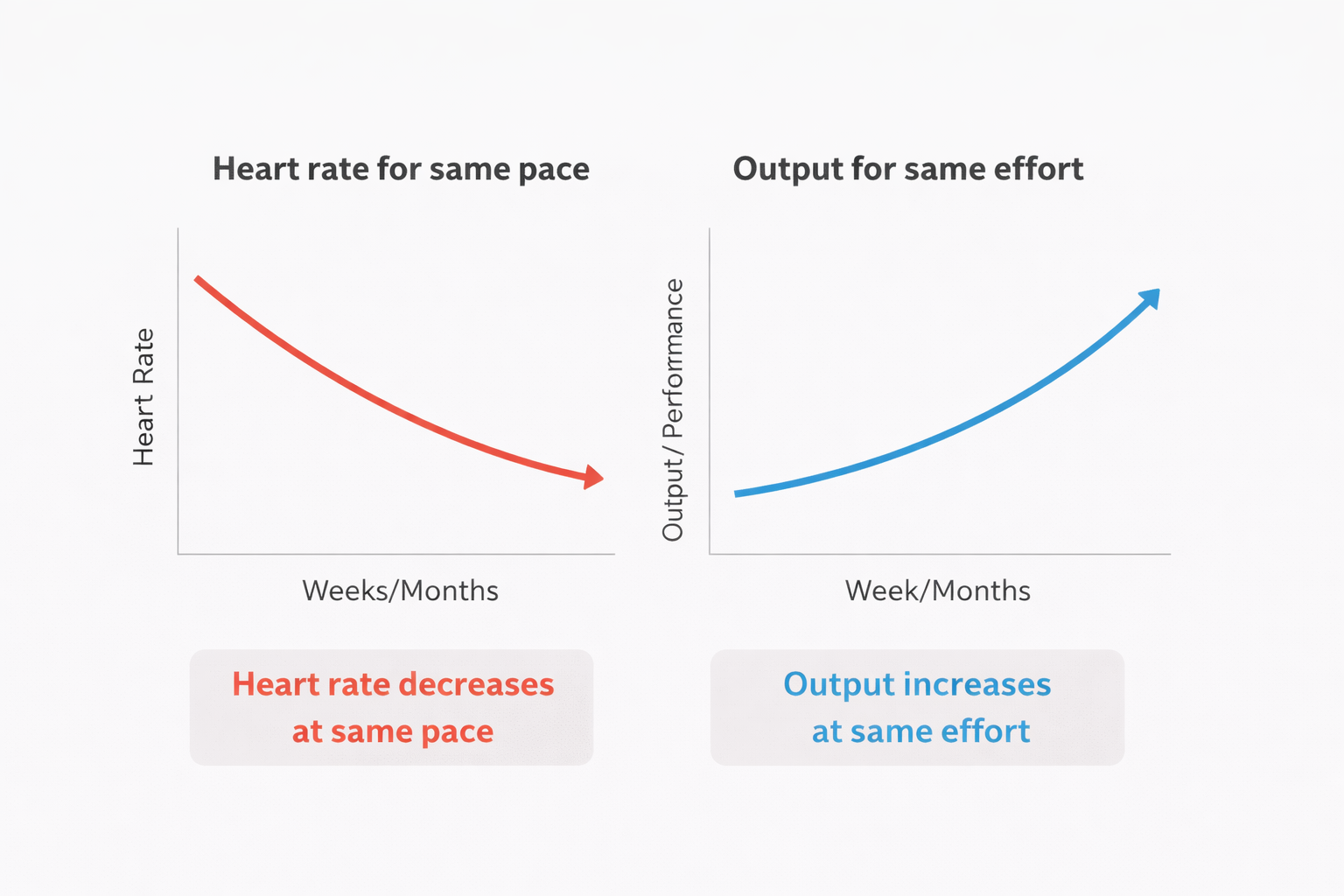
Proper recovery allows athletes to train harder and more effectively during their next session. Strength levels rebound, coordination improves, and energy systems are restored.
Consistent rest also reduces injury risk. Tendons, ligaments, and joints recover more slowly than muscles, and rest days provide the time necessary for these tissues to maintain long term durability.
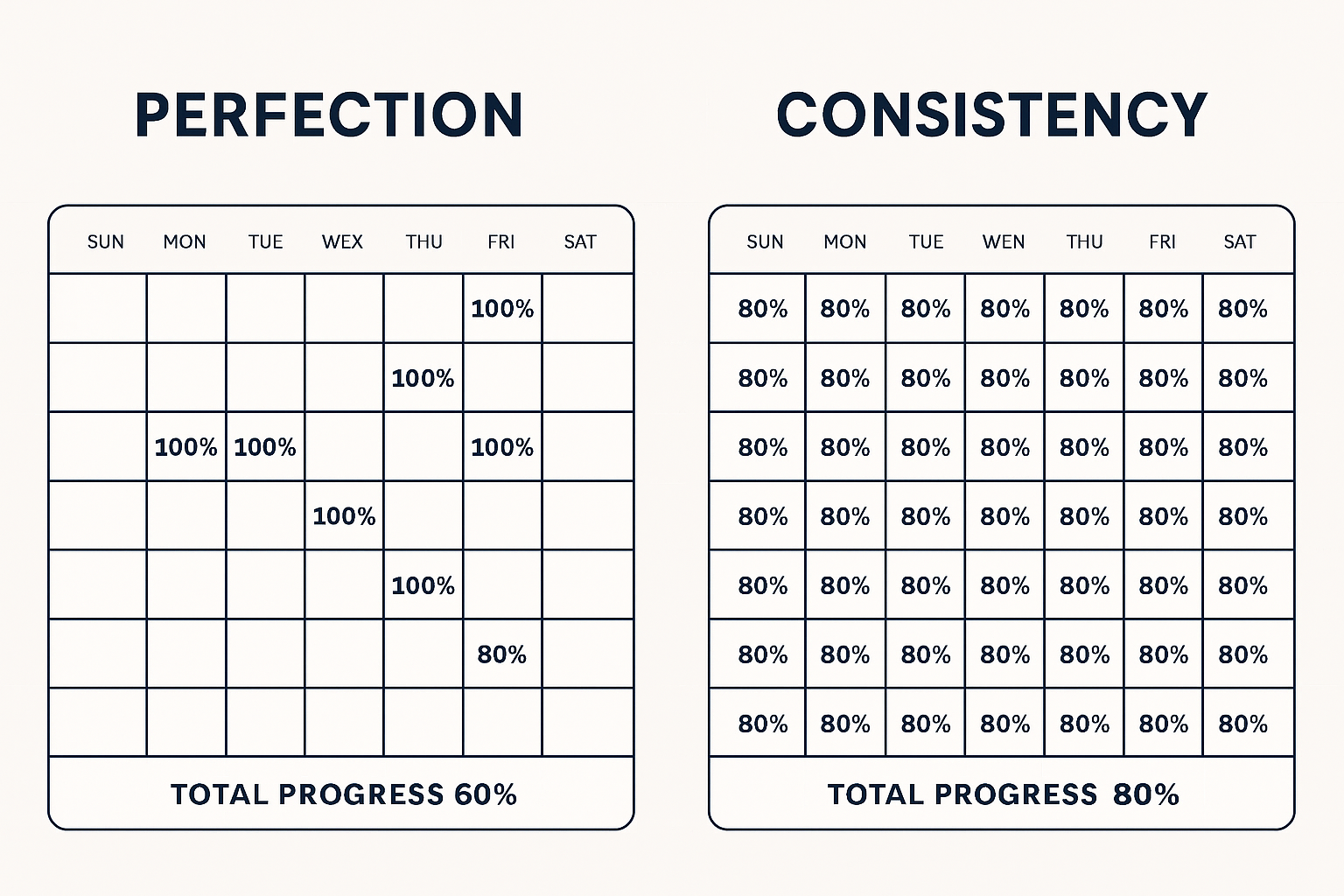
Athletes who build recovery into their training schedule often experience more consistent progress and fewer setbacks.
Training creates the stimulus for improvement, but recovery allows the body to adapt to that stimulus. Rest days give muscles, energy systems, and the nervous system time to repair and rebuild.
Athletes who consistently incorporate rest into their training schedule are better able to sustain progress, maintain performance, and avoid burnout.
Rest is not the absence of training. It is a critical part of the training process itself.