Why Easy Days Feel Too Easy and Hard Days Feel Too Hard
Easy workouts can feel too slow and hard workouts overwhelming. Learn why this contrast is essential for progress and performance.
By
April 23, 2026

One of the most common reactions to structured training is confusion.
Some days feel almost too easy.
Other days feel overwhelmingly difficult.
It can feel inconsistent. Even frustrating.
But this contrast is not a flaw in the program.
It is the point.
If every workout feels the same, your training is not targeted.
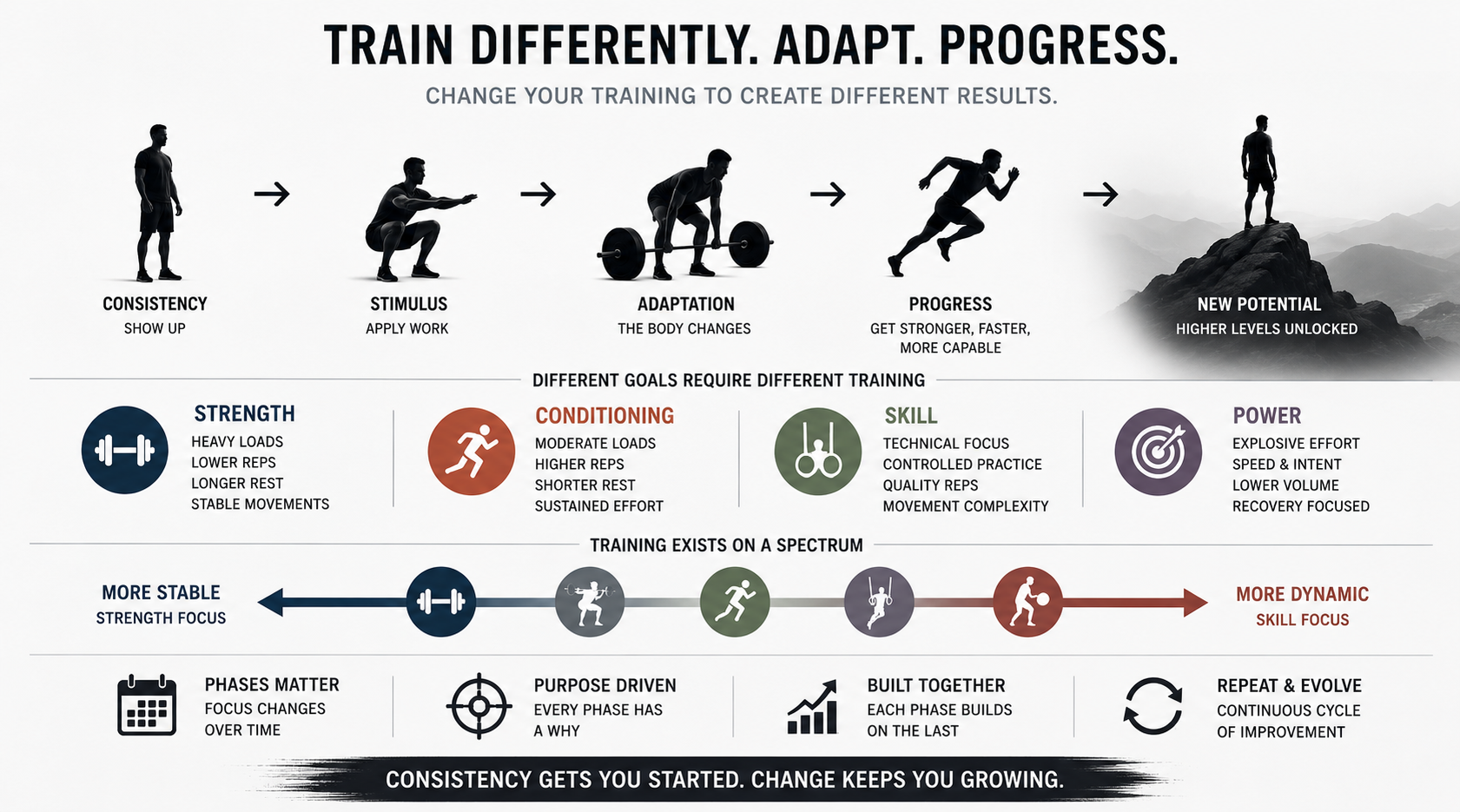
Progress comes from exposing the body to different types of stress.
Some sessions are meant to:
Others are meant to:
If every day lands in the middle, neither happens effectively.
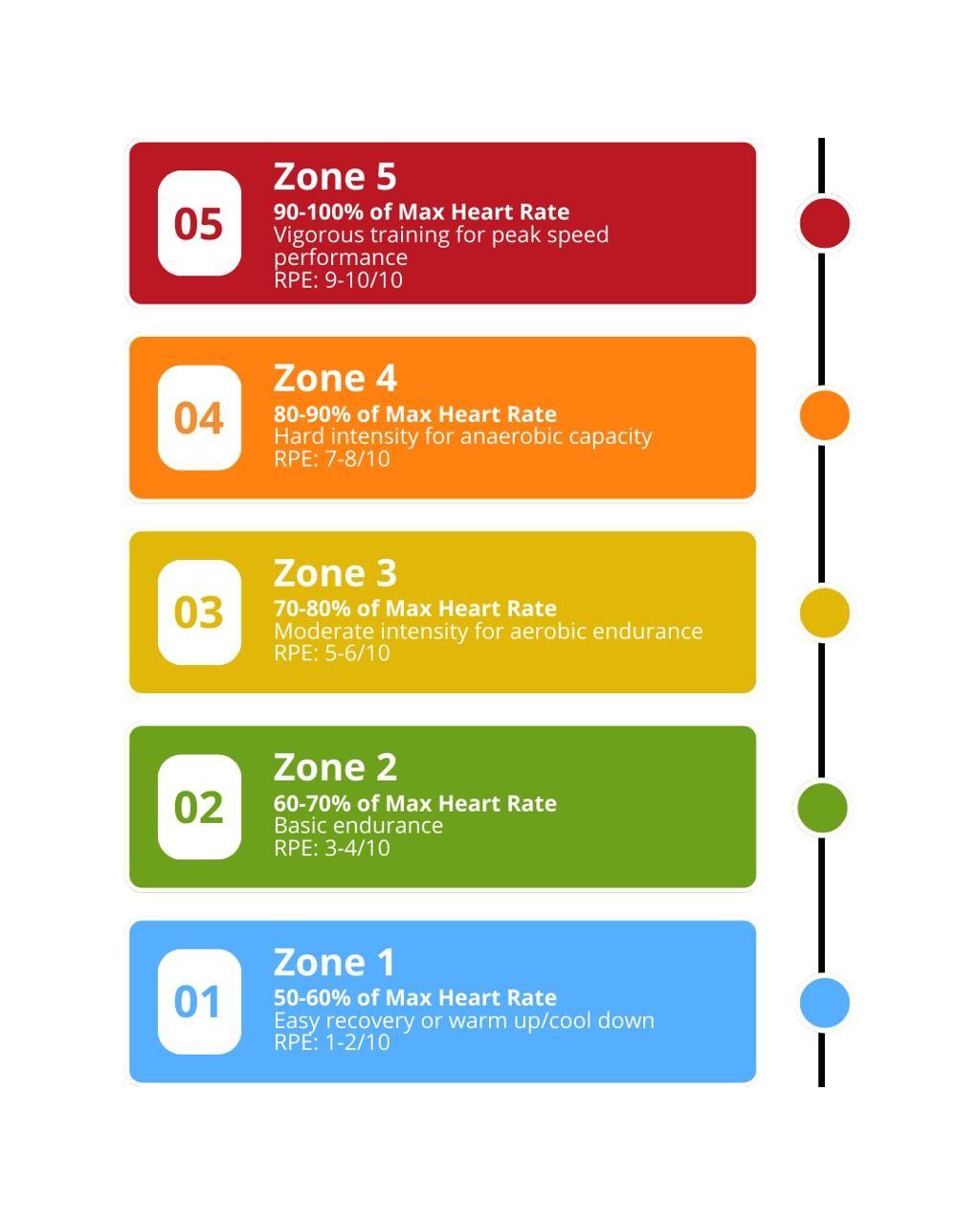
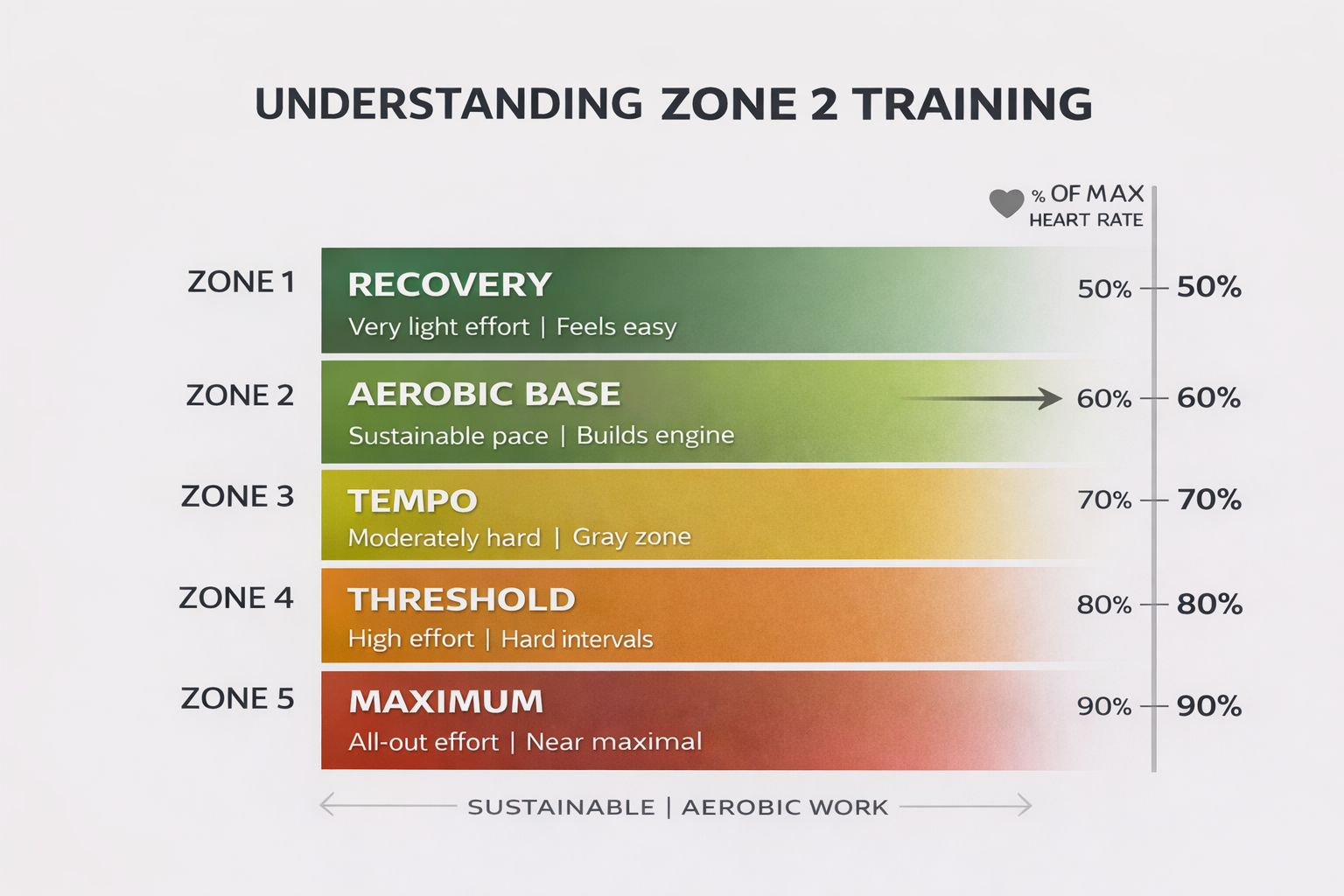
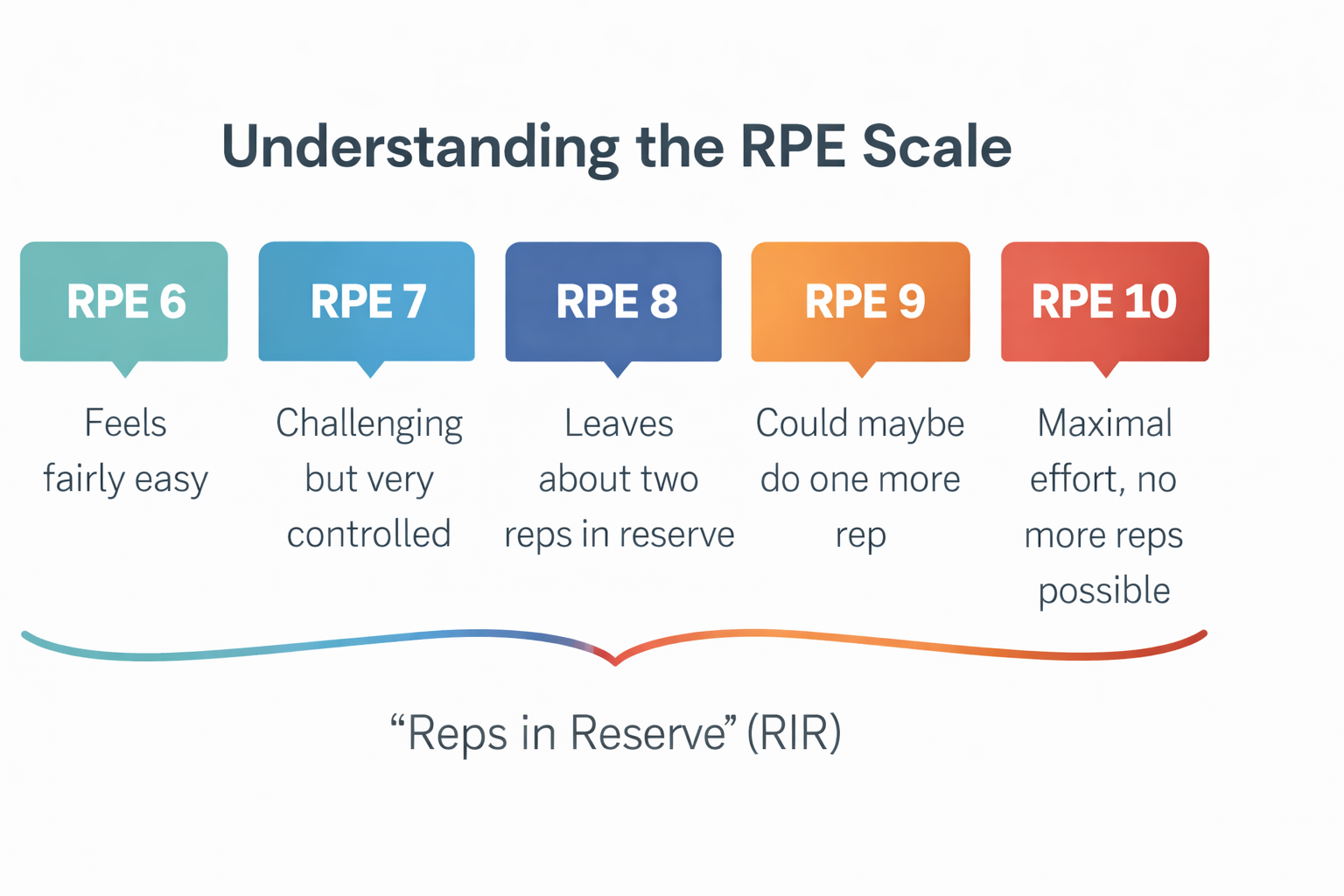
Easy days are designed to feel controlled.
They are not meant to test you.
They are meant to:
The challenge is not effort.
It is discipline.
Holding back when you feel capable of doing more is what makes these sessions effective.
Hard days are where intensity is applied.
These sessions are designed to:
Because easier days exist, you have the ability to push harder here.
Without that contrast, intensity loses its impact.
Most athletes naturally drift toward moderate effort.
Not easy enough to recover.
Not hard enough to drive adaptation.
This is where progress slows.
The middle feels productive, but it often leads to:
The separation between easy and hard days allows each to do its job.
Easy days:
Hard days:
Together, they create a system that is sustainable and effective.
You may notice:
This is normal.
The goal is not to make every session feel equally challenging.
It is to match effort to intent.
It can be tempting to:
This reverses the purpose of the program.
Progress comes from trusting the structure and executing each day as intended.
Training is not about how a single workout feels.
It is about how workouts build on each other over time.
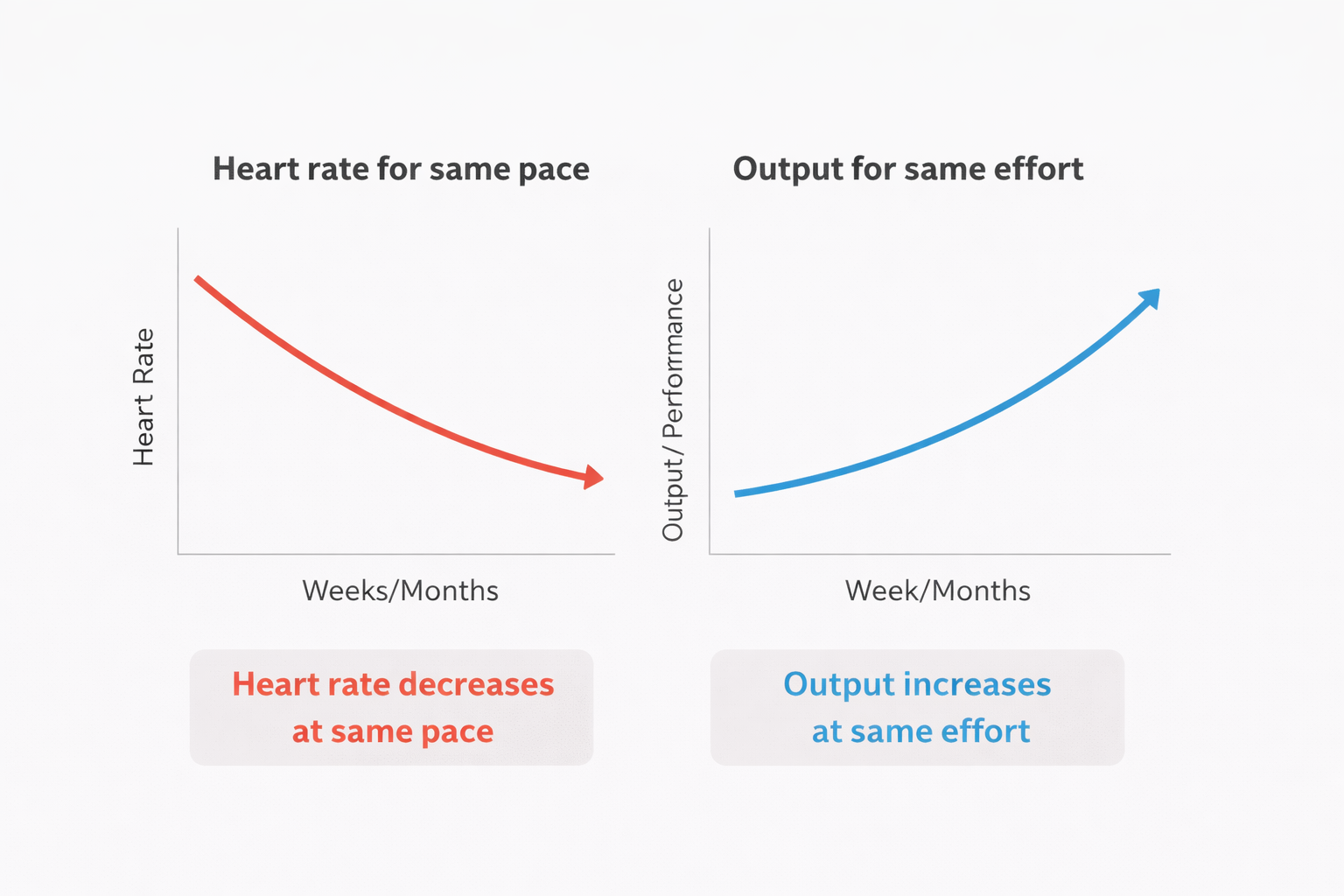
The variation in intensity is what allows:
If some days feel too easy and others feel very hard, you are on the right track.
That contrast is what creates improvement.
Stay disciplined on easy days.
Show up on hard days.
That balance is where real progress happens.