Why You Should Not Train to Failure Every Workout
Training to failure is not always the best approach. Learn when it helps, when it hurts, and how to train smarter for long-term progress.
By
April 1, 2026

Many athletes associate progress with pushing to the limit. The idea is simple. If you are not completely exhausted at the end of a workout, you did not work hard enough.
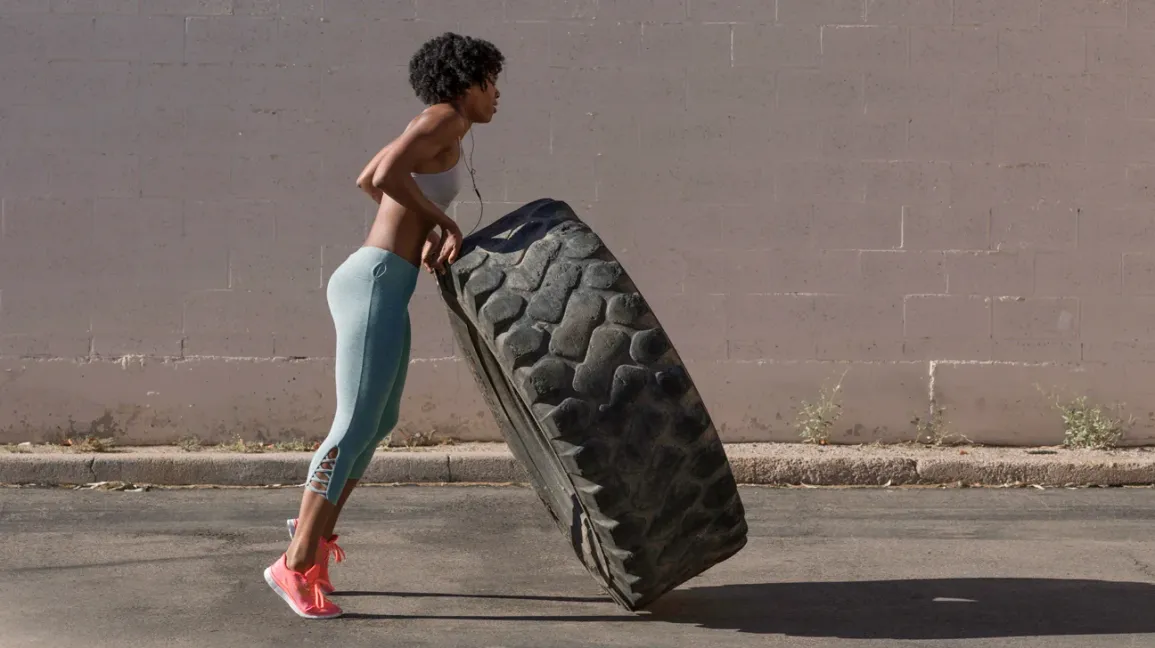
Training to failure means performing a movement until no additional reps can be completed with good form. While this approach can feel productive in the moment, it is not always the most effective way to train.
In fact, constantly training to failure can limit progress rather than accelerate it.
Training to failure creates a high level of muscular fatigue. It pushes the body to its limit and recruits a large number of muscle fibers.
This can be useful in certain situations, especially for building muscle or testing limits.
However, it also comes with a cost.
Training to failure:
The more often it is used, the more these costs accumulate.
Fatigue is not the goal. Adaptation is the goal.
It is possible to create a strong training stimulus without reaching failure. In many cases, stopping just short of failure produces similar strength and muscle-building results with less overall fatigue.
When athletes constantly push to failure, they often:
Over time, this limits how much productive training they can actually do.
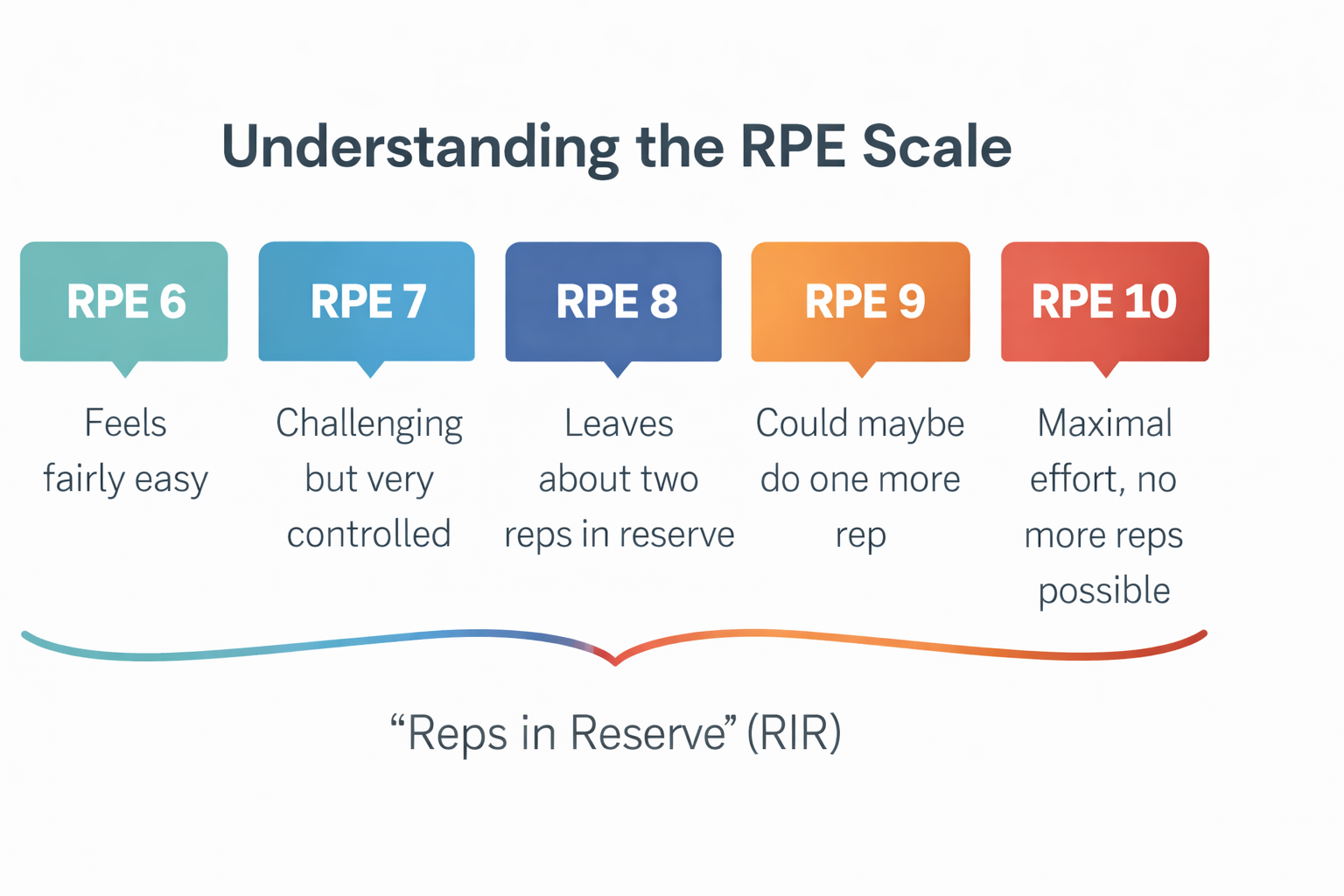
This is where RPE becomes important.
Instead of pushing every set to failure, athletes can train at an intensity that leaves one to three reps in reserve.
For example:
Most productive training happens in the RPE 7 to 9 range.
This allows athletes to:
Training to failure is not useless. It just needs to be applied intentionally.
It can be appropriate:
Using it strategically allows athletes to gain its benefits without accumulating unnecessary fatigue.
As fatigue increases, technique tends to break down.
This is especially important in compound movements like squats, deadlifts, and Olympic lifts. Poor positioning under fatigue increases injury risk and reduces the effectiveness of the lift.
Stopping just short of failure allows athletes to maintain:
Over time, this leads to better strength development.
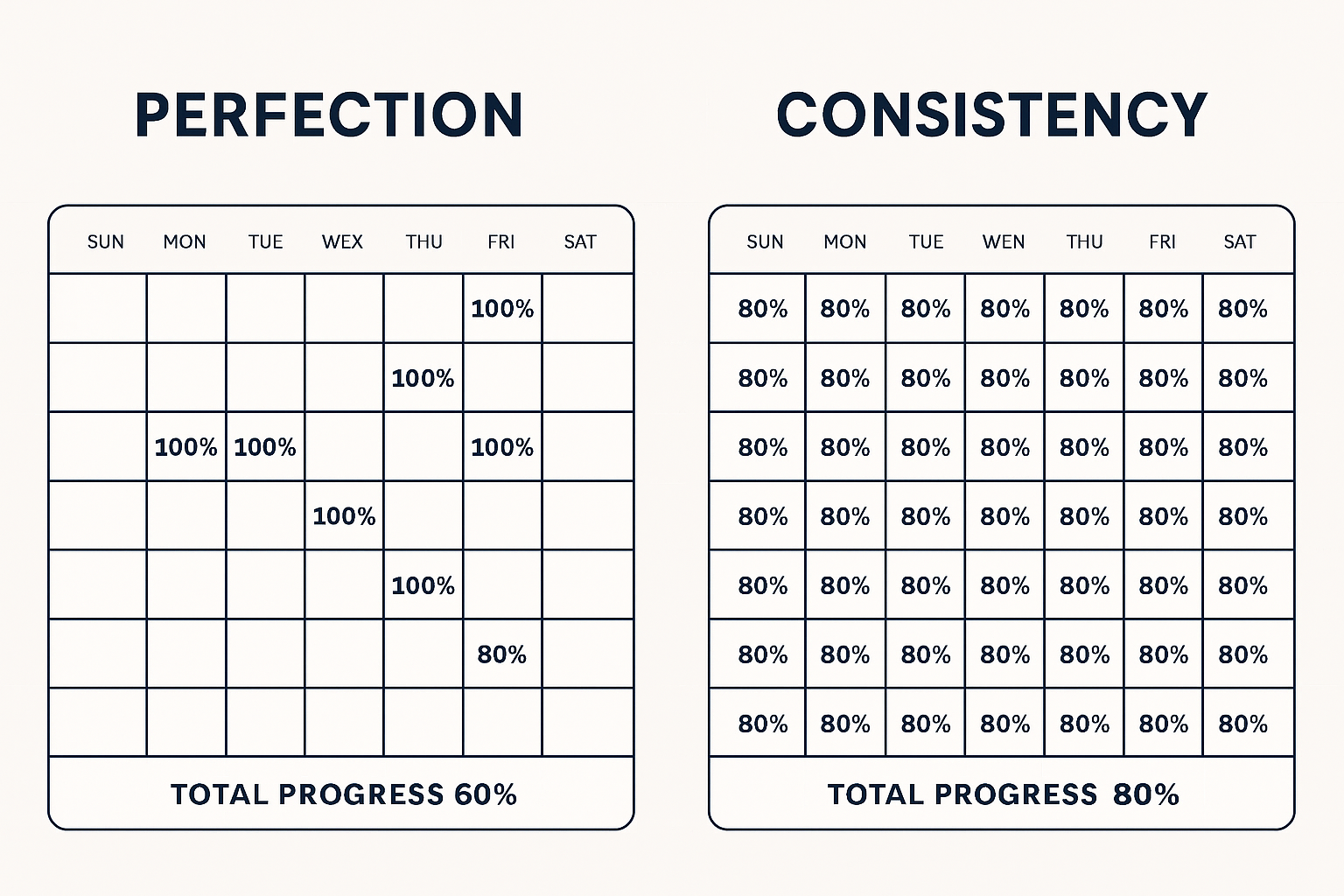
The biggest advantage of not training to failure is sustainability.
Athletes who manage fatigue effectively can:
Progress is not built in one workout. It is built over months and years of consistent training.
Training to failure feels productive, but it is not always effective.
Most athletes will make better progress by training hard without going to failure on every set. Managing intensity allows for better technique, improved recovery, and more consistent performance.
Effort still matters. The difference is applying it with intention.
Train hard, but train smart.