Why Slower Training Makes You Faster
Zone 2 training improves endurance, recovery, and performance. Learn how slower training helps you move faster and perform better over time.
By
April 7, 2026

At first, it does not make sense.
If you want to get faster, stronger, or more competitive, why would you spend time training at a slower pace?
It feels like a step backward.
But for most athletes, the opposite is true.
Slower, controlled training is what allows higher performance when it actually matters.
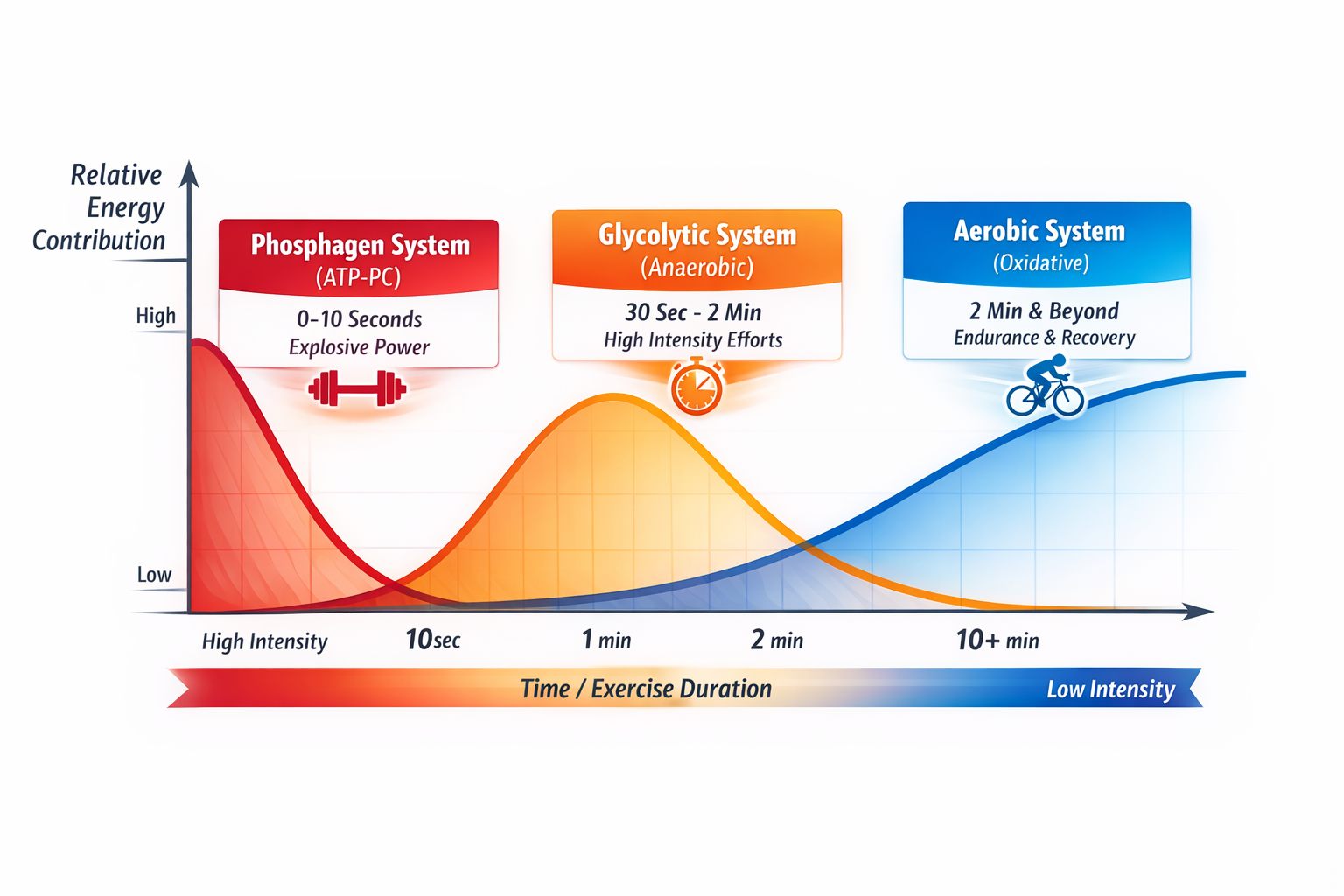
Every workout relies on the aerobic system.
Even high-intensity efforts are supported by it.
Between sets, between intervals, and even during hard efforts, the body depends on its ability to:
This is what people mean when they talk about having an engine.
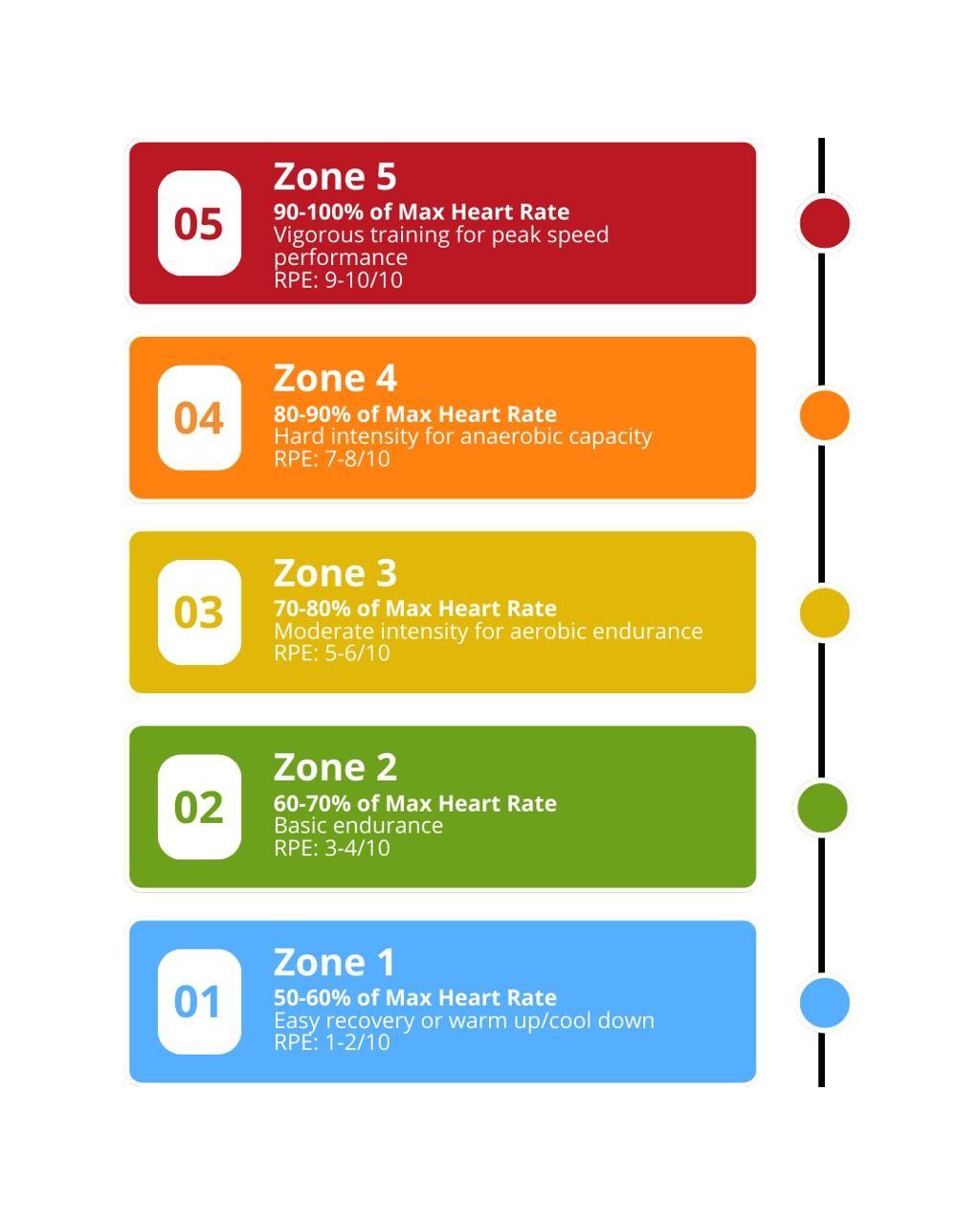
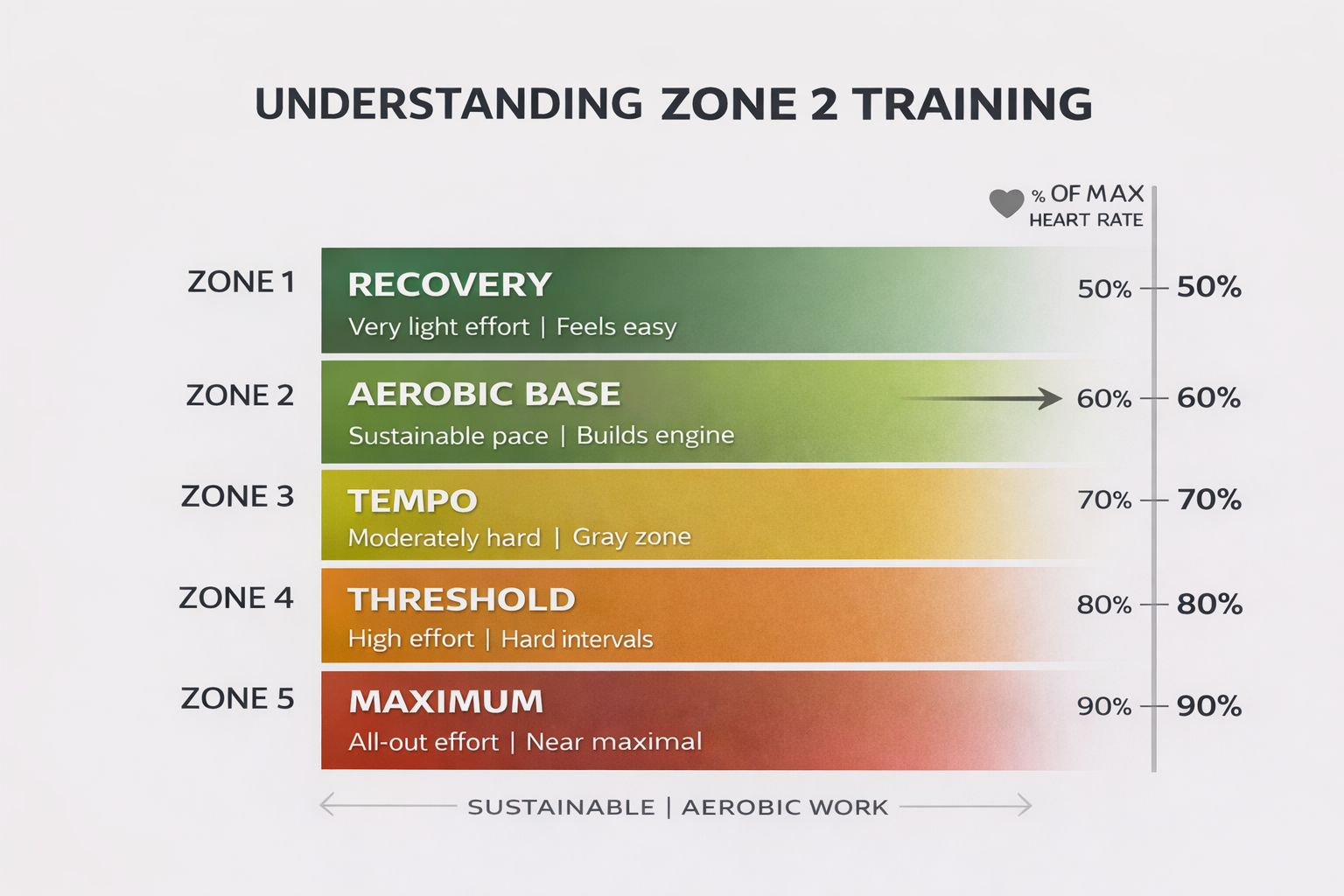
Zone 2 training is what builds that engine.
High-intensity training is important, but it is limited.
You can only sustain it for short periods. It creates a lot of fatigue and requires significant recovery.
If all training is high intensity:
Athletes often feel like they are working hard, but not improving.
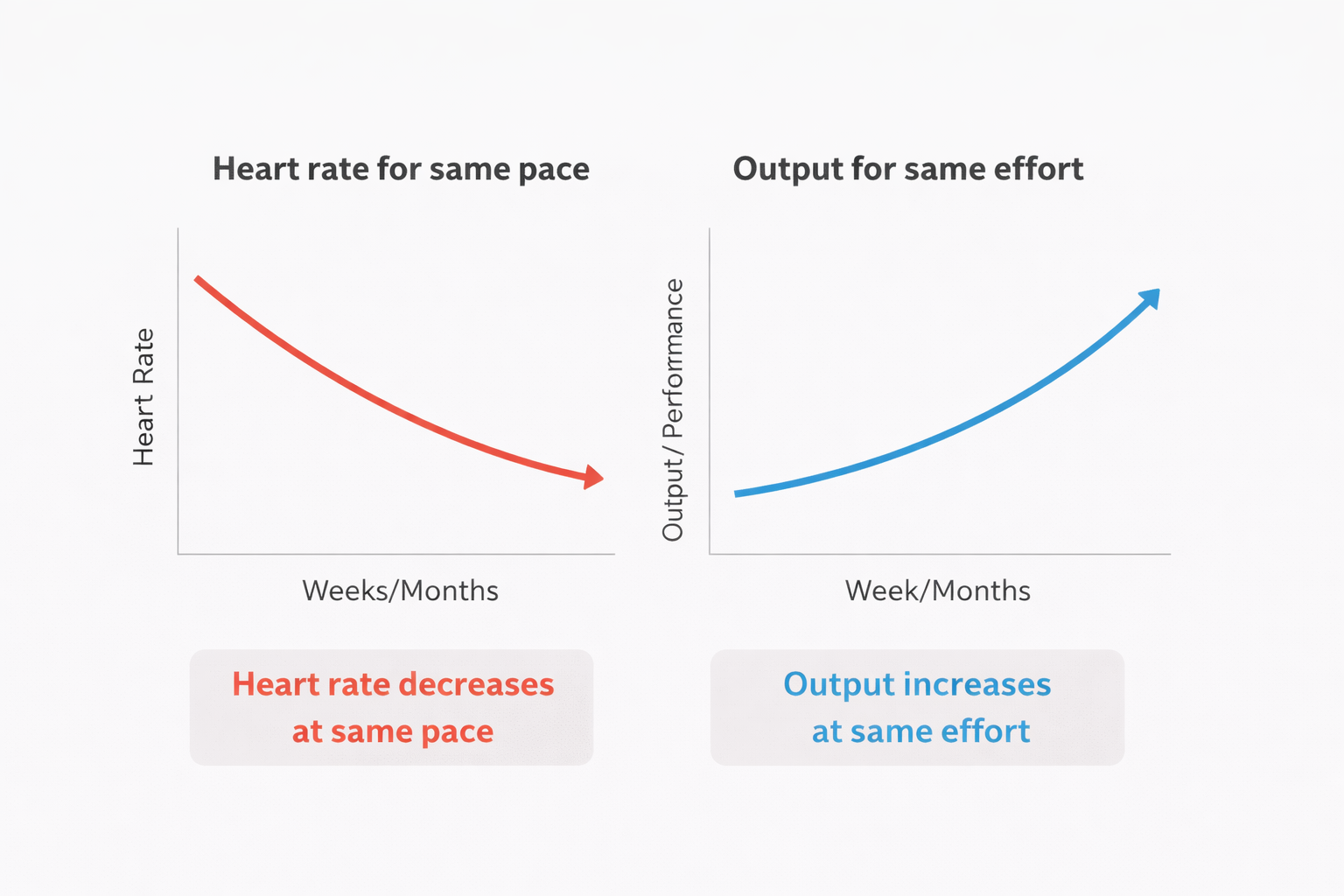
Zone 2 training improves the systems that support everything else.
Over time, it leads to:
These changes are not always obvious immediately, but they show up in performance.
Athletes with a stronger aerobic base notice:
They recover faster between sets
They can maintain pace longer
They do not fall off as quickly in longer workouts
They can push harder when it counts
The difference is not just how hard they can go.
It is how long they can sustain it.
Zone 2 training builds over time.
Each session may feel simple, but the adaptations accumulate.
This creates:
These changes allow athletes to handle more training and get more out of it.
Athletes are used to associating progress with intensity.
Sweating more, breathing harder, and pushing limits feels productive.
Zone 2 does not always feel that way.
It requires patience and discipline.
But the athletes who commit to it consistently are the ones who improve the most over time.
The goal is not to replace high intensity.
It is to support it.
Zone 2 builds the base.
High intensity expresses it.
Without a strong base, high-intensity performance is limited.
With it, performance becomes more consistent and more repeatable.
If your training feels slower at times, it is intentional.
Those sessions are not filler.
They are building the capacity that allows everything else to improve.
The work may not feel impressive in the moment, but it is what creates long-term results.
Faster is not built by going all out every day.
It is built by developing the systems that support performance.
Slower training gives you the ability to go harder when it matters and sustain it when others cannot.
That is what real progress looks like.