Functional Training Exercises That Actually Improve Your Fitness
Functional training exercises improve strength, coordination, and real-world performance. Learn how these movements translate to better fitness and daily life.
By
April 24, 2026
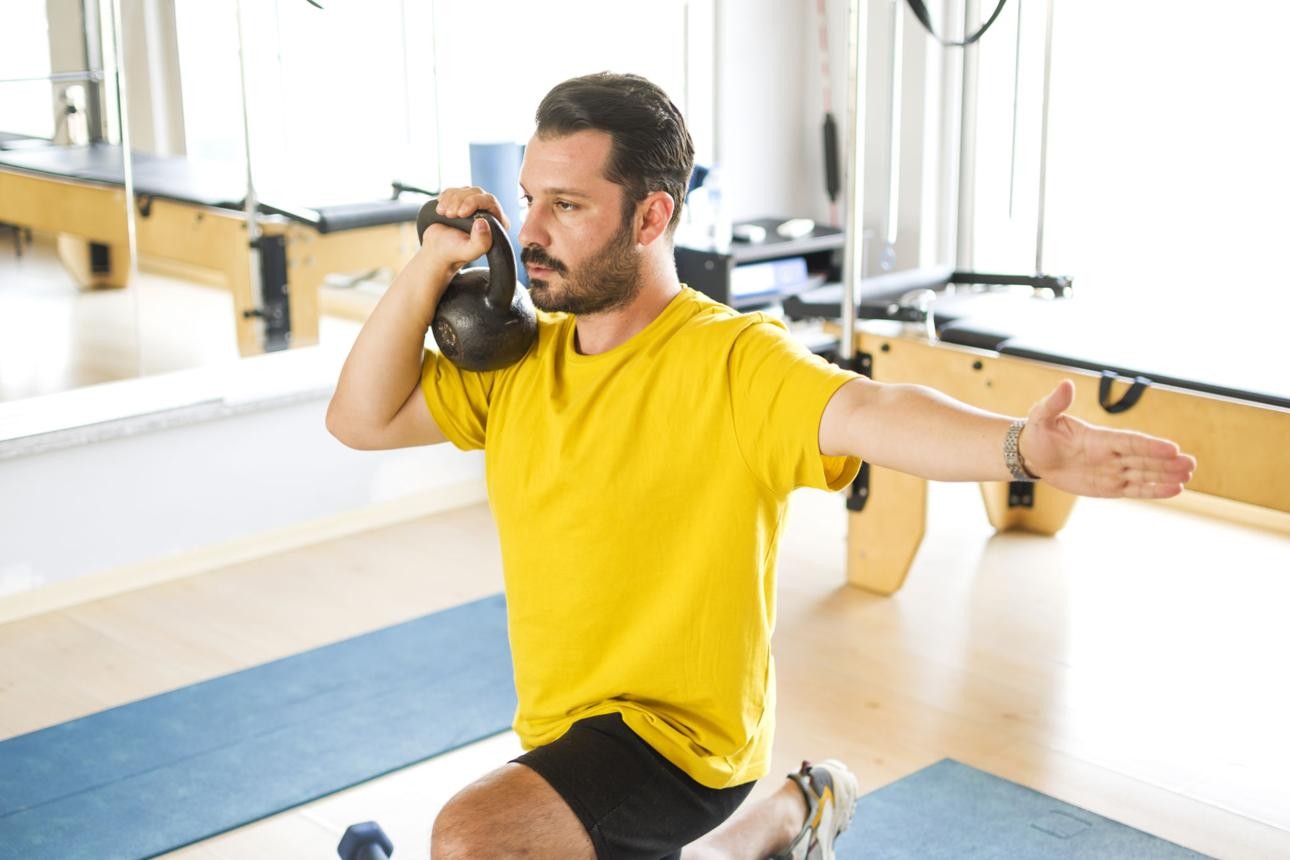
The term “functional training” gets used a lot.
Sometimes it is used to describe creative exercises. Sometimes it is used to justify unusual or overly complex movements.
But at its core, functional training is simple.
It is training that improves your ability to move well and perform in real-world situations.
Functional training is not about doing something that looks different.
It is about doing something that transfers.
That means movements that:
The goal is not novelty. It is usefulness.
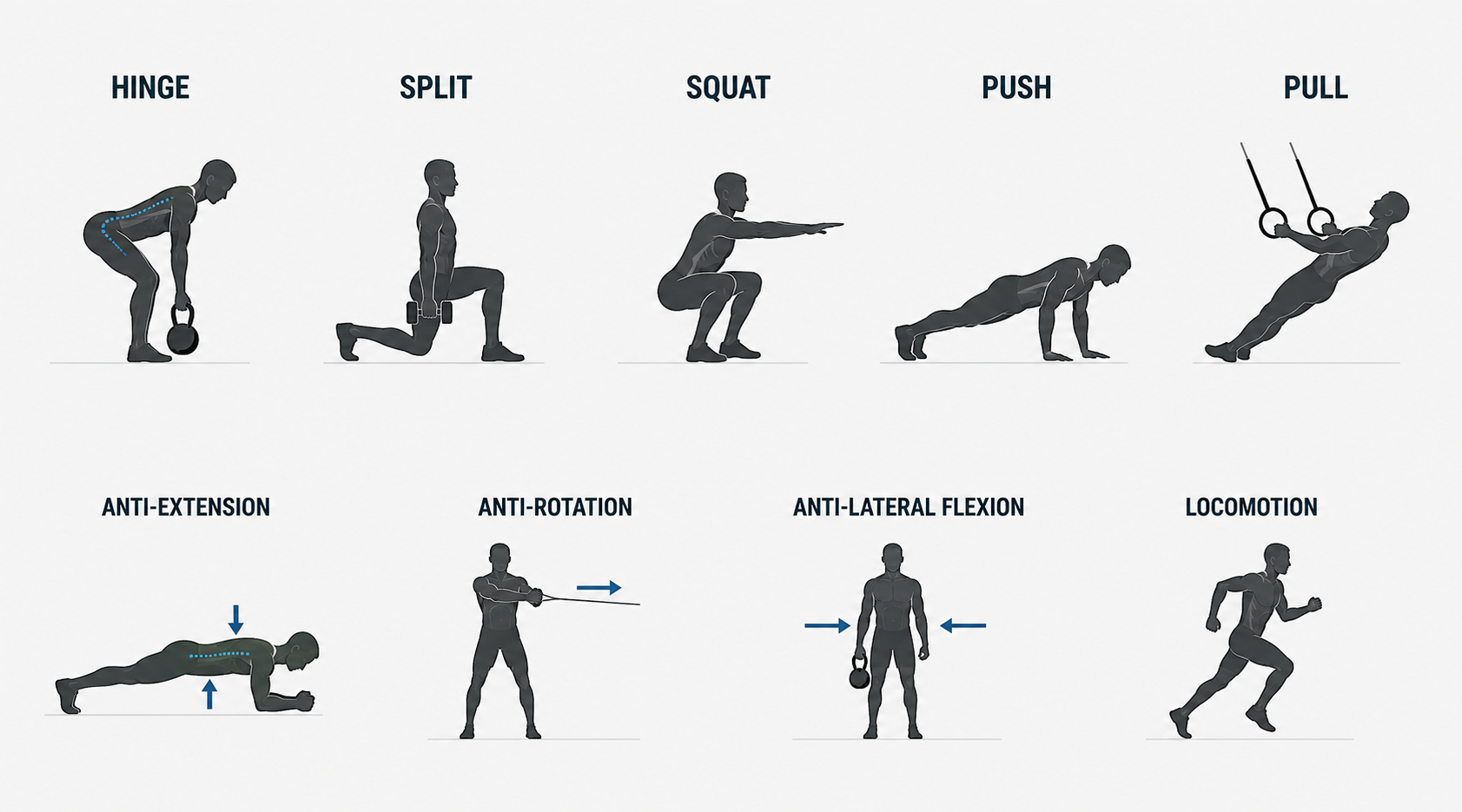
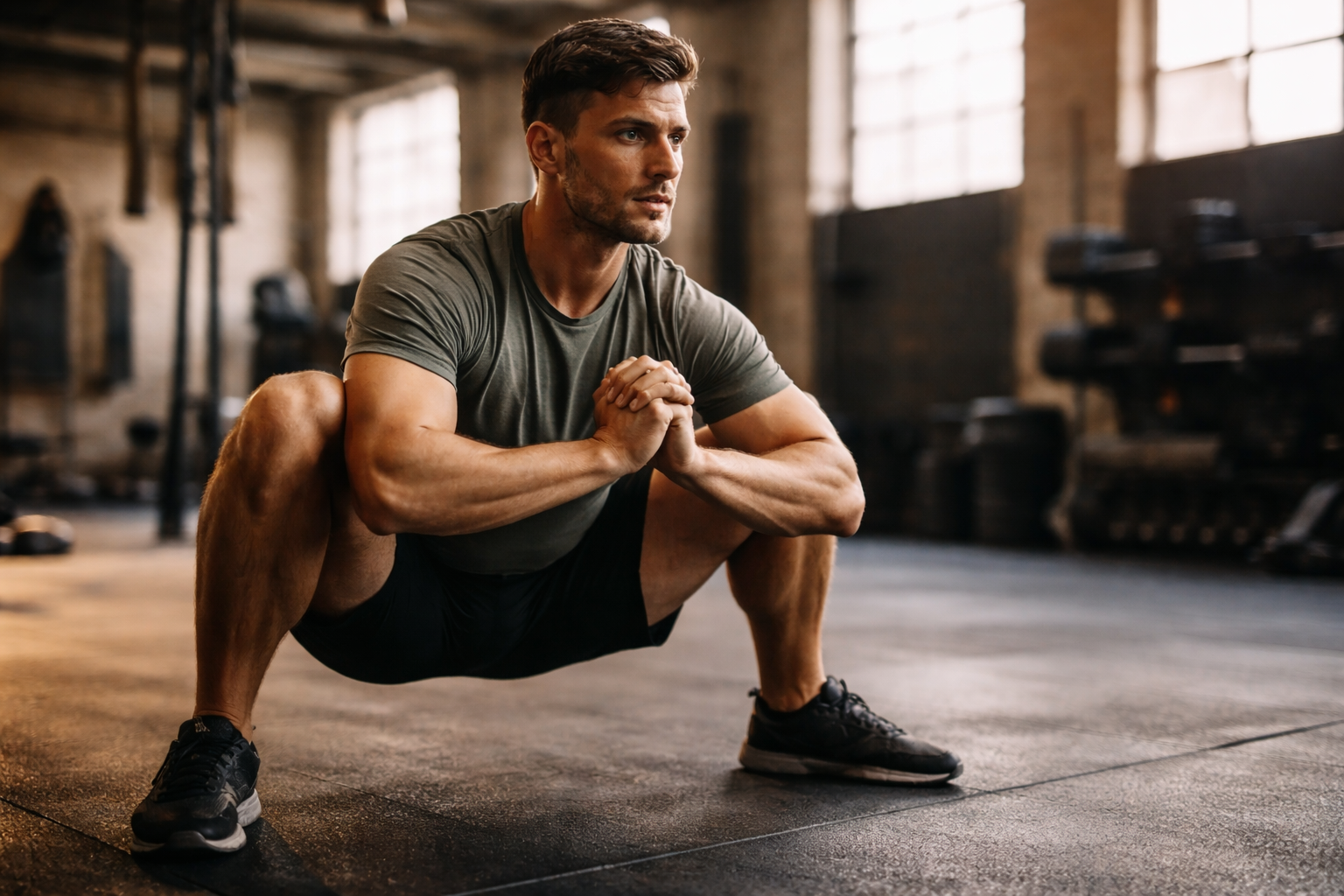
Most functional movements fall into a few key categories:
These patterns show up in everyday life.
Picking something up. Standing up. Reaching overhead. Carrying groceries.
Training these patterns builds strength that actually translates.
Functional training does not need to be complicated.
In fact, overly complex exercises often reduce effectiveness.
The more complicated a movement becomes:
Basic movements, done well, provide the most benefit.
One of the most important aspects of functional training is range.
Moving through full ranges of motion:
Half reps and shortened ranges may feel easier, but they limit long-term progress.
Functional training is not just about strength.
It is about control.
Being able to:
This is what allows strength to be applied effectively.
Many of the movements you already do are functional.
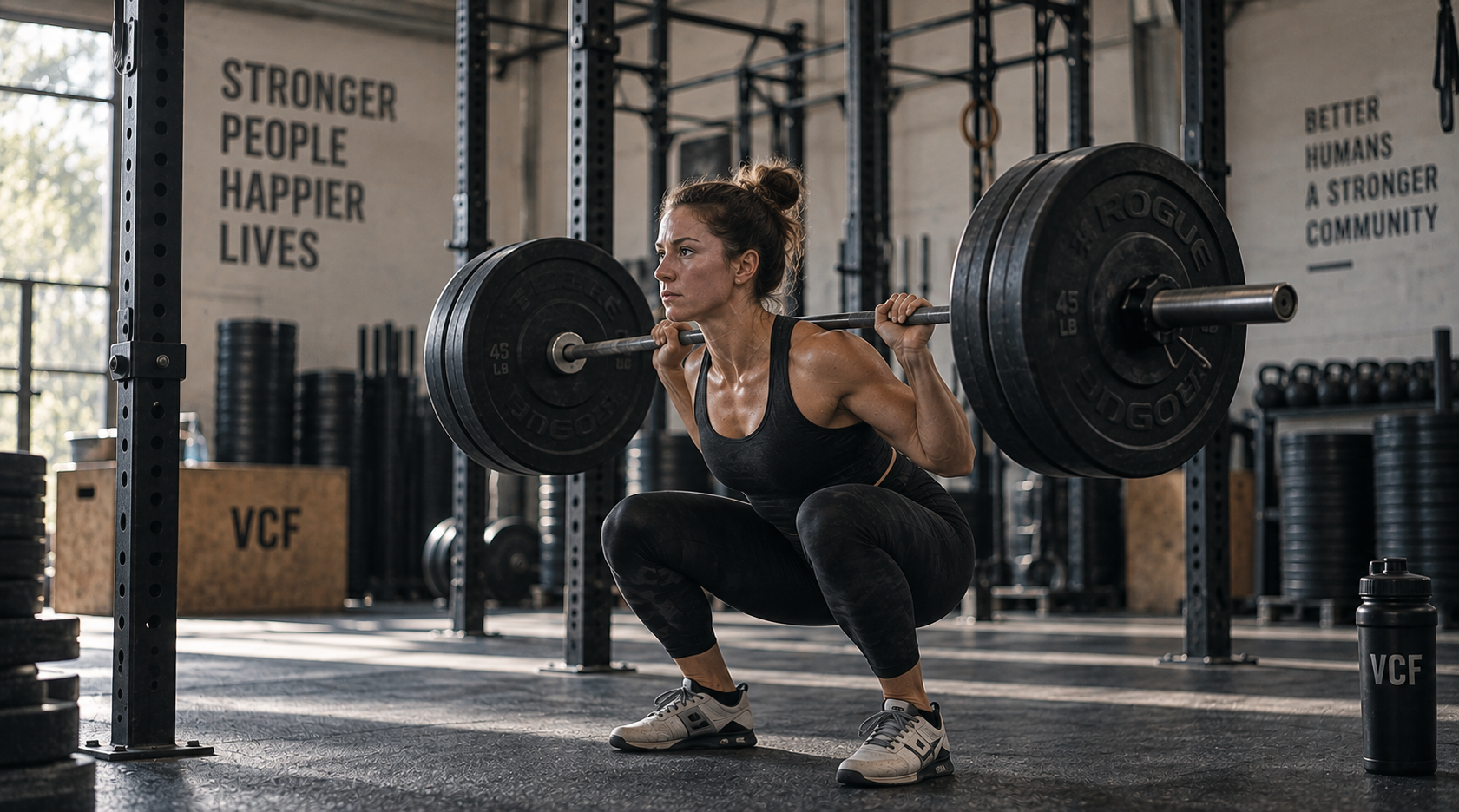
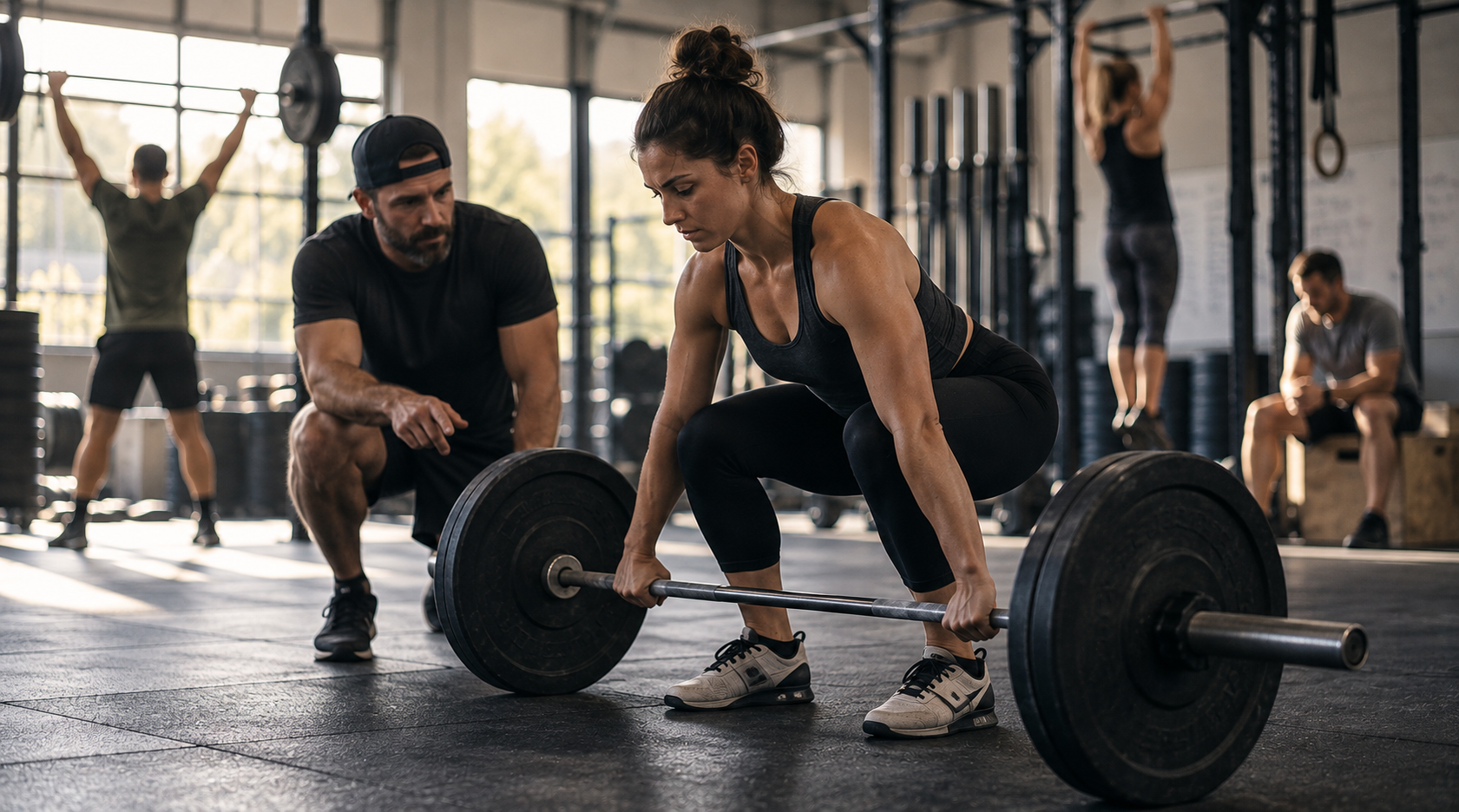
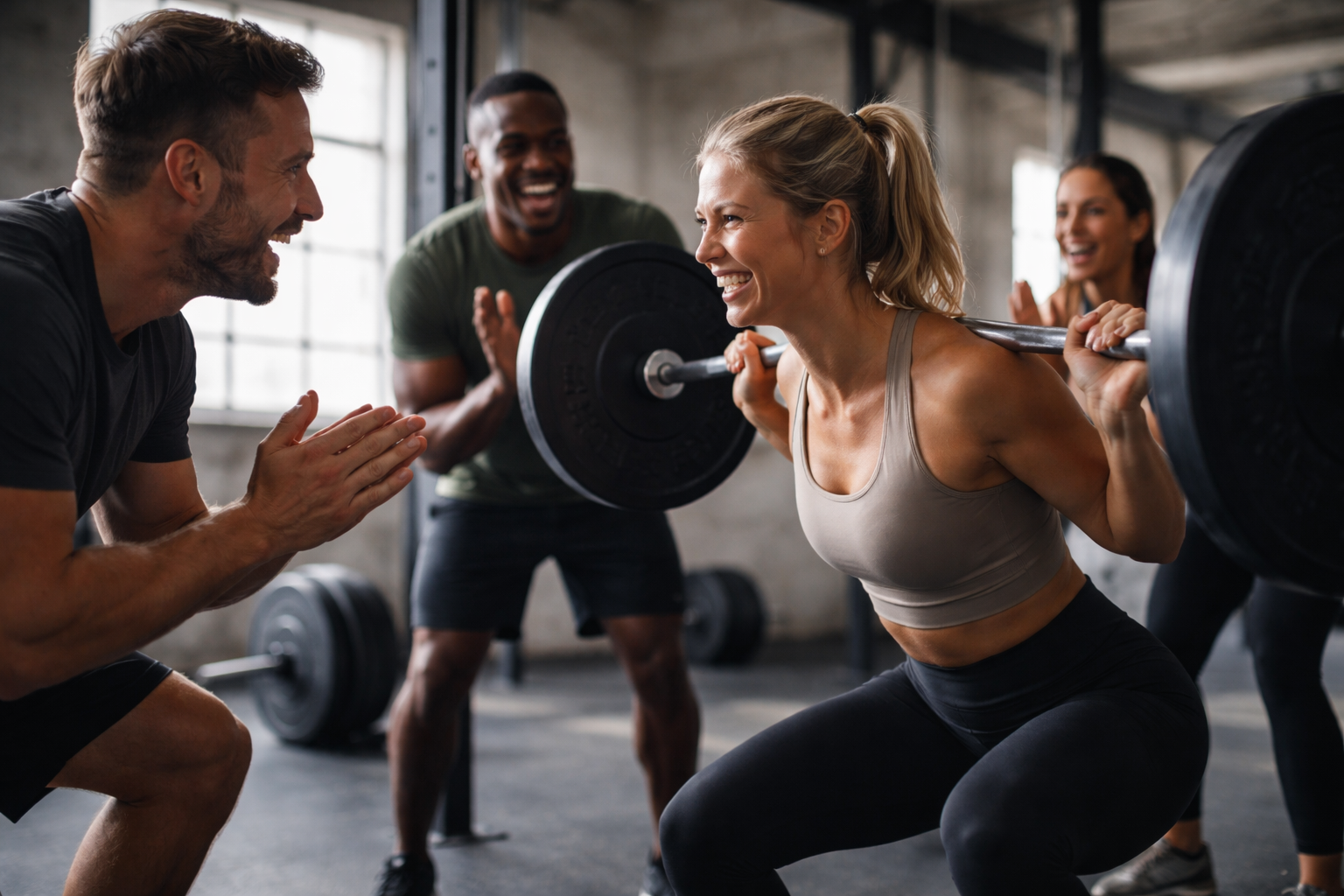
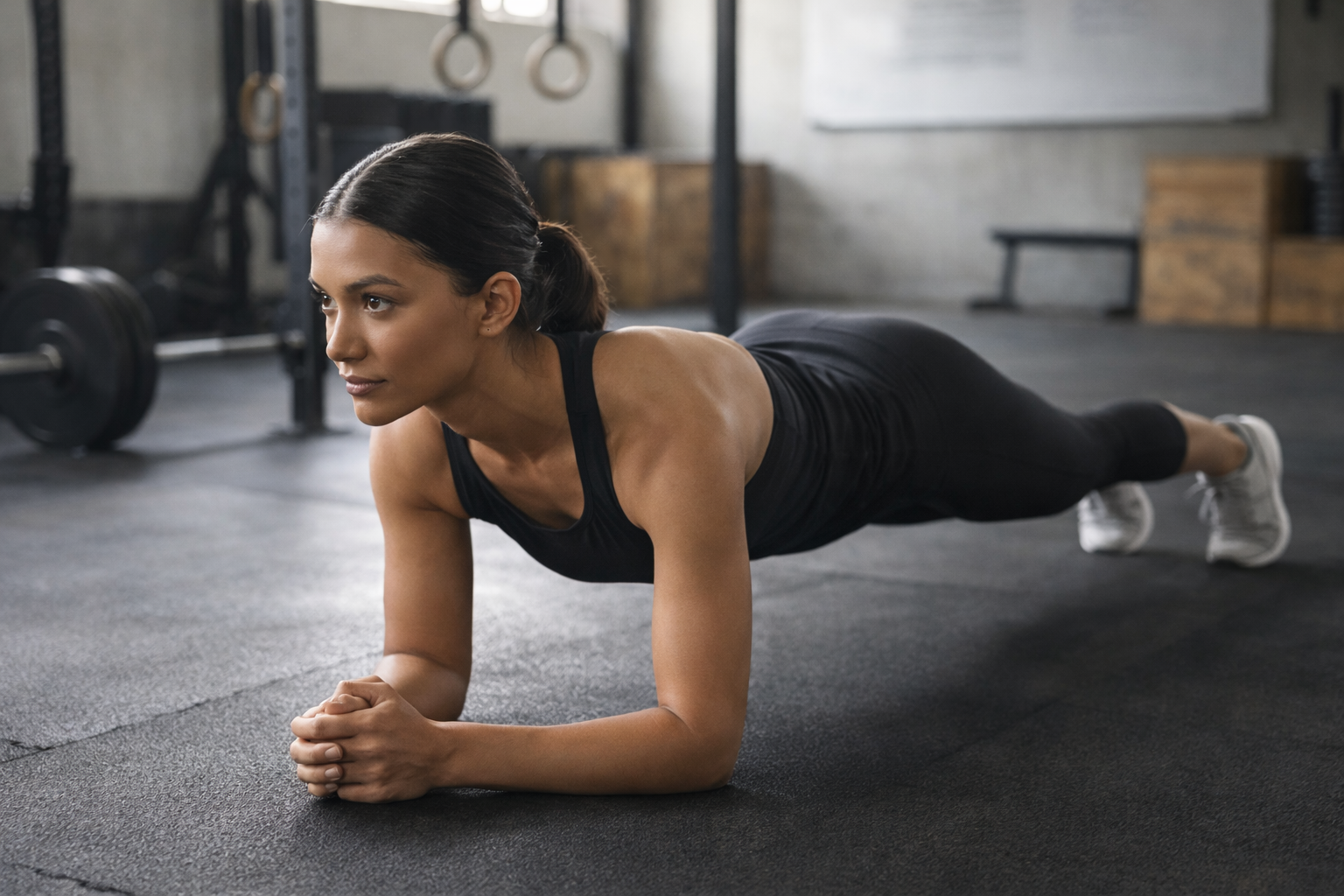
Squats, deadlifts, presses, carries, and bodyweight movements all build transferable strength.
Conditioning adds:
Together, they create a system that prepares you for more than just the gym.
Functional training is not:
It is not about balancing on unstable surfaces or adding unnecessary layers to a movement.
If something becomes harder to control, harder to load, or less transferable, it becomes less functional.
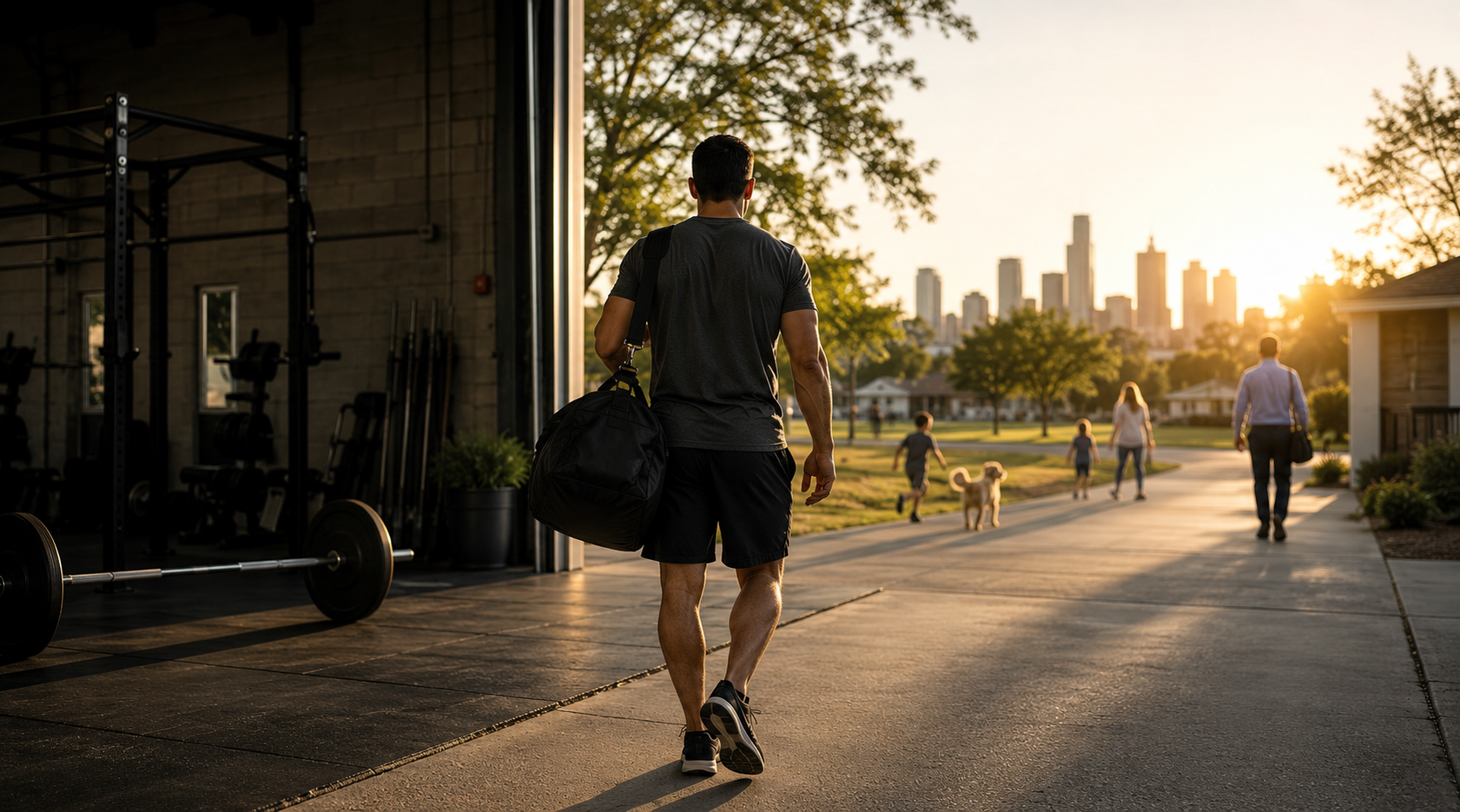
Training should improve how you move in everyday life.
It should make you:
Functional training ensures that the work you do carries over beyond the gym.
The goal is not just to get better at workouts.
It is to build a body that can handle a wide range of demands.
Functional training develops strength, control, and coordination in a way that supports long-term performance.
Functional training is not about doing more.
It is about doing what matters.
Focus on movements that transfer, build strength through full ranges, and prioritize control.
That is what leads to lasting progress.