How to Build Strong, Pain-Free Wrists and Elbows for Training

Wrist and elbow pain are common in lifting and gymnastics. Learn why they happen, how to modify movements, and how to strengthen the joints for long-term durability.
By
William Baier, MS, CSCS, USAW, CFL2
December 6, 2025
How to Build Strong, Pain-Free Wrists and Elbows for Training

William Baier, MS, CSCS, USAW, CFL2

   •    

December 6, 2025

How to Build Strong, Pain-Free Wrists and Elbows for Training

Your wrists and elbows aren’t weak—they’re overloaded.

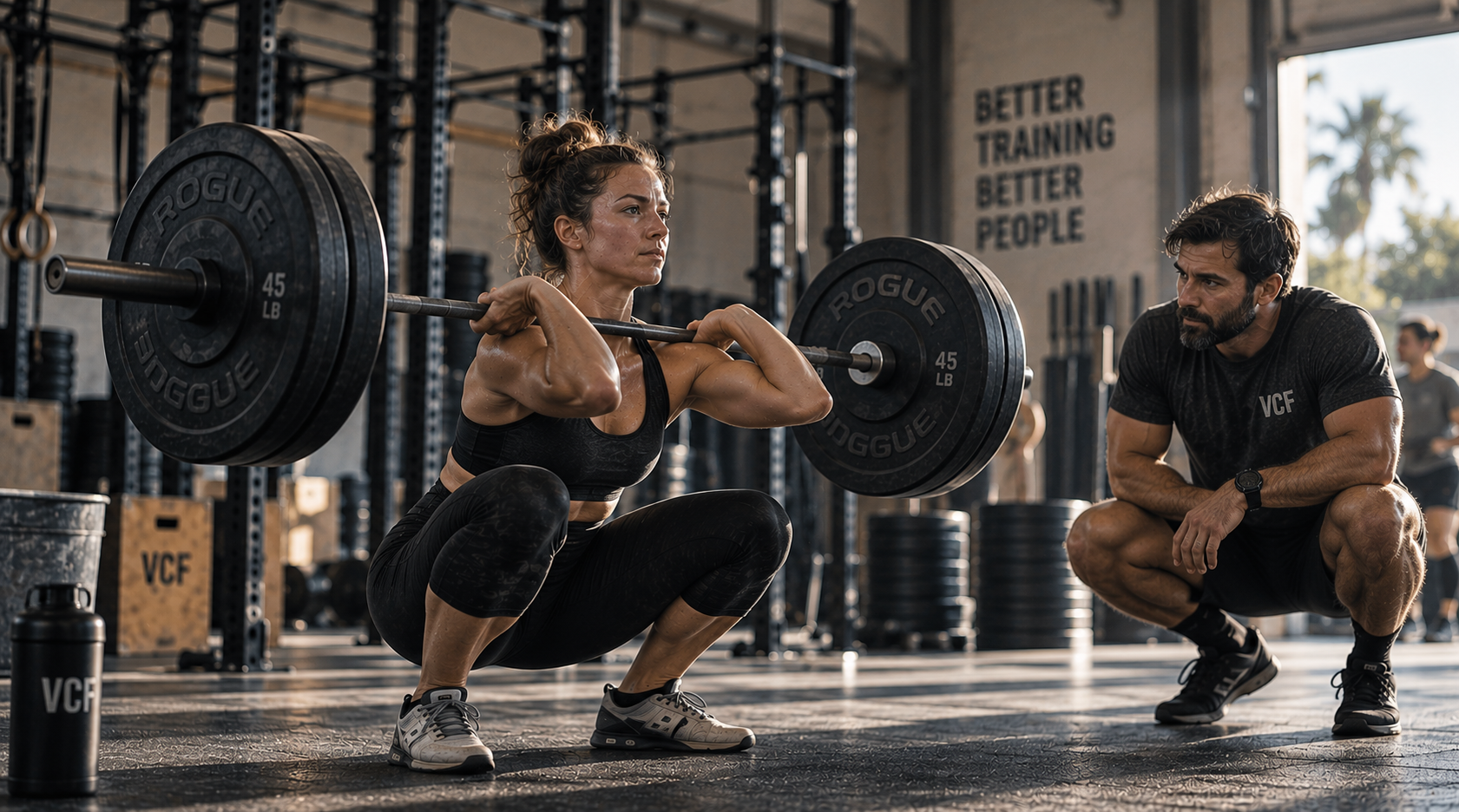
In functional fitness, these joints take a beating: front rack positions, handstands, dips, pull-ups, cleans, and heavy pressing.

Most wrist or elbow pain comes from load tolerance issues, mobility limitations, or technique—not structural injury.

With the right adjustments, you can keep training while building long-term durability.

Why Wrist and Elbow Pain Happens

Wrist and elbow joints rely on small stabilizers, forearm musculature, and clean mechanics. When these areas fatigue or compensate, pain follows.

Common stressors include:

  • Limited wrist extension during front rack or handstands
  • Tight forearms or overuse from high-volume grip work
  • Jumping ahead to advanced gymnastics skills too quickly
  • Poor bar path in cleans and snatches
  • Imbalances between pushing and pulling volume

Pain often starts as tenderness, stiffness, or irritation during gripping or weight-bearing… and worsens when ignored.

Step 1: Assess What Type of Pain You’re Feeling

Wrist pain during front rack: usually mobility or bar position
Pain on the inside of elbow (golfer’s elbow): overuse of flexors from pull-ups, toes-to-bar, and grip fatigue
Pain on the outside of elbow (tennis elbow): overuse of extensors from snatches, cleans, and kettlebell work
Sharp pain during weight-bearing: modify immediately

Understanding the source guides the solution.

Step 2: Improve Wrist Mobility and Front Rack Position

Poor wrist extension is the root of most barbell and handstand discomfort.

Target mobility above AND below the joint:

Focus on:

  • Forearm soft tissue work with a ball or roller
  • Wrist extension stretch on a bench or floor
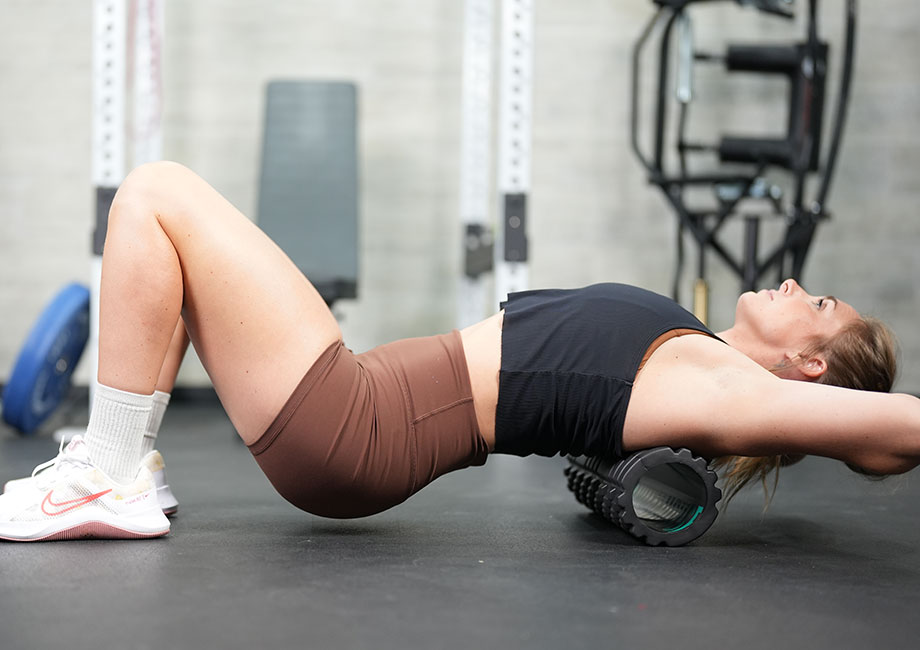
  • Thoracic spine mobility (impacts front rack position)
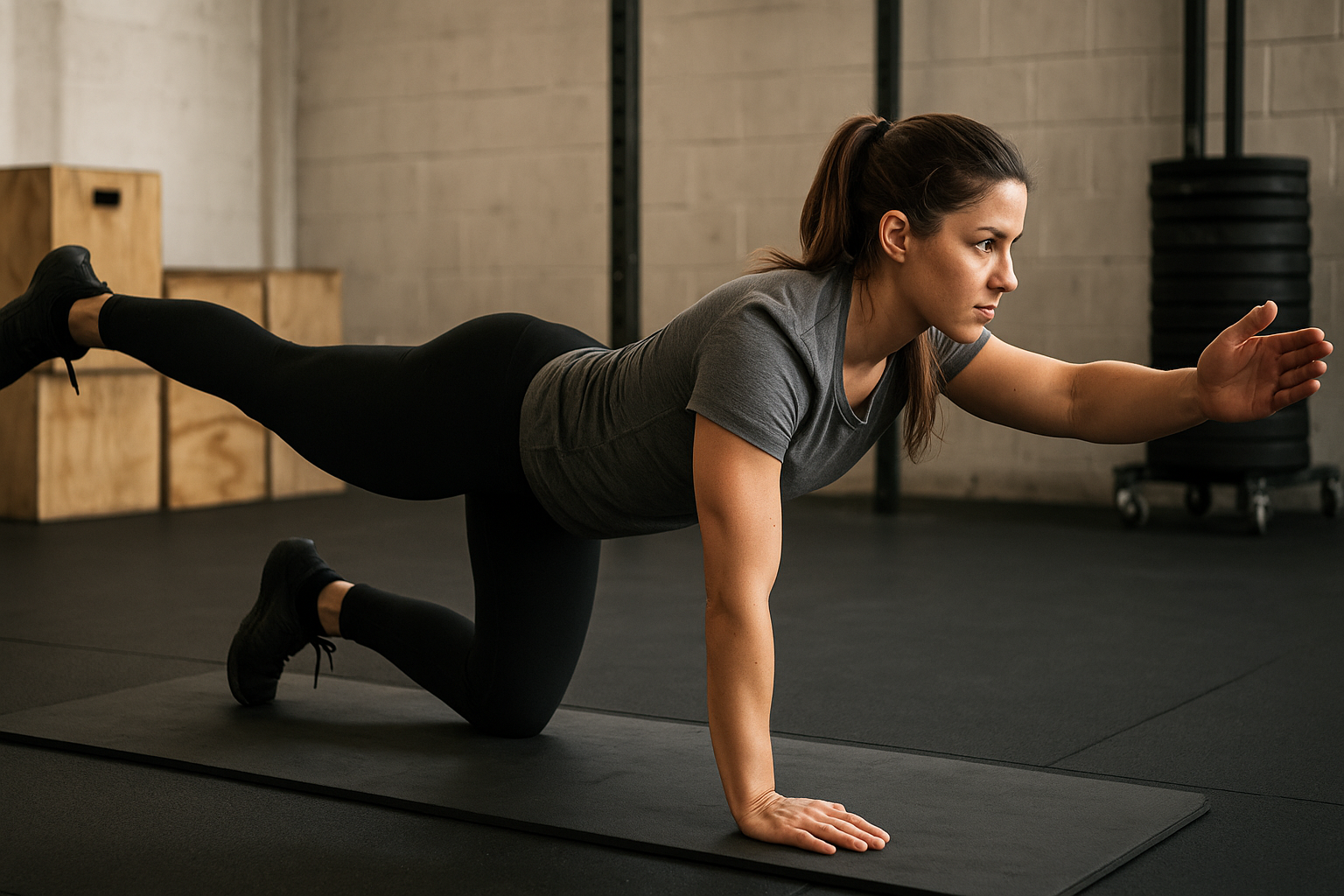
  • “Finger-forward” quadruped rocks for controlled extension

A better front rack means less strain on the wrists—and better bar path.

Step 3: Build Forearm Strength and Tendon Resilience

Your wrists and elbows depend on the strength of the tissues surrounding them.

Strengthen flexors, extensors, and gripping muscles.

Key movements:

  • Wrist curls (flexion and extension)
  • Reverse curls
  • Farmer’s carries
  • Plate pinches
  • Supination and pronation rotations
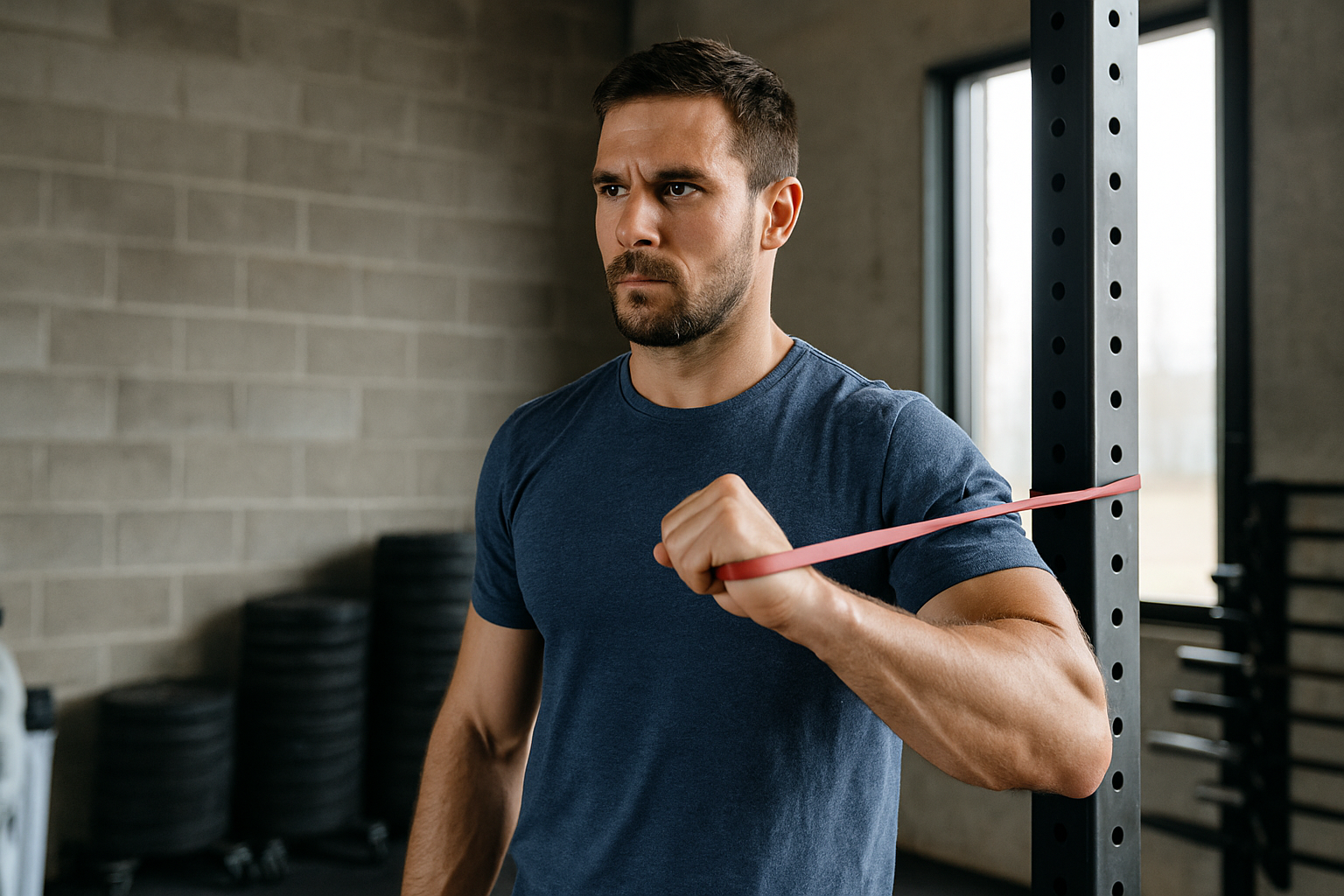
  • Banded wrist extension work

Keep reps controlled and pain-free. Tendons respond best to slow, progressive loading.

Step 4: Modify Movements Without Losing Progress

Training should continue—but with smart swaps that protect irritated tissues:

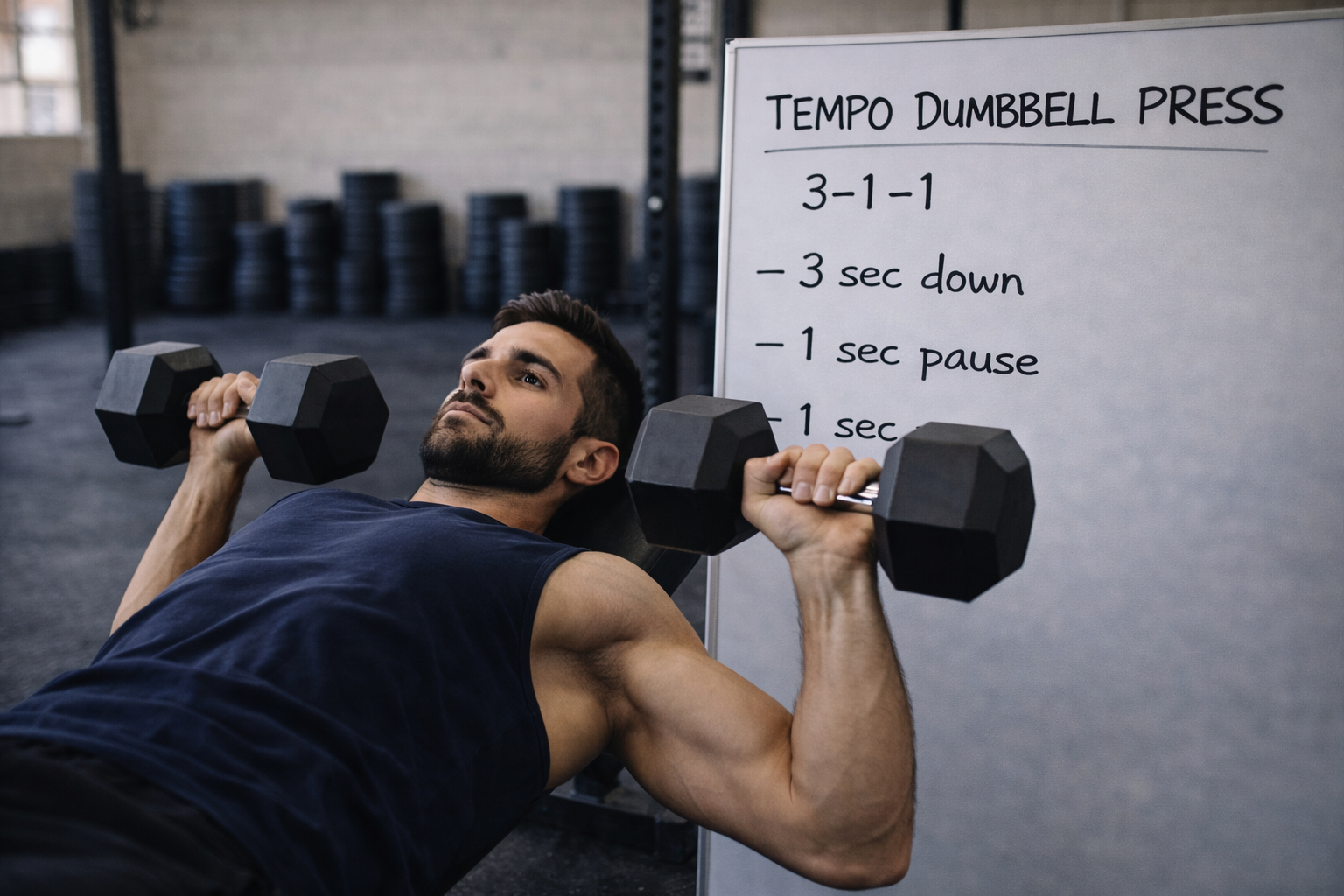
  • Use neutral-grip dumbbell presses instead of front rack barbell pressing
  • Swap kipping pull-ups for strict or banded variations to reduce elbow strain
  • Replace barbell cleans with kettlebell front rack if wrist extension is limited
  • Sub handstands with pike holds or wall walks until weight-bearing is comfortable
  • Choose straps on heavy pulls temporarily to unload grip volume

These adjustments maintain strength while symptoms calm down.

Step 5: Fix the Technique Issues That Cause Pain

Technique is often the hidden culprit:

  • Cleans caught in the fingertips instead of resting on the shoulders = wrist overload
  • Bent-arm pulling in gymnastics = elbow irritation
  • Overgripping the bar in kettlebell work = forearm fatigue
  • Landing cleans with elbows low = wrist impact

Clean movement means lower irritation and higher performance.

Step 6: Use Heat, Blood Flow, and Active Recovery

Unlike acute injuries, most wrist and elbow issues improve with warmth and circulation.

Try:

  • Gentle heat before training
  • Light wrist CARs (controlled rotations)
  • Slow eccentric wrist work
  • Active gripping with low load

Avoid icing unless swelling is present. Tendons respond better to movement than immobilization.

Step 7: Rebuild Load Gradually

Return to heavier or high-volume work slowly:

  • Week 1: Light, pain-free loading with controlled tempo
  • Week 2: Add moderate barbell volume
  • Week 3+: Reintroduce intensity and dynamic movements
    Monitor symptoms — increases in soreness should be mild and short-lived.

The Bottom Line

Wrist and elbow pain rarely require stopping training.

They require improving mobility, balancing strength, and cleaning up technique.

When you build resilient forearms, improve your front rack, and progress gymnastics wisely, your wrists and elbows become assets—not limitations.

Train the small muscles now, so the big lifts stay pain-free later.

Continue reading

Outdoor Workouts for Strength and Conditioning

Outdoor Workouts for Strength and Conditioning

Why Train Outdoors? While gyms provide equipment and structure, stepping outside can supercharge your training in ways that go beyond barbells and rowers. Outdoor workouts challenge your body differently, boost mental health, and connect you with your environment—all while building strength and conditioning. Benefits of outdoor training: Varied surfaces and terrain improve stability, balance, and coordination. Environmental exposure (heat, cold, wind) builds resilience and adaptability. Fresh air and sunlight can improve mood, Vitamin D levels, and recovery. Minimal equipment needed—your body weight, a few simple tools, and creativity are enough. Strength Training Outdoors You don’t need a squat rack to build strength. By using natural resistance and bodyweight, you can load your muscles in new ways. Examples: Sandbag carries or sled drags → build raw, functional strength. Weighted backpack squats and lunges → challenge legs and core anywhere. Pull-ups on bars or playground equipment → strengthen upper body and grip. Odd-object lifts (rocks, logs) → develop stability and whole-body tension. Conditioning Work Outdoors Conditioning outside doesn’t just mean running endless miles. Mix sprints, intervals, and carries to build work capacity. Examples: Hill sprints or stair runs → explosive power + cardiovascular endurance. Shuttle runs → change of direction + speed. Farmers carries with kettlebells, dumbbells, or sandbags → grip + aerobic capacity. Circuit training combining running, burpees, and push-ups → whole-body conditioning. Sample Outdoor Strength & Conditioning Workouts Workout 1: Hill Sprint Power Warm-up: 5–10 min jog + dynamic mobility 6×20–30 second hill sprints, walk down to recover Finisher: 3 rounds – 20 push-ups, 20 air squats, 1 min plank Workout 2: Sandbag Strongman 4 rounds: 40m sandbag carry 10 sandbag cleans 10 burpees 400m run Workout 3: Park Circuit 5 rounds for time: 10 pull-ups (playground bar) 20 step-ups (bench or box) 30 sit-ups 200m sprint Tips for Outdoor Training Hydrate well—heat and sun increase fluid needs. Wear stable shoes for uneven ground. Adapt intensity to terrain and conditions. Scale movements just like in the gym—mechanics, then consistency, then intensity. The Bottom Line Outdoor workouts are a powerful way to challenge your fitness, build resilience, and keep training fresh. Whether you’re carrying a sandbag across a field, sprinting hills, or pulling yourself up on a playground bar, you’re building strength and conditioning that transfers directly to life.