Repeatable Output Beats One Great Day
Repeatable training output builds more durable fitness than chasing occasional peak performances. Learn why sustainable effort matters more than one great workout.
By
January 24, 2026

Why sustainable performance matters more than peak effort
A great training day feels good.
The numbers are high. The workout clicks. Energy is there. Everything moves the way it should. Those days are motivating, and they have their place.
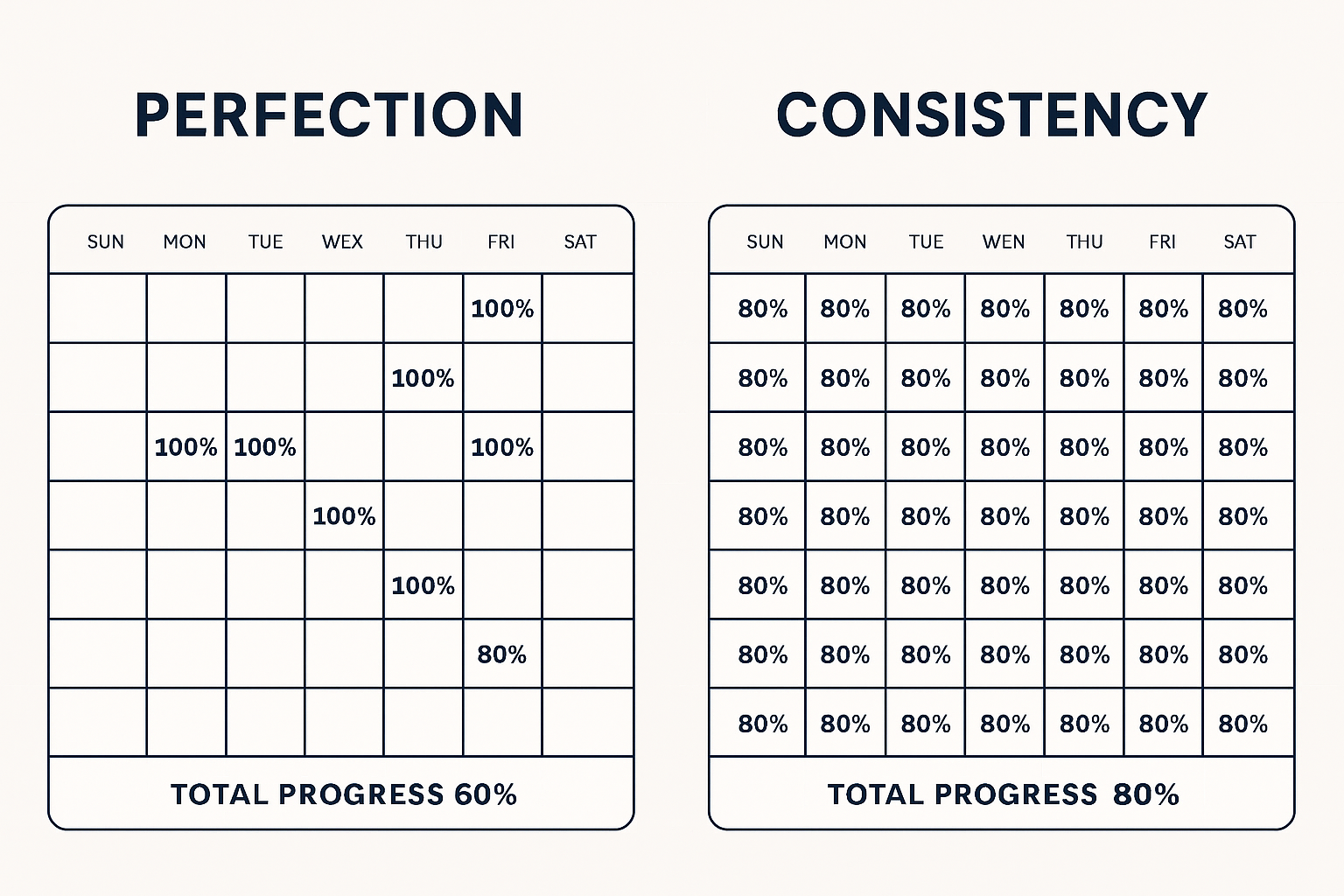
But long-term progress is not built on great days alone. It is built on what an athlete can repeat.
Athletes often judge progress by standout performances. A fast mile. A heavy lift. A workout that feels better than expected.
These moments are not meaningless, but they are incomplete data. A single high output does not tell you much about recovery, resilience, or sustainability.
Training that produces occasional peaks but frequent drop-offs often looks productive in the short term while quietly limiting progress.
Repeatable output asks a different question:
Can you perform well again tomorrow?
Can you maintain quality across multiple sessions?
Can you train hard without needing extended recovery afterward?
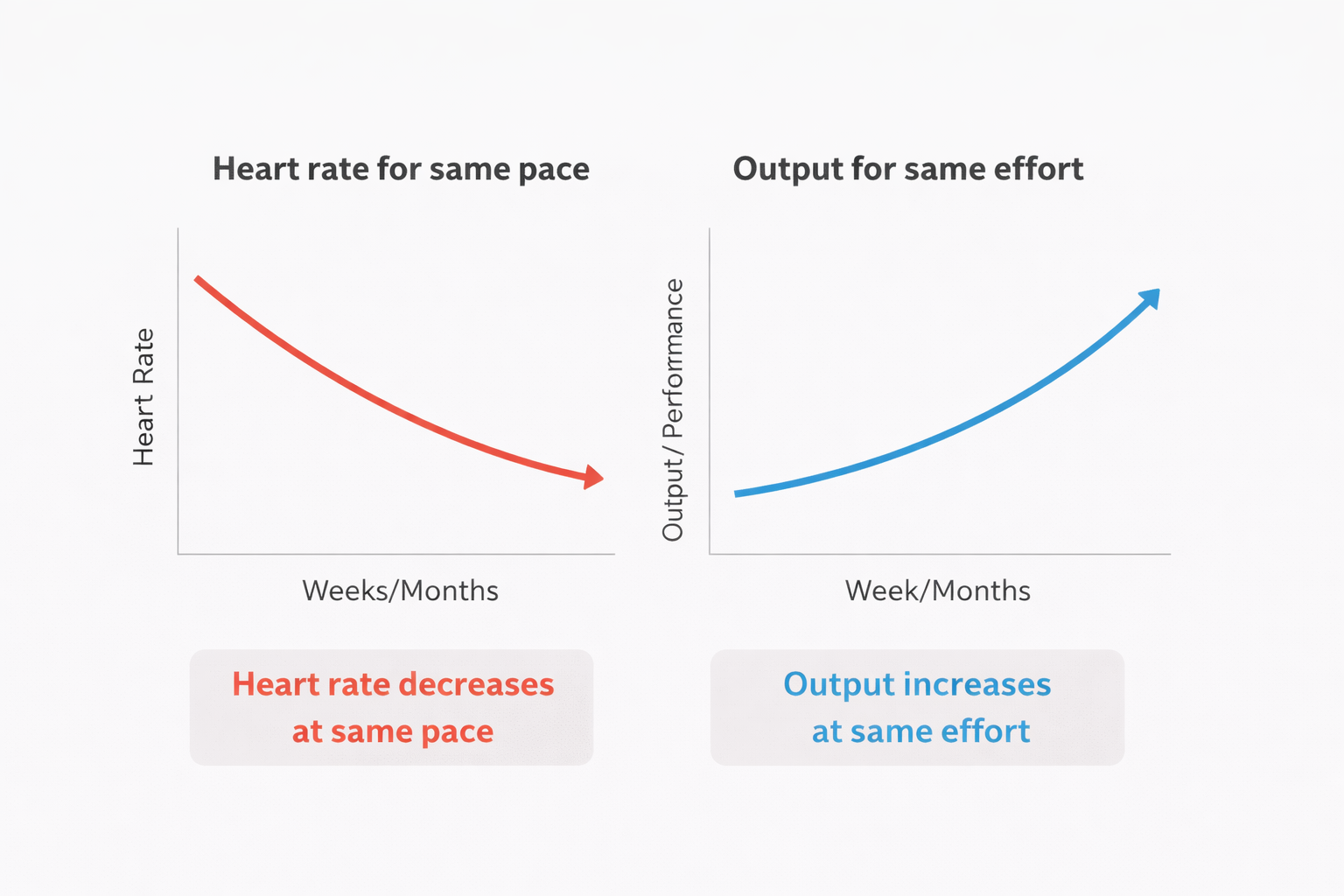
Capacity is revealed not by what you can do once, but by what you can do consistently with control.
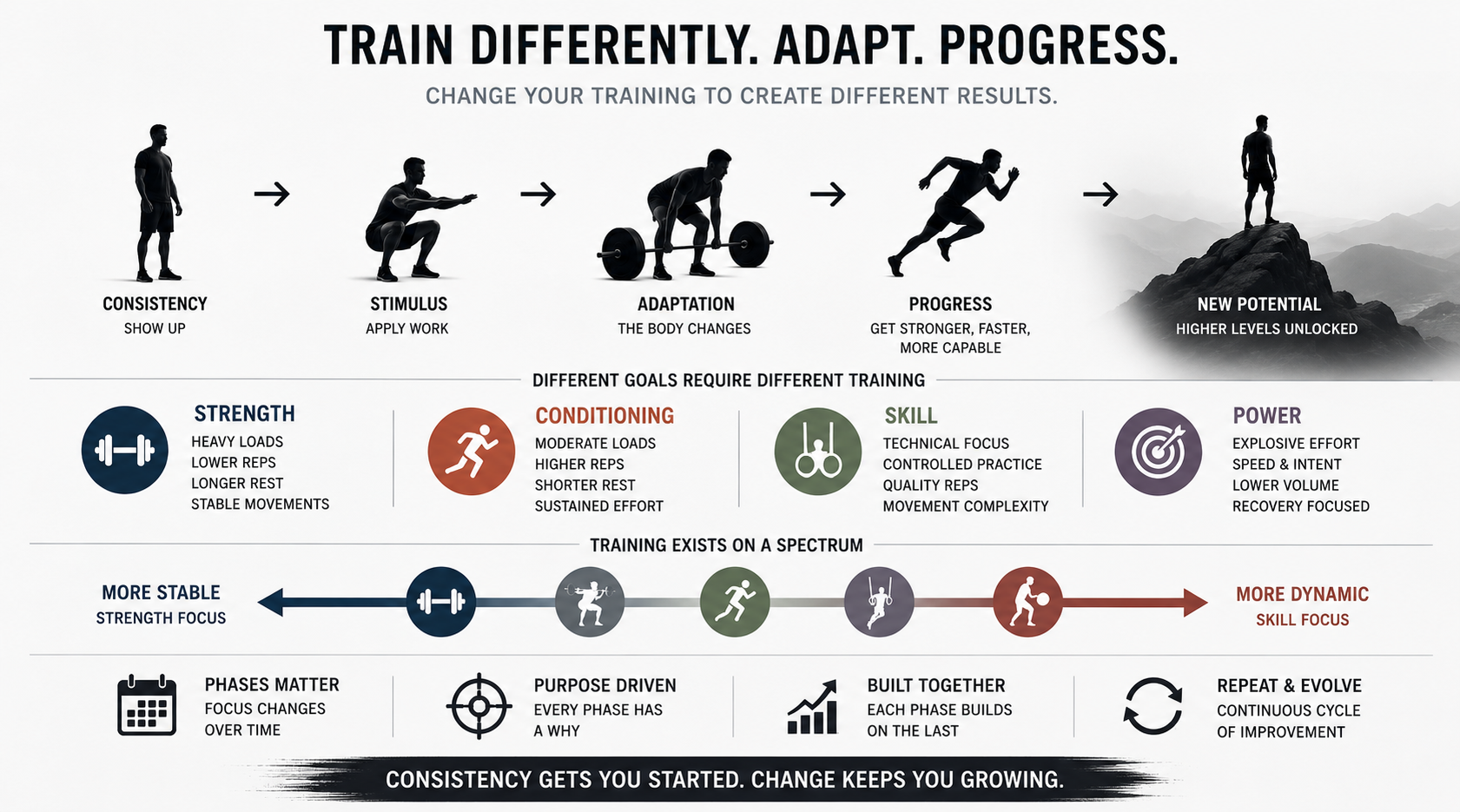
Athletes who build repeatable output accumulate more high-quality work over time, which is what drives adaptation.
Every session either supports future training or compromises it.
When effort regularly exceeds recovery capacity, fatigue carries forward. Technique slips sooner. Motivation drops. Missed sessions follow.
Repeatable output requires managing intensity, volume, and intent so that training remains sustainable. Leaving a small margin is often what allows athletes to train again at a high level.
This is not an argument against testing or pushing limits.
Peak efforts are useful when they are planned, supported, and contextualized. Problems arise when every session is treated like a test.
When athletes chase peak output too frequently, training becomes unpredictable. Performance swings increase. Injury risk rises. Progress stalls.
Training is meant to prepare the body for peak efforts, not replace that process with constant testing.
Life rarely asks for a single maximal effort.
It asks for energy across long days, physical effort on back-to-back days, and the ability to move well even when already tired. Hiking for hours, traveling, working physically demanding jobs, or staying active with family all require sustained capacity.
Training that builds repeatable output prepares athletes for these demands far better than isolated performance highs.
One great day can be inspiring. A body that performs well again and again is transformative. When athletes shift their focus from chasing peak moments to building repeatable output, training becomes more reliable, more productive, and more aligned with real-world demands.