Mindfulness and Fitness: The Power of Being Present
Mindfulness isn’t just for meditation. Learn how being fully present during workouts boosts focus, performance, and recovery—on the gym floor and beyond.
By
November 28, 2025

Most people show up to train their muscles but leave their minds somewhere else—thinking about work, scrolling between sets, or counting down until the workout ends.
True performance comes from being fully in it—attentive, calm, and deliberate with every rep, breath, and transition.
Mindfulness isn’t about zoning out—it’s about tuning in.
Mindfulness is simply paying attention on purpose.
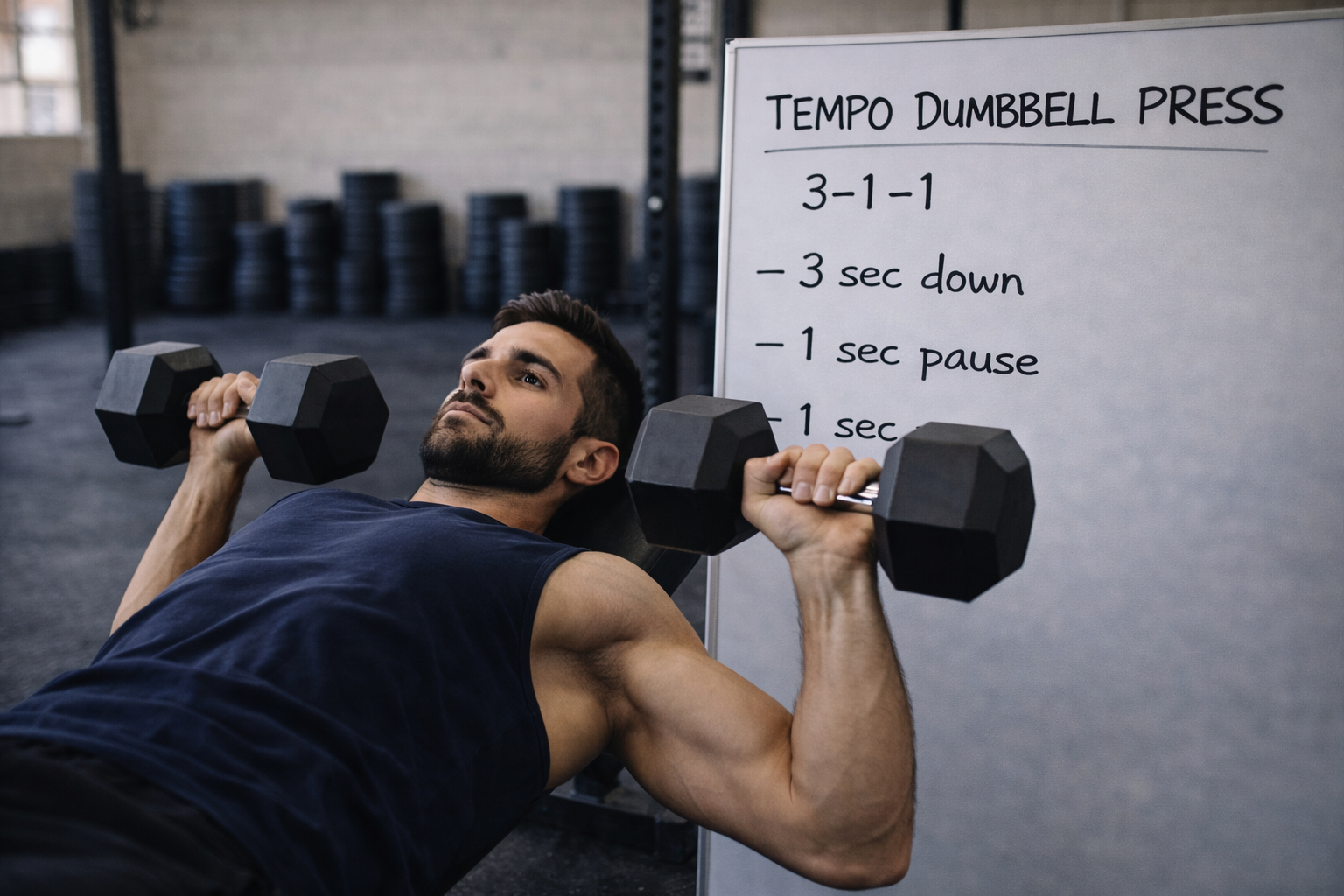
In training, that means noticing movement quality, breathing rhythm, and how your body responds—not judging, just observing.
The benefit? You create awareness before fatigue or ego push you into sloppy movement or burnout.
When you’re present, every rep counts.
You catch subtle details—like shifting weight, breathing too shallow, or rushing transitions—that separate “good enough” from great.
Research shows mindfulness improves motor control, endurance, and pain tolerance—because attention directs effort.
Instead of zoning out between sets:
Each rep becomes feedback, not just work.
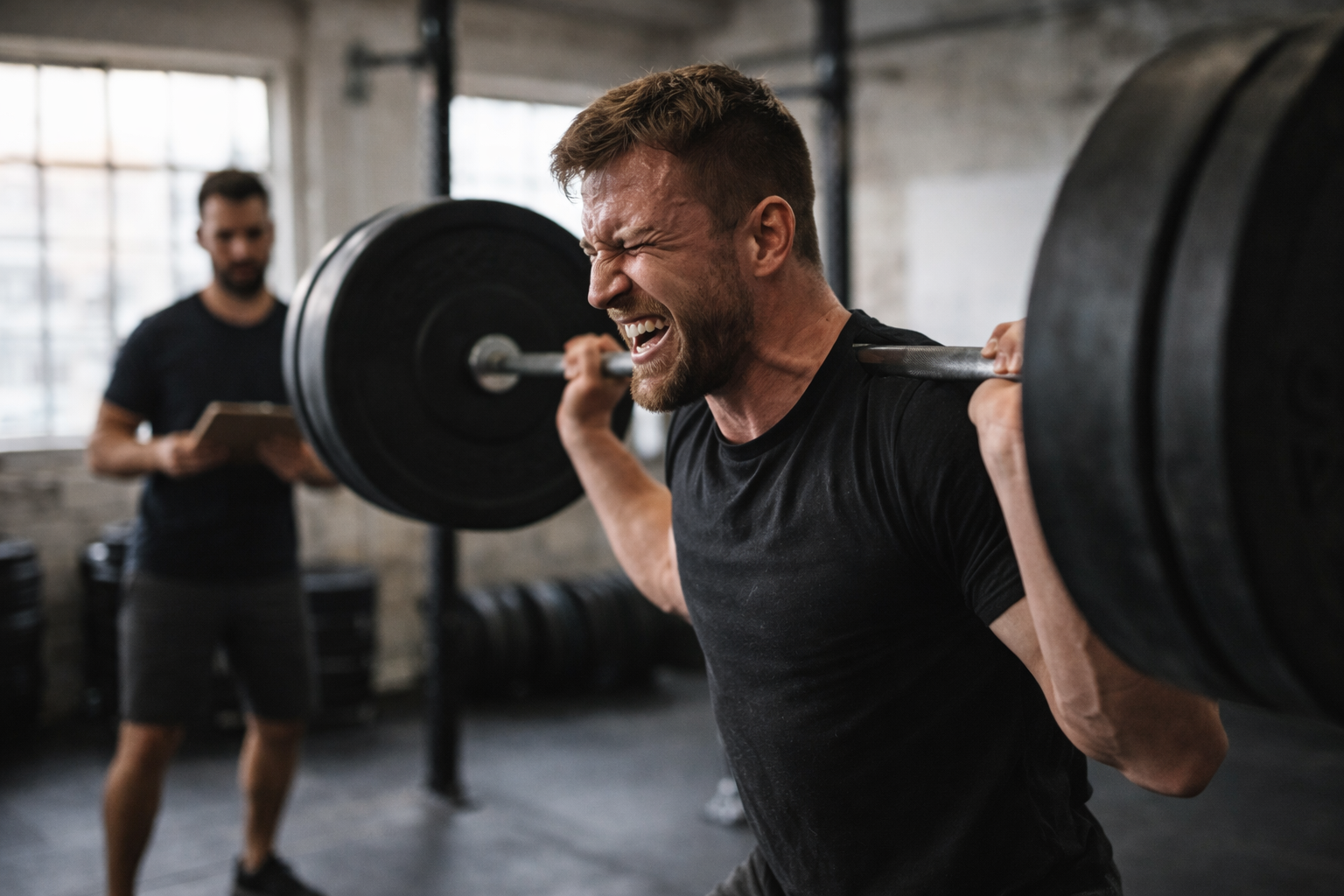
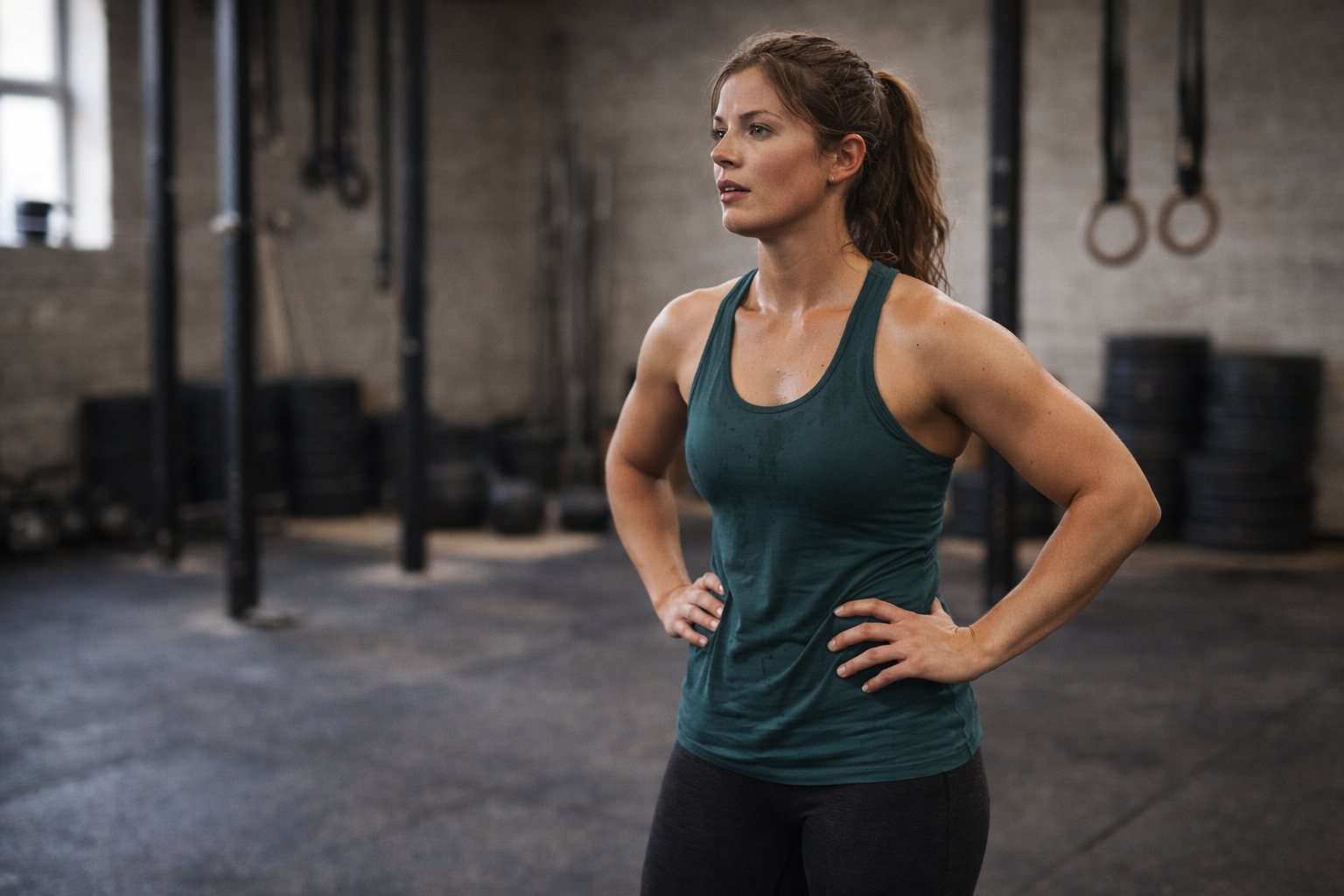
High-intensity training tests focus under fatigue.
Presence under pressure builds resilience far beyond the gym.
Rest isn’t the absence of work—it’s a skill.
When recovery becomes mindful, your body restores faster, and your brain learns to downshift from intensity to calm.
You can’t control the workout—but you can control your presence in it.
Training mindfully improves performance, prevents injury, and teaches composure under stress.
The stronger your attention, the stronger your results.