Build Strong, Pain-Free Hips for Training and Daily Life
Learn how to build strong, pain-free hips with smart strength training, mobility work, and movement strategies that improve performance and reduce injury risk.
By
December 20, 2025
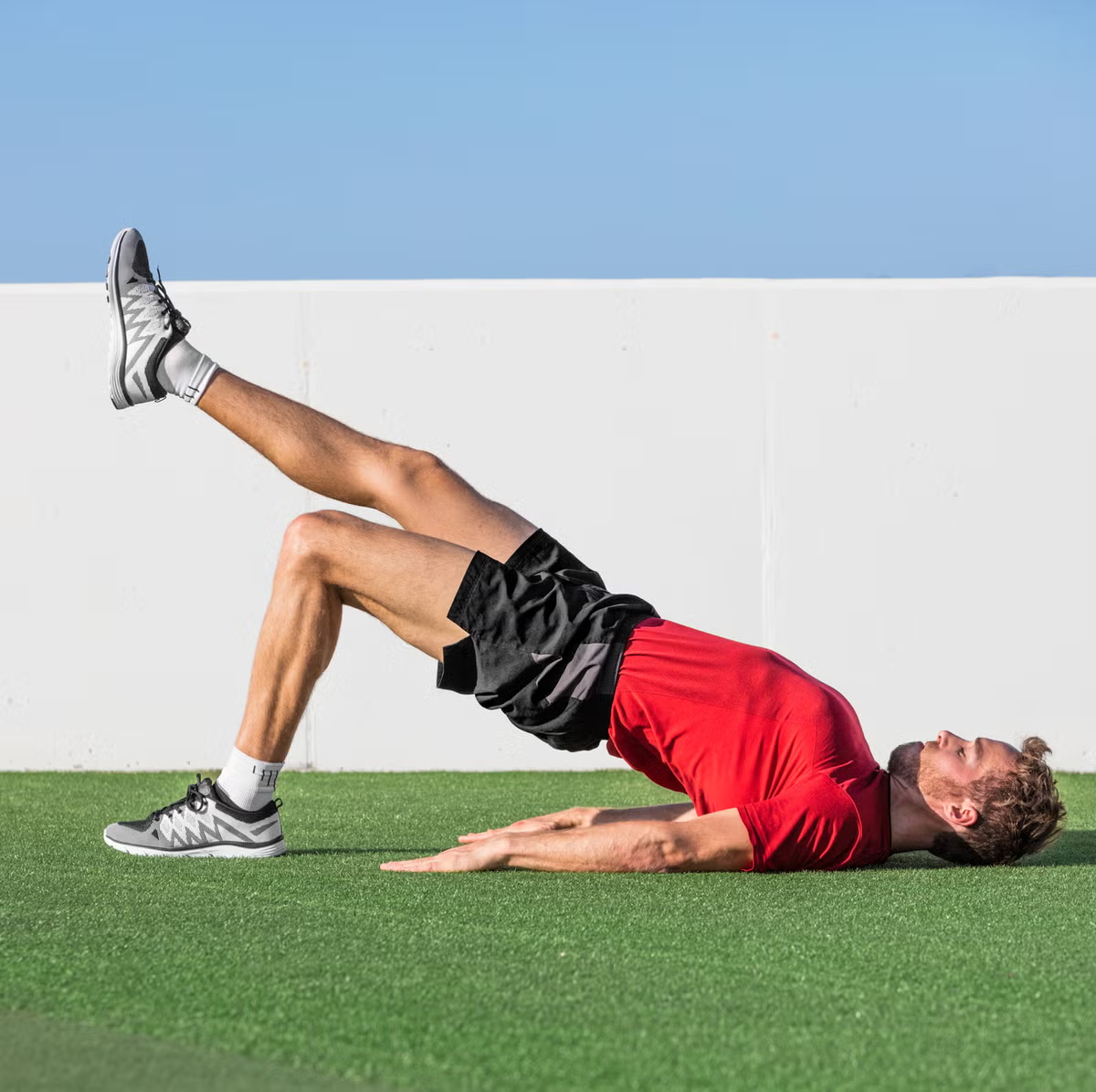
Your hips are the engine of nearly every movement you perform. Squatting, running, jumping, hinging, lunging, and lifting all rely on strong, well-functioning hips.
When the hips are weak, stiff, or poorly controlled, everything above and below them compensates. Knees take on extra stress. The low back works overtime. Over time, those compensations turn into pain.
Healthy hips are not just mobile. They are strong, stable, and capable of producing and absorbing force through a full range of motion. The good news is that most athletes can dramatically improve hip health with the right mix of strength, mobility, and technique work.
Most hip issues come from a combination of factors rather than a single injury.
Restricted hip extension, flexion, or rotation forces other joints to make up the difference.
Common causes include:
When the glutes are not doing their job, the hips lose stability and power.
Symptoms include:
Rapid increases in training volume, intensity, or impact stress the hips before they are ready.
Examples include:
Previous ankle, knee, or low back issues often change how the hips load and move, even after pain elsewhere resolves.
If any of these sound familiar, focused hip work should be a priority.
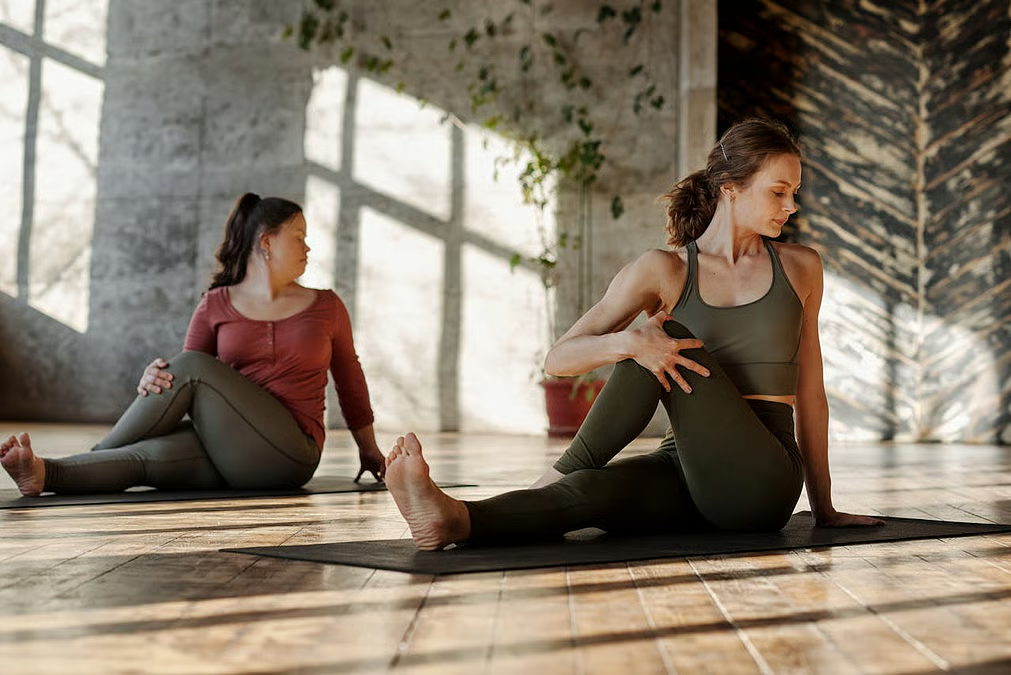
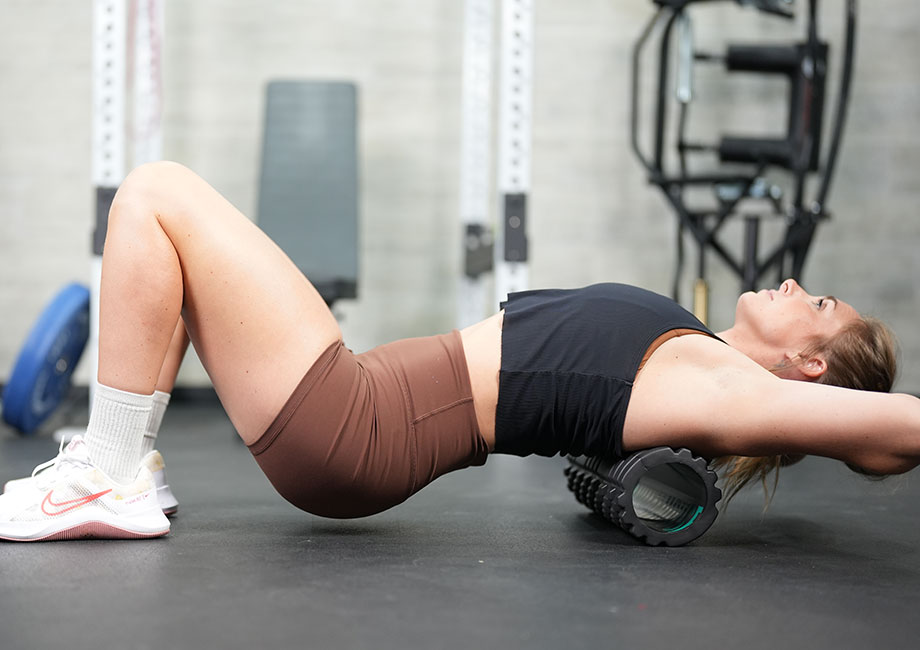
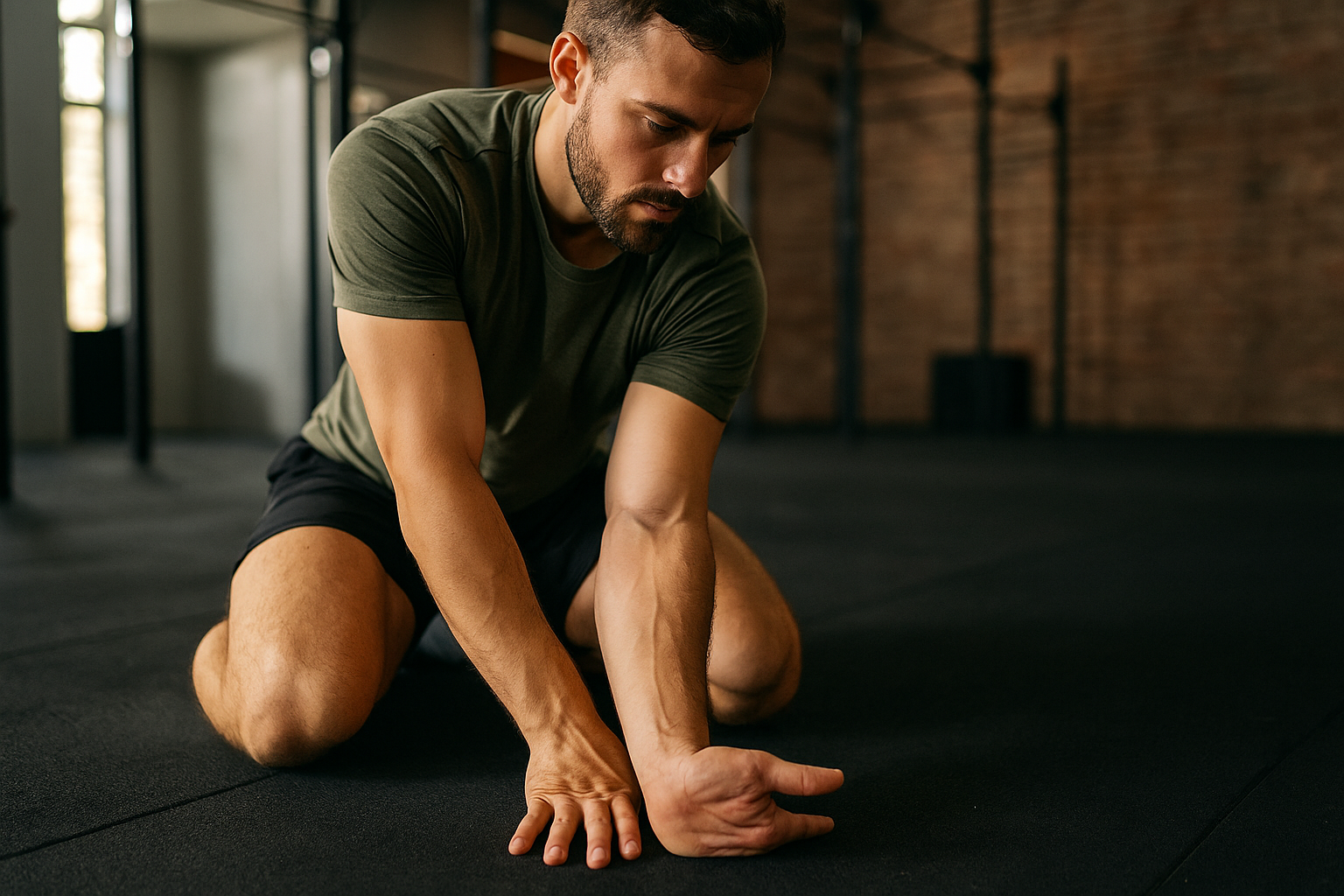
Mobility should create usable range, not passive stretch.
Try:
Move slowly and with control. Avoid forcing end ranges.
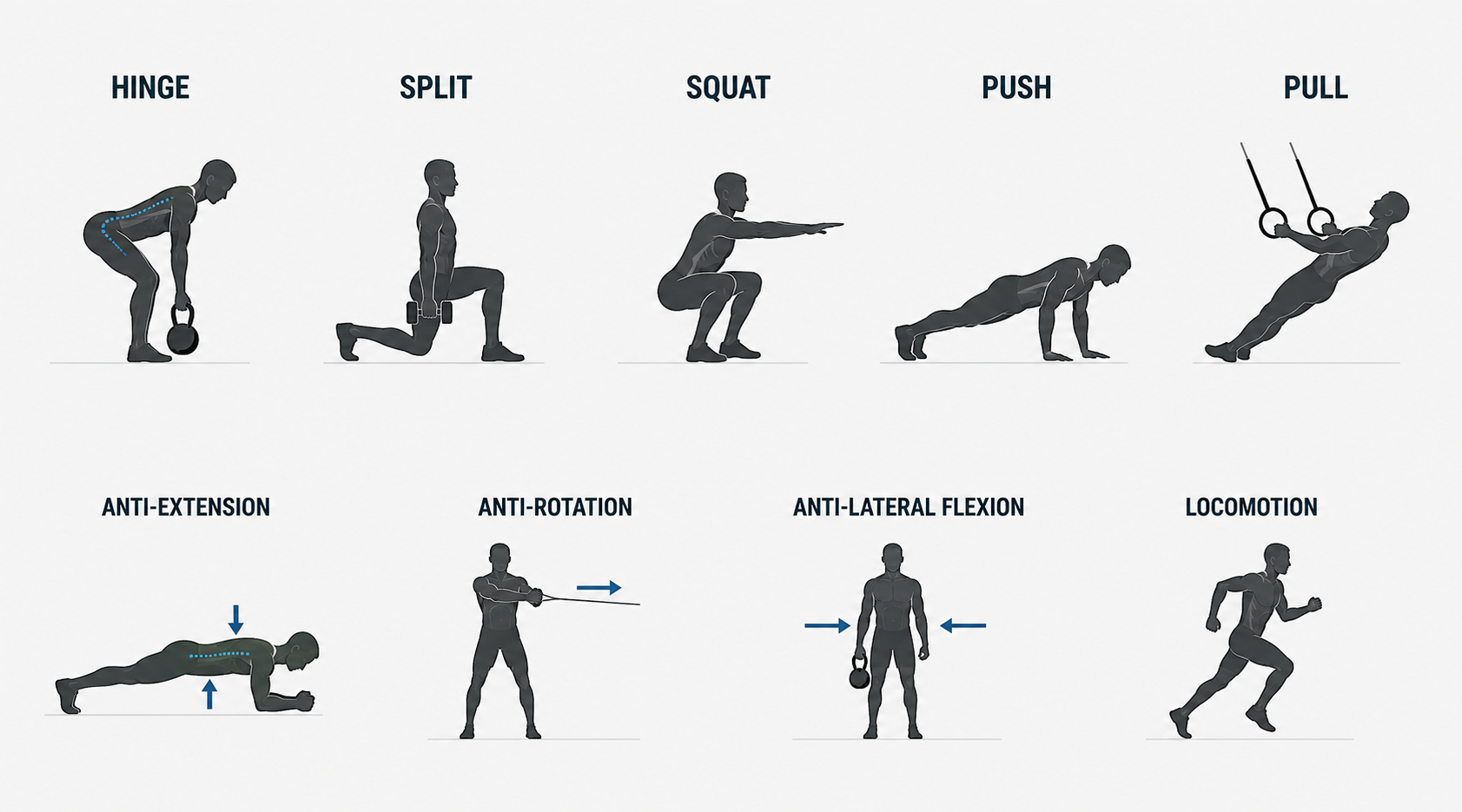
Strong hips require strength in multiple planes.
Key exercises:
Aim for controlled reps with full range rather than chasing heavy loads early.
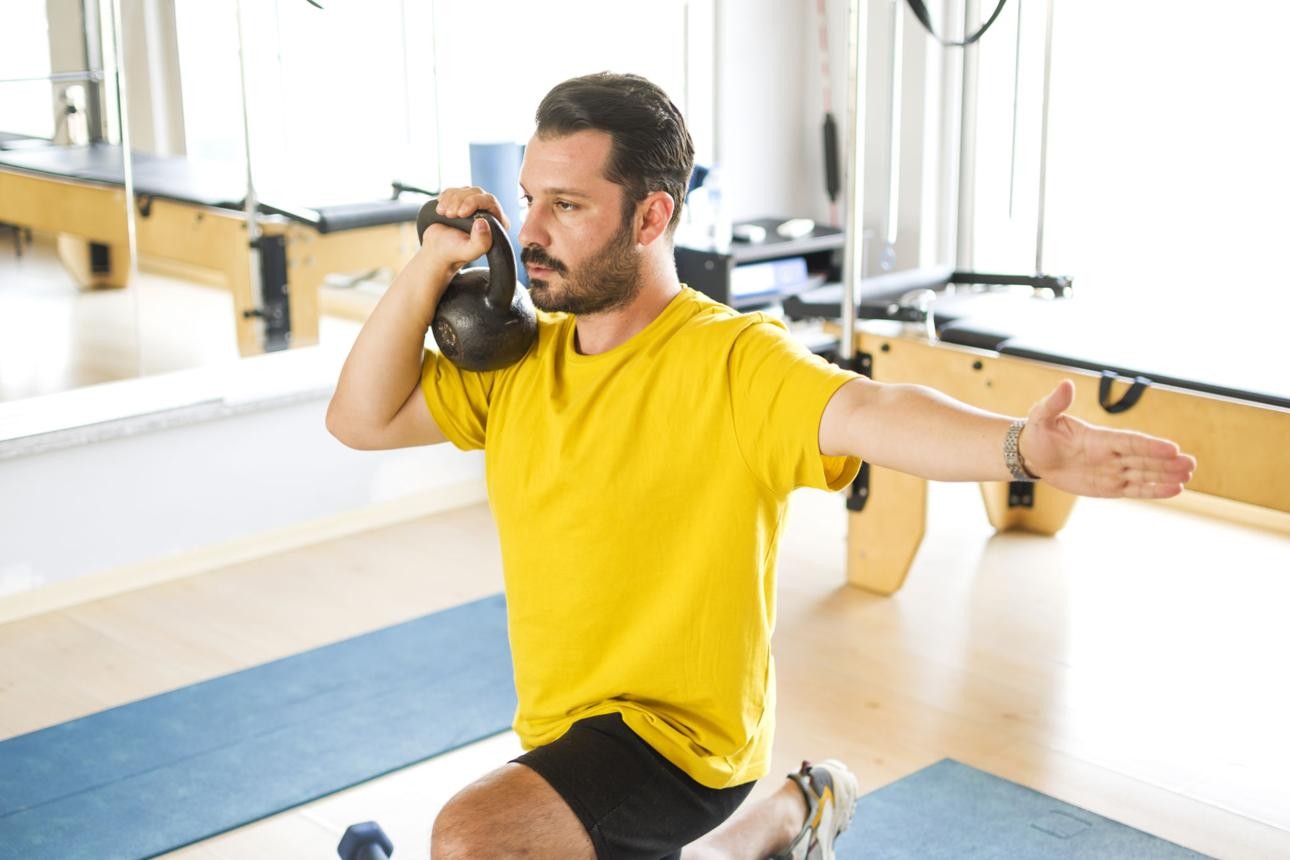
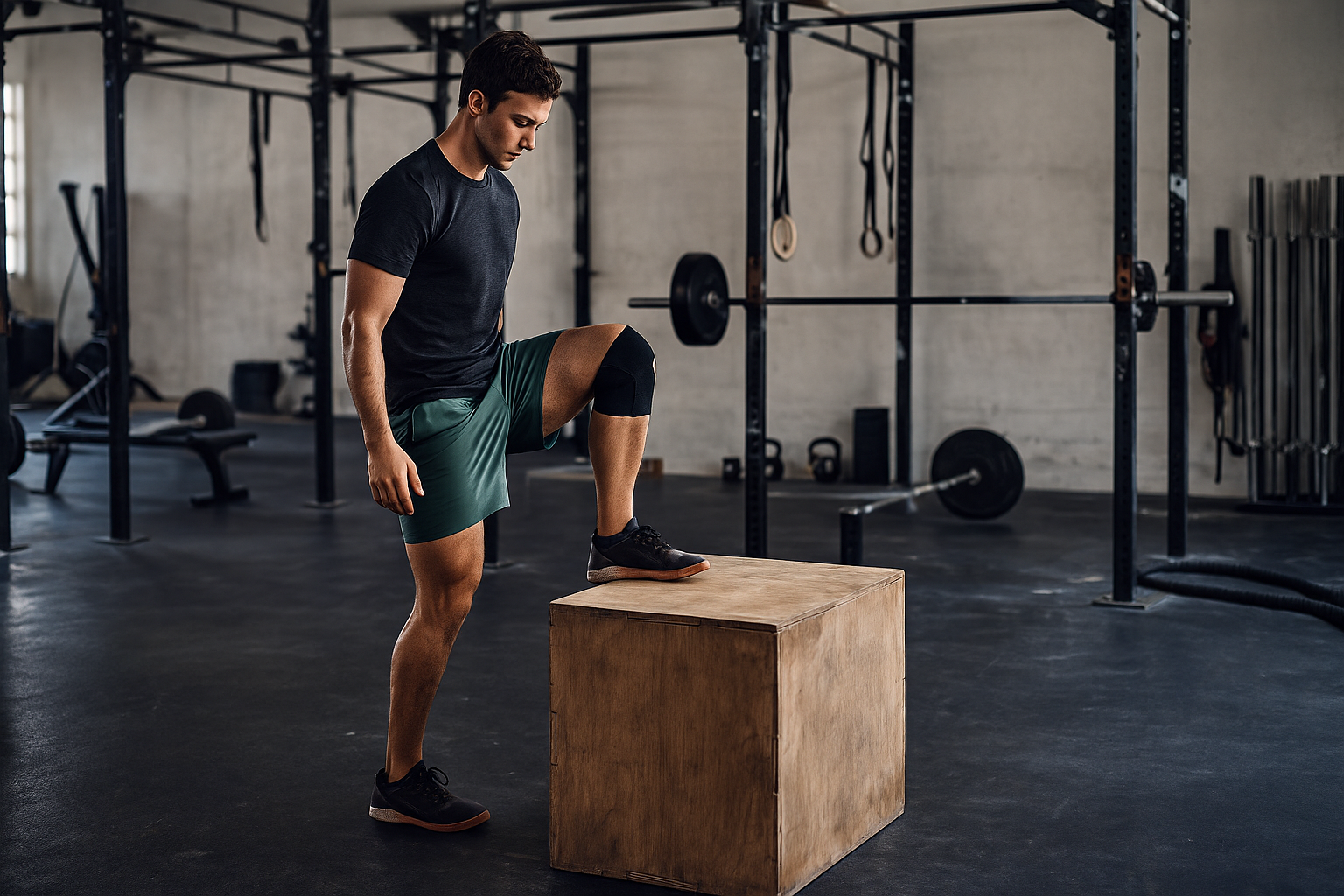
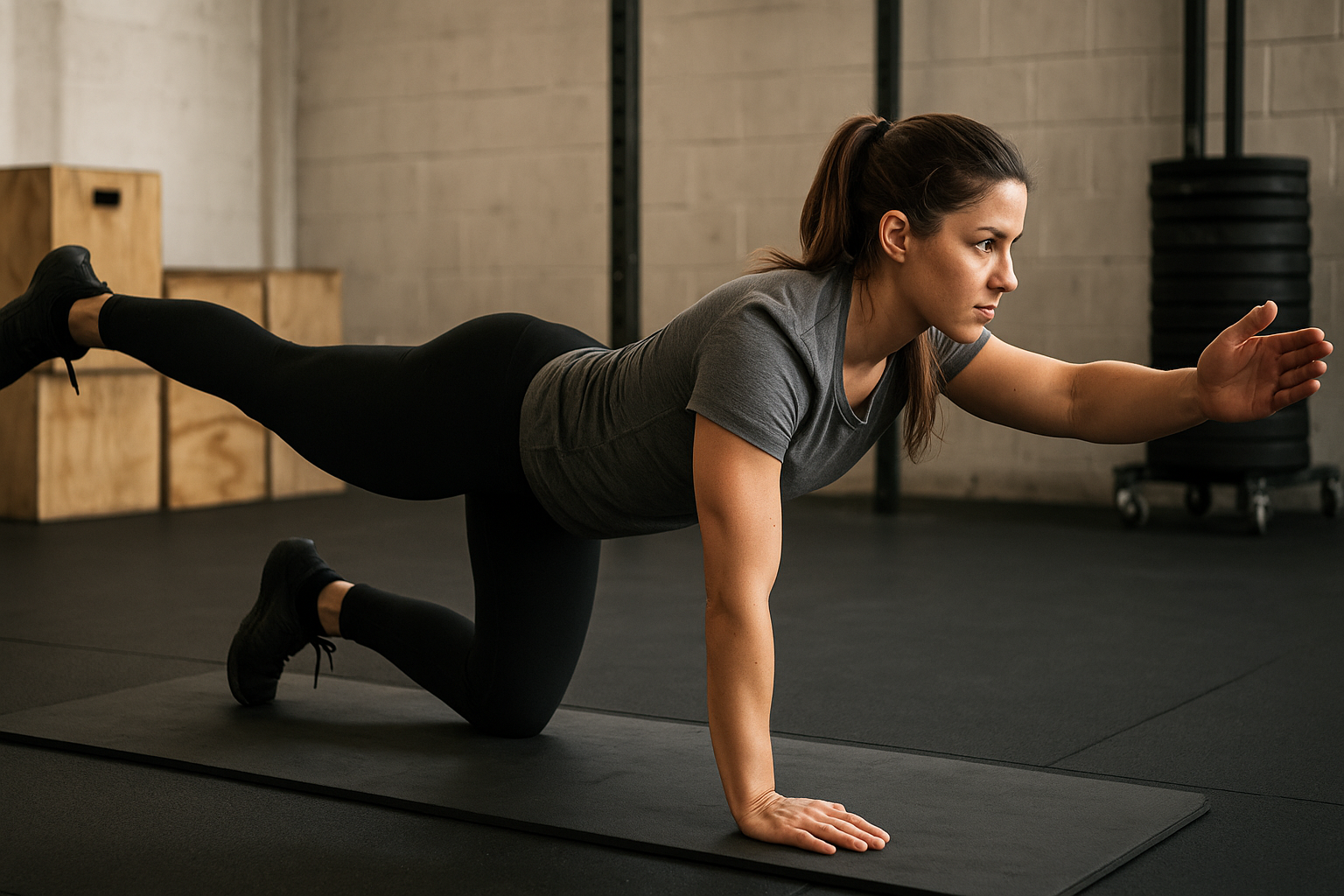
Most athletic movement happens one leg at a time. If you cannot control single-leg positions, hip pain often follows.
Drills:
These build stability that transfers directly to running, jumping, and lifting.
Small changes in movement quality protect the hips and improve performance.
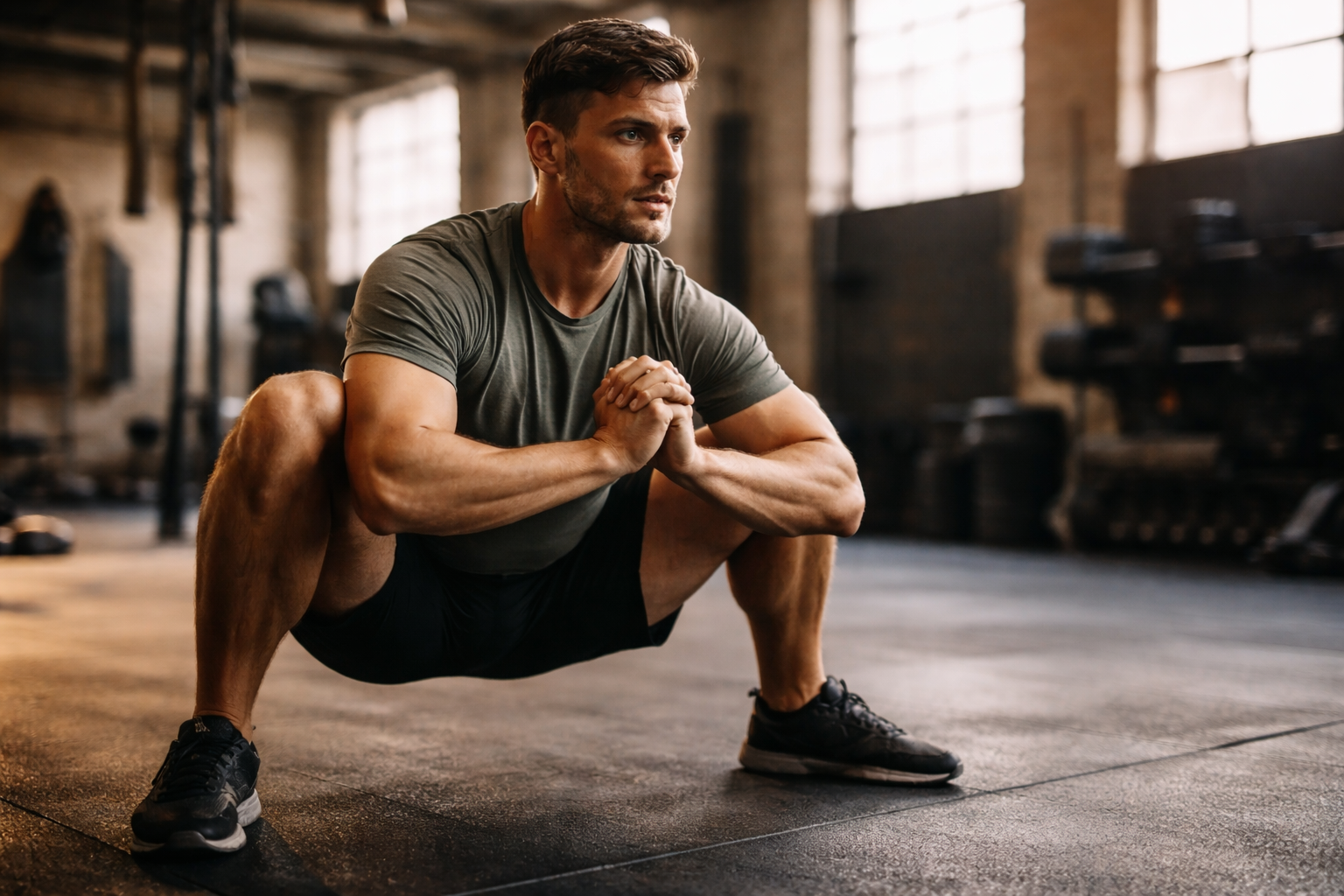
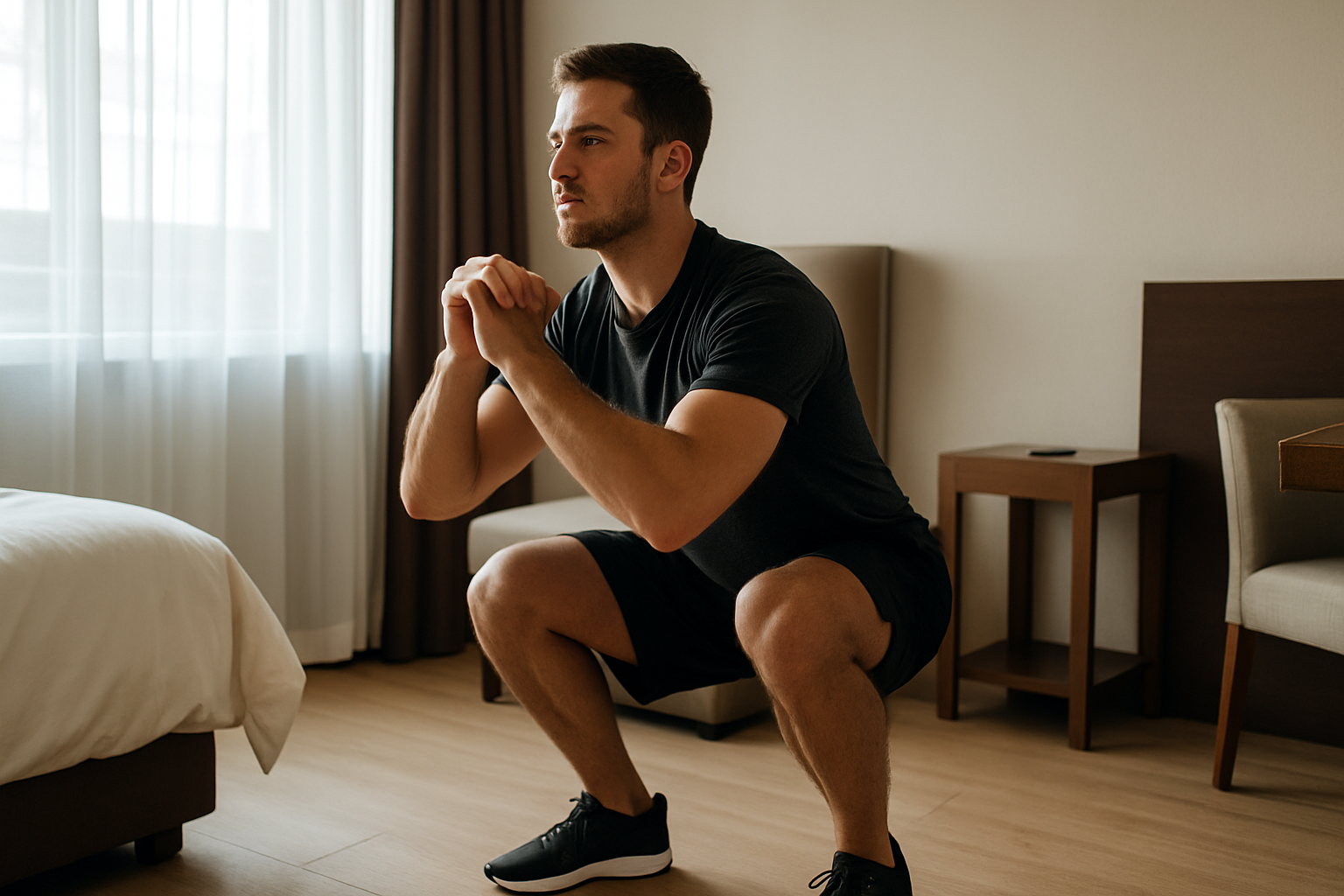
Squats
Hinges
Running
Instead of pushing through irritation, use substitutions that maintain strength and conditioning.
Temporary Substitutions
These allow training to continue without reinforcing poor patterns.
Mobility without strength does not last.
Once hip range improves:
Durable hips are built when new range is paired with strength and control.
Strong, pain-free hips support everything you do.
They improve squat depth, protect the knees and low back, enhance running mechanics, and allow you to generate power efficiently. When the hips work well, the rest of the body follows.
Train them with intention, and your movement becomes more resilient for both training and daily life.