The Unbreakable Core Blueprint for Strength and Stability
A practical blueprint for building an unbreakable core that supports strength, stability, and long-term athletic performance.
By
February 6, 2026

The core is often misunderstood. Many athletes associate core training with high-rep sit-ups or short finisher circuits. While those approaches may create fatigue, they rarely build the kind of core strength that transfers to lifting, running, and daily movement.
An unbreakable core is not about appearance or exhaustion. It is about control, stability, and the ability to transfer force efficiently throughout the body.
The core’s primary job is not to flex or twist repeatedly. Its main role is to resist movement and maintain position while the limbs produce force.
A strong core:
When the core does its job well, strength feels more controlled and movements feel more efficient.
High-rep, low-resistance core exercises often miss the point.
Endless sit-ups and crunches train spinal flexion but do little to prepare the body for real-world demands. In training and life, the spine is usually tasked with staying stable while force is applied elsewhere.
Athletes benefit more from training the core to resist extension, rotation, and lateral movement than from chasing burn or fatigue.
Effective core training rests on a few key principles.
First, prioritize bracing over movement. Learning to create and maintain tension through the trunk builds stability that carries over to compound lifts and athletic tasks.
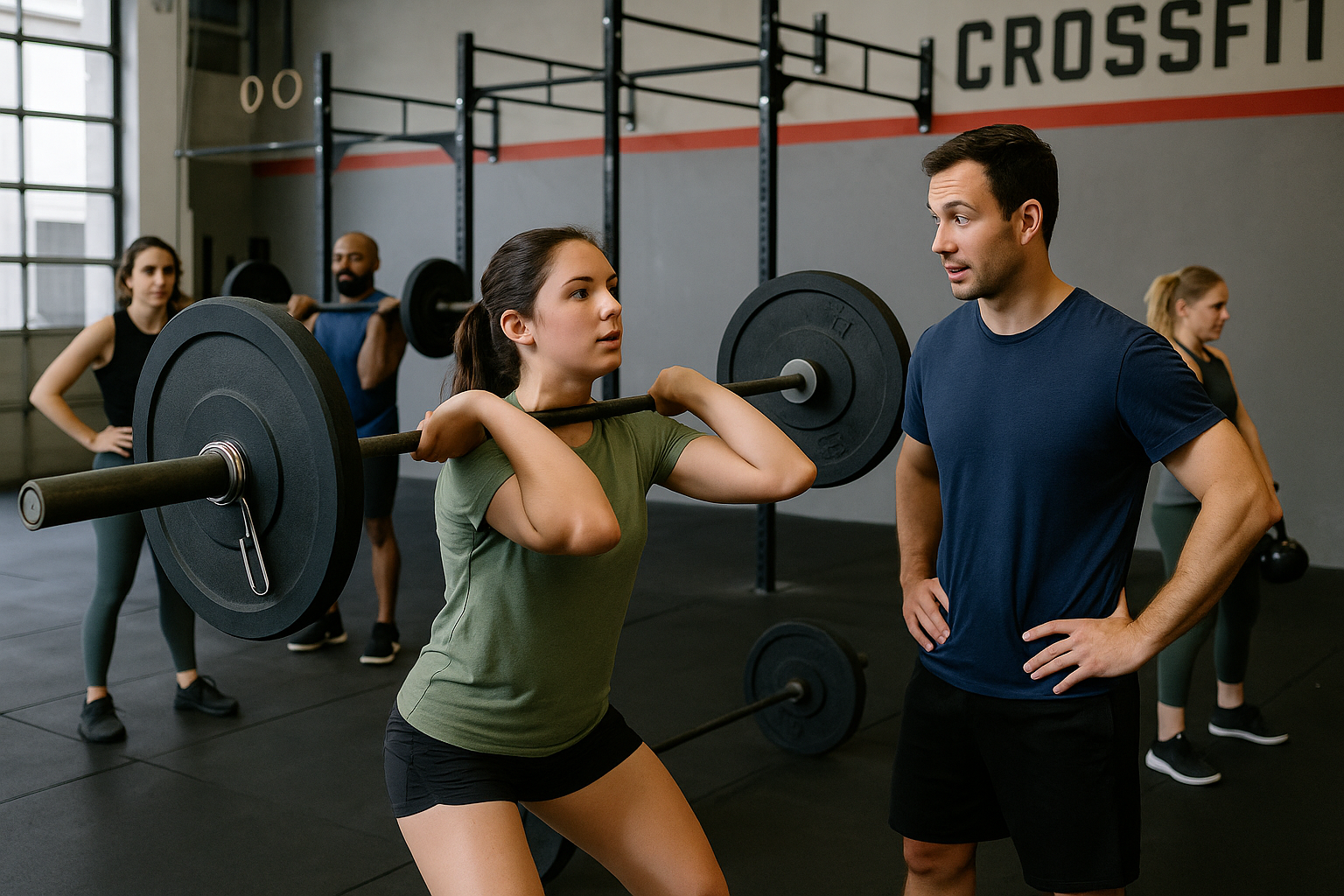
Second, emphasize position under load. Core strength improves when athletes maintain alignment while external forces challenge balance and posture.
Third, progress gradually. Core training should become more challenging through increased load, longer holds, or more complex positions, not just more repetitions.
The most effective core work often looks simple but feels demanding.
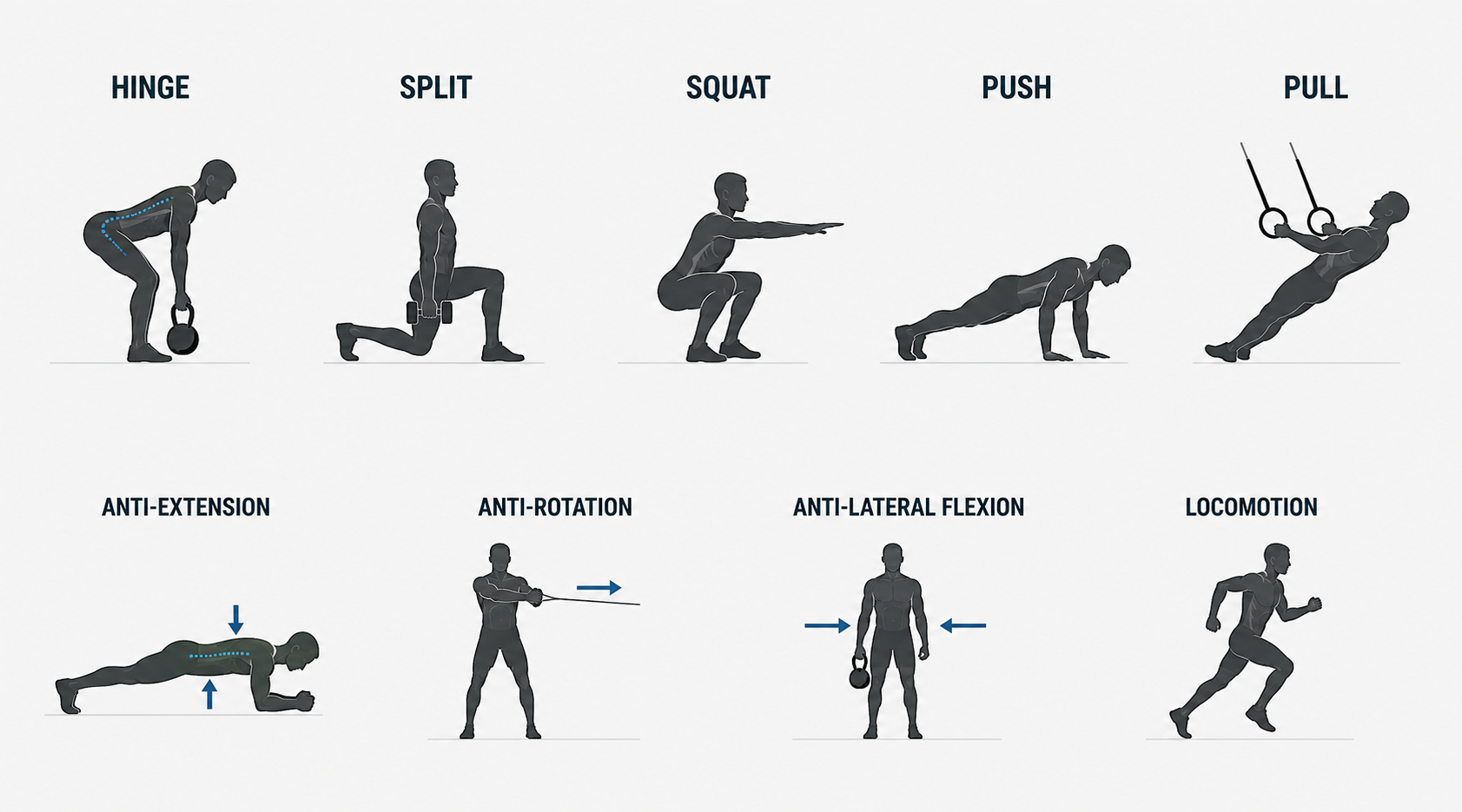
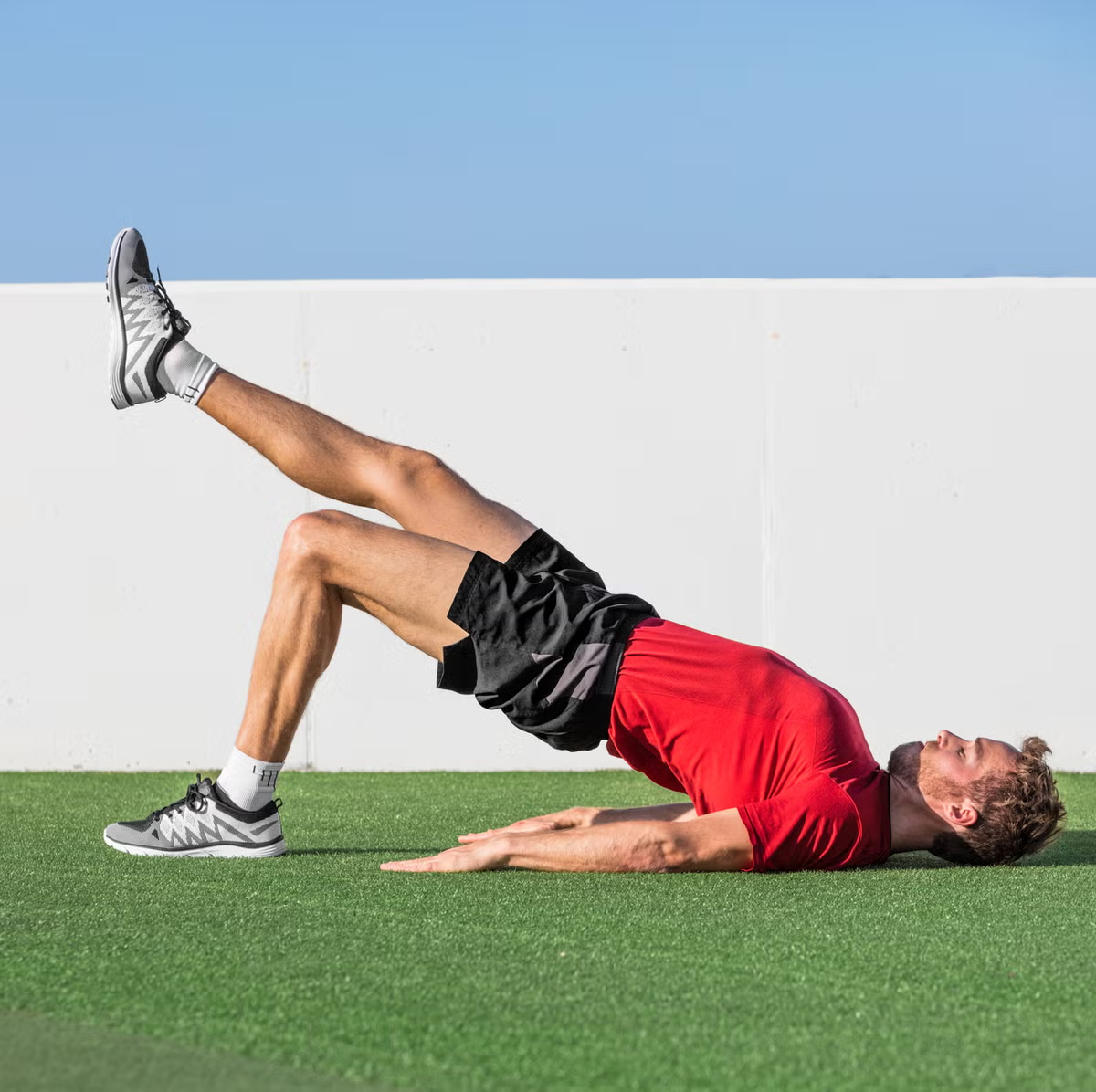
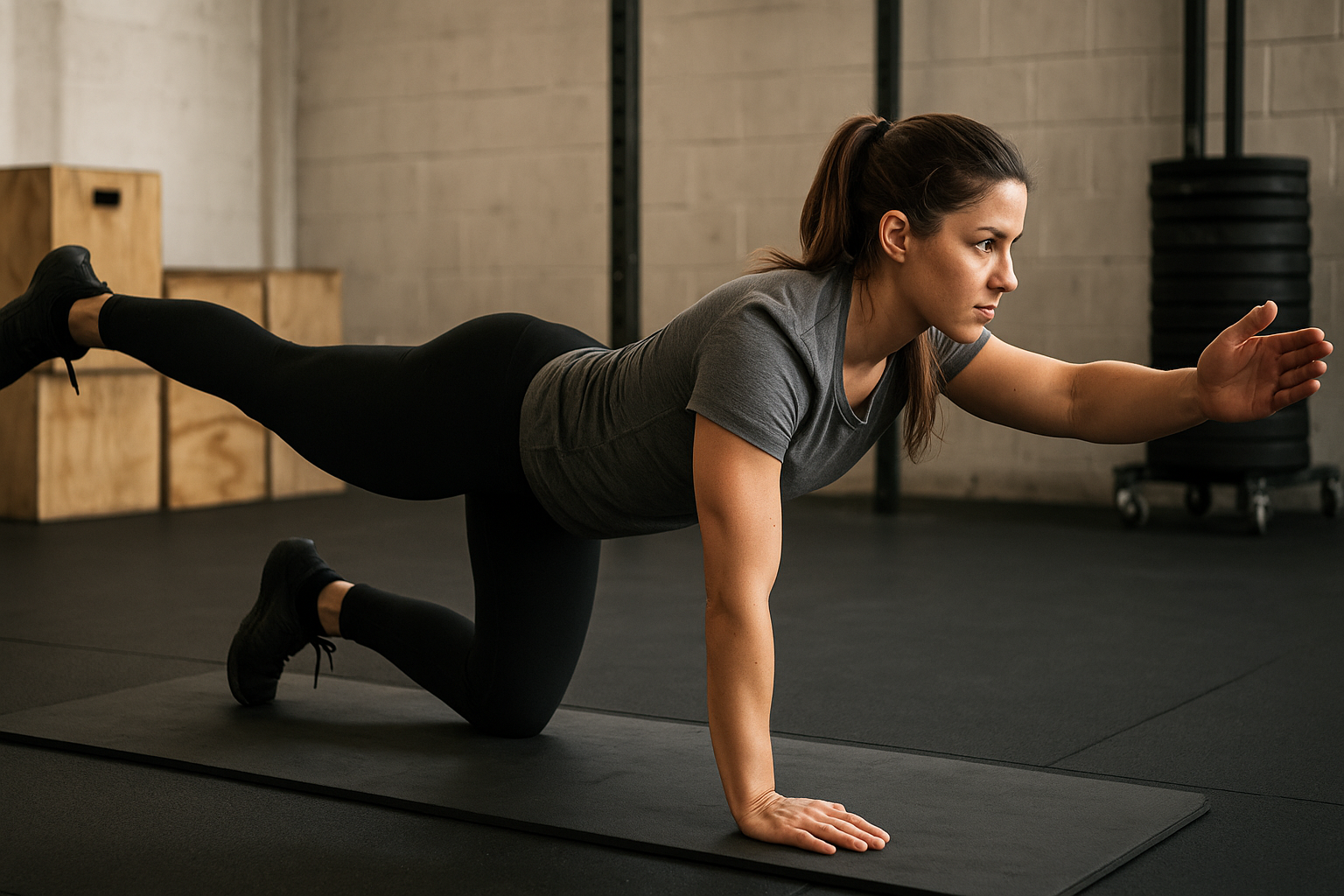
Anti-extension exercises teach athletes to prevent excessive arching or collapsing under load. Anti-rotation exercises challenge the body to stay square while force pulls it off center. Carries reinforce posture and endurance across longer durations.
These patterns support:
A stable core allows athletes to apply more force through the limbs.
When the trunk collapses, energy leaks. When the trunk stays organized, strength expression improves. This means heavier loads can be handled with better control and muscles receive more consistent stimulus.
Over time, this supports both strength gains and muscle development without excessive strain.
Core training does not need to dominate a session to be effective.
Short, focused doses placed within warm-ups, between strength sets, or at the end of sessions often work best. The goal is quality, not exhaustion.
Athletes should finish core work feeling challenged but composed, not sloppy or depleted.
Many athletes equate core soreness with effectiveness. Others rush through movements without maintaining tension.
Core training loses value when:
Precision matters more than quantity.
An unbreakable core is built through intention, not fatigue. Athletes who train the core to stabilize, resist, and transfer force move better, lift stronger, and stay resilient over time. When the core is reliable, everything built on top of it becomes more durable.