When Better Training Matters More Than Better Scores
Learn evidence-based ways to bias strength and hypertrophy in training sessions by improving technique, effort, and intent without sacrificing overall fitness.
By
January 2, 2026

Most athletes train to become more capable. They want strength, muscle, resilience, and fitness that carries over to real life and sport. But many sessions quietly drift toward one outcome only. The fastest time. The heaviest lift. The best score.
Those outcomes can be useful, but they are not the same as building capacity.
Biasing strength and hypertrophy does not require abandoning conditioning or changing the entire program. It requires changing how you execute the work. The goal is not to train easier. It is to train with more intention so the stimulus matches the desired adaptation.
This approach is grounded in widely accepted training principles, not fringe methods. It borrows selectively from bodybuilding and strength science while staying aligned with long-term athletic development.
Output is what shows up on the clock, the leaderboard, or the barbell. Stimulus is what the body actually experiences.
Two athletes can perform the same workout and receive very different stimuli depending on load selection, technique, tempo, and effort. Chasing output often shifts work away from the target muscles and toward efficiency strategies that reduce tension.
If the purpose of training is to improve capacity, stimulus matters more than score.
Muscle and strength gains depend on applying meaningful tension to the right tissues.
That requires:
When technique degrades, tension often shifts away from the intended muscles. Reps still count, but their training value drops.
Biasing hypertrophy means being willing to slow down, reduce load slightly, or pause briefly to maintain high-quality movement.
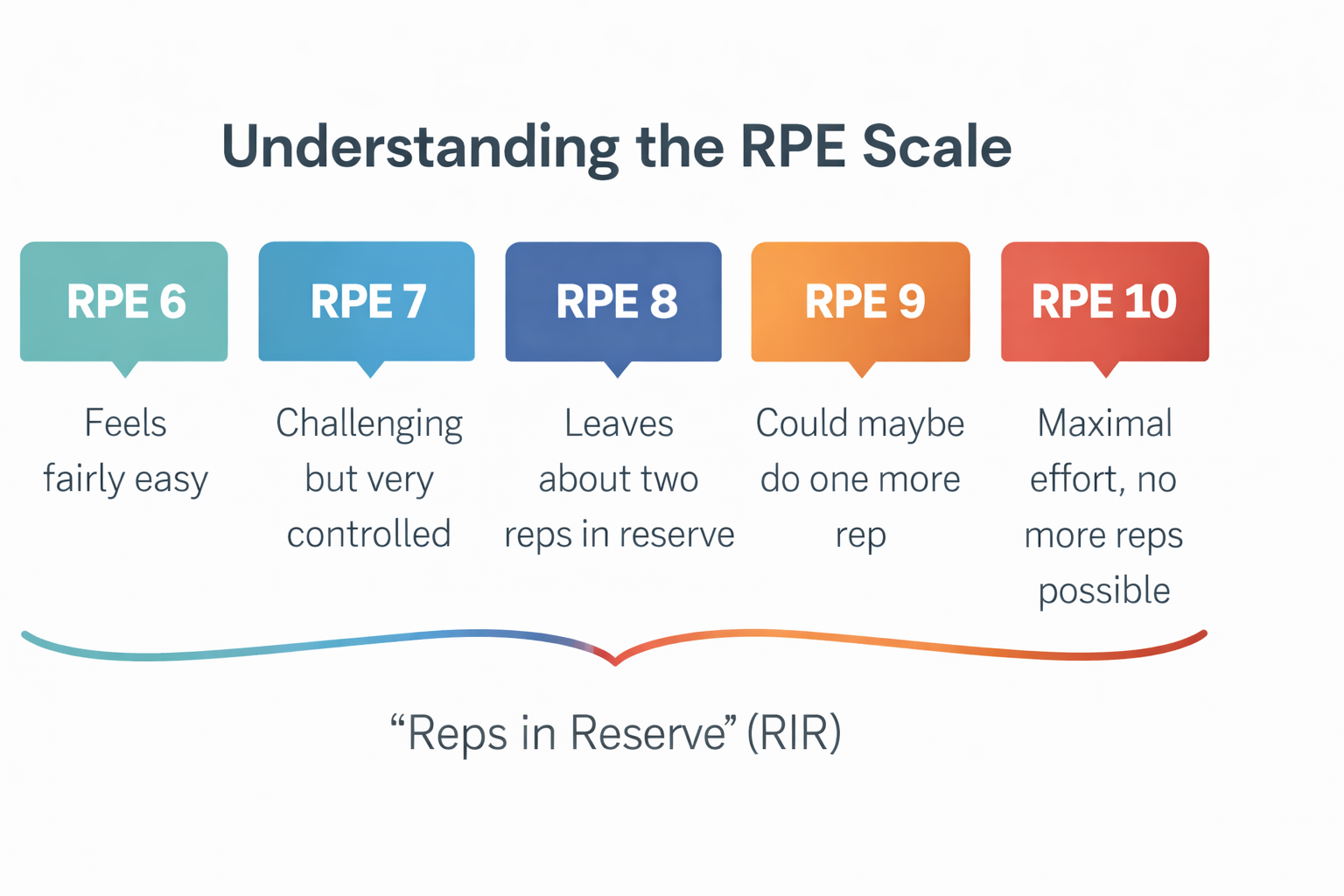
You do not need to train to absolute failure in every session. But hypertrophy requires sets that challenge the muscle close to its capacity.
A useful guideline is finishing sets with one to three reps left in reserve. This creates sufficient mechanical tension and metabolic stress without excessive breakdown.
In mixed training environments, this may mean:
Effort applied with control is a powerful growth signal.
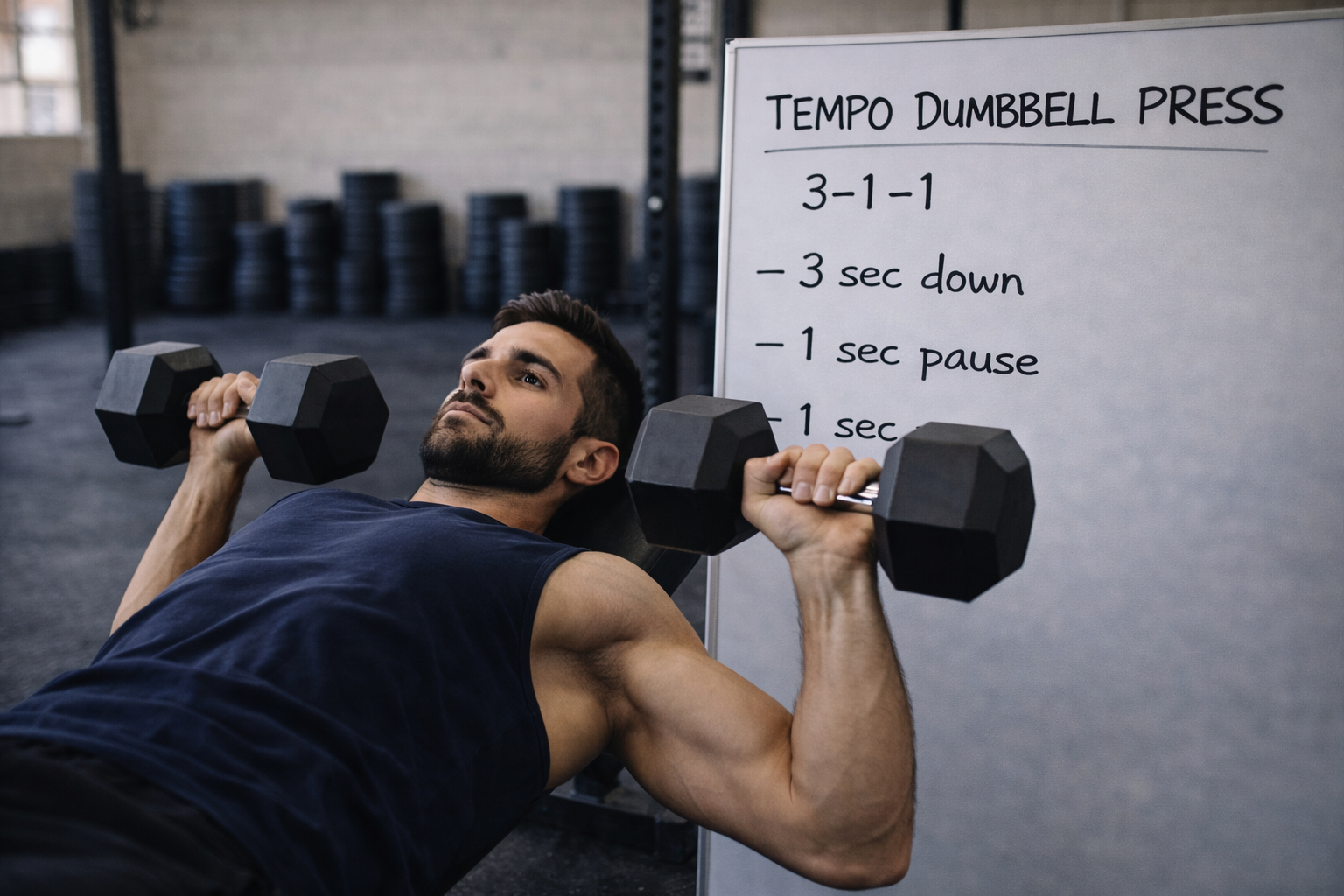
Slowing down portions of a lift increases time under tension without increasing load.
Tempo work is especially effective for:
Examples include slower descents on squats, controlled negatives on presses, or brief pauses at the bottom of pulling movements.
These methods increase muscular demand, reinforce technique, and reduce reliance on momentum.
Heavy weights build strength, but only when they can be controlled.
Biasing strength and hypertrophy often means working in moderate to heavy ranges that allow:
If load selection forces rushed reps, shortened ranges, or excessive rest between singles, the session may favor performance testing over adaptation.
Strength is built through repeated high-quality efforts, not just maximal attempts.
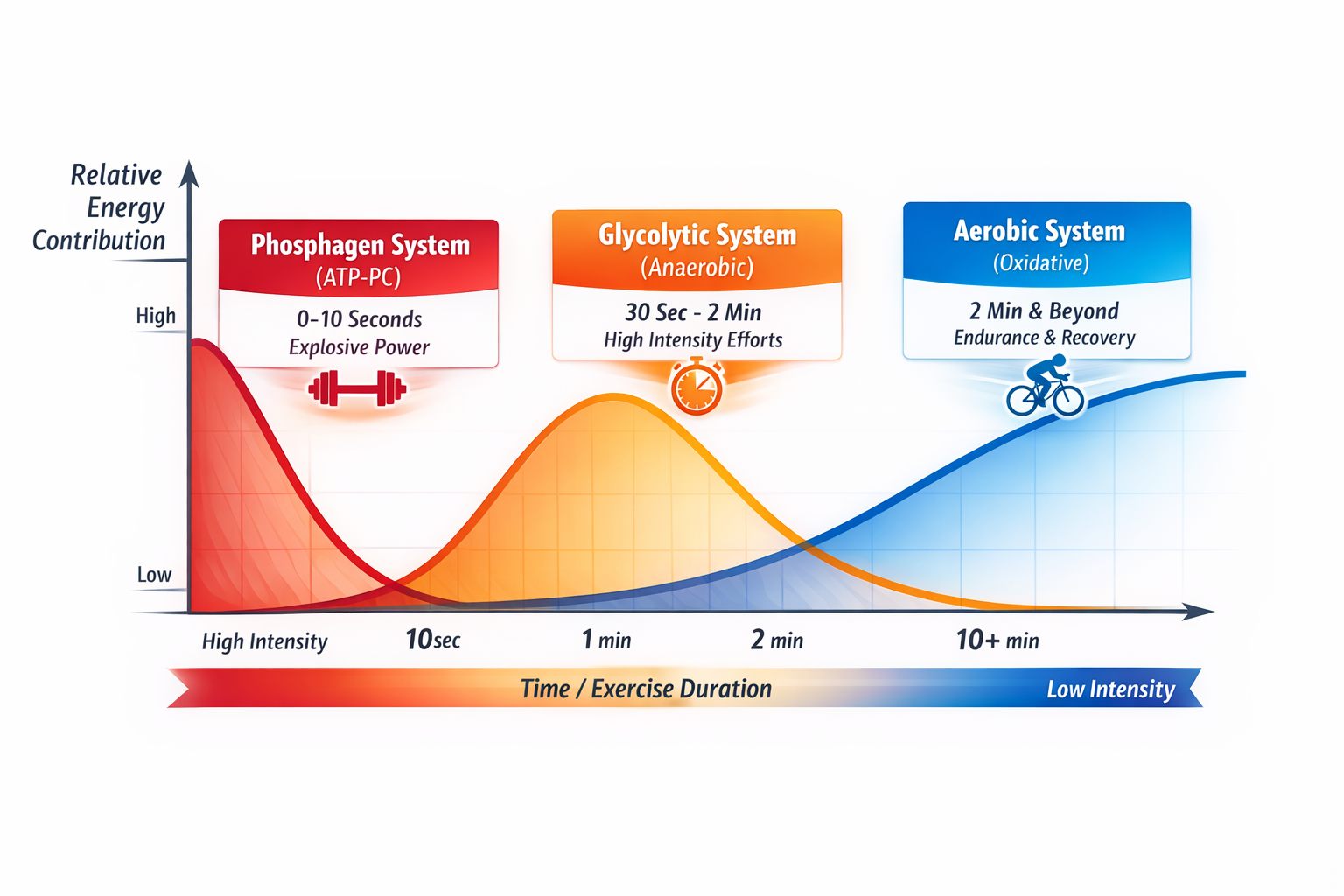
Conditioning, strength, and muscle all contribute to fitness. But no single metric captures them all.
Training sessions do not need to produce personal records to be successful. Many of the most productive sessions feel challenging, focused, and controlled rather than explosive or frantic.
When athletes shift their mindset from winning the workout to building capacity, training quality often improves across the board.
Biasing strength and hypertrophy is not about abandoning intensity or structure. It is about aligning effort, technique, and intent with long-term goals. When athletes stop equating fitness with a single outcome, they unlock a deeper and more durable form of progress.