Mobility Routines That Work
Effective mobility routines improve movement quality, strength expression, and longevity. Learn what actually works and how to apply it consistently.
By
February 13, 2026

Mobility is one of the most misunderstood areas of training. Many athletes associate it with long stretching sessions, random drills, or something to do only when pain shows up. As a result, mobility work often feels disconnected from performance and is the first thing to be skipped.
Effective mobility routines are not about doing more. They are about doing the right things, at the right time, with clear intent.
Mobility is the ability to move through a range of motion with control. Flexibility without strength is unstable and rarely transfers to training.
Athletes benefit most from mobility work that:
Simply stretching into passive positions may increase range temporarily, but it does not prepare the body to own that range under load or fatigue.
Many athletes collect mobility drills without understanding their purpose. This leads to routines that are long, inconsistent, and difficult to sustain.
Random mobility work fails because:
Mobility works best when it supports positions and patterns used in training, not when it exists in isolation.
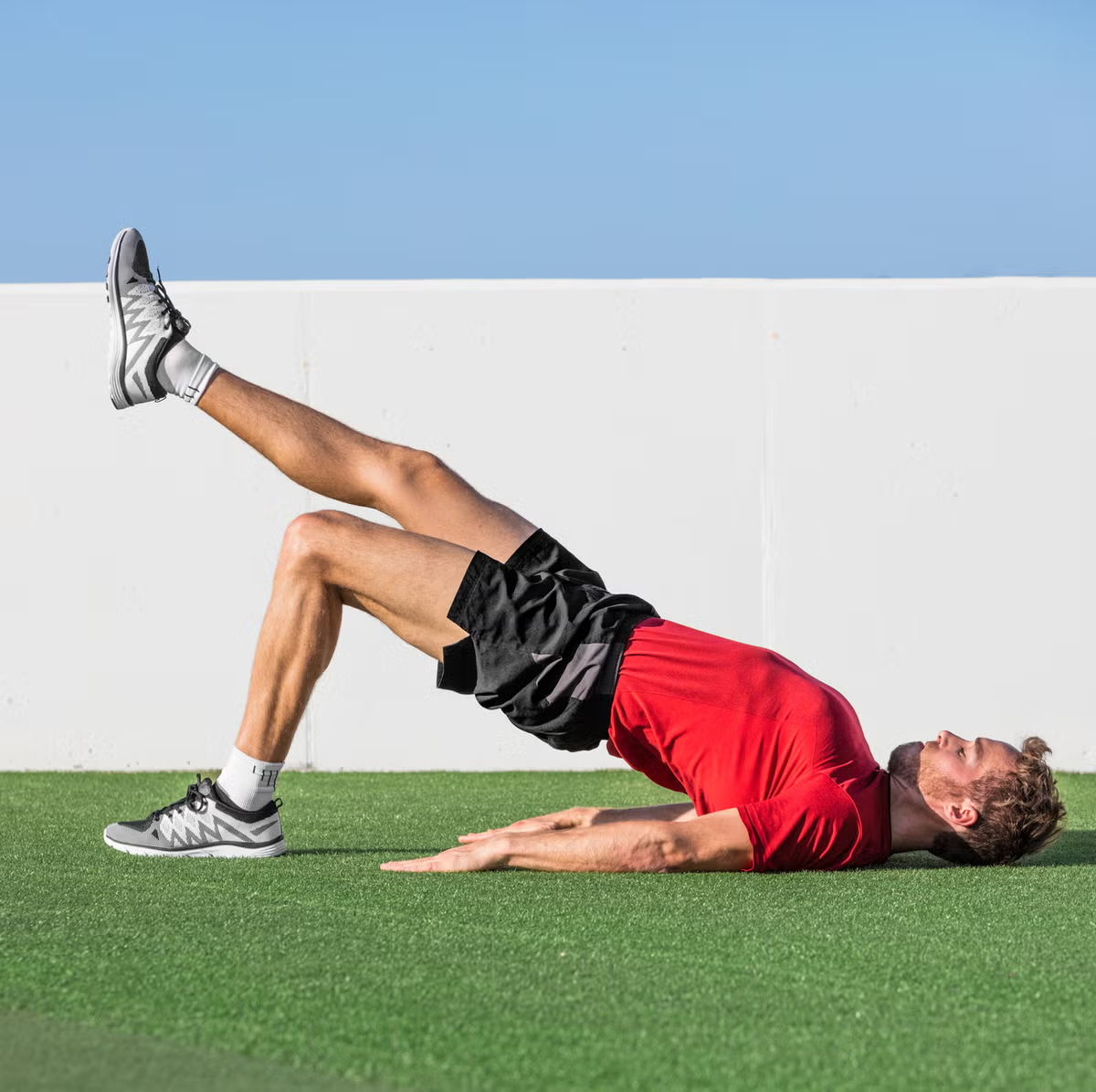
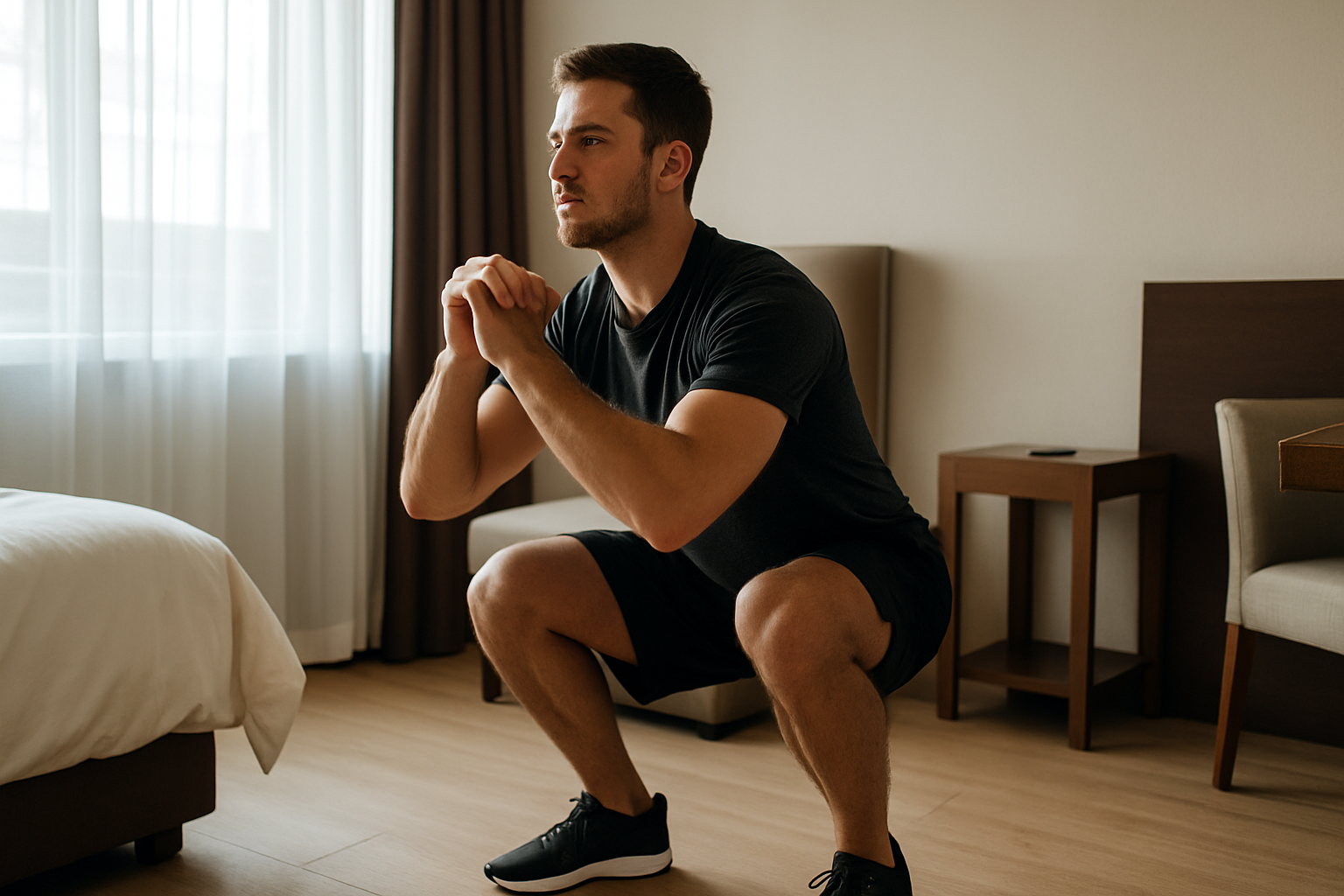
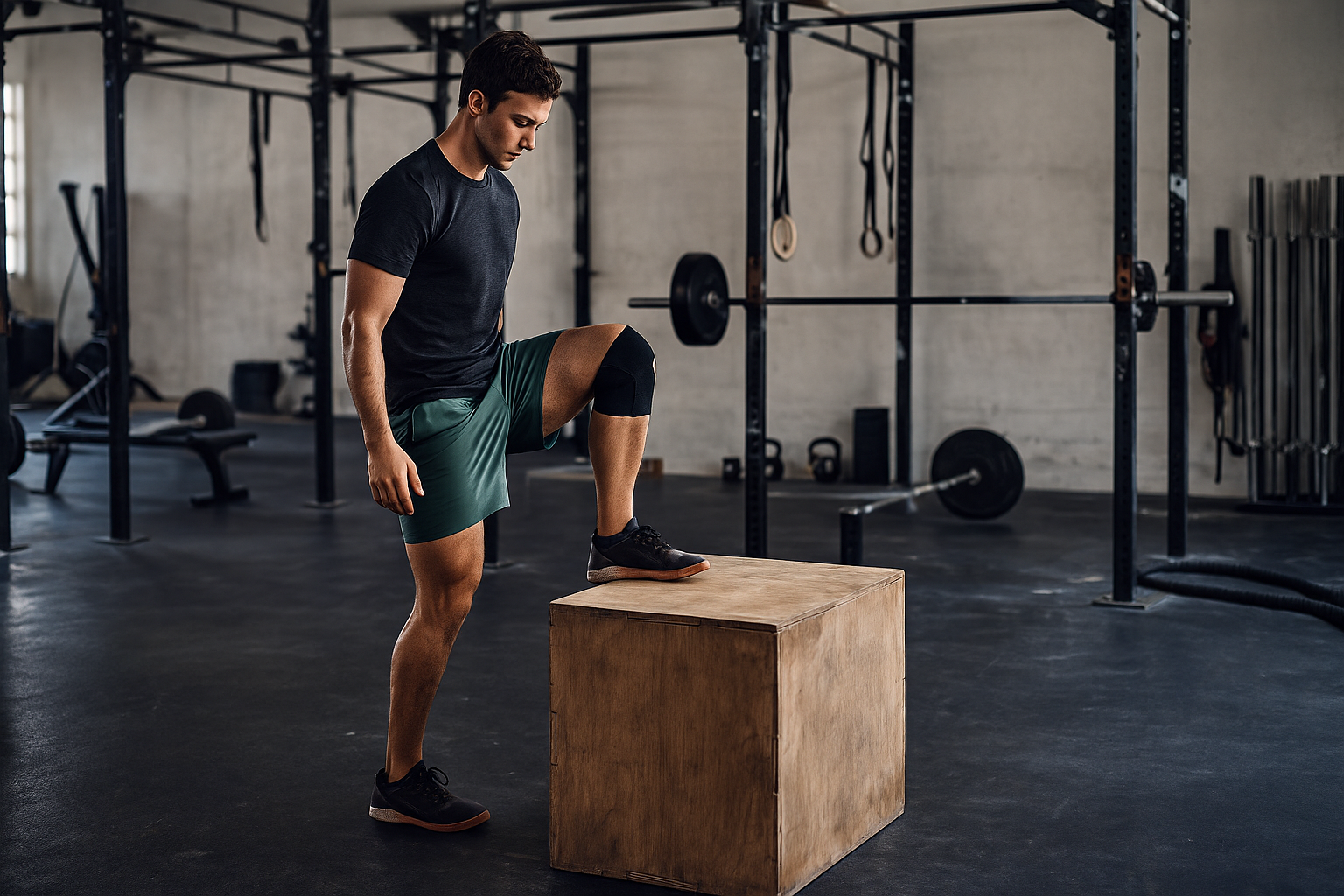
The most effective mobility routines focus on positions that matter.
For most athletes, this includes:
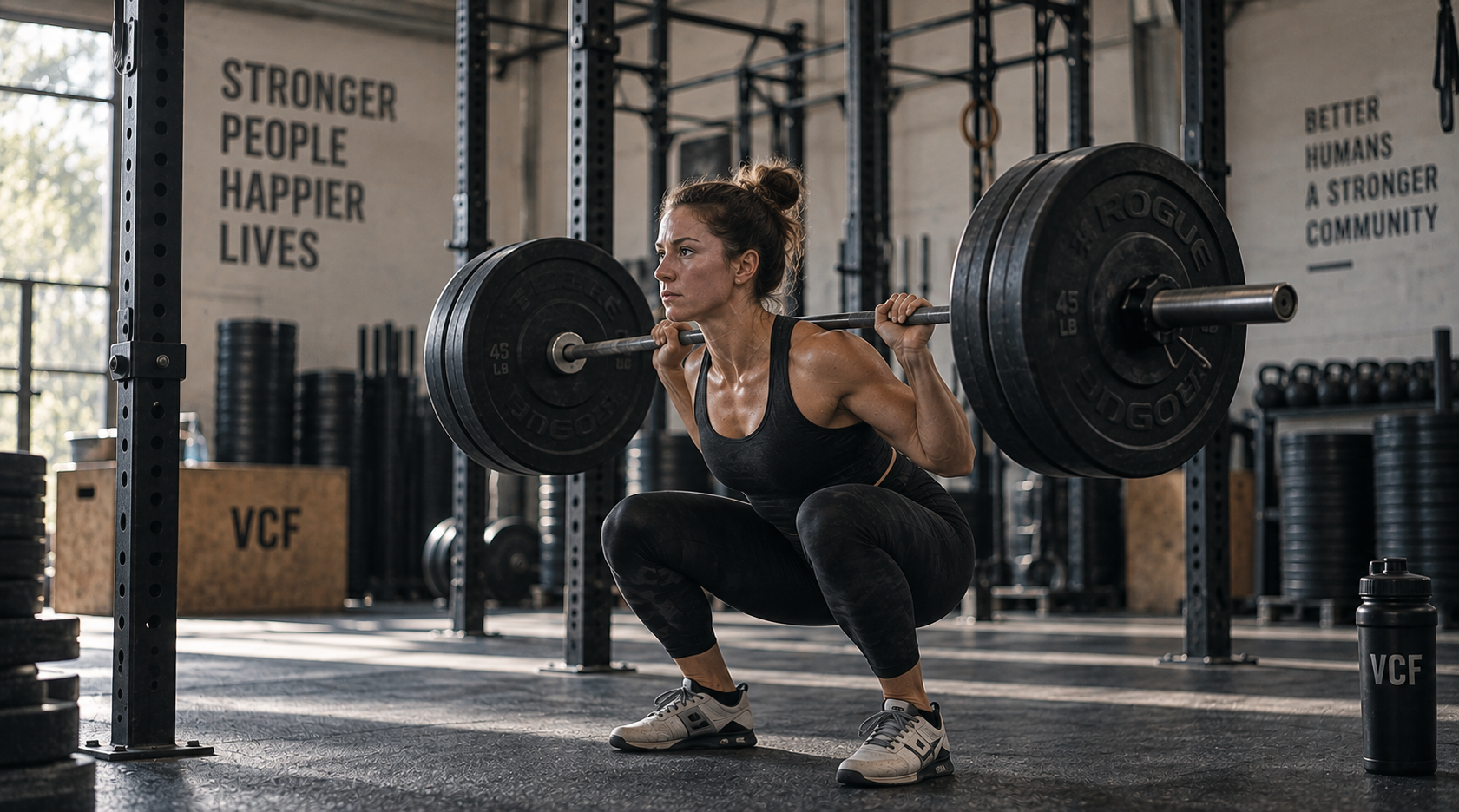
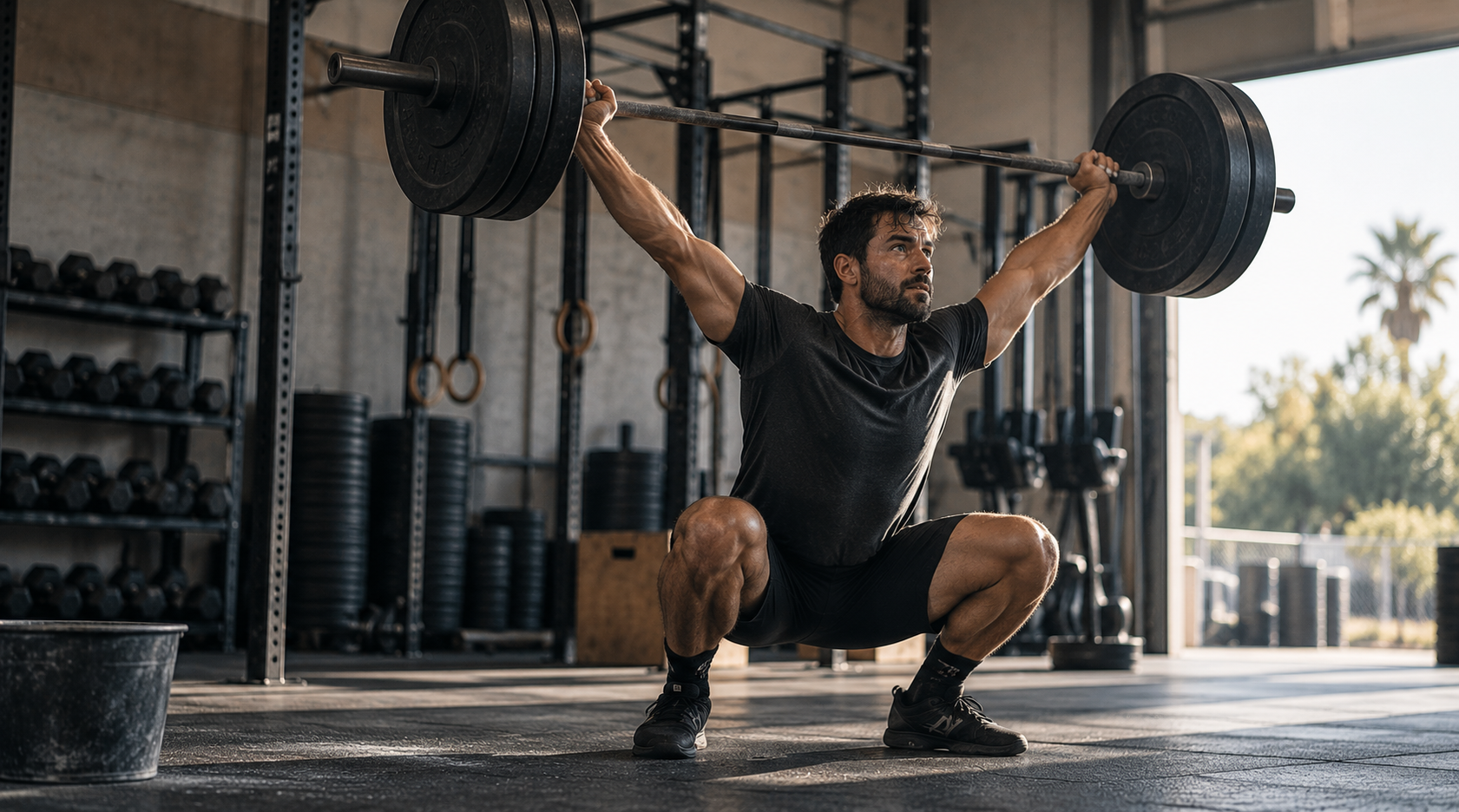
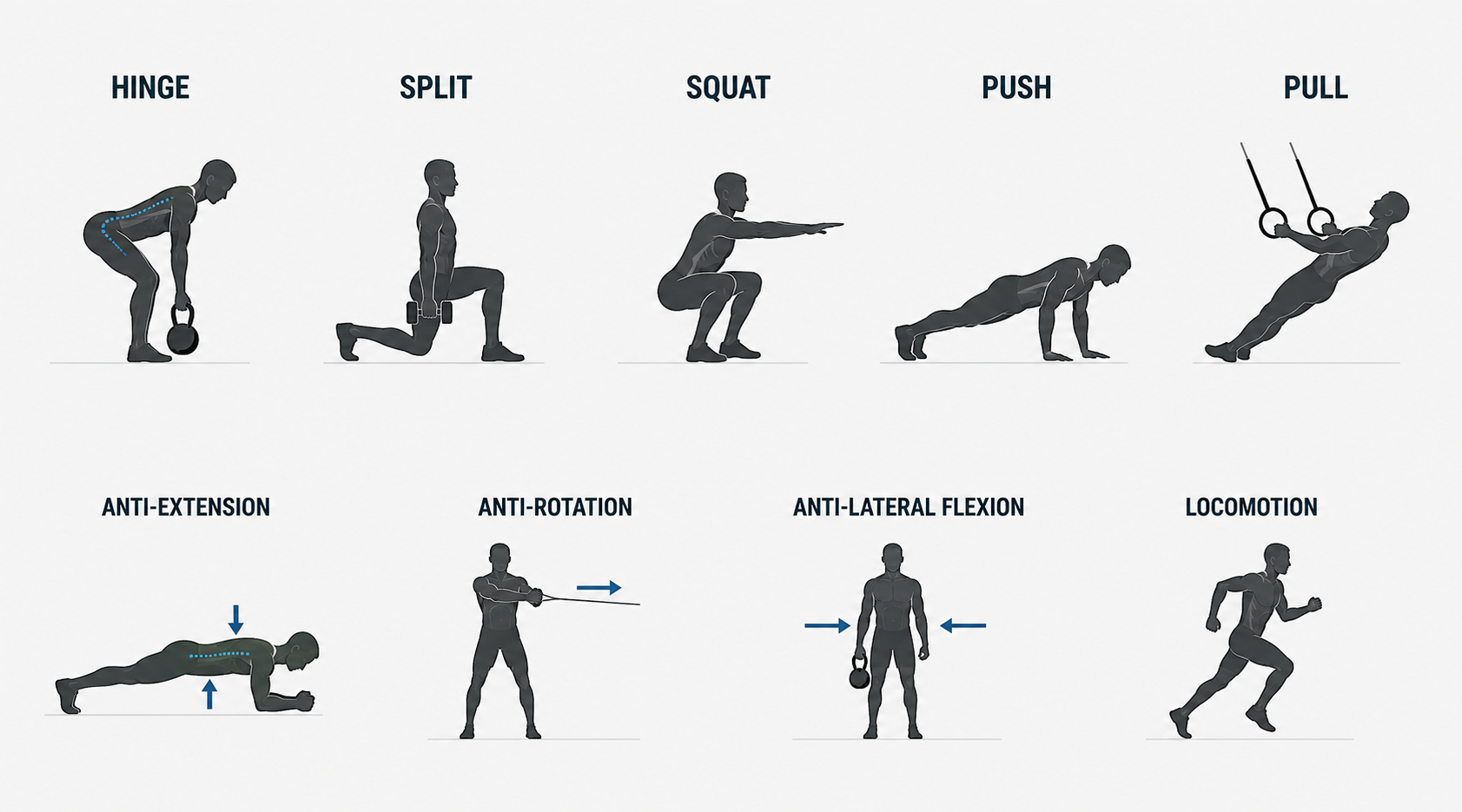
Improving these areas supports better squatting, hinging, pressing, pulling, and overhead work. Mobility that improves these positions often leads to immediate improvements in movement quality.
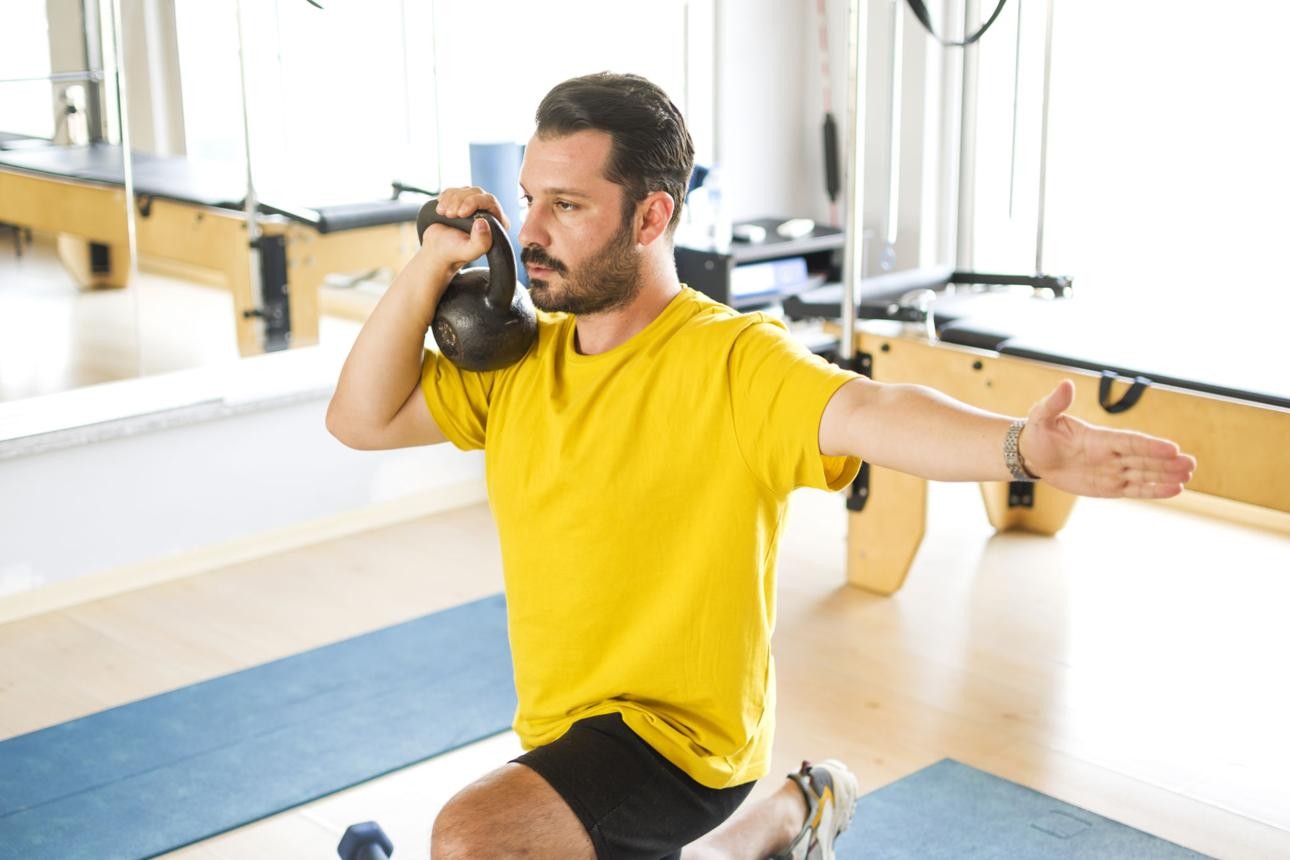
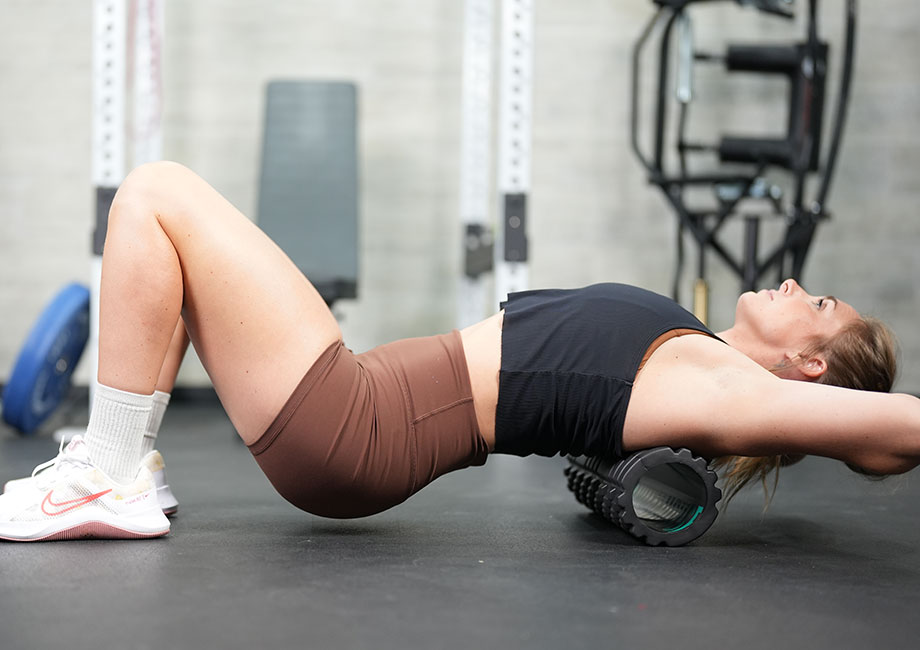
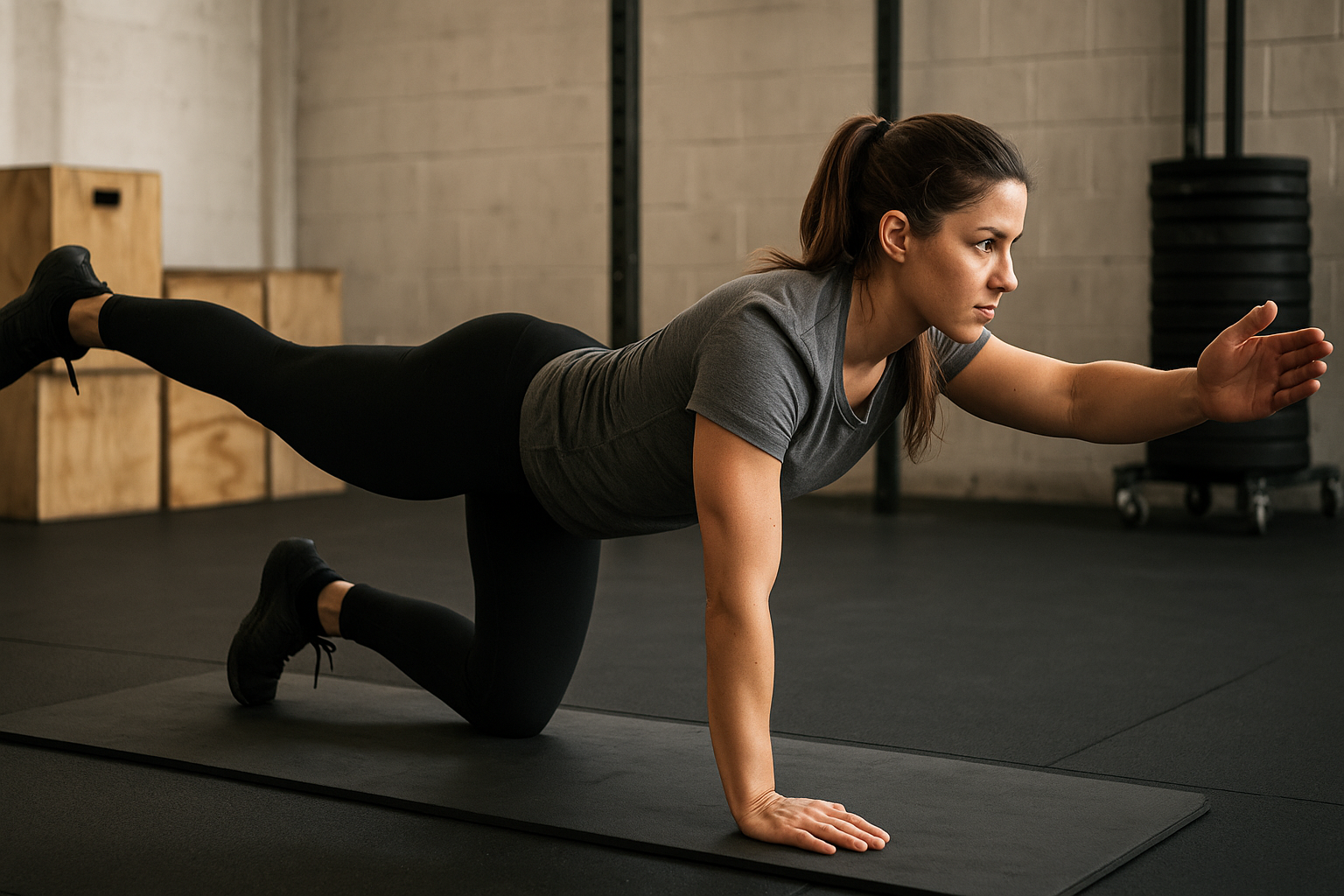
Active mobility creates adaptation.
This includes:
These methods teach the nervous system that new ranges are safe and usable. Over time, this leads to more durable changes than passive stretching alone.
Mobility does not require long, separate sessions to be effective.
Most athletes benefit from:
This approach keeps mobility relevant and sustainable. It also reinforces the idea that mobility supports training rather than competing with it.
Mobility often loses effectiveness when:
Mobility should make training feel better and more repeatable, not leave athletes sore or fatigued.
Athletes who move well tend to train longer.
Effective mobility routines reduce unnecessary stress on joints, improve force distribution, and help athletes maintain quality movement as intensity increases. This supports longevity by allowing consistent training with fewer interruptions.
Mobility is not about becoming more flexible. It is about staying capable.
Mobility routines that work are simple, targeted, and intentional. When athletes focus on control, relevance, and consistency, mobility becomes a quiet performance enhancer rather than a frustrating chore. Over time, this approach supports stronger lifts, better movement, and more resilient training.