Common Nutrition Myths That Hold Athletes Back
Common nutrition myths can quietly limit strength, recovery, and performance. Learn what athletes actually need based on well-established principles.
By
January 9, 2026

Nutrition advice is everywhere, and much of it sounds convincing. Over time, athletes often accumulate rules that create confusion, guilt, or unnecessary restriction. While these ideas may be popular, many are not supported by well-established nutrition science or long-term performance outcomes.
Training works best when nutrition supports recovery, consistency, and energy availability. Letting go of a few common myths can remove friction and help athletes train better year-round.
Many athletes believe progress requires flawless nutrition. One missed meal or indulgent choice can feel like failure.
In reality, consistency matters far more than perfection. Training adaptations respond to patterns over weeks and months, not isolated days. Athletes who aim for sustainable habits tend to progress further than those chasing rigid standards they cannot maintain.
Effective nutrition supports training most of the time, not all of the time.
Carbohydrates are often blamed for stalled progress or body composition issues. For athletes who train regularly, this fear is misplaced.
Carbs are the primary fuel source for high-intensity training. Adequate carbohydrate intake supports performance, recovery, and overall training quality. Chronic restriction can lead to fatigue, reduced output, and poor recovery even if calorie intake appears sufficient.
The issue is rarely carbs themselves. It is usually total intake, timing, or overall balance.
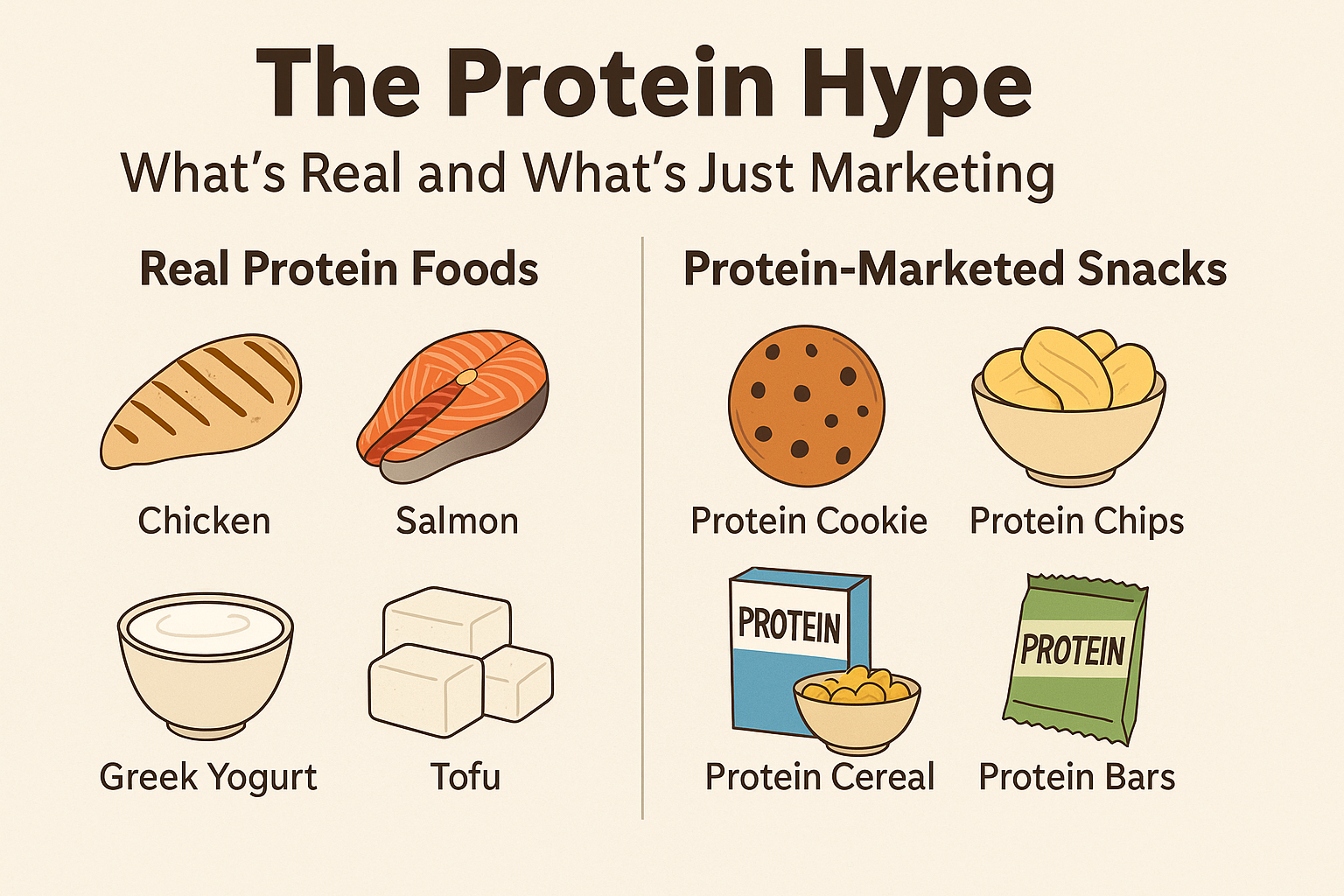
Protein is essential, but more is not always better.
Once basic protein needs are met, additional intake offers diminishing returns. Strength and muscle gains depend on total training stimulus, calorie intake, and recovery alongside protein consumption.
Athletes benefit most from adequate, evenly distributed protein rather than excessive intake at the expense of other nutrients.
Some athletes treat food as a reward for training or something that must be justified by effort.
This mindset creates a disconnect between fueling and performance. Training is a stress. Food is what allows the body to adapt to that stress.
When athletes underfuel, recovery suffers, motivation declines, and injury risk increases. Fueling supports training. It is not something to be earned.
Athletes often believe they must choose between improving performance and changing body composition.
While aggressive restriction compromises performance, moderate and well-planned approaches can support both goals. The key is patience, adequate protein, sufficient energy for training, and realistic timelines.
Short-term sacrifices often lead to long-term setbacks. Sustainable strategies produce better outcomes across both performance and health.
Rather than chasing trends, athletes do better by returning to fundamentals:
These principles are supported across decades of research and real-world coaching experience.
Nutrition should make training feel better, not harder. When athletes move past rigid myths and focus on consistency and adequacy, they unlock better recovery, stronger performance, and a healthier relationship with training itself.