Staying Active While Traveling
Travel doesn’t have to break your training rhythm. Learn simple, effective strategies to stay active, strong, and consistent on the road with minimal equipment.
By
December 12, 2025
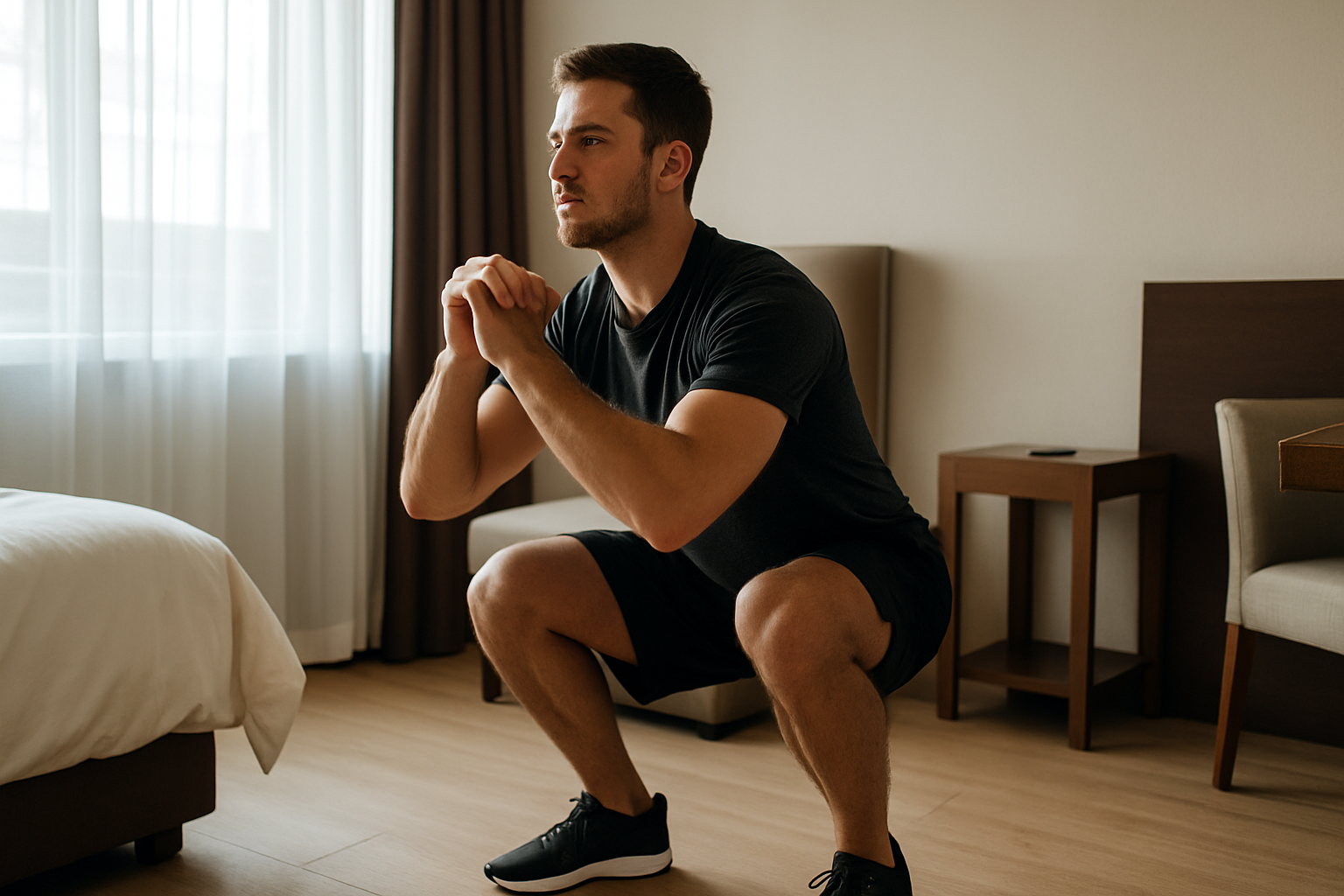
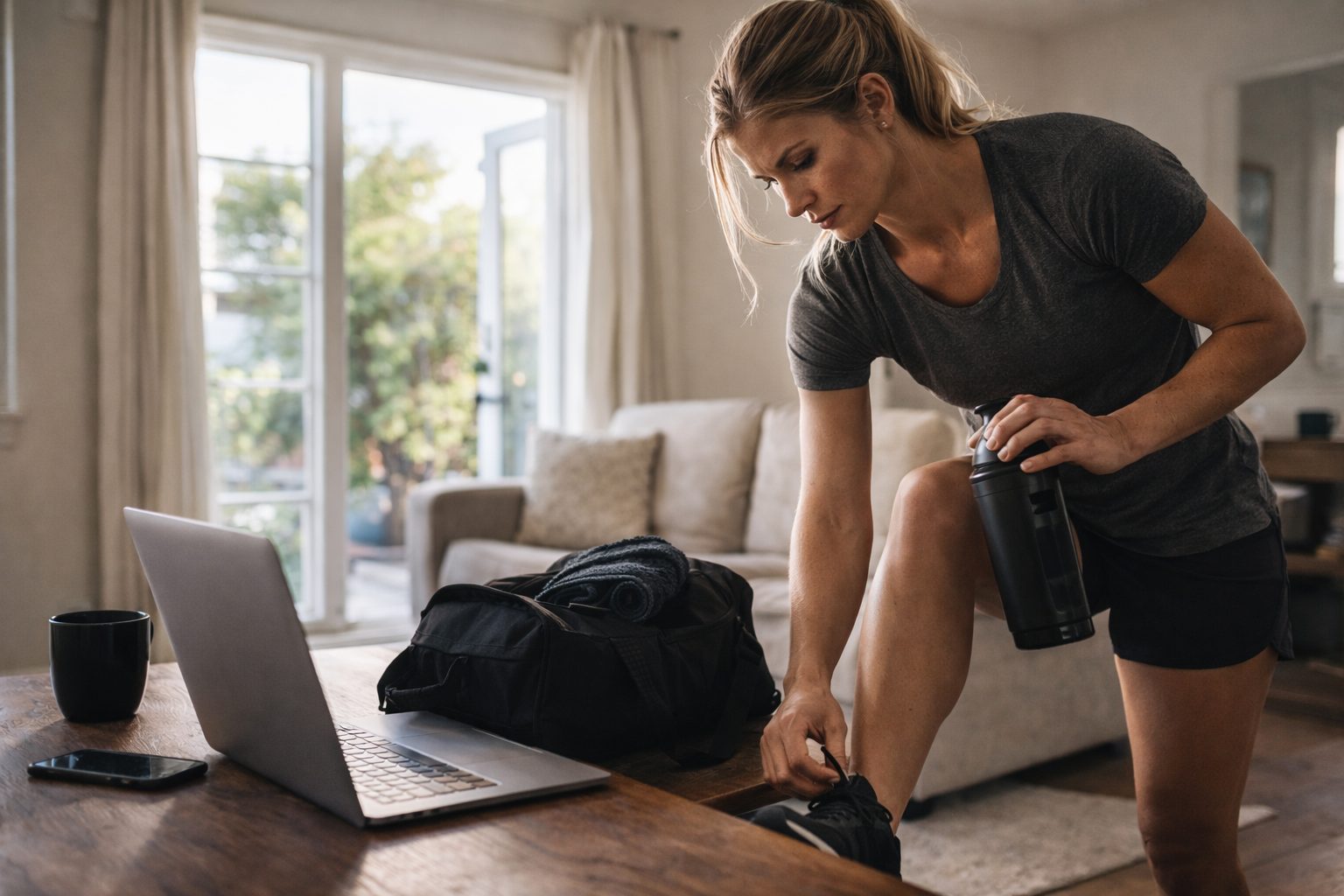
Whether you’re on vacation, traveling for work, or visiting family, your schedule, environment, and energy will feel different.
Trying to follow your training plan perfectly often leads to frustration.
Instead, the goal is simple: stay active, stay consistent, and maintain momentum until you’re back in your normal routine.
Travel training isn’t about intensity. It’s about rhythm.
Travel disrupts structure. Gyms may not be available, schedules shift, and sleep varies.
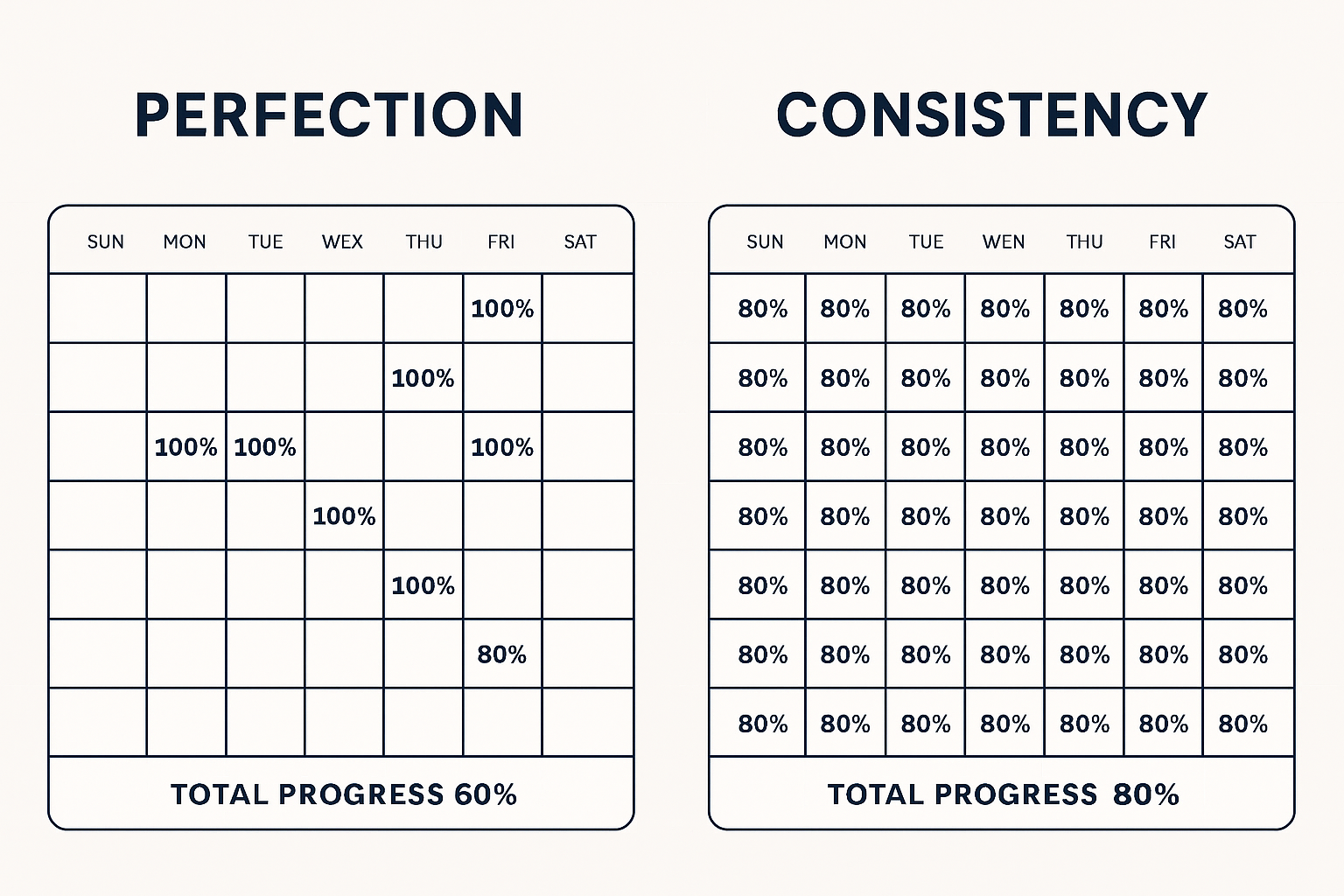
But consistency isn’t about doing your full program — it’s about keeping movement in your day so your habits stay intact.
Even short sessions build confidence, energy, and continuity.
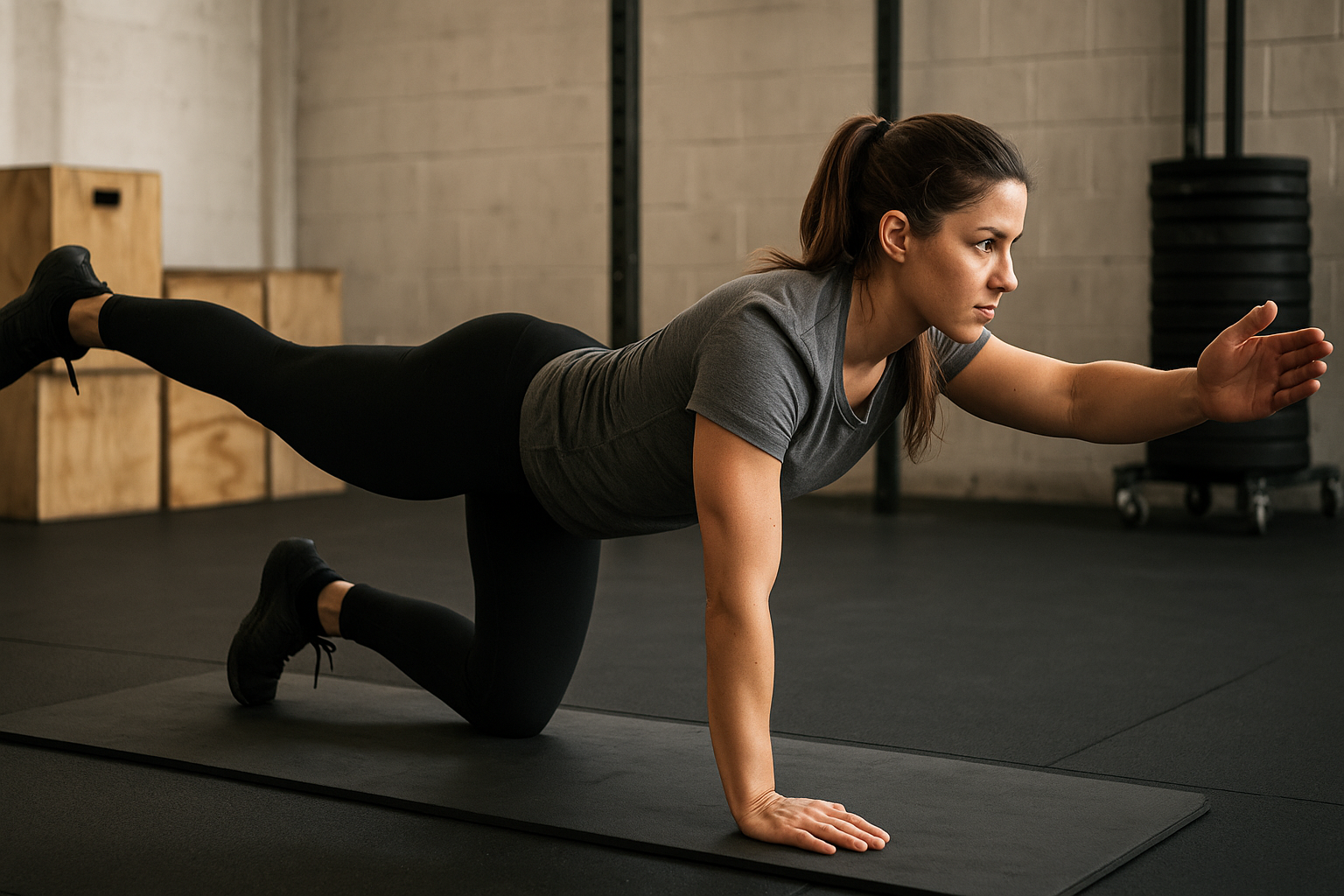
You don’t need equipment to get meaningful training in.
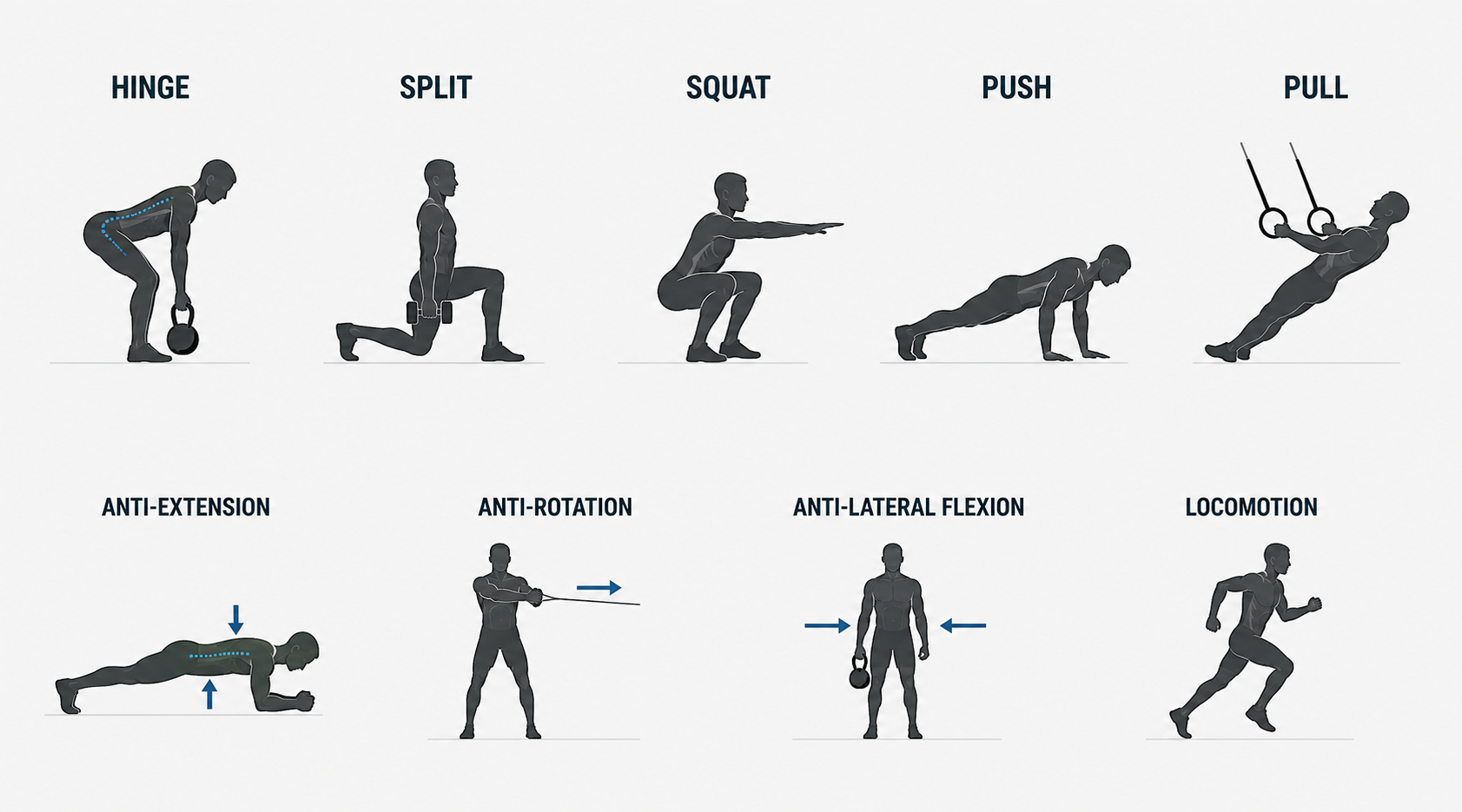
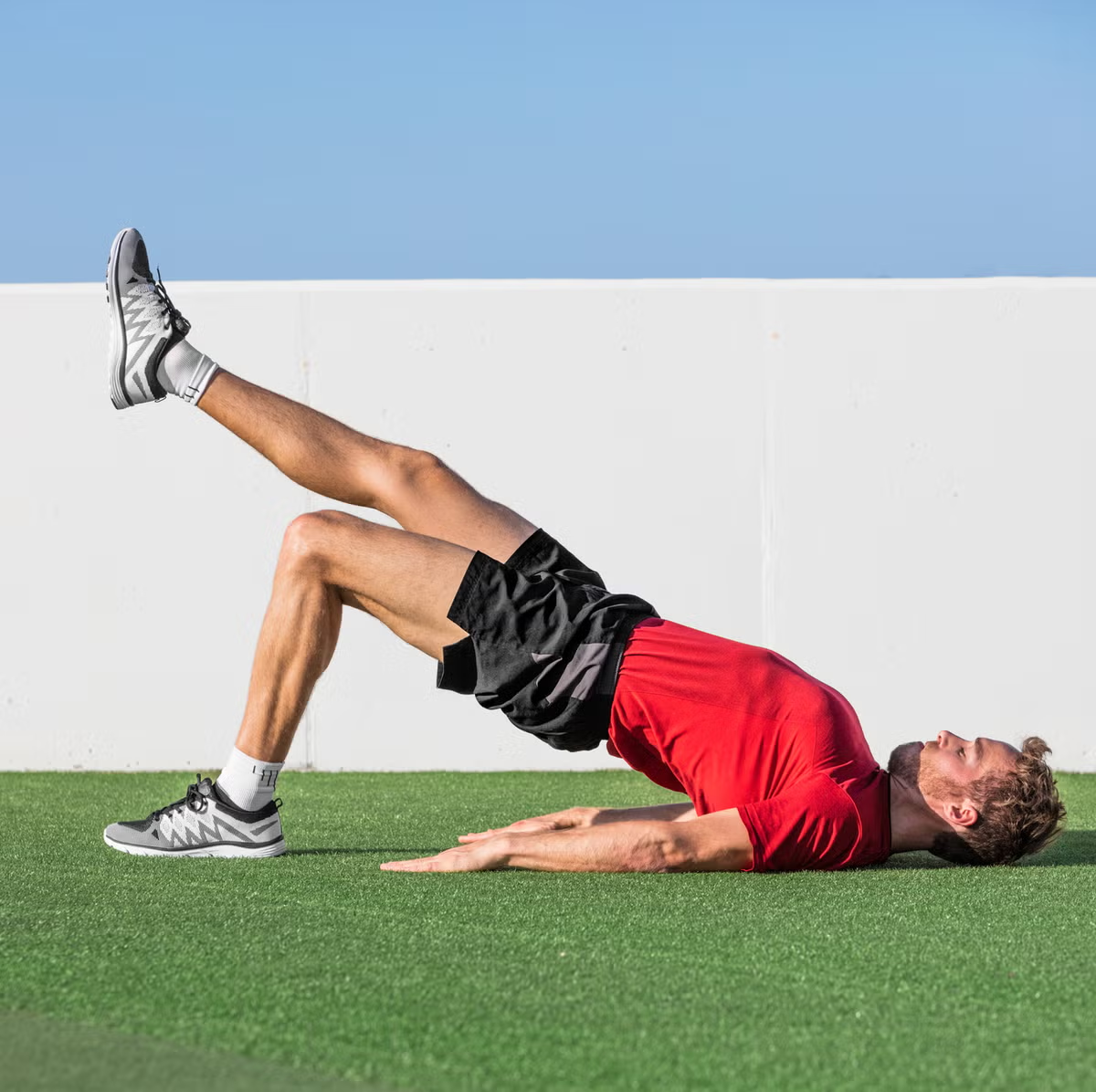
Bodyweight strength work, interval conditioning, and light mobility sessions all support your progress without requiring a full gym.
Here are simple ways to stay active:
Small, frequent doses of activity help maintain your engine and movement quality.
10–15 minutes
Move with control and focus on quality.
12 minutes
Choose running, biking, stairs, or even shadow boxing.
8–10 minutes
Perfect for busy days or hotel-room mornings.
Walking is the easiest way to maintain baseline fitness while traveling.
It improves digestion, supports recovery, and burns steady energy without stressing your system.
Aim for 8,000–12,000 steps if your schedule allows.
The key to travel training is removing friction.
Choose options that require the least setup or mental load.
Examples:
Convenience keeps you consistent.
Travel often brings lighter training automatically — which can be beneficial.
Shorter sessions give your body a break from heavy lifting or high-intensity days while keeping you primed for your return.
Think of it as a natural mini-deload that helps you come back feeling refreshed.
Travel doesn’t derail progress — rigid expectations do.
When you shift the goal from “perfect training” to “consistent movement,” you stay connected to your habits, maintain fitness, and return home ready to ramp up again.
Stay active, stay flexible, and let movement keep your momentum alive no matter where you are.