Technique Under Fatigue
Training technique under fatigue plays a major role in performance, injury risk, and long-term progress. Learn why movement quality matters most when you are tired.
By
January 17, 2026

Why how you move when tired matters more than how fast you finish
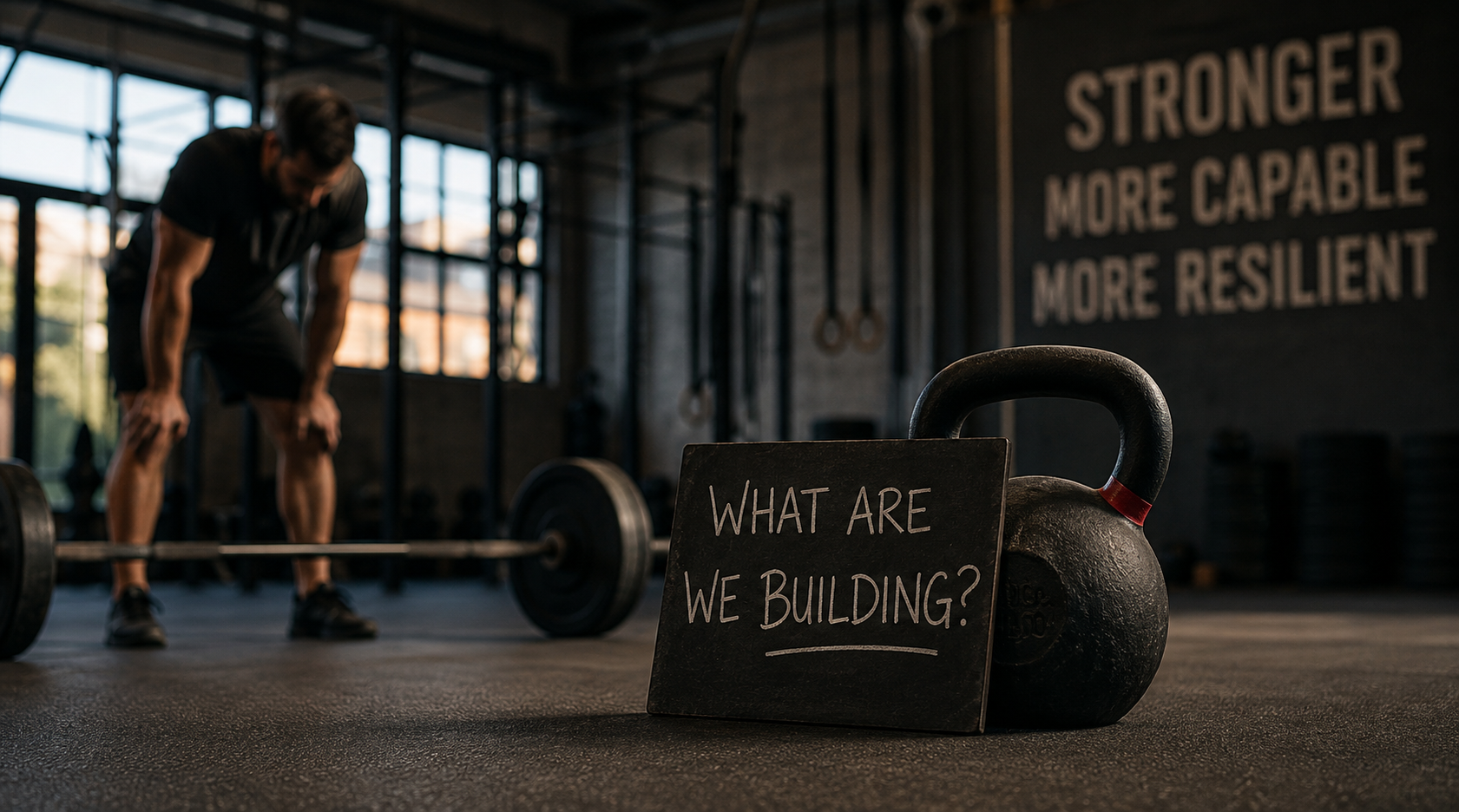
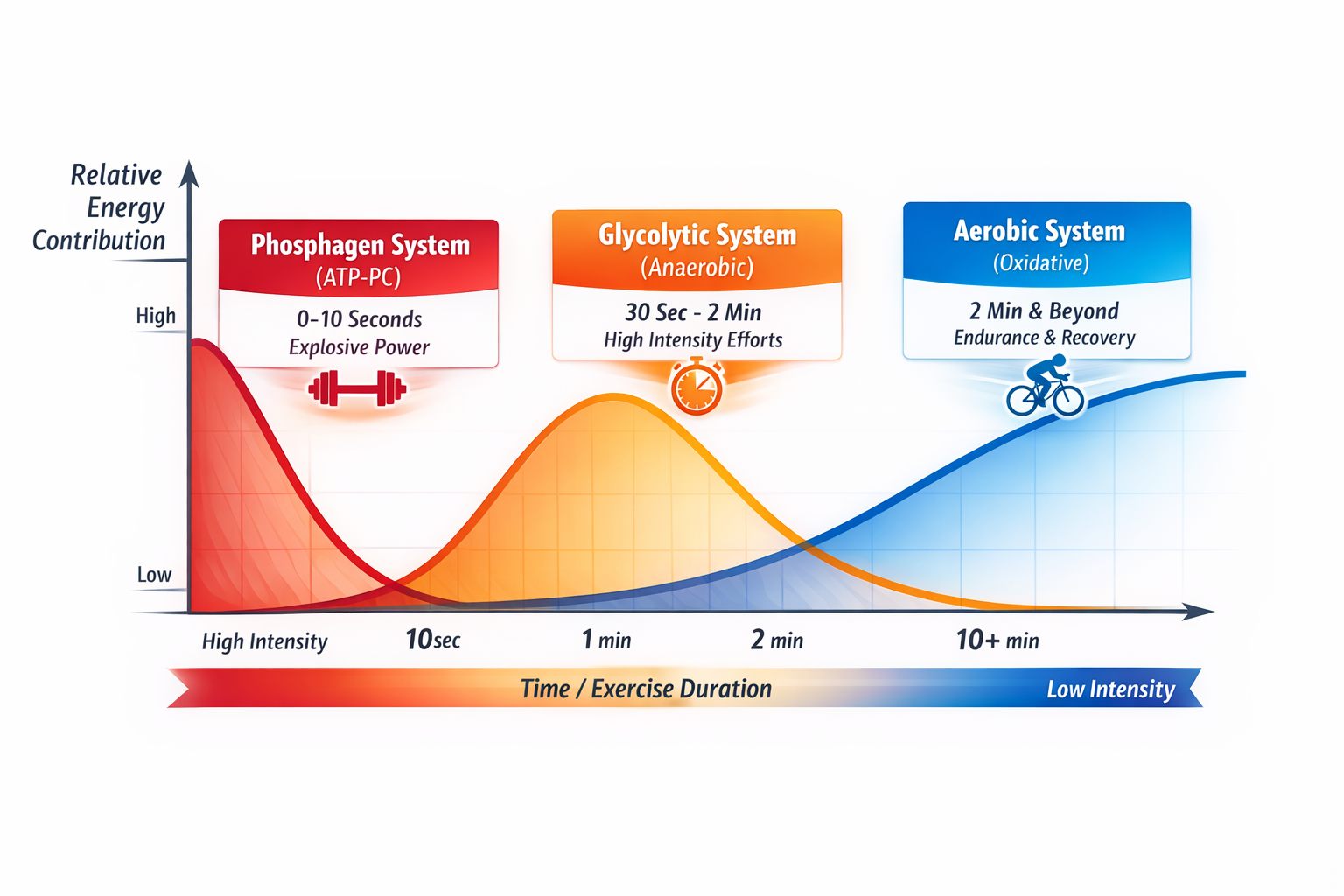
Fatigue changes how the body moves.
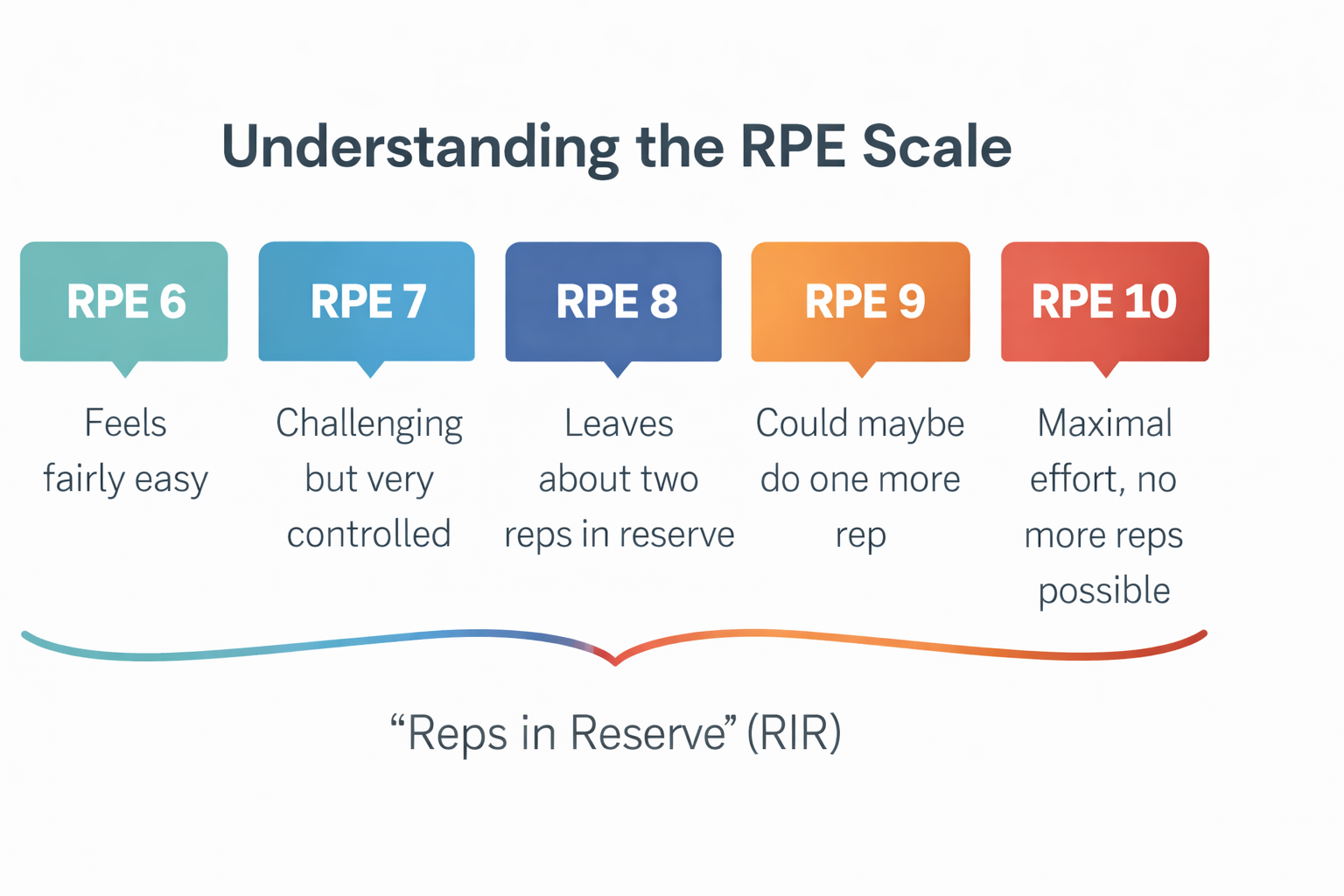
As effort accumulates, strength fades, coordination declines, and maintaining good positions becomes more difficult. This is often where athletes believe training truly begins. Push harder. Move faster. Get through it.
But the way an athlete moves under fatigue determines whether training builds capacity or quietly breaks it down.
Early in a workout, technique is easy to maintain. Positions feel stable. Timing is clean.
As fatigue sets in, movement patterns are exposed. Ranges of motion shorten. Bracing fades. Timing becomes inconsistent. These changes are not failures. They are information.
Fatigue reveals what an athlete can truly control when conditions are no longer ideal.
Technique is often treated as something to establish before intensity rises. In reality, technique must be trained under stress.
Maintaining movement quality while tired:
When technique collapses, the workout may continue, but the adaptation changes. What was meant to build strength or capacity can shift toward wear and tear.
Under fatigue, athletes often try to move faster to compensate for declining strength.
Momentum replaces control. Positions are rushed. Reps still count, but their training value drops.
Efficiency under fatigue looks different. It prioritizes:
This kind of movement may feel slower, but it produces better long-term results.
Fatigue is not unique to training.
Long hikes, busy workdays, carrying groceries, playing with kids or grandkids, and moving late into the day all happen when energy is already depleted. Movement quality in those moments matters.
Training technique under fatigue builds capacity that transfers beyond the gym. It prepares athletes to move well when they are already tired, distracted, or under stress.
Choosing to slow down, reduce load, or break reps earlier than planned takes discipline.
These decisions are often mistaken for weakness. In reality, they reflect awareness. Athletes who protect technique under fatigue tend to:
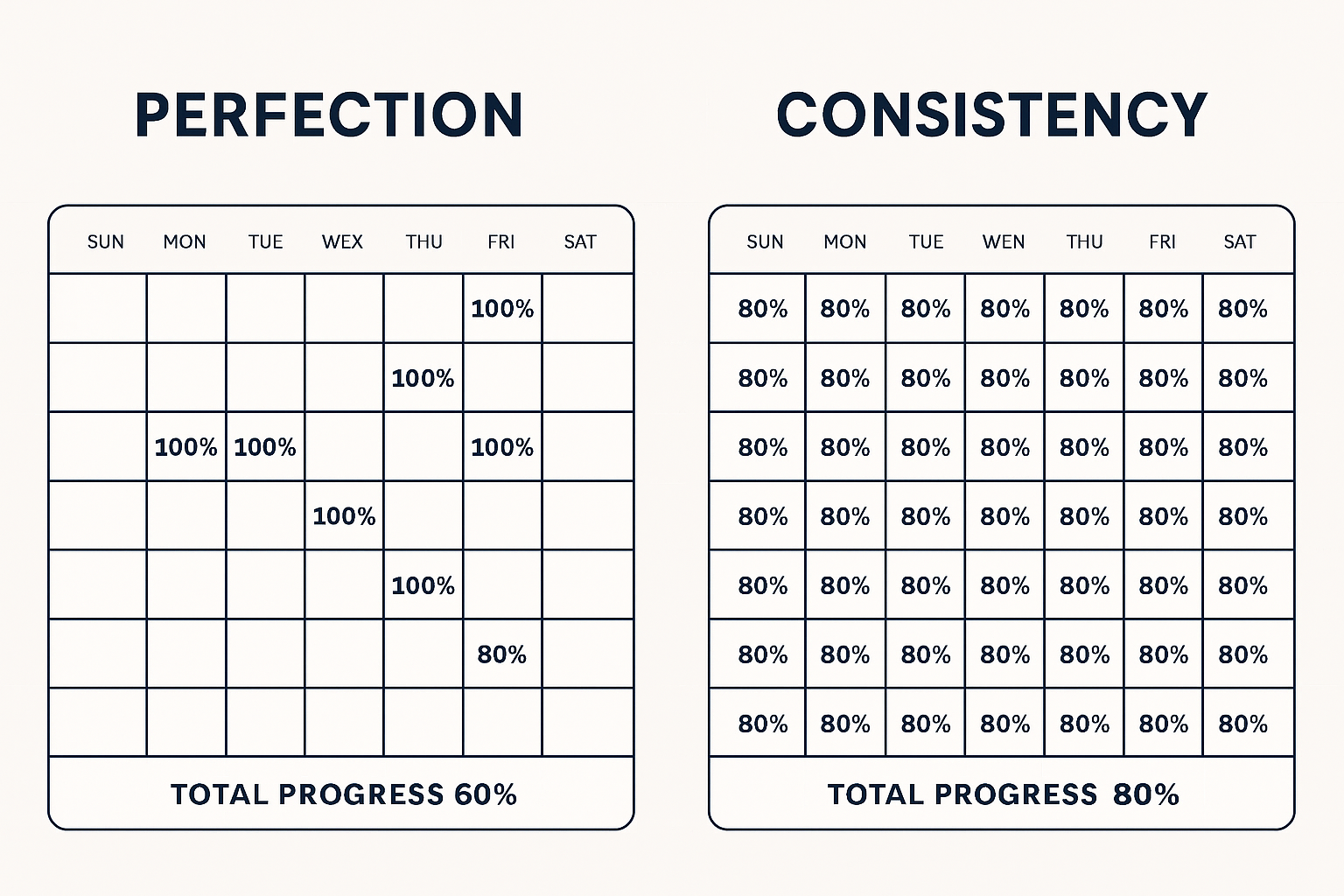
Restraint preserves progress.
Fatigue is not the enemy of good training. Poor movement under fatigue is. When athletes prioritize technique even when tired, training becomes more productive, more repeatable, and more durable. How you move when effort is high matters long after the workout ends.