How to Train Smarter in the New Year Without Burning Out
Learn how athletes can train smarter in the new year by balancing intensity, recovery, and consistency to build sustainable fitness without burnout.
By
January 9, 2026

The new year often brings renewed motivation. Training frequency increases, goals get bigger, and expectations rise quickly. While enthusiasm is valuable, it is also when many athletes push too hard, too fast, and lose momentum before winter is over.
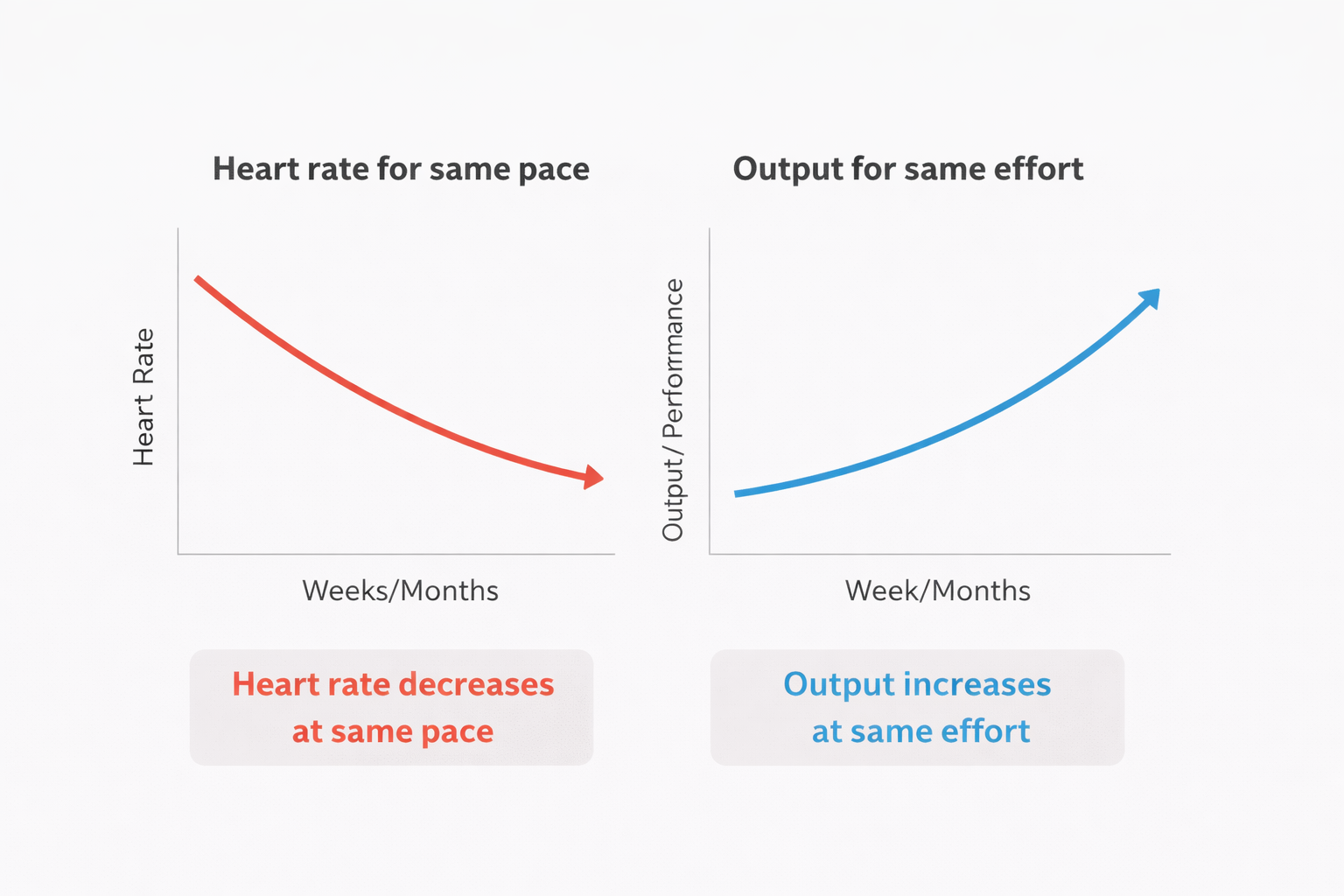
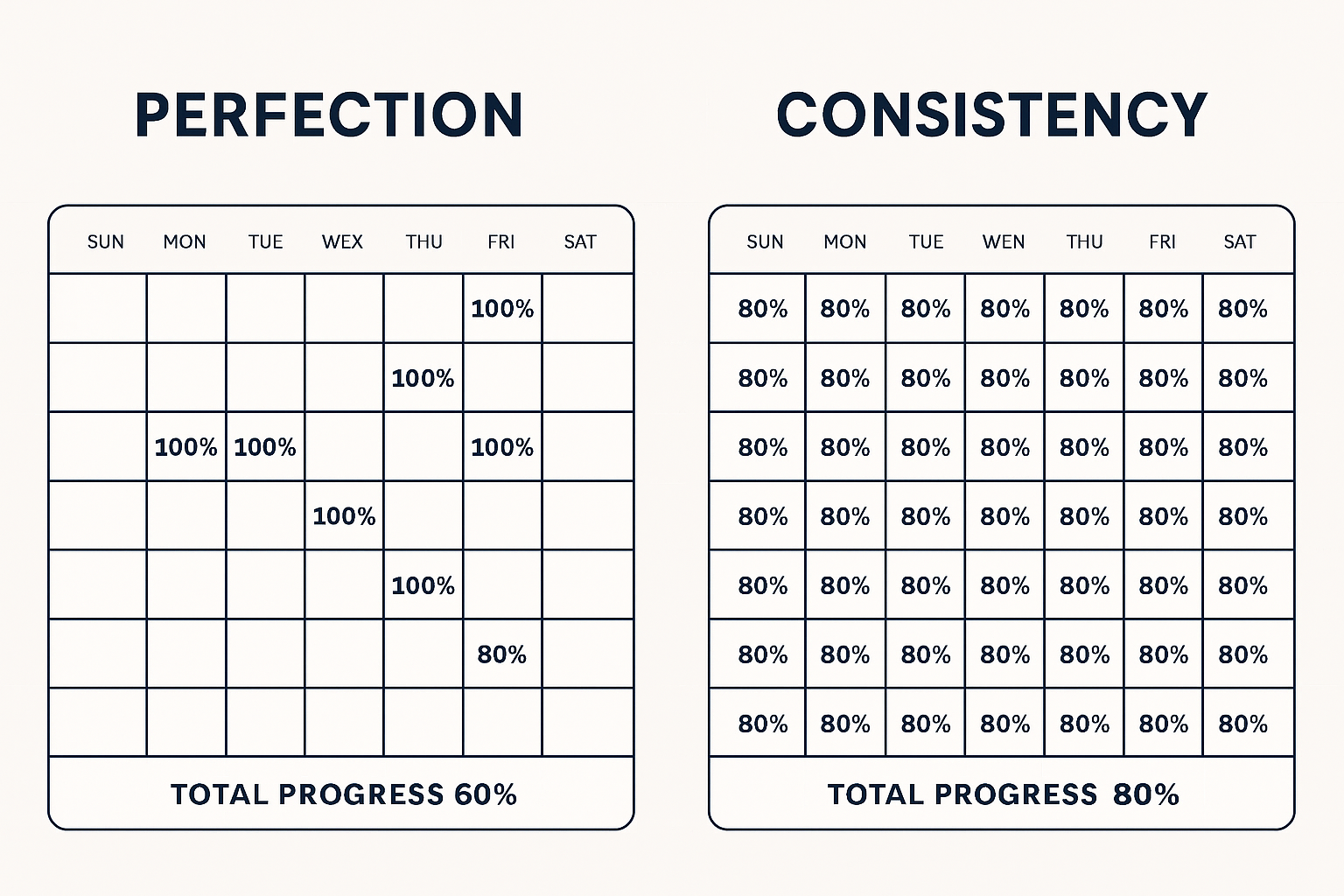
Training smarter in the new year is not about doing less. It is about applying effort in a way that builds capacity instead of draining it. Sustainable progress comes from consistency, not from emptying the tank in January.
Motivation is highest when the calendar flips. Capacity usually is not.
After holidays, travel, and disrupted routines, most athletes benefit from rebuilding tolerance to training rather than immediately chasing peak output. This means respecting current fitness levels instead of training based on where you want to be.
Early sessions should feel productive but manageable. Finishing workouts feeling capable instead of wrecked allows consistency to compound week after week.
One of the fastest paths to burnout is treating every session like a test.
Testing has a place. Training builds the qualities that make testing successful.
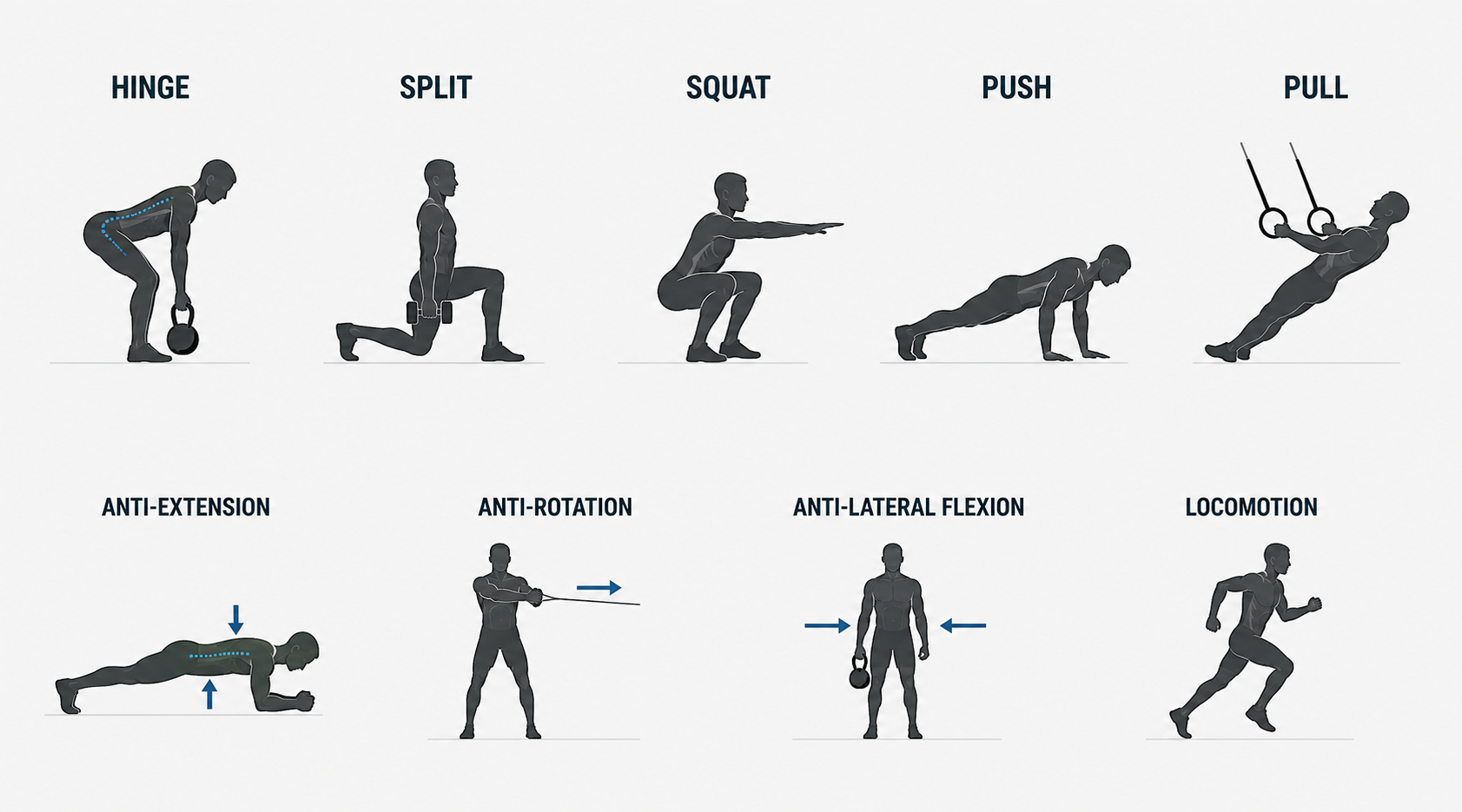
Smart training focuses on:
When every workout becomes a personal record attempt, recovery debt accumulates quickly. Progress slows even as effort increases.
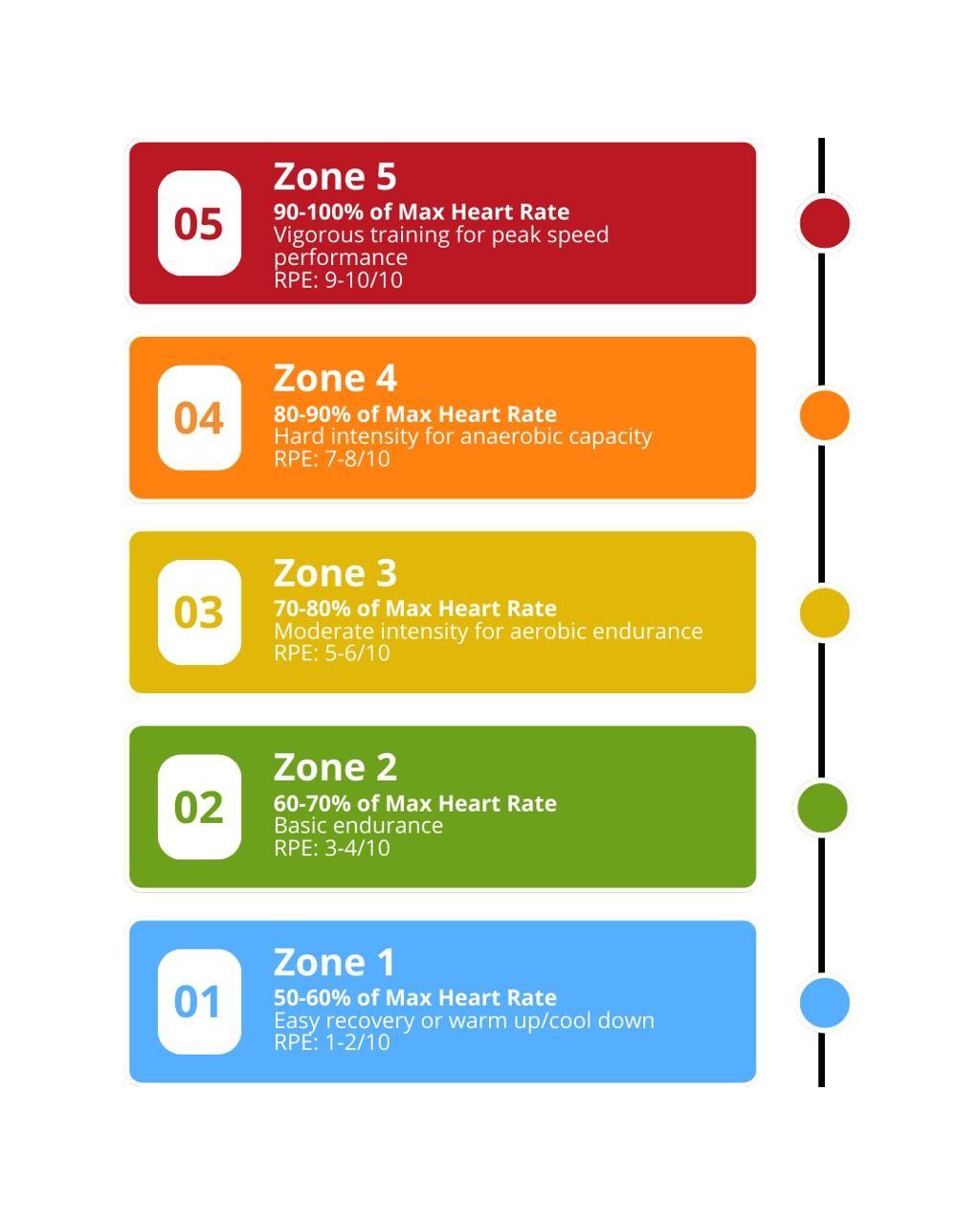
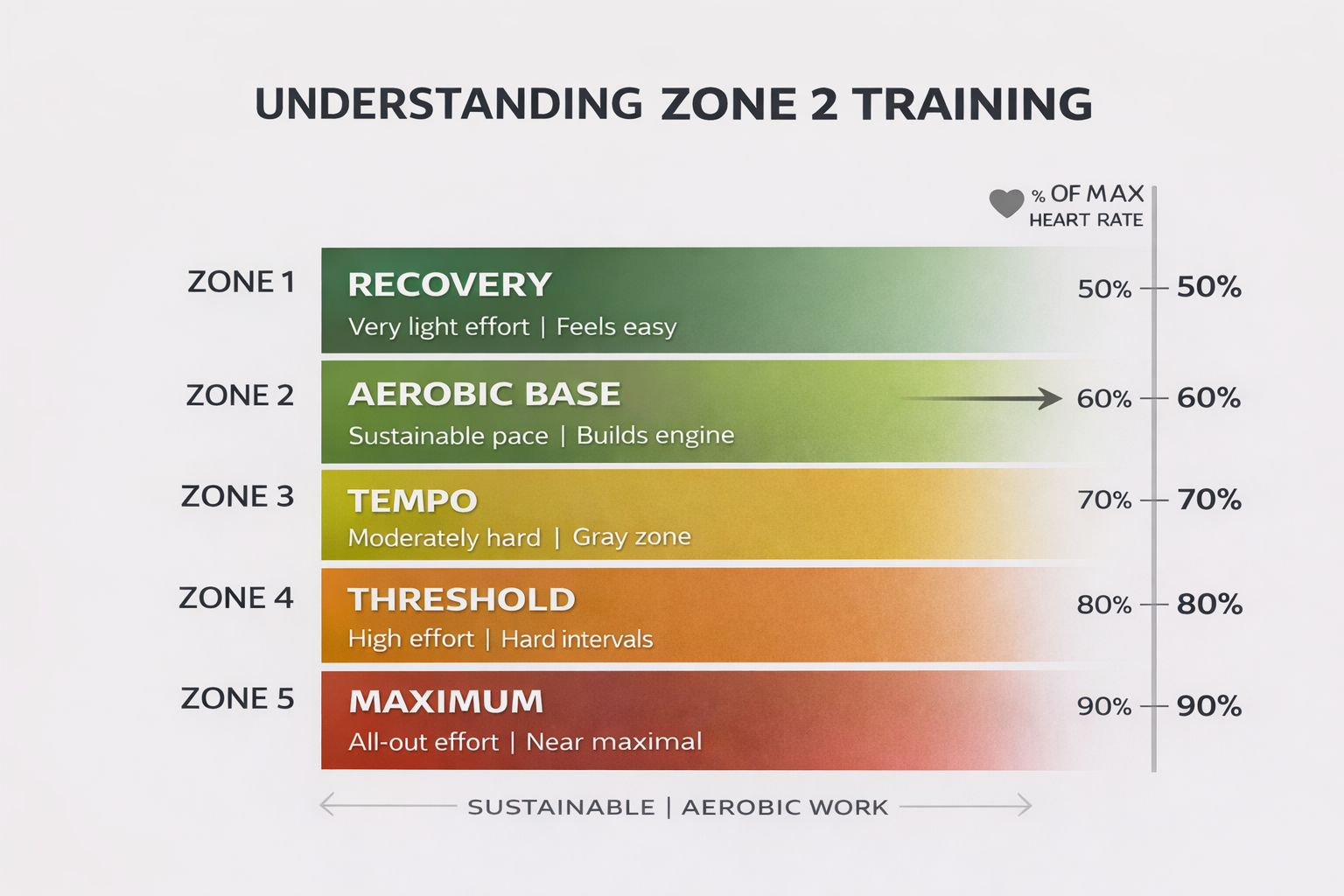
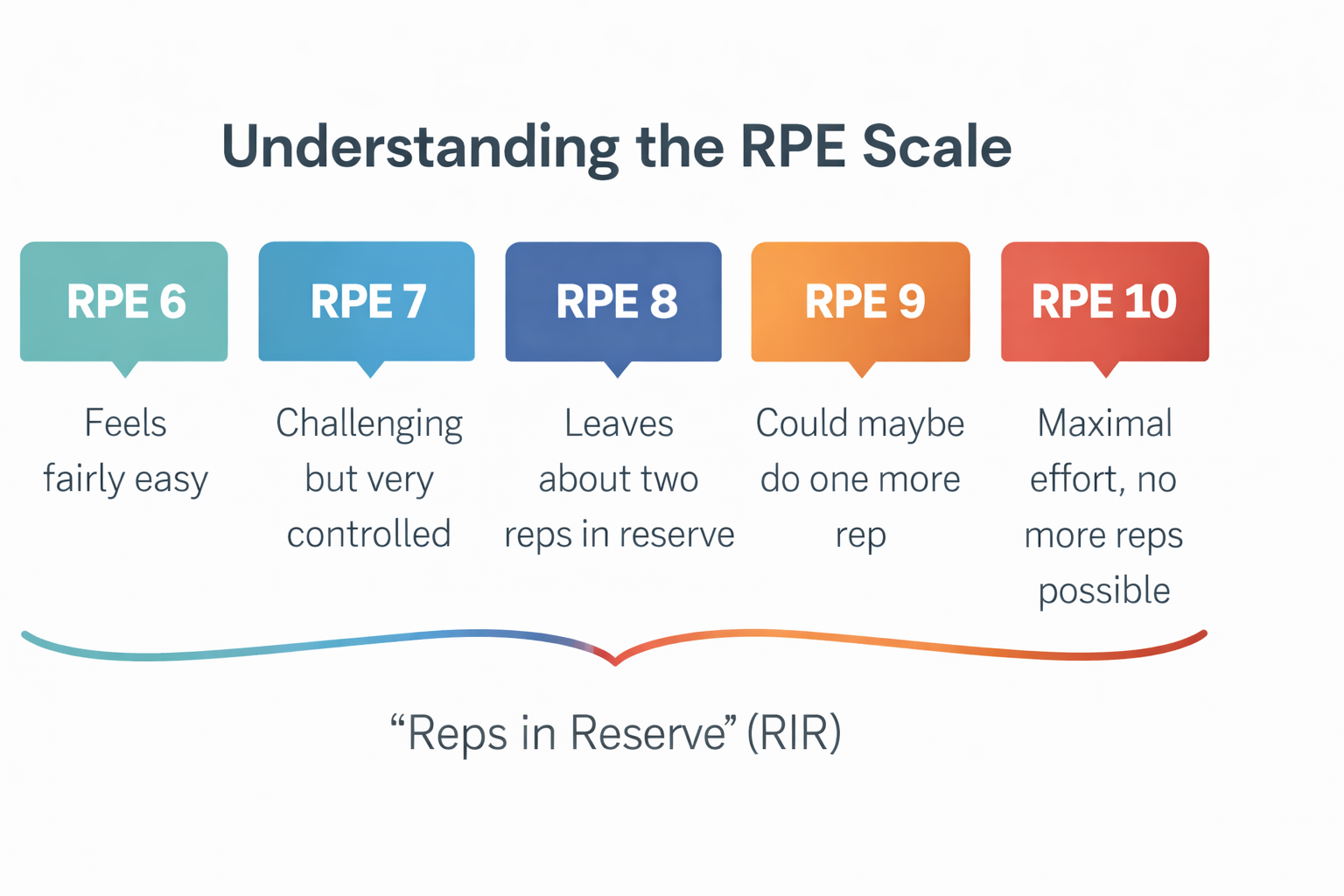
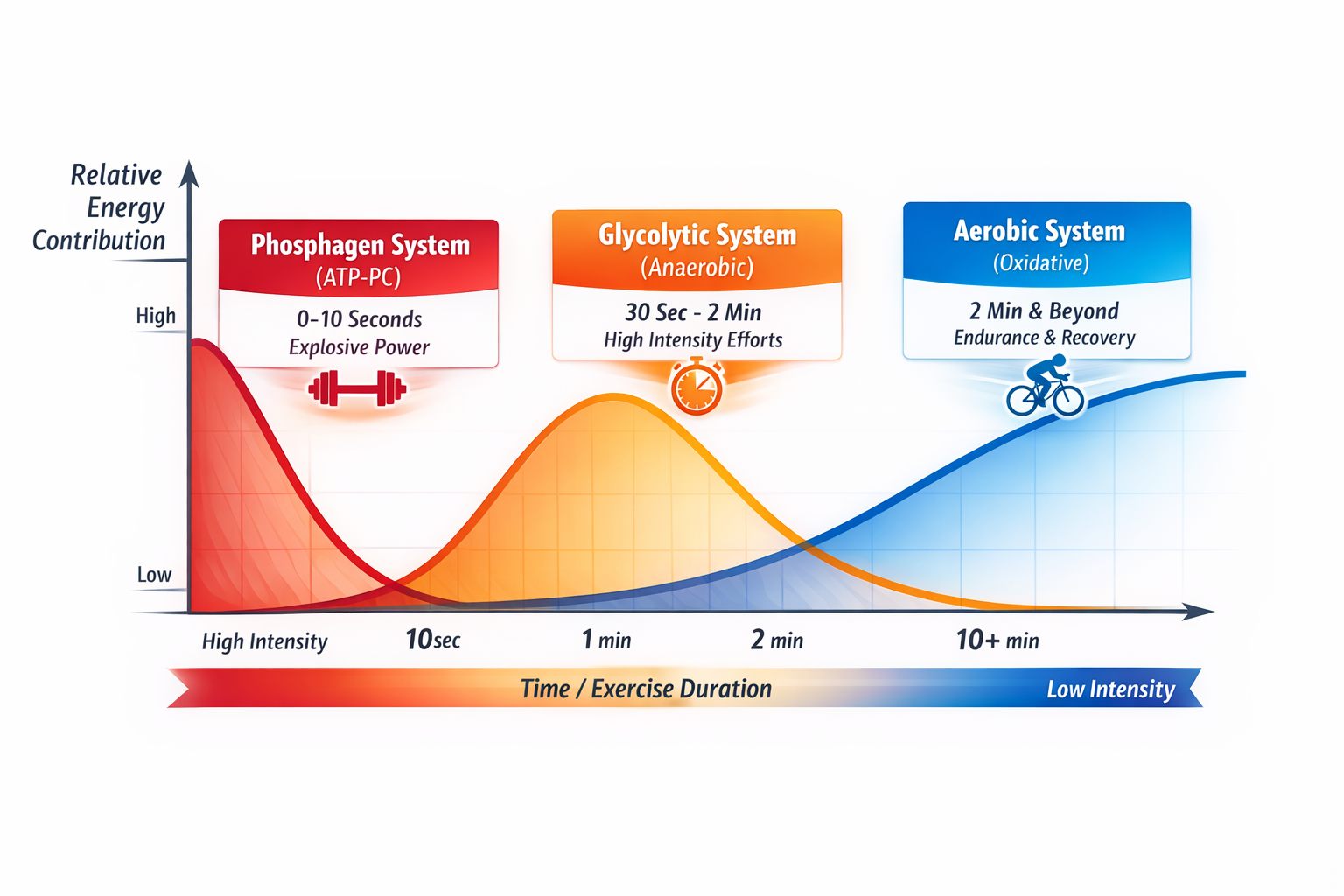
Intensity drives adaptation, but only when it is applied intentionally.
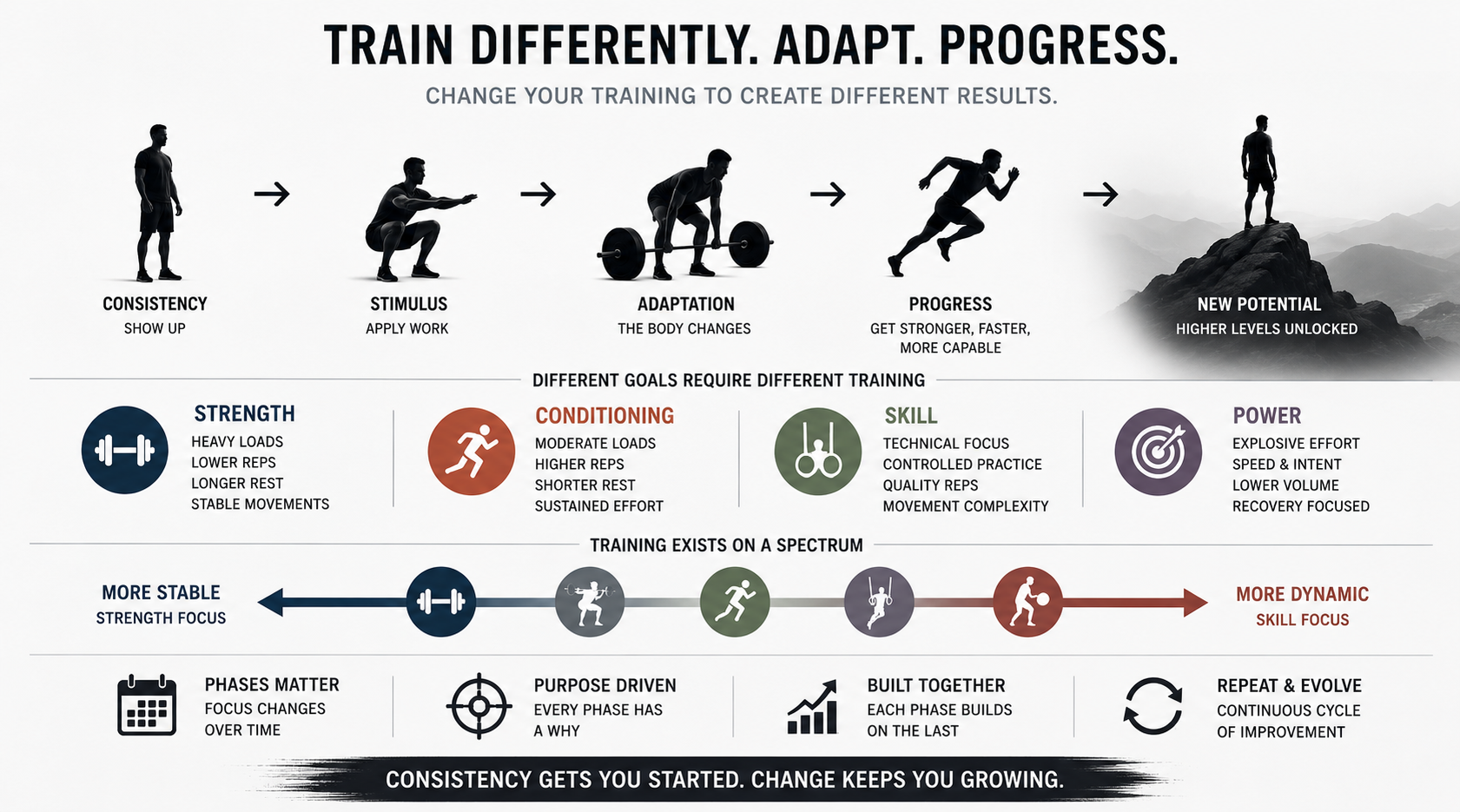
Smarter training balances:
Not every session needs to feel extreme to be effective. Moderate intensity performed well often produces better long-term results than frequent maximal efforts.
Recovery is not optional. It is a training input.
Sleep quality, nutrition consistency, hydration, and stress management all determine how well the body responds to training. Athletes who ignore recovery often mistake fatigue for lack of motivation and respond by pushing harder, creating a negative cycle.
Smarter training treats recovery as part of the plan, not something added only when things go wrong.
The new year tempts athletes to fixate on results. Weight lifted. Times posted. Physical changes.
Those outcomes are downstream from behaviors.
Instead, prioritize:
When behaviors are consistent, outcomes follow naturally.
Burnout rarely happens overnight. It builds quietly through small warning signs.
Training smarter means adjusting early rather than waiting for forced rest. Small changes in volume, intensity, or focus often restore momentum without derailing progress.
The athletes who make the most progress in the new year are not the ones who start the hardest. They are the ones who train with patience, intention, and consistency. Smarter training preserves motivation, protects recovery, and builds fitness that lasts far beyond January.