Healthy Habits for the Holidays

Learn simple nutrition, training, and recovery habits that help you stay consistent through the holidays without restriction or losing progress.
By
William Baier, MS, CSCS, USAW, CFL2
December 5, 2025
Healthy Habits for the Holidays

William Baier, MS, CSCS, USAW, CFL2

   •    

December 5, 2025

Healthy Habits for the Holidays

Holiday seasons create stress for your schedule, your nutrition, and your training. But they don’t have to derail your progress.

Most athletes feel torn this time of year. You want to enjoy time with family and friends, but you also don’t want to lose your momentum.

The good news is that progress doesn’t disappear in a week or two. What matters is consistency in the habits that support your energy, your recovery, and your long-term goals.

With a little structure and intention, you can enjoy the holidays and stay on track.

Focus on Habits, Not Perfection

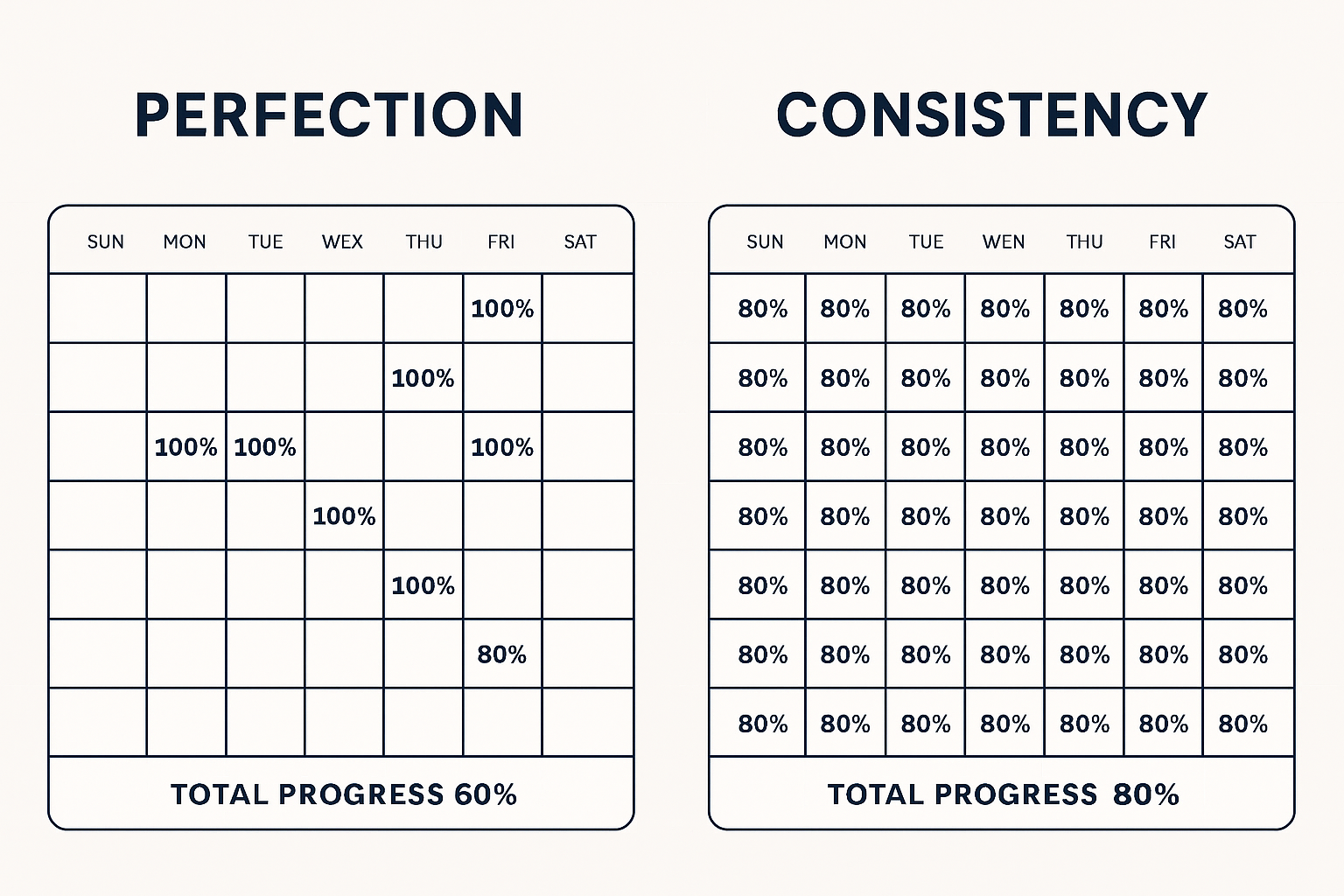
Holidays disrupt routines. Travel, meals out, late nights, and social events all make strict plans unrealistic. The goal is not to be perfect.

The goal is to keep the foundations in place so you maintain rhythm and avoid the all-or-nothing mindset.

Small wins will carry you through this season far better than rigid rules.

Habit One: Anchor Your Nutrition

Instead of trying to micromanage every meal, anchor your day with simple habits that stabilize energy and hunger.

Use these anchors:

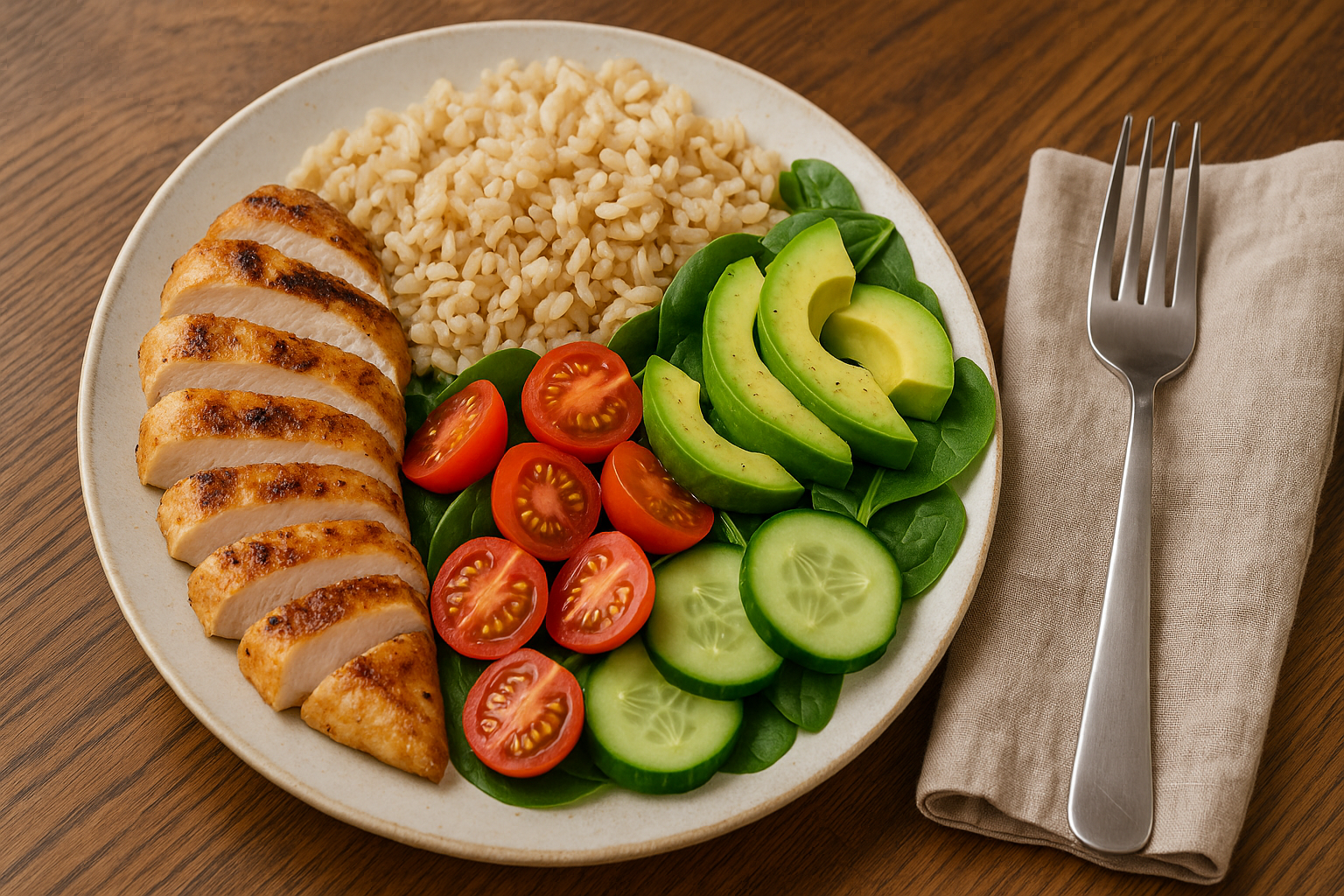
  • Build each plate around a lean protein source
  • Include vegetables or fruit with every meal
  • Add moderate carbs around training if you are able to train
  • Stay hydrated throughout the day
  • Keep snacks protein-forward when possible

When you hit these basics most of the time, you stay fueled without needing to restrict or compensate.

Habit Two: Keep Training Simple and Consistent

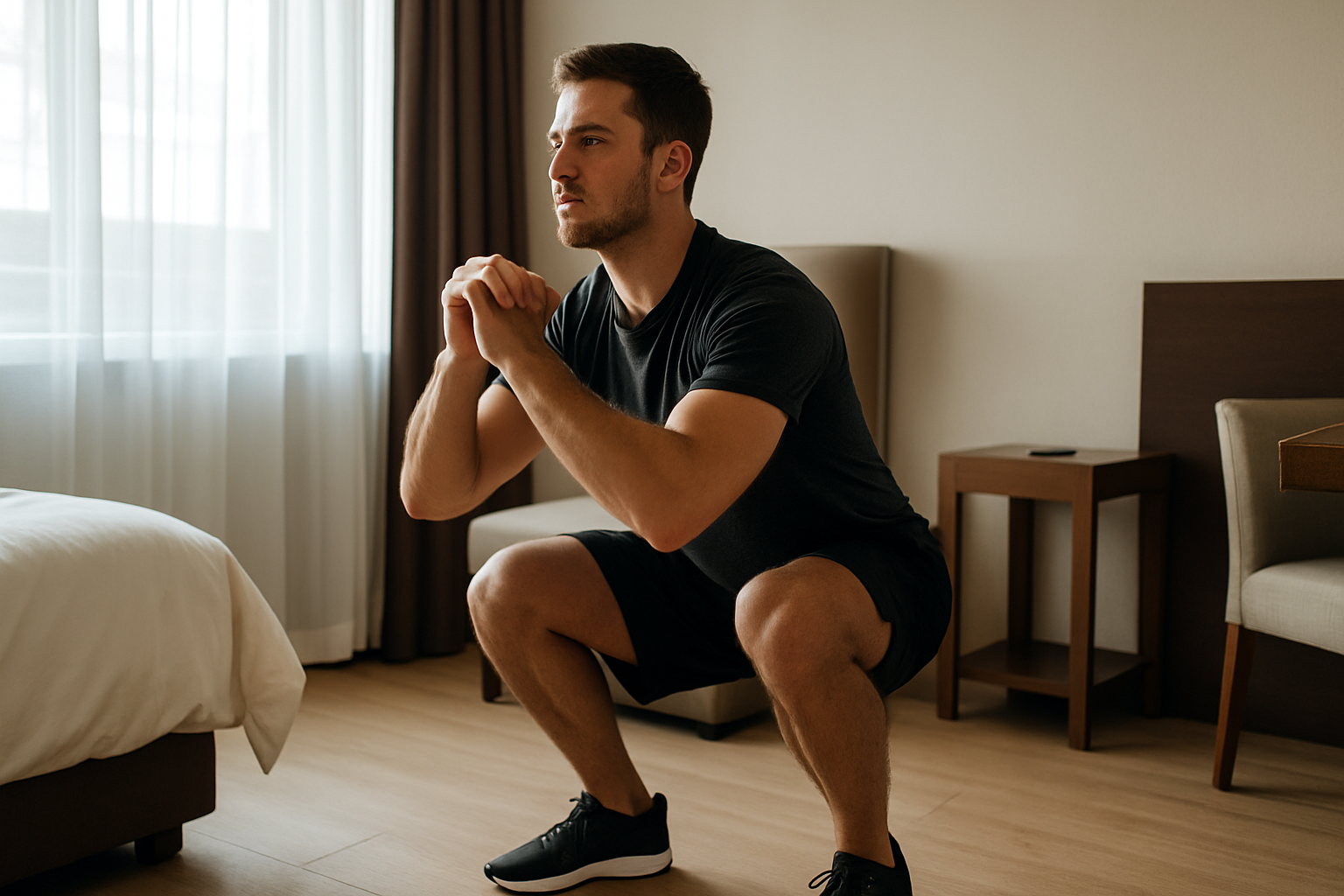
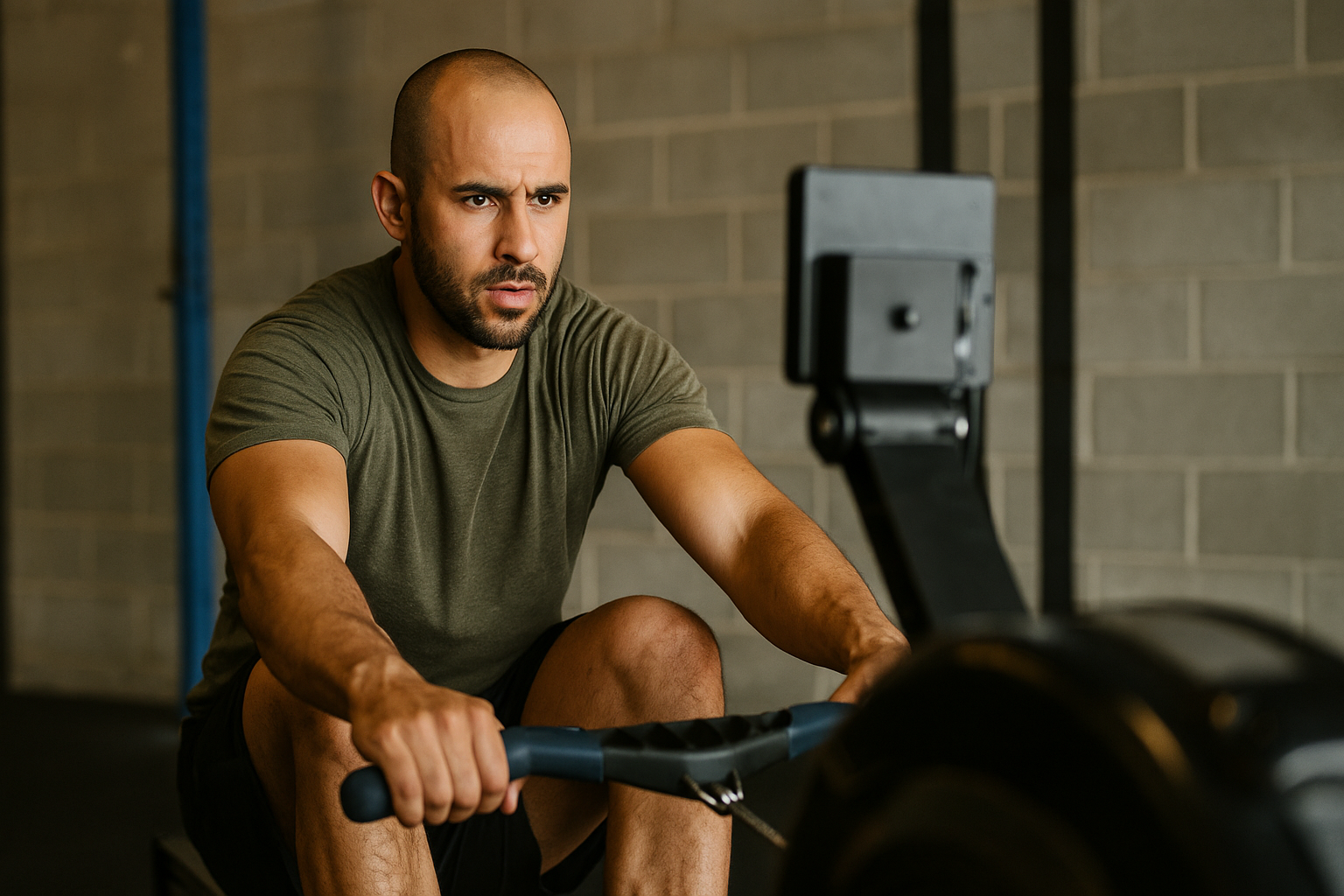
Your schedule may be different, but you can still train. Shorter sessions, at-home bodyweight workouts, or quick conditioning pieces all count.

The key is keeping the habit alive.

Aim for consistency:

  • Three short sessions per week if your schedule is tight
  • Light conditioning on days you cannot lift
  • Walks after meals to aid digestion and recovery

A 15-minute workout is infinitely better than none.

Habit Three: Manage Stress and Sleep

Late nights and full calendars make recovery harder. This is where mindful habits matter most.

Support your recovery by:

  • Keeping a consistent wake time when possible
  • Ending your day with five minutes of quiet breathing
  • Limiting screen use in the last hour before sleep
  • Taking short walks during stressful days

Better recovery means better energy and more balanced hunger cues.

Habit Four: Set Realistic Expectations

You will eat differently. You will train differently. That is normal and healthy.

What keeps athletes stuck is expecting to maintain the exact same routine they use during the rest of the year.

Seasonal flexibility is not falling off track. It is part of long-term sustainability.

Habit Five: Build Boundaries That Support You

Boundaries are not restrictions. They are choices that align your behavior with your goals.

Examples include:

  • Choosing one indulgent meal per day instead of all three
  • Eating slowly and stopping when comfortably full
  • Drinking water between alcoholic beverages
  • Saying yes to social events, not to every extra serving

These choices keep you feeling good without removing joy or connection.

The Bottom Line

Holiday seasons do not require extreme discipline or extreme flexibility.

They require intention, structure, and a commitment to foundational habits that support your body and your goals.

If you stay consistent with the basics, you will maintain momentum, feel better through the season, and return to full training without feeling like you are starting over.


Continue reading

Outdoor Workouts for Strength and Conditioning

Outdoor Workouts for Strength and Conditioning

Why Train Outdoors? While gyms provide equipment and structure, stepping outside can supercharge your training in ways that go beyond barbells and rowers. Outdoor workouts challenge your body differently, boost mental health, and connect you with your environment—all while building strength and conditioning. Benefits of outdoor training: Varied surfaces and terrain improve stability, balance, and coordination. Environmental exposure (heat, cold, wind) builds resilience and adaptability. Fresh air and sunlight can improve mood, Vitamin D levels, and recovery. Minimal equipment needed—your body weight, a few simple tools, and creativity are enough. Strength Training Outdoors You don’t need a squat rack to build strength. By using natural resistance and bodyweight, you can load your muscles in new ways. Examples: Sandbag carries or sled drags → build raw, functional strength. Weighted backpack squats and lunges → challenge legs and core anywhere. Pull-ups on bars or playground equipment → strengthen upper body and grip. Odd-object lifts (rocks, logs) → develop stability and whole-body tension. Conditioning Work Outdoors Conditioning outside doesn’t just mean running endless miles. Mix sprints, intervals, and carries to build work capacity. Examples: Hill sprints or stair runs → explosive power + cardiovascular endurance. Shuttle runs → change of direction + speed. Farmers carries with kettlebells, dumbbells, or sandbags → grip + aerobic capacity. Circuit training combining running, burpees, and push-ups → whole-body conditioning. Sample Outdoor Strength & Conditioning Workouts Workout 1: Hill Sprint Power Warm-up: 5–10 min jog + dynamic mobility 6×20–30 second hill sprints, walk down to recover Finisher: 3 rounds – 20 push-ups, 20 air squats, 1 min plank Workout 2: Sandbag Strongman 4 rounds: 40m sandbag carry 10 sandbag cleans 10 burpees 400m run Workout 3: Park Circuit 5 rounds for time: 10 pull-ups (playground bar) 20 step-ups (bench or box) 30 sit-ups 200m sprint Tips for Outdoor Training Hydrate well—heat and sun increase fluid needs. Wear stable shoes for uneven ground. Adapt intensity to terrain and conditions. Scale movements just like in the gym—mechanics, then consistency, then intensity. The Bottom Line Outdoor workouts are a powerful way to challenge your fitness, build resilience, and keep training fresh. Whether you’re carrying a sandbag across a field, sprinting hills, or pulling yourself up on a playground bar, you’re building strength and conditioning that transfers directly to life.