Intensity vs Volume What Actually Drives Progress
Understanding intensity and volume is key to better training. Learn how both impact strength, conditioning, and long-term progress.
By
April 2, 2026

When athletes think about improving their fitness, they often focus on working harder. Lift heavier. Move faster. Push further.
But progress is not just about effort. It is about how training stress is applied over time. Two of the most important variables in training are intensity and volume.
Understanding how these work together helps athletes train with purpose instead of just pushing harder every session.
Intensity refers to how hard a given effort is.
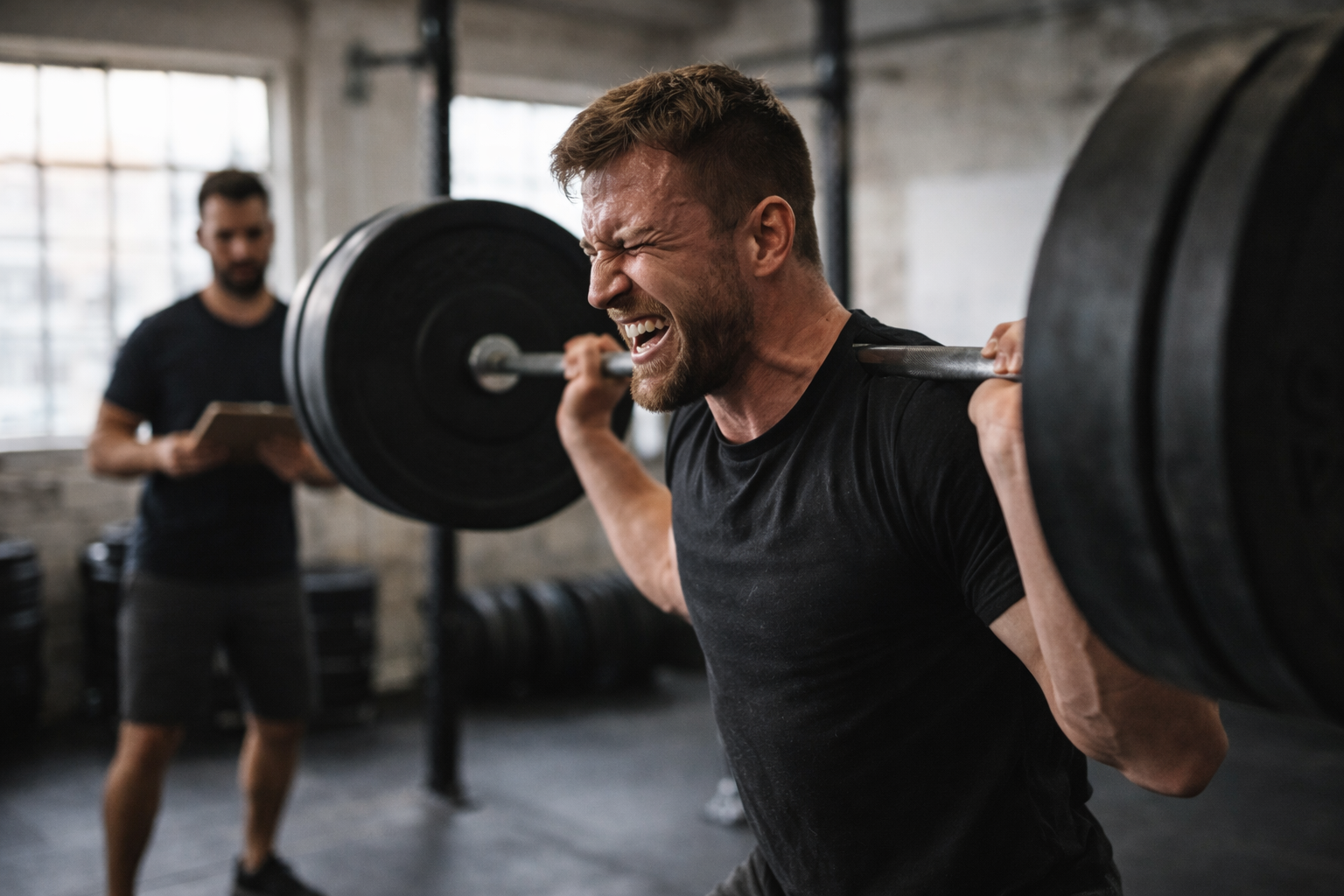
In strength training, intensity is typically measured by how heavy the weight is relative to your maximum. A heavy triple is high intensity. A lighter set of ten is lower intensity.
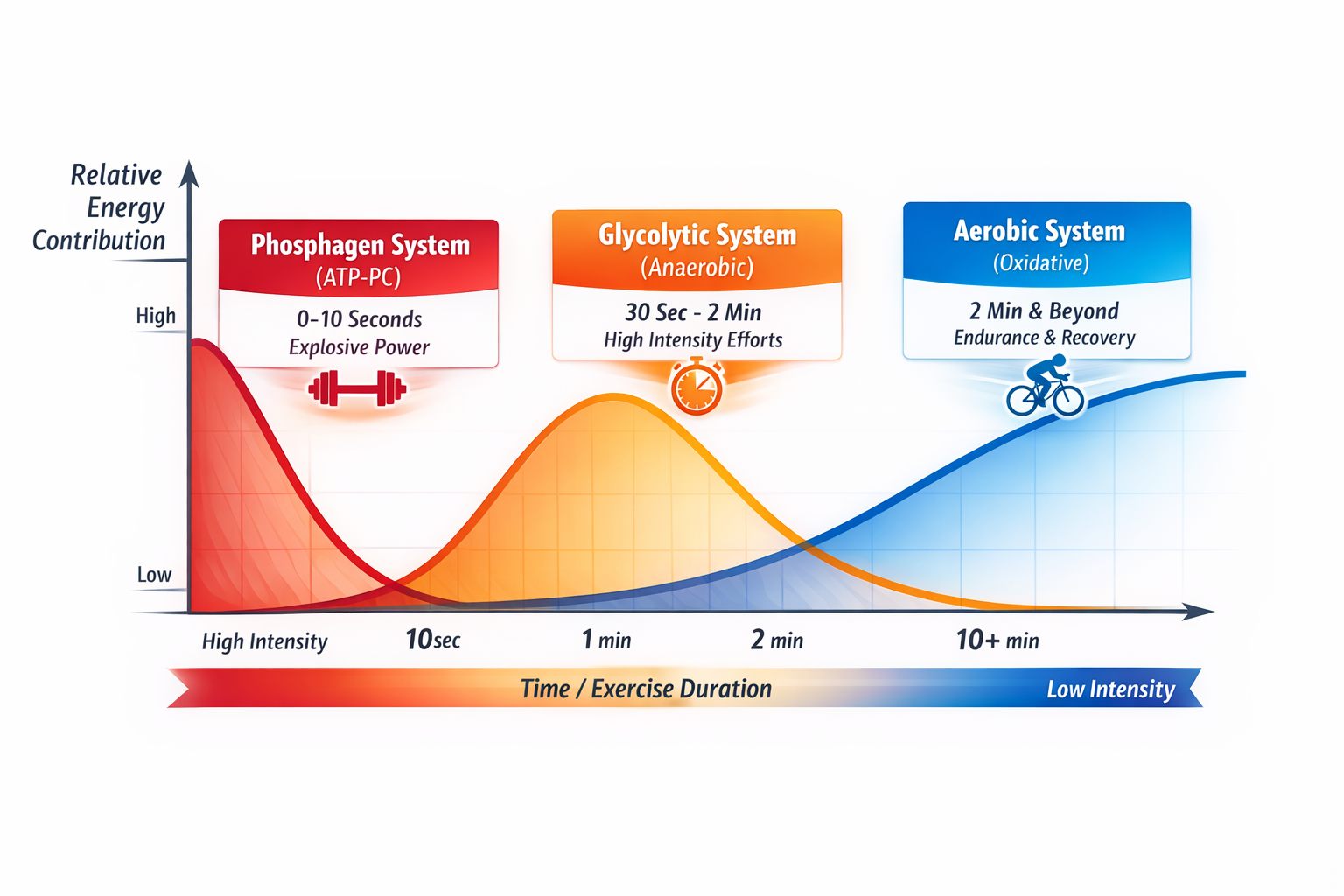
In conditioning, intensity refers to effort level. A near-max sprint is high intensity. A steady pace effort is lower intensity.
Intensity is what creates the stimulus for adaptation. It tells the body that it needs to get stronger, faster, or more efficient.
Volume refers to how much total work is performed.
In strength training, this includes sets, reps, and total load. In conditioning, volume can include total time, distance, or repetitions.
Volume is what builds capacity.
It allows the body to accumulate enough work to reinforce adaptations over time.
Intensity and volume are not competing ideas. They work together.
Intensity creates the signal.
Volume reinforces it.
Too much intensity without enough volume limits progress because there is not enough total work to drive adaptation.
Too much volume without enough intensity leads to stagnation because the stimulus is not strong enough.
The goal is not to maximize one. It is to balance both.
Many athletes unintentionally train at moderate intensity all the time.
Workouts feel hard, but not specific. They are not heavy enough to build strength and not controlled enough to build endurance efficiently.
This creates a middle ground where fatigue is high, but progress is limited.
Without variation in intensity and volume, the body stops adapting.
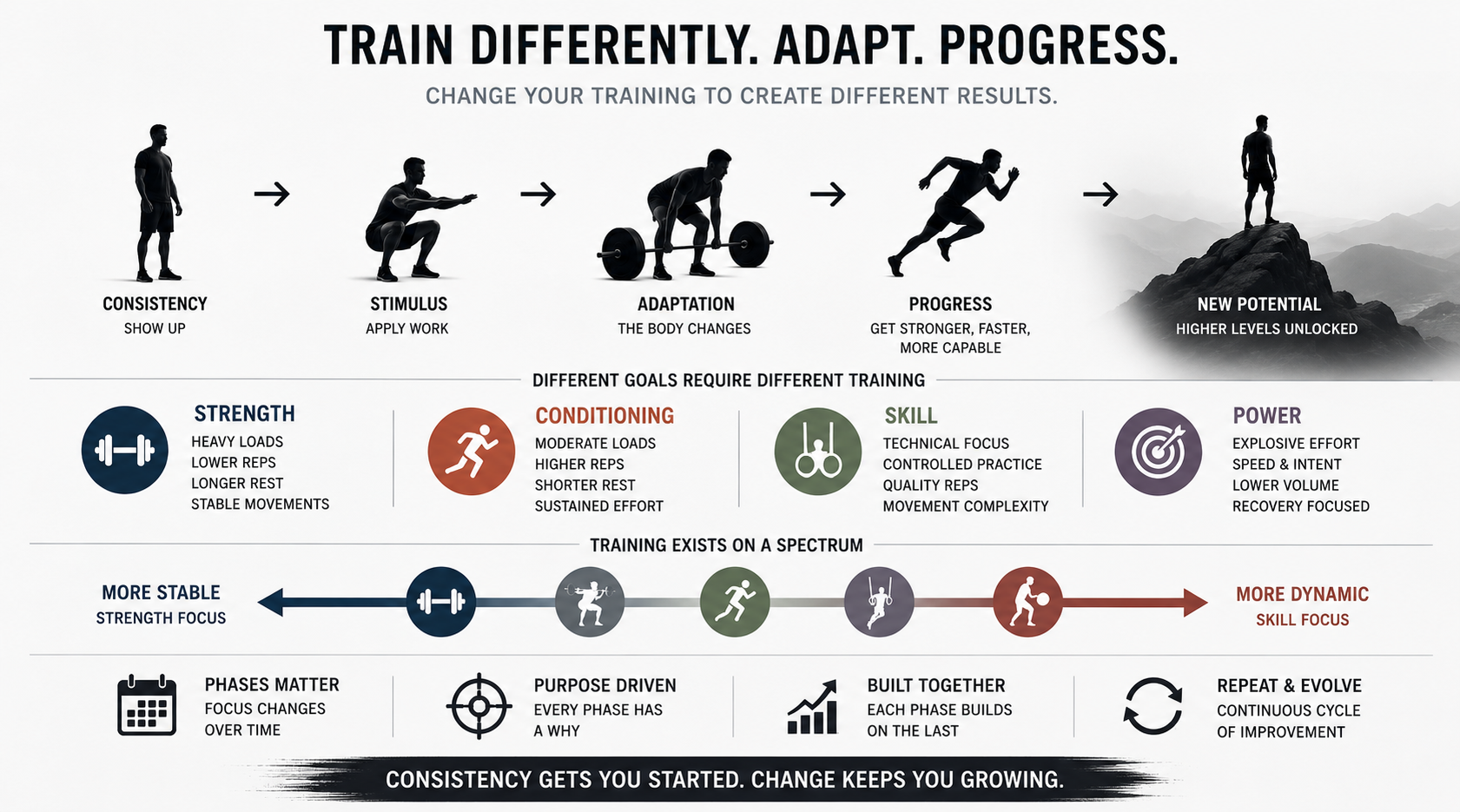
Well-designed training programs shift emphasis over time.
Some phases prioritize intensity:
Other phases prioritize volume:
This variation allows the body to adapt without accumulating excessive fatigue.
It also helps athletes develop multiple qualities rather than relying on one.
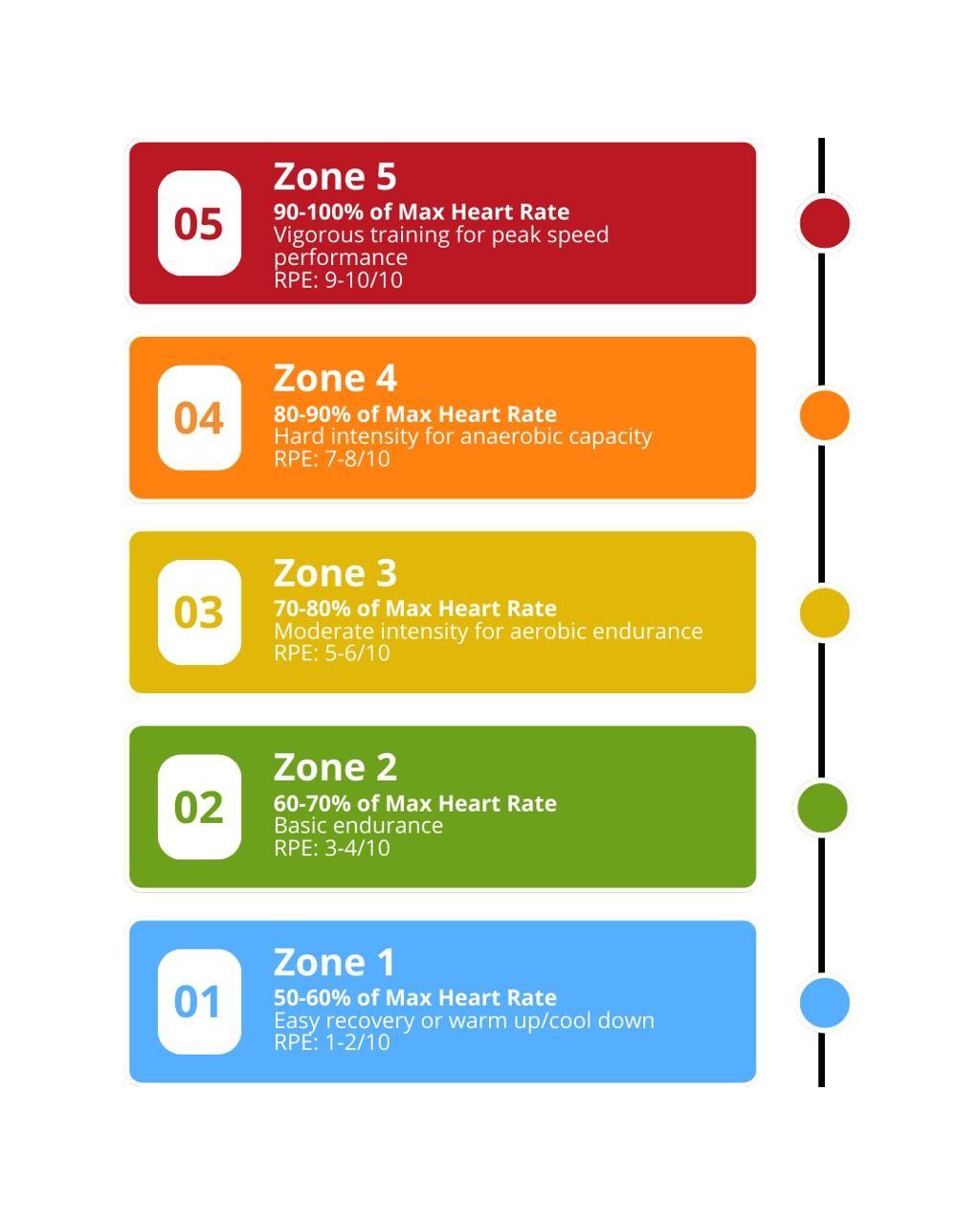
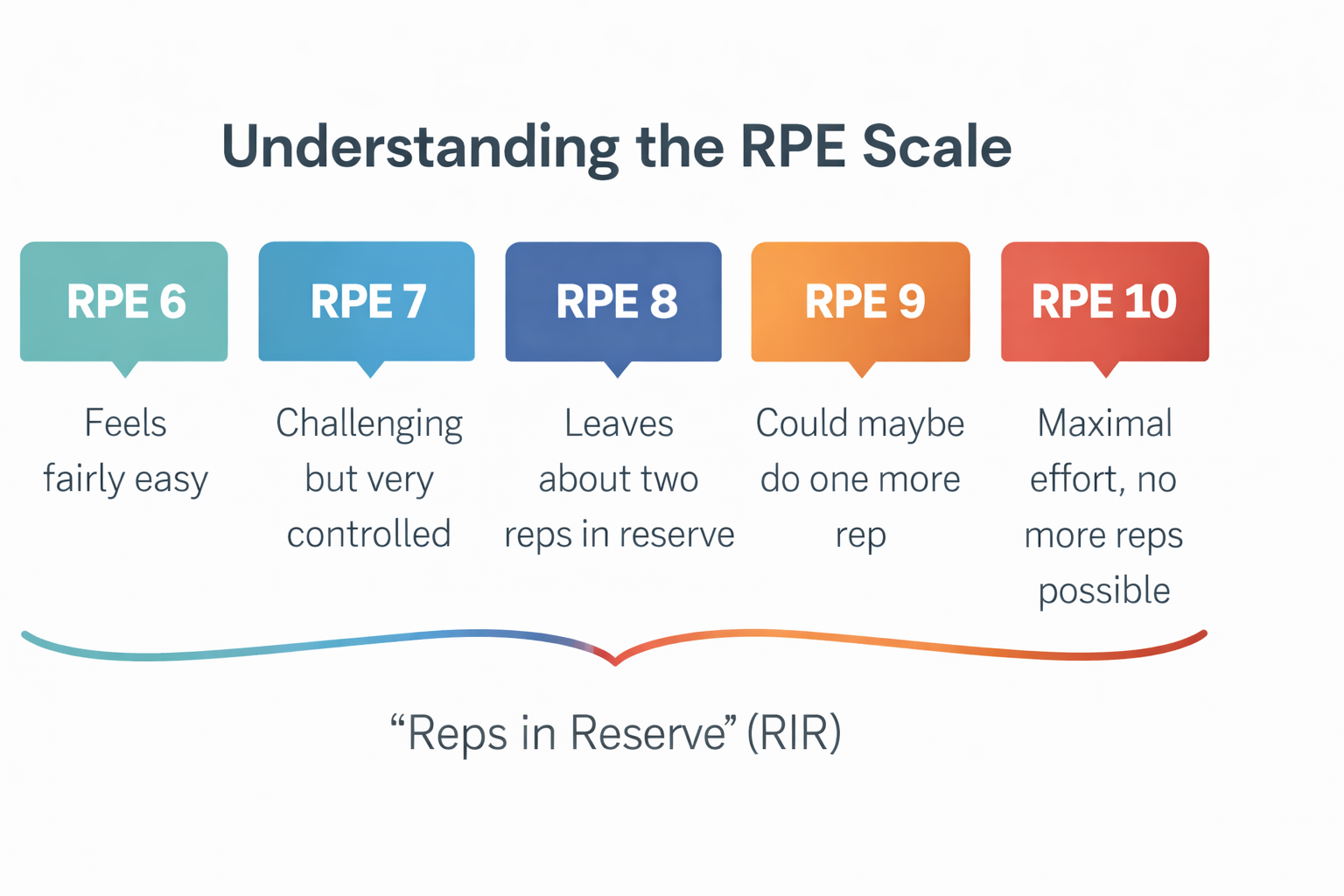
RPE helps manage intensity within a given session.
Instead of guessing how hard something should feel, athletes can adjust load or pace to match the intended stimulus.
For example:
This keeps intensity appropriate while still allowing volume to accumulate.
It is easy to assume that doing more work will lead to better results.
But more volume at the wrong intensity often leads to fatigue without adaptation.
Likewise, pushing intensity too often reduces the ability to sustain training over time.
Progress comes from applying the right amount of stress, not the maximum amount.
The most successful athletes are not the ones who train the hardest in a single session.
They are the ones who:
Balancing intensity and volume allows training to be sustainable, not just challenging.
Training is not about going all out every day. It is about applying the right stimulus at the right time.
When athletes understand intensity and volume, they stop chasing fatigue and start building progress.
Effort still matters. The difference is learning how to direct it.