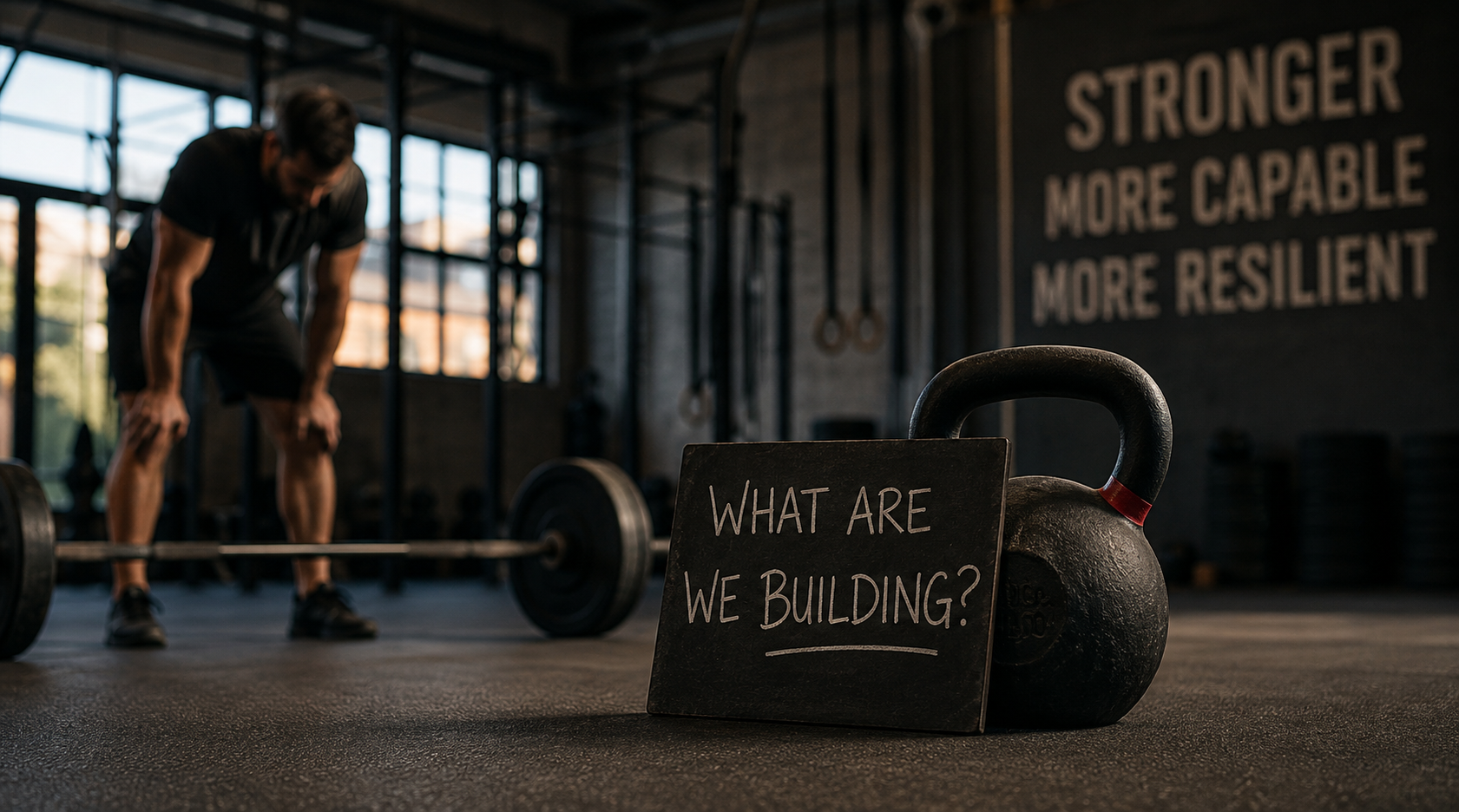
Why Training Has to Change to Create Progress
Progress requires more than consistency. It requires change. Learn why training must evolve over time to build strength, skill, and long-term performance.
By
May 13, 2026
It is easy to believe that the key to progress is consistency alone.
Show up. Work hard. Repeat.
And while consistency is essential, it is only part of the equation.
Because if what you are consistently doing never changes, your results eventually won’t either.
The body adapts to what it is repeatedly exposed to.
If training stays the same:
At first, almost anything works.
But over time, improvement requires a change in stimulus.
Not random change.
Intentional change.
One of the biggest misconceptions in fitness is that everything can be improved at once.
It sounds appealing.
Strength, endurance, skill, intensity. All in every session.
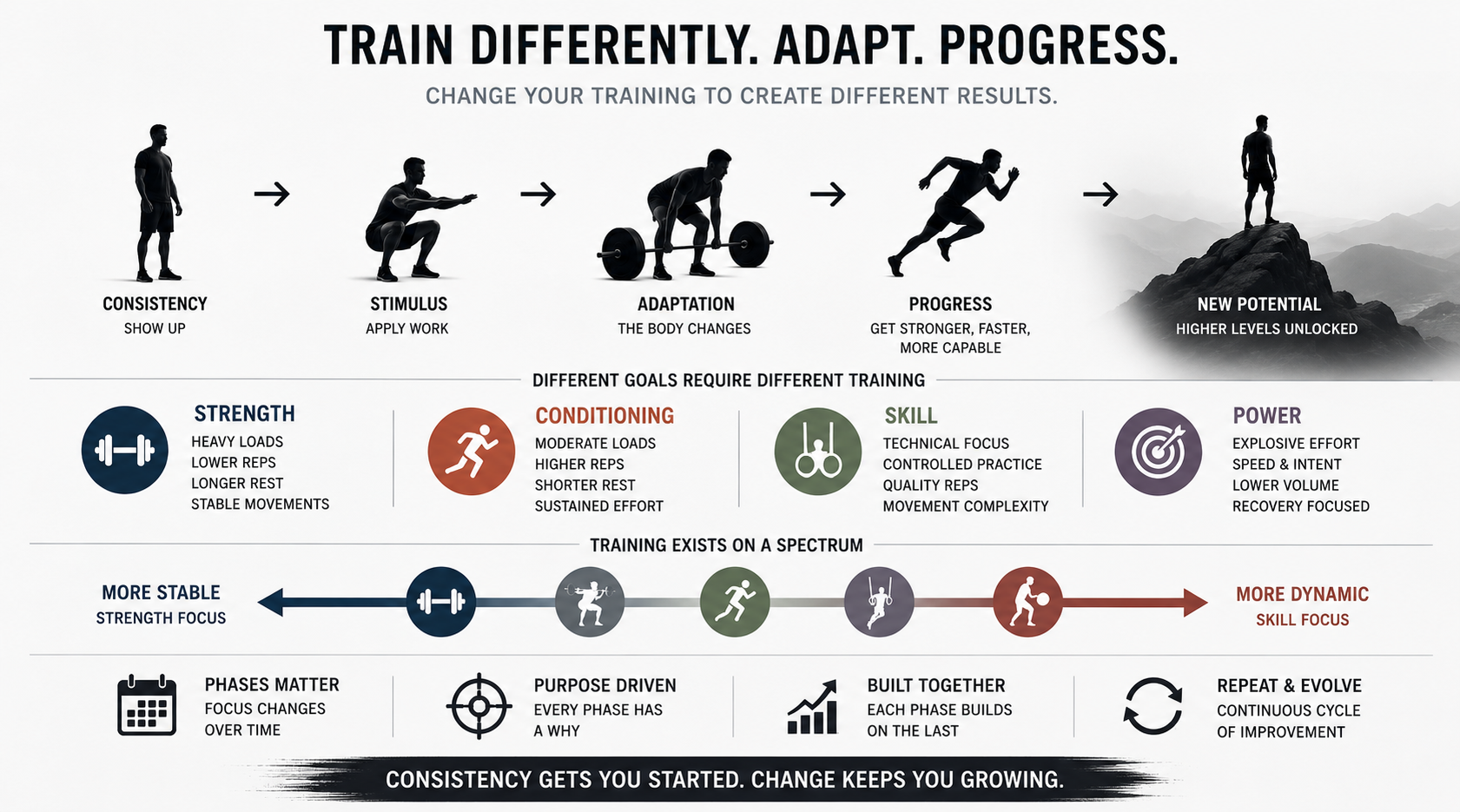
But different qualities require different conditions to develop.
Strength improves best when:
Skill improves best when:
Aerobic capacity improves best when:
These are not the same environments.
Trying to force them into one session often limits all of them.
Every training decision comes with a tradeoff.
Heavy loading limits speed and complexity.
High complexity limits how much load you can use.
High intensity limits how much volume you can sustain.
When everything is pushed at once:
This is why training needs structure.
Not everything should be maximized at the same time.
Change does not mean random workouts.
It means shifting emphasis.
At different times, training may prioritize:
The movements may look different.
The pacing may feel different.
The intent is different.
That is the point.
This is exactly why our programming is structured in phases.
At times, you will see:
At other times, you will see:
These are not random shifts.
They are designed to build specific qualities, then layer them together.
Not every phase is meant to feel the same.
Some phases may feel:
Others may feel:
If every phase felt identical, it would mean nothing is truly being developed.
Progress requires contrast.
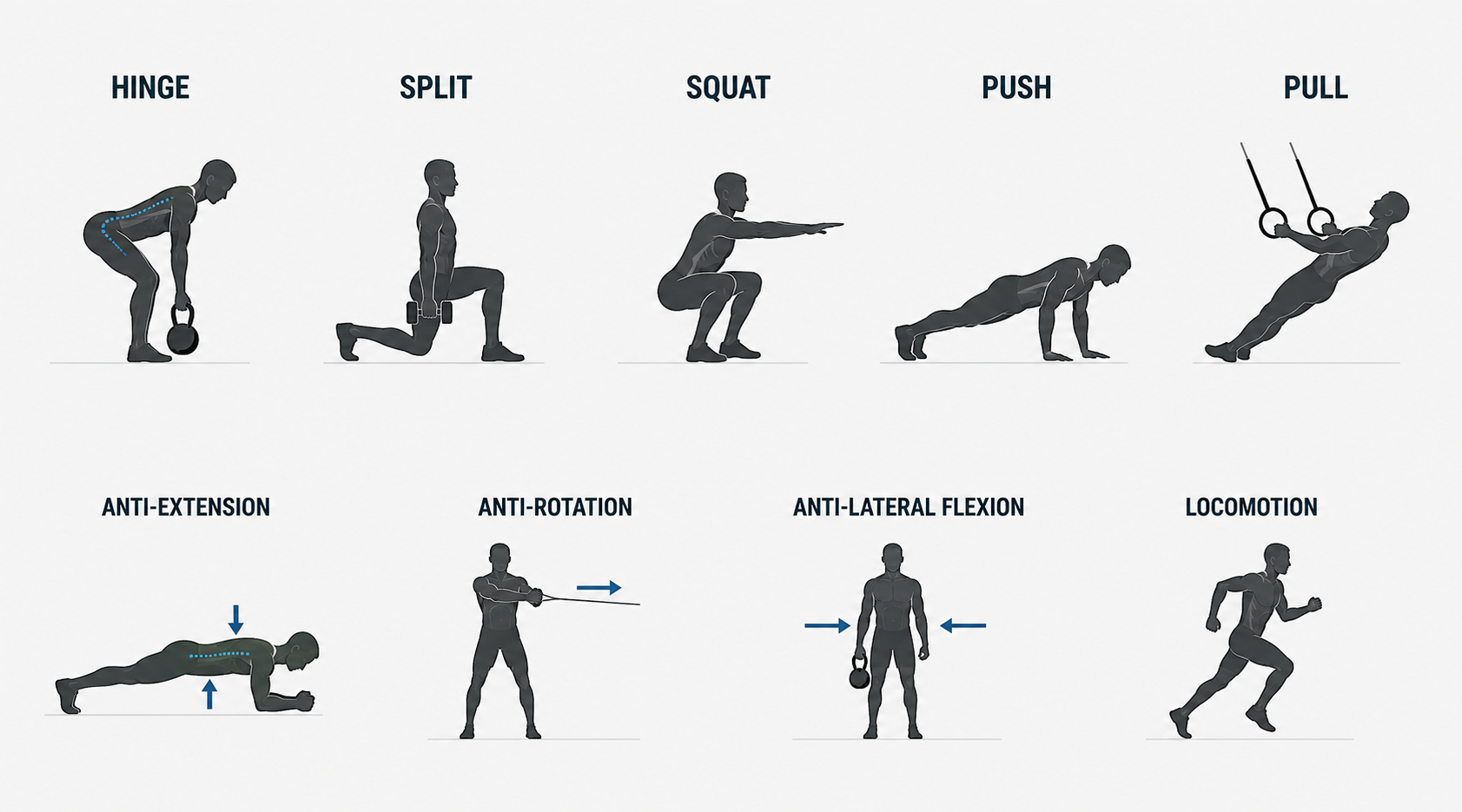
You have also seen this through movement patterns.
We train:
But not all at the same emphasis, all the time.
Some phases prioritize:
Others prioritize:
Over time, all patterns are developed.
Just not all at once.
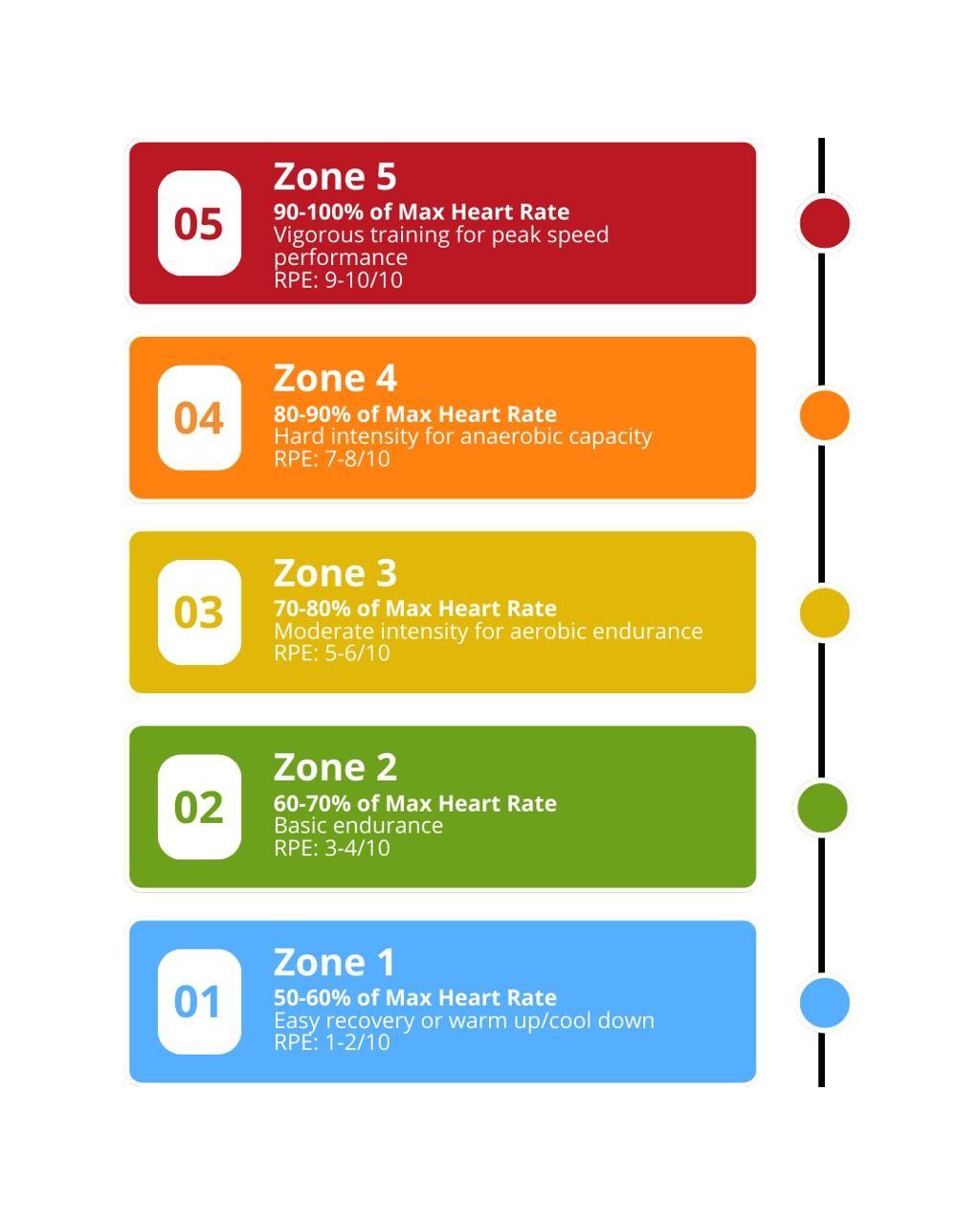
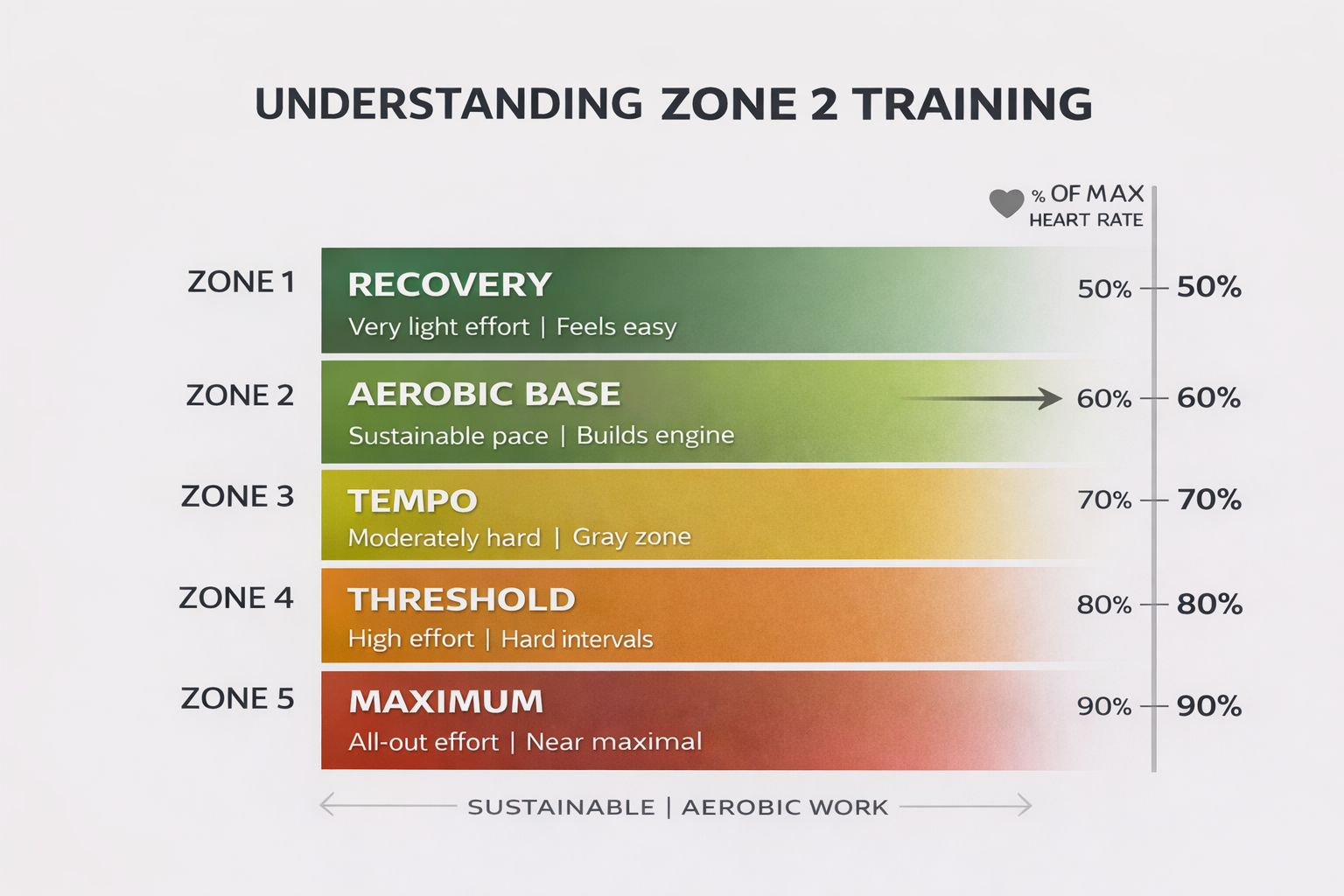
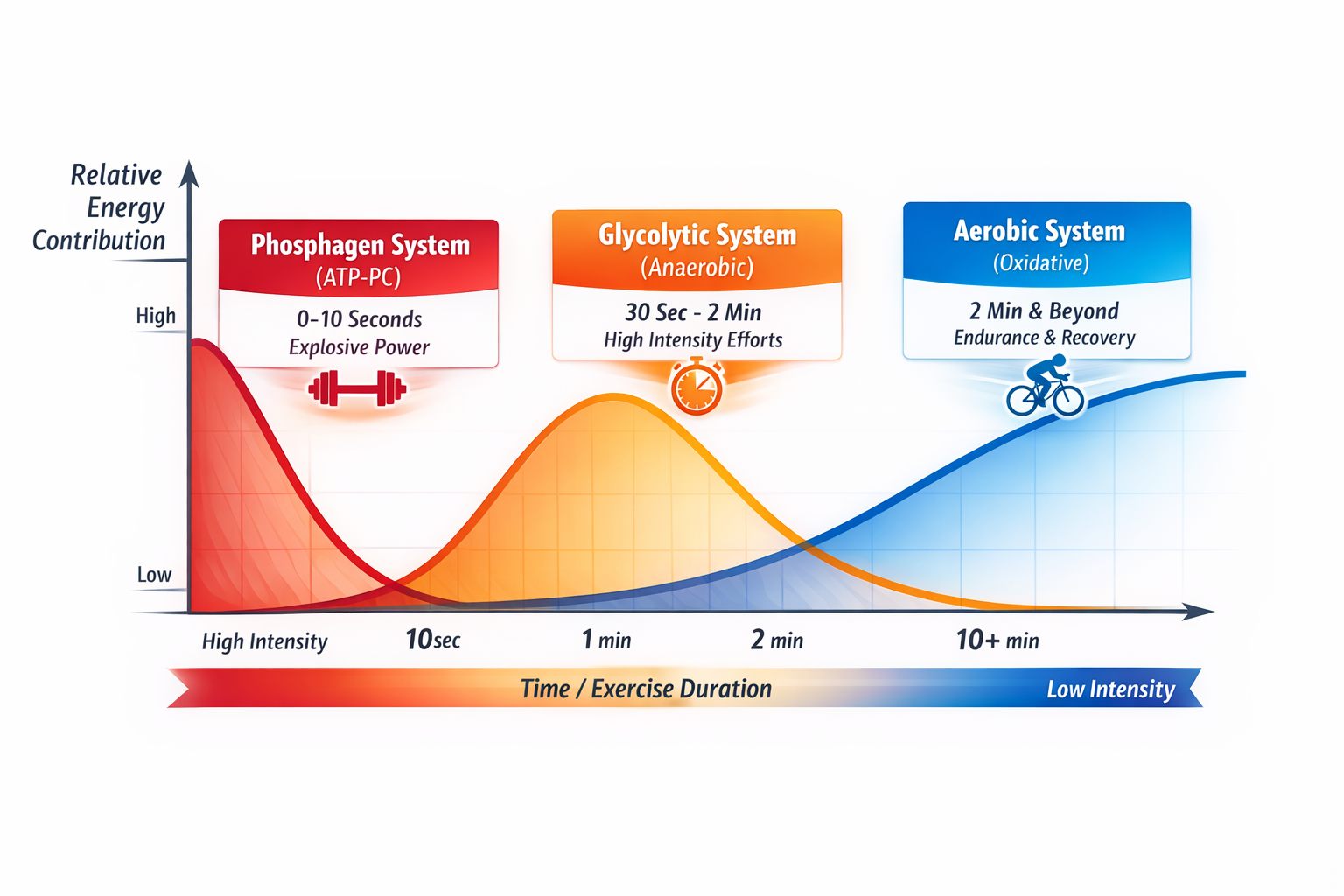
Training also exists on a spectrum.
On one end:
On the other:
Both are necessary.
But they require different types of training to improve.
This is another reason training must change.
When a workout feels different than what you expect, it is worth asking:
“What is this session trying to develop?”
Instead of:
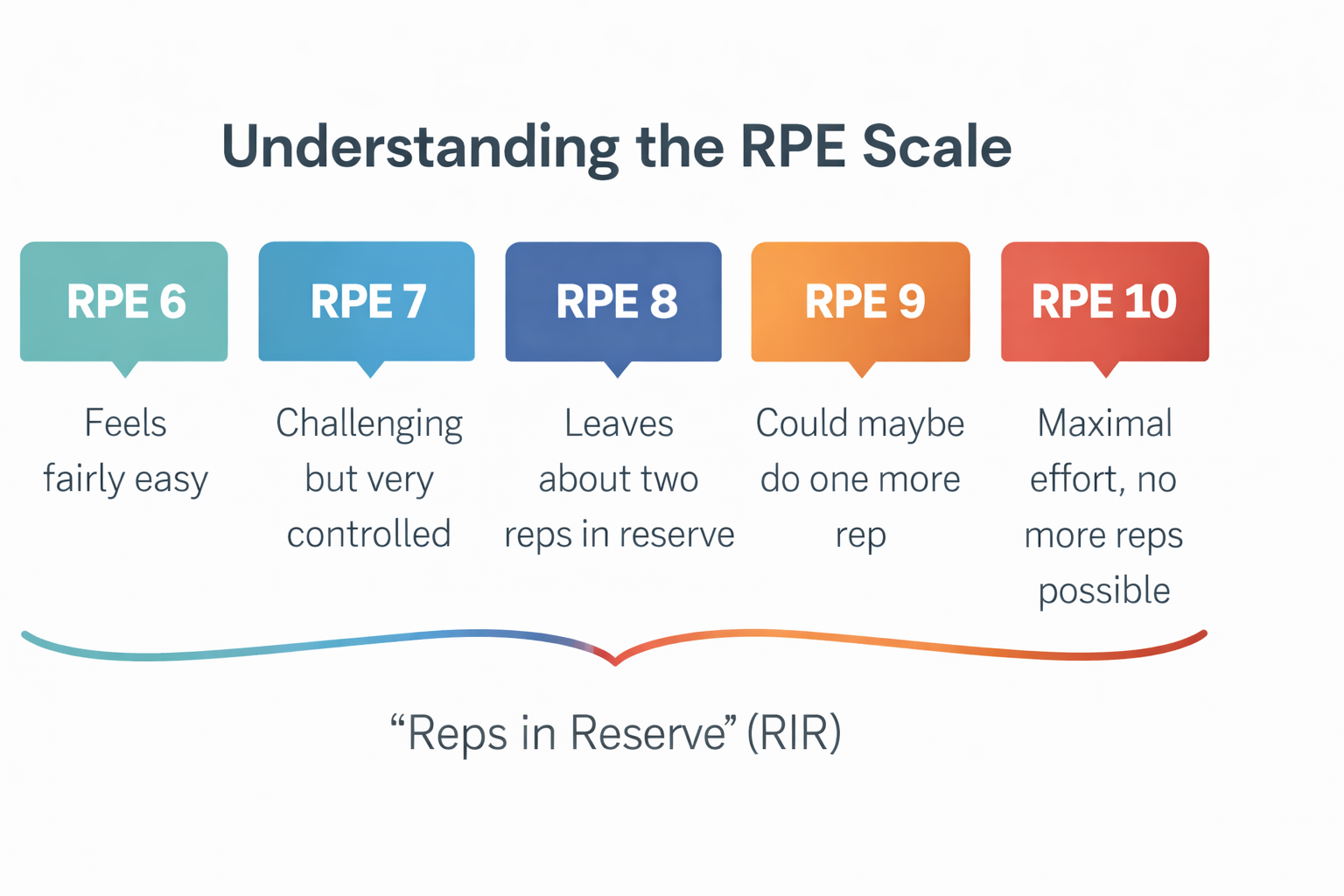
“Does this feel hard enough?”
Because not every session is meant to feel the same.
Some are building capacity.
Some are refining skill.
Some are preparing you for what comes next.
Progress is not just about working harder.
It is about applying the right stimulus at the right time.
That requires:
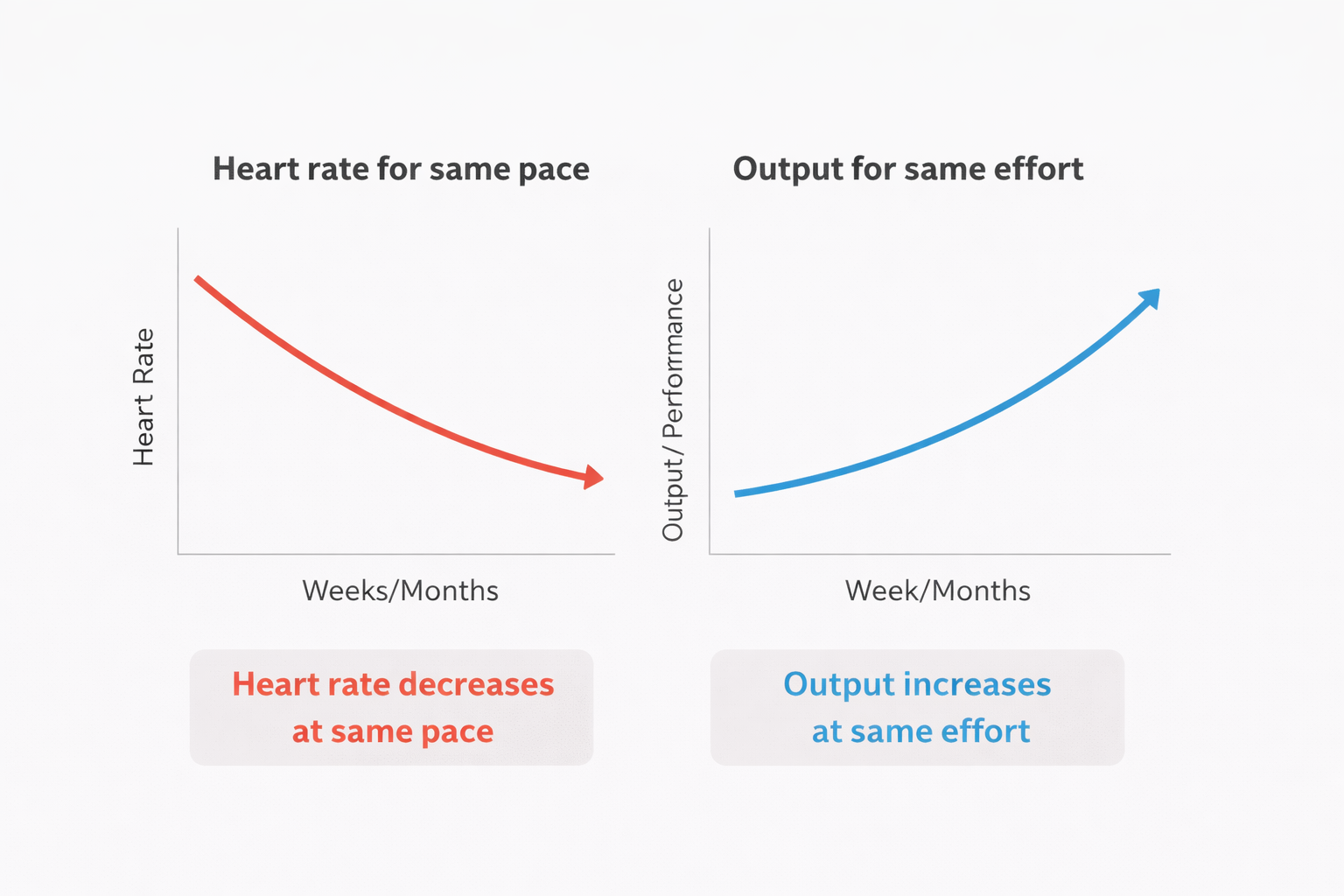
Over time, this leads to:
Consistency is what allows progress to happen.
But change is what makes progress possible.
If you want different results, you cannot keep doing the same thing.
You need training that evolves.
That is how strength is built, skill is developed, and performance continues to improve over time.