Why Accountability Is the Key to Consistent Fitness Progress
Accountability drives consistency in fitness. Learn how coaching, community, and shared goals help athletes stay on track and make lasting progress.
By
March 20, 2026

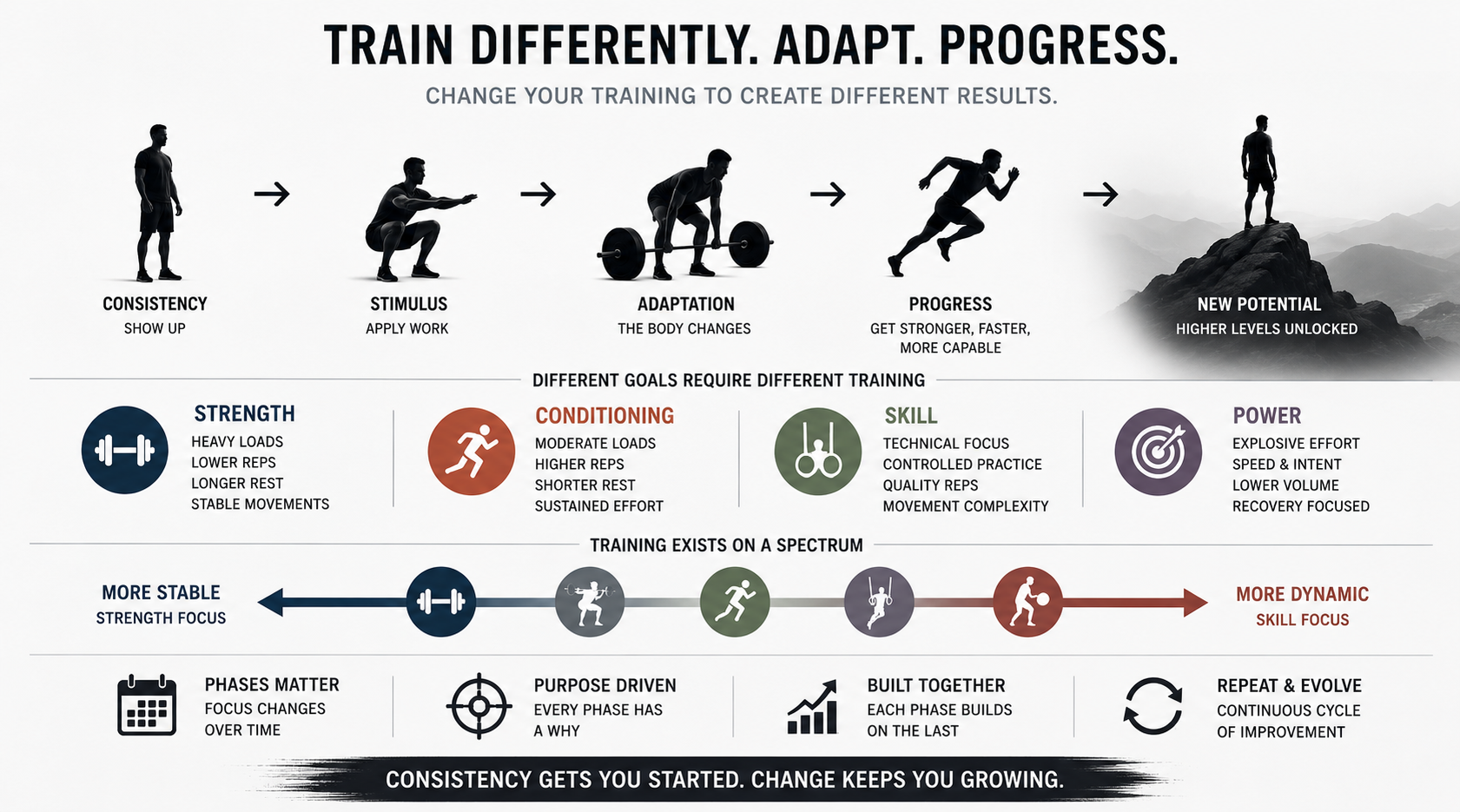
Consistency is the foundation of fitness. The best program, the perfect nutrition plan, and the most advanced training methods all fall apart without one thing: showing up.
Accountability is what bridges the gap between intention and action. It turns goals into behaviors and helps athletes follow through, especially on the days when motivation is low.
While discipline is often emphasized, accountability is what makes discipline sustainable.
Most people begin their fitness journey with high motivation. They feel excited, committed, and ready to make changes. But motivation is temporary. It fluctuates based on stress, energy levels, schedule demands, and even mood.
When motivation fades, habits are tested.
Without accountability, it becomes easy to skip a workout, push it to tomorrow, or convince yourself that one missed session does not matter. Over time, those small decisions compound and create inconsistency.
Accountability provides external structure that supports internal discipline. It creates a system where showing up becomes the default, not the exception.
Accountability is not about pressure or guilt. It is about support, structure, and shared expectations.
In a fitness setting, accountability can take many forms. It may come from a coach who tracks your progress, a training partner who expects you to be there, or a class environment where others notice your presence.
It can also come from systems, such as scheduled classes, performance tracking, or goal setting frameworks.
The common thread is that someone or something is reinforcing your commitment.
This shifts the question from “Do I feel like training today?” to “I said I would be there.”
Training in isolation requires a high level of self regulation. For many people, that is difficult to maintain over long periods of time.
A supportive community creates an environment where consistency becomes easier. When athletes train alongside others, they benefit from shared energy, encouragement, and a sense of belonging.
Seeing familiar faces, building relationships, and working toward common goals all contribute to a stronger commitment to showing up.
Community also creates positive pressure. When others expect you to be there, it becomes harder to skip without a reason.
Over time, this environment reinforces habits that lead to long term success.
A coach provides more than instruction. They provide oversight, feedback, and direction.
When athletes know someone is paying attention to their progress, effort, and attendance, they are more likely to stay consistent. Coaching also helps remove decision fatigue. Instead of wondering what to do each day, athletes follow a structured plan.
This reduces friction and increases adherence.
Coaches also help athletes adjust when life gets busy. Rather than abandoning training altogether, a coach can modify intensity, volume, or expectations to keep progress moving forward.
Accountability in this context becomes flexible, not rigid.
Not everyone has access to the same environment, but accountability can still be built intentionally.
Scheduling workouts at specific times creates structure. Treating training like an appointment rather than an optional activity increases follow through.
Tracking workouts, whether through an app or journal, creates awareness and ownership. Progress becomes visible, which reinforces consistency.
Training with a partner or joining a group adds another layer of accountability. Even a simple message checking in on a missed session can help reinforce habits.
The goal is to reduce reliance on motivation and increase reliance on systems.
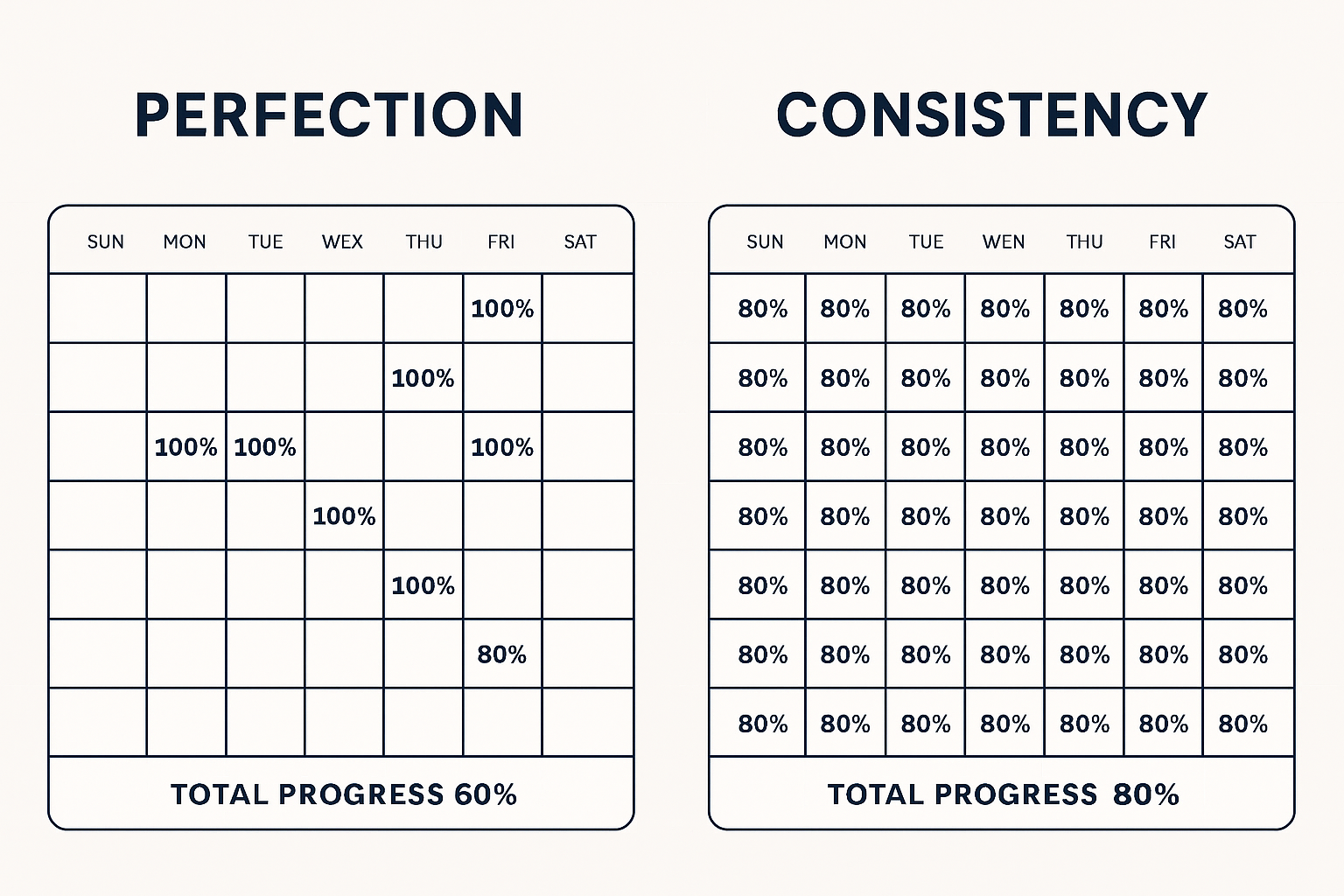
Fitness progress is not determined by what you do occasionally, but by what you do consistently.
Accountability helps turn intentions into actions by creating structure, support, and shared expectations. It reduces the impact of fluctuating motivation and makes consistency more achievable.
Whether through coaching, community, or personal systems, building accountability into your routine is one of the most effective ways to stay on track and make lasting progress.