How to Balance Fitness with Work, Life, and Everything Else
Struggling to stay consistent with training while managing work and life? Learn how to balance fitness with real life without burning out.
By
April 3, 2026

Fitness does not exist in a vacuum. Training happens alongside work, relationships, responsibilities, and unexpected life demands. The challenge for most athletes is not knowing what to do. It is figuring out how to stay consistent when life gets busy.
Balance is not about perfectly distributing time across every priority. It is about creating a system that allows training to fit into real life without becoming overwhelming.
Athletes who learn how to balance fitness with life tend to stay consistent longer and make more meaningful progress over time.
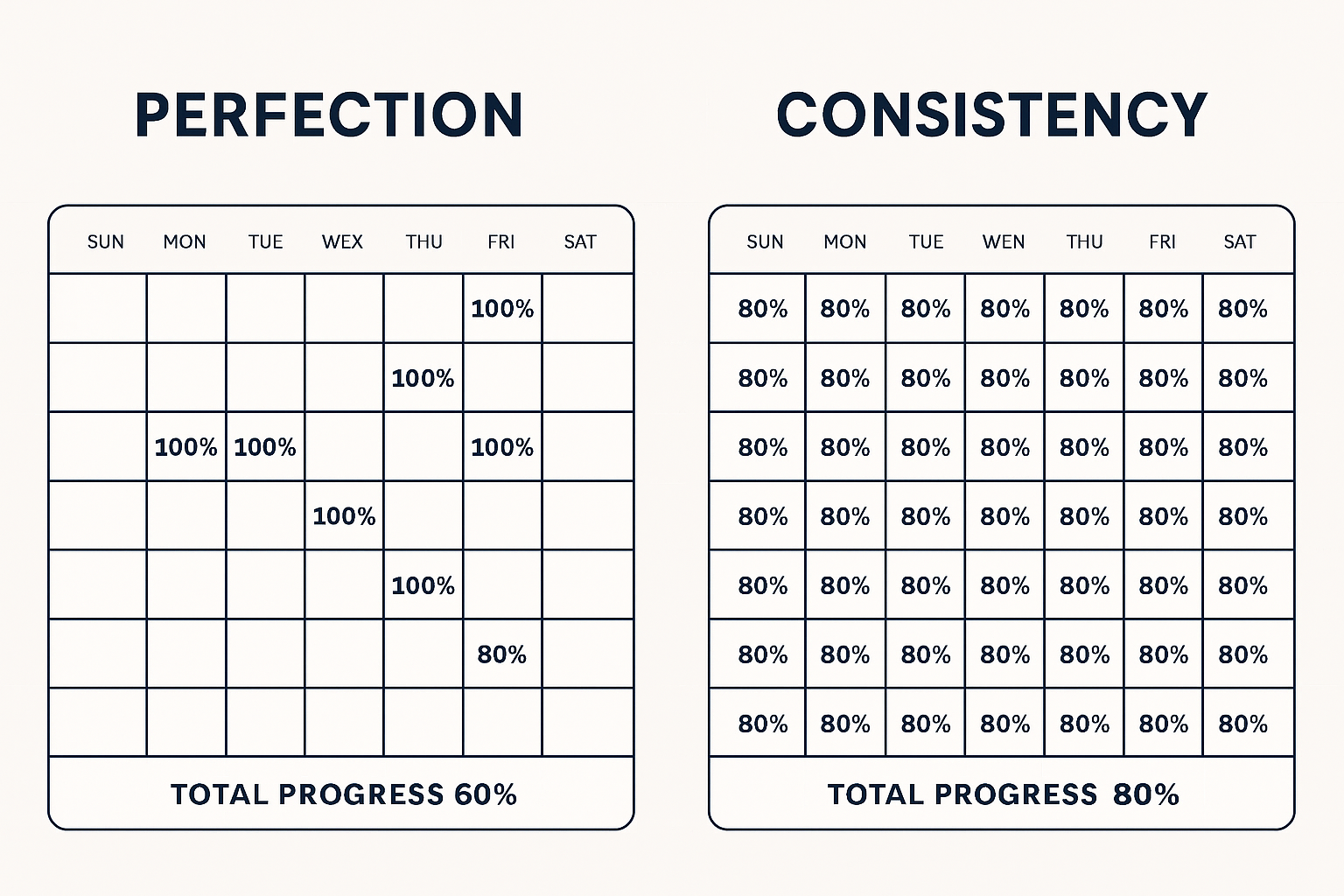
One of the biggest barriers to balance is the belief that every workout needs to be perfect.
When athletes feel like they need a full hour, ideal energy levels, and perfect conditions to train, it becomes easier to skip sessions altogether. Life rarely provides ideal conditions consistently.
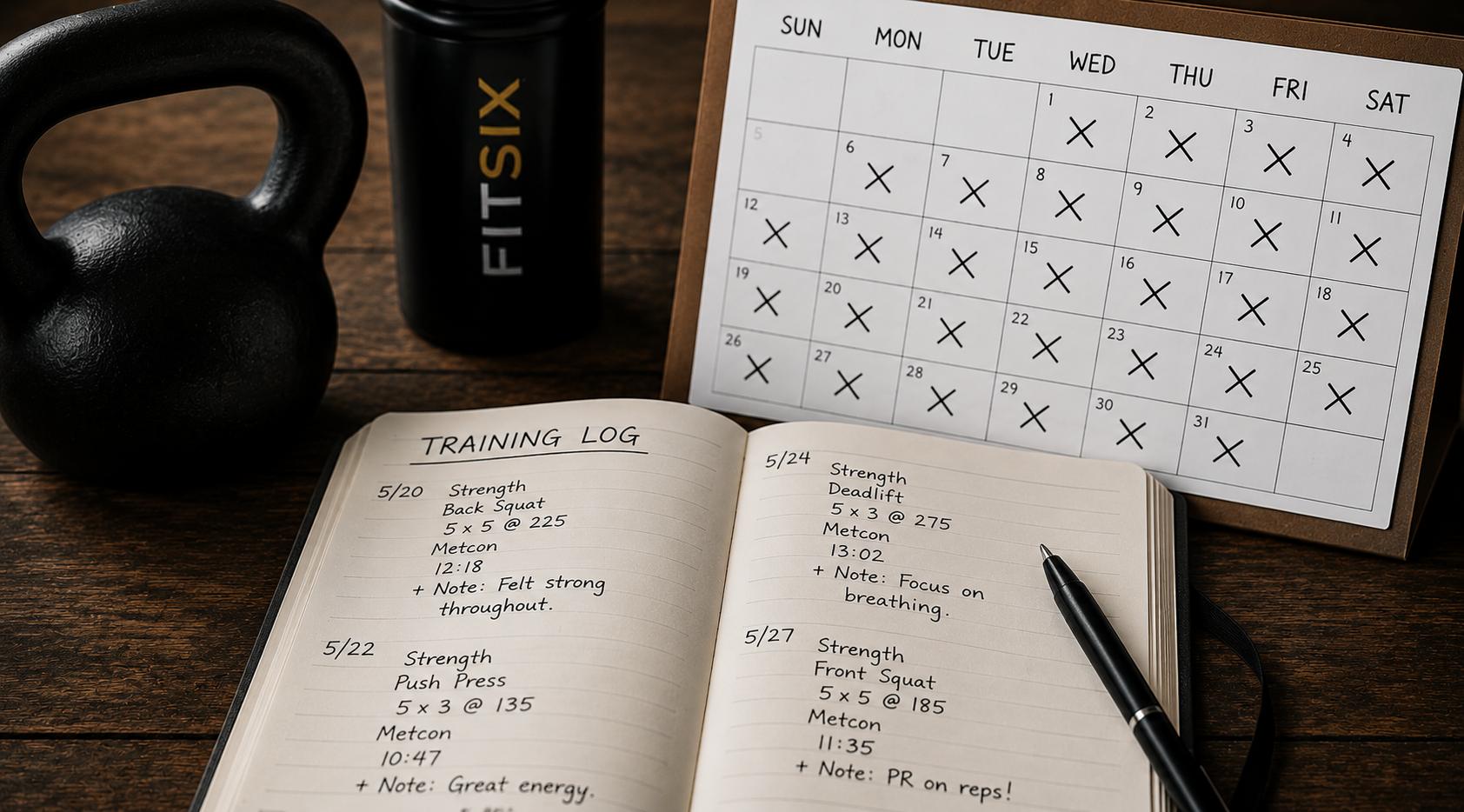
Consistency comes from lowering the barrier to entry.
A shorter session, a scaled workout, or a modified plan still contributes to progress. Over time, these small efforts compound into meaningful results.
The goal is not perfect training. The goal is consistent training.
Life has seasons. Some weeks allow for higher training volume and intensity. Others require a more flexible approach.
During busy periods, athletes benefit from adjusting expectations rather than abandoning training.
This may include:
This approach allows athletes to maintain momentum without adding unnecessary stress.
Training should adapt to life, not compete with it.
Balance does not happen by accident. It requires intentional planning.
Scheduling workouts in advance increases the likelihood they will happen. Treating training like an appointment creates structure and reduces decision fatigue.
Preparing gym clothes, planning meals, and knowing the workout ahead of time all reduce friction.
When training is easy to start, it is easier to maintain.
Many athletes fall into the trap of all-or-nothing thinking.
If they cannot follow their plan exactly, they do nothing. This leads to cycles of high consistency followed by long breaks.
Progress is built in the middle.
Missing one workout does not erase progress. Adjusting a session does not reduce its value. Consistency comes from continuing forward, even when circumstances are not ideal.
Athletes who avoid extremes tend to sustain progress over longer periods of time.
Time is often seen as the limiting factor, but energy is just as important.
An athlete with a full schedule can still train effectively if energy is managed well. Sleep, nutrition, and stress all influence how much capacity is available for training.
Short, focused sessions performed with good energy are often more effective than longer sessions performed while fatigued.
Balancing fitness with life requires paying attention to both time and energy.
When fitness is treated as optional, it is the first thing to be removed when life gets busy.
When it becomes part of identity, it is something athletes protect.
This does not mean training at all costs. It means maintaining a baseline level of consistency, even during challenging periods.
Small actions reinforce identity. Showing up for a short session, prioritizing movement, or maintaining simple habits builds momentum.
Over time, this creates a lifestyle rather than a temporary phase.
Balancing fitness with real life is not about doing everything perfectly. It is about doing what is sustainable.
Athletes who stay consistent through busy periods, adjust expectations when needed, and avoid all-or-nothing thinking build long-term progress.
Fitness should support life, not compete with it. When training fits into the reality of your schedule, it becomes something you can maintain for years, not just weeks.