Overtraining vs Undereating What Is Really Holding You Back
Feeling burned out or stuck in your training? Learn the difference between overtraining and undereating and how both impact performance and recovery.
By
March 25, 2026

When athletes feel fatigued, plateaued, or burned out, the default assumption is often overtraining. The solution seems obvious. Train less, rest more, or scale intensity.
But in many cases, the issue is not overtraining. It is underfueling.
Overtraining and undereating can produce similar symptoms. Both can lead to fatigue, poor performance, and slow recovery. The difference is in the root cause. One is driven by too much stress. The other is driven by not enough support.
Understanding the difference allows athletes to make better decisions and avoid pulling back when they actually need to fuel more.
True overtraining is relatively rare. It occurs when training stress consistently exceeds the body’s ability to recover over an extended period of time.
This typically involves:
Symptoms of overtraining may include:
Overtraining develops over time. It is not caused by a single hard week.
Undereating is far more common and often overlooked.
Athletes may be:
This creates a mismatch between energy output and energy intake.
Symptoms of undereating can include:
Athletes may feel like they are “burned out,” when in reality they are underfueled.
Both overtraining and undereating create a state of accumulated stress.
The body responds similarly in both cases:
This is why athletes often misdiagnose the issue.
They reduce training volume when the real solution is to increase nutrition.
A simple way to distinguish between the two is to look at total lifestyle stress.
If training volume is moderate but energy is low, underfueling is more likely.
If training volume is very high and recovery practices are poor, overtraining may be the issue.
Another key indicator is how the body responds to increased food intake.
If performance and energy improve quickly with better nutrition, underfueling was likely the limiting factor.
If fatigue persists despite adequate nutrition and rest, accumulated training stress may be the cause.
Athletes often underestimate how much food is required to support consistent training.
As training volume increases:
Failing to adjust intake creates a deficit that limits performance.
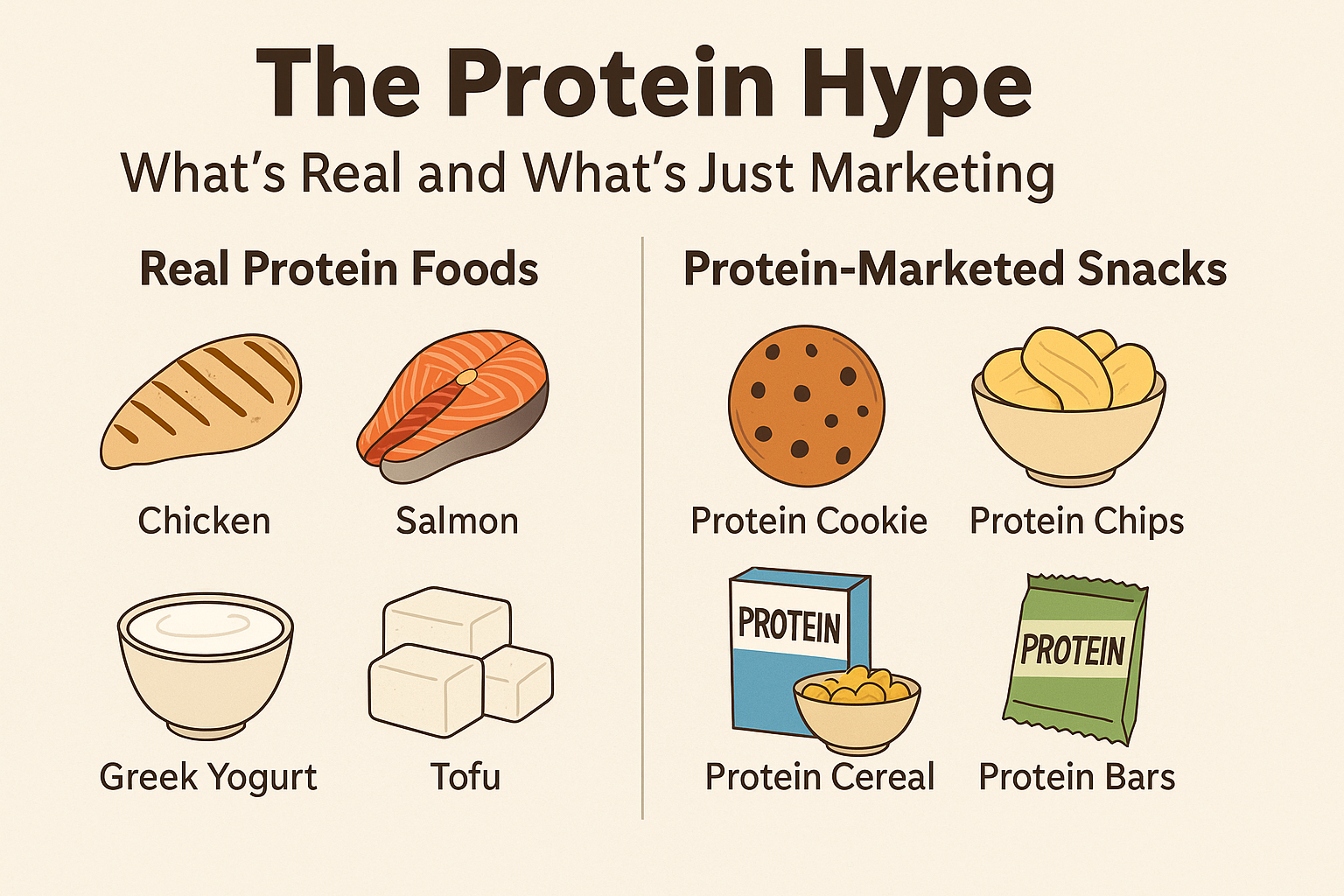
Carbohydrates are especially important for conditioning and repeated high effort work. Protein supports muscle repair, while total calorie intake determines overall recovery capacity.
Nutrition is not separate from training. It is part of it.
When athletes feel fatigued, the goal is not always to do less. It is to recover better.
This may include:
The key is identifying the limiting factor.
Reducing training without addressing underfueling can lead to stagnation rather than improvement.
Fatigue does not always mean you are training too much. Often, it means you are not fueling enough to support the work you are doing.
Overtraining and undereating can look similar on the surface, but the solutions are very different.
Athletes who learn to match their nutrition to their training demands are better able to recover, perform, and progress over time.
Before assuming you need to train less, consider whether you need to support your training better.