How to Use RPE to Train Smarter and Improve Faster
Learn what RPE means in training and how to use it to adjust intensity, improve performance, and get more out of every workout.
By
March 31, 2026
As training evolves, athletes are often introduced to new tools that help guide intensity and improve long-term progress. One of the most useful and misunderstood tools is RPE.
RPE stands for Rate of Perceived Exertion. It is a way to measure how hard a set or workout feels, rather than relying only on weight, reps, or time.
At first, this can feel subjective. Over time, it becomes one of the most effective ways to train with intention.
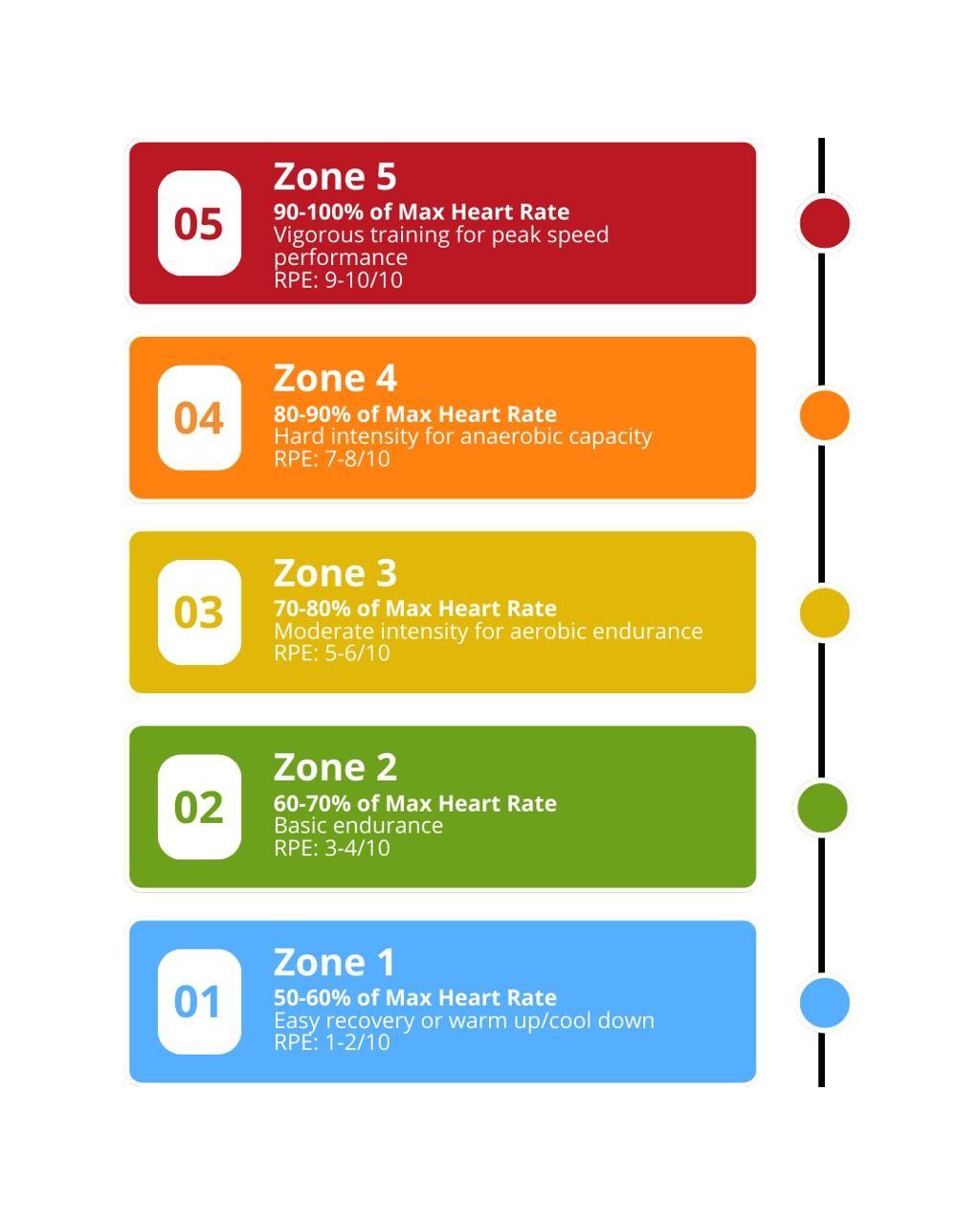
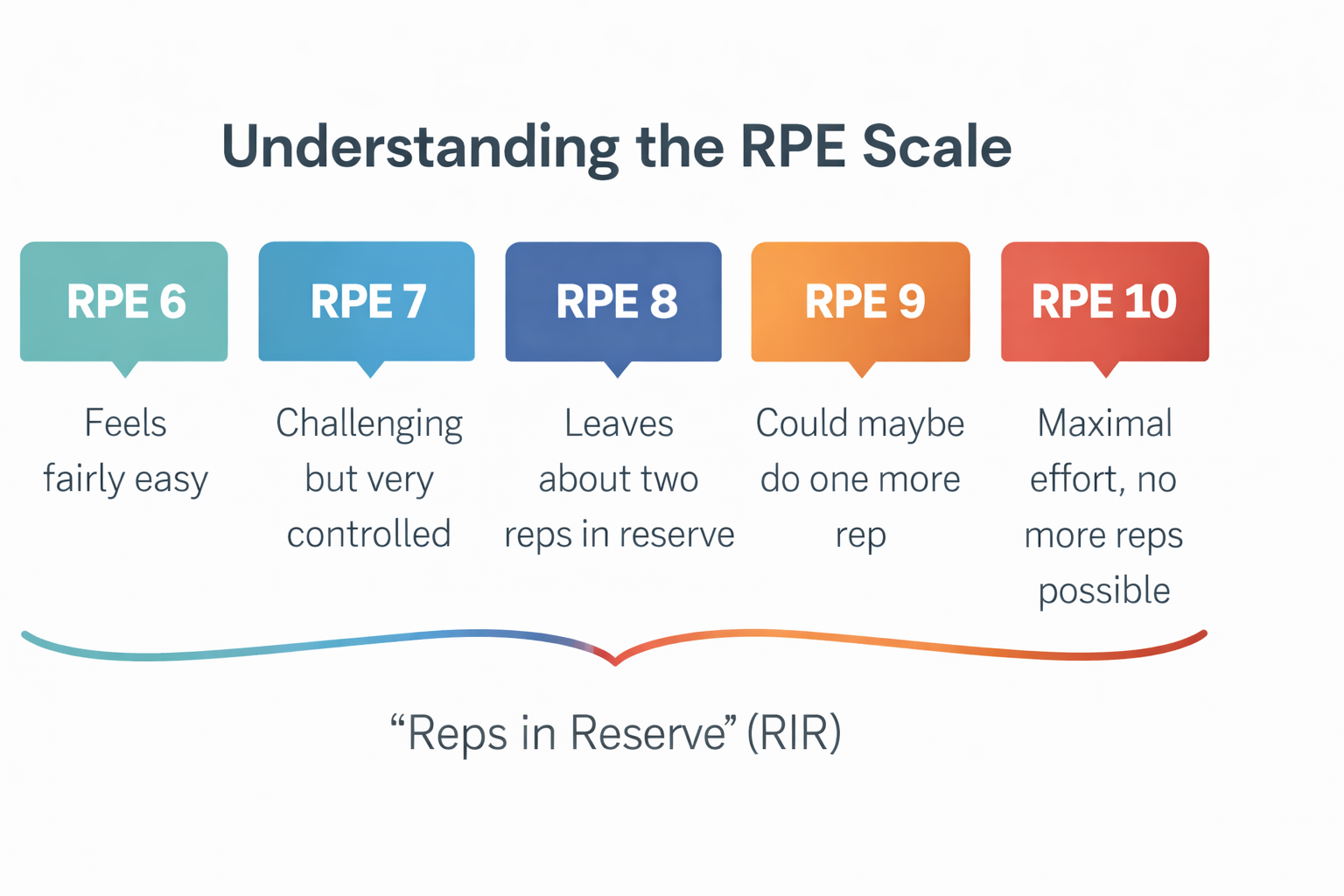
RPE is typically measured on a scale from 1 to 10.
This is often described as “reps in reserve.”
Instead of asking “How much weight should I lift?” the question becomes:
“How hard should this feel?”
Not every day is the same.
Sleep, stress, nutrition, and previous training all affect performance. A weight that felt easy last week may feel heavy today. A weight that feels heavy one day may feel easy the next.
RPE allows training to adjust to the athlete, not the other way around.
This leads to:
Rather than forcing numbers, athletes learn to match effort to capacity.
Many athletes are used to training based on fixed weights, times, or scores.
This approach can work, but it has limitations.
On a good day, fixed numbers may not push you enough. On a bad day, they may push you too far. Over time, this creates inconsistent stimulus and unnecessary fatigue.
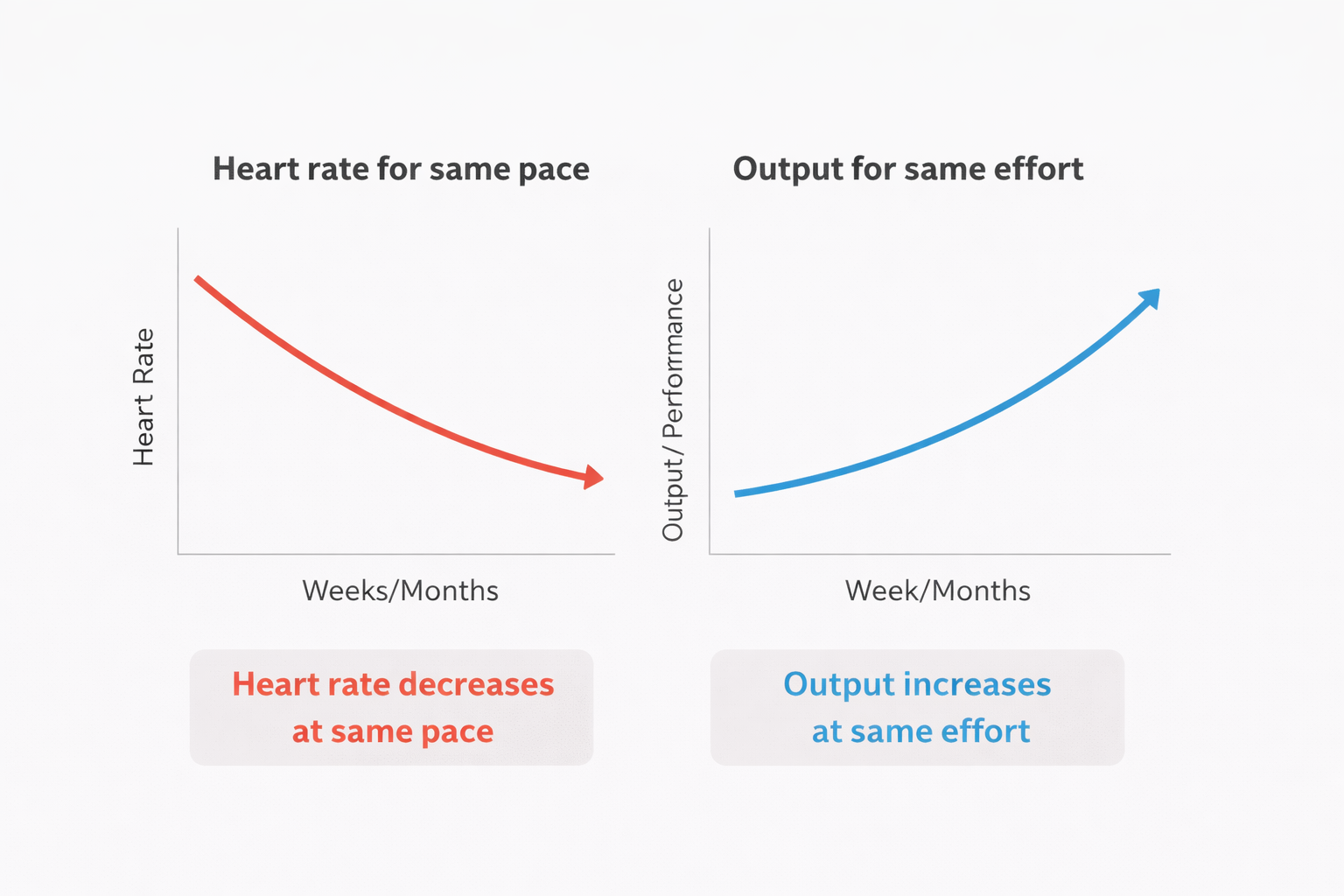
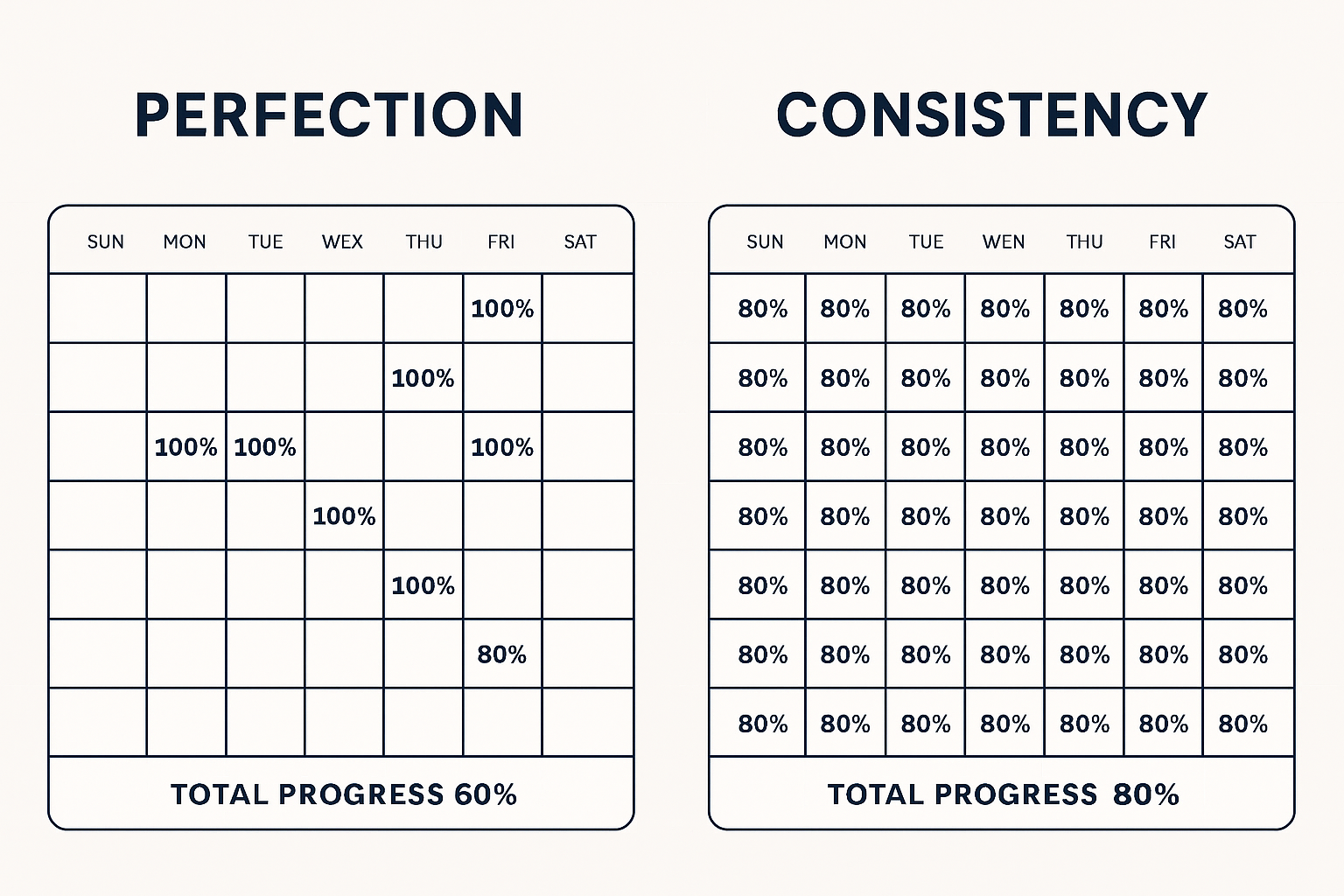
RPE helps solve this by keeping effort consistent even when performance fluctuates.
The goal is not always to lift the most weight or get the fastest time. The goal is to train at the right intensity for adaptation.
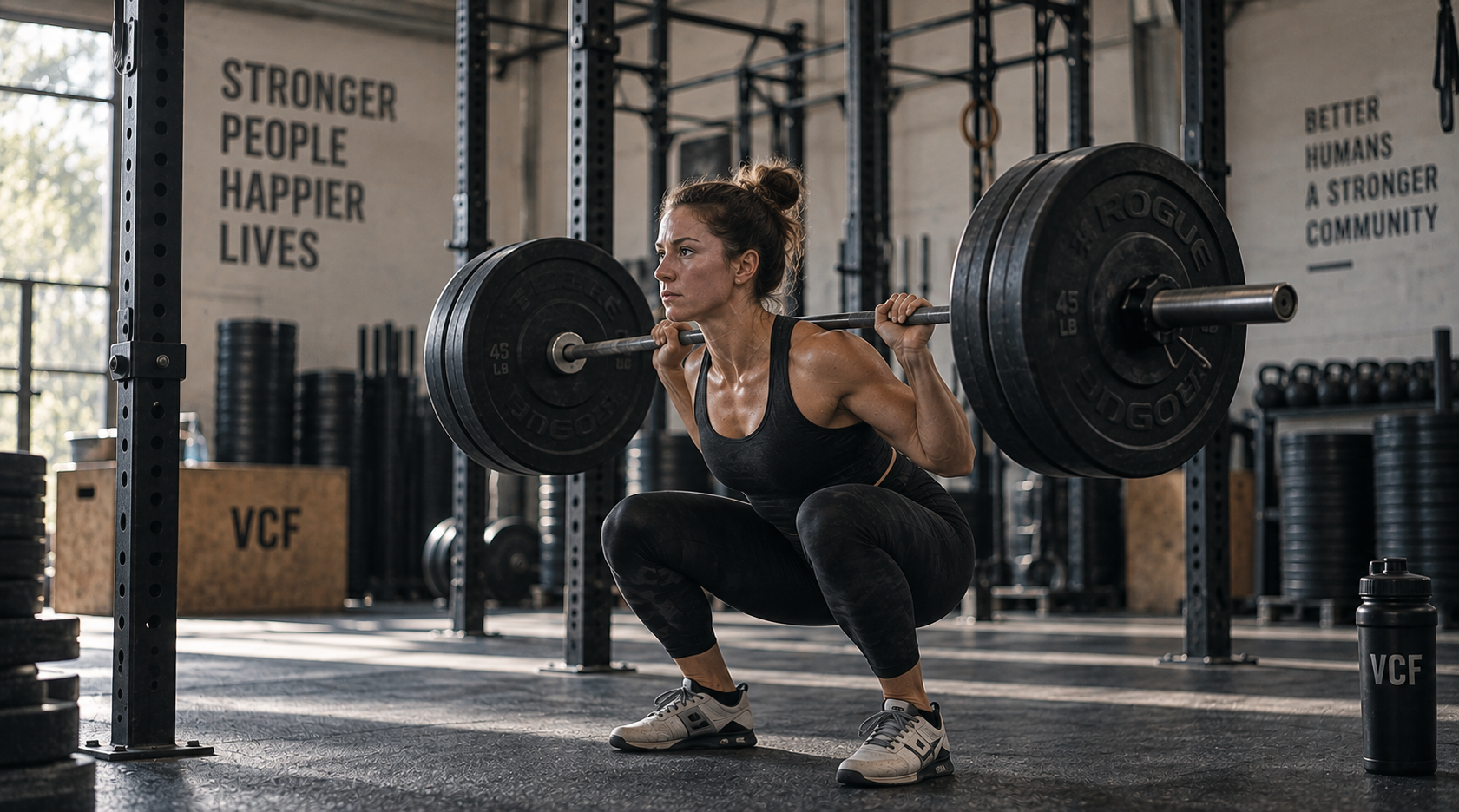
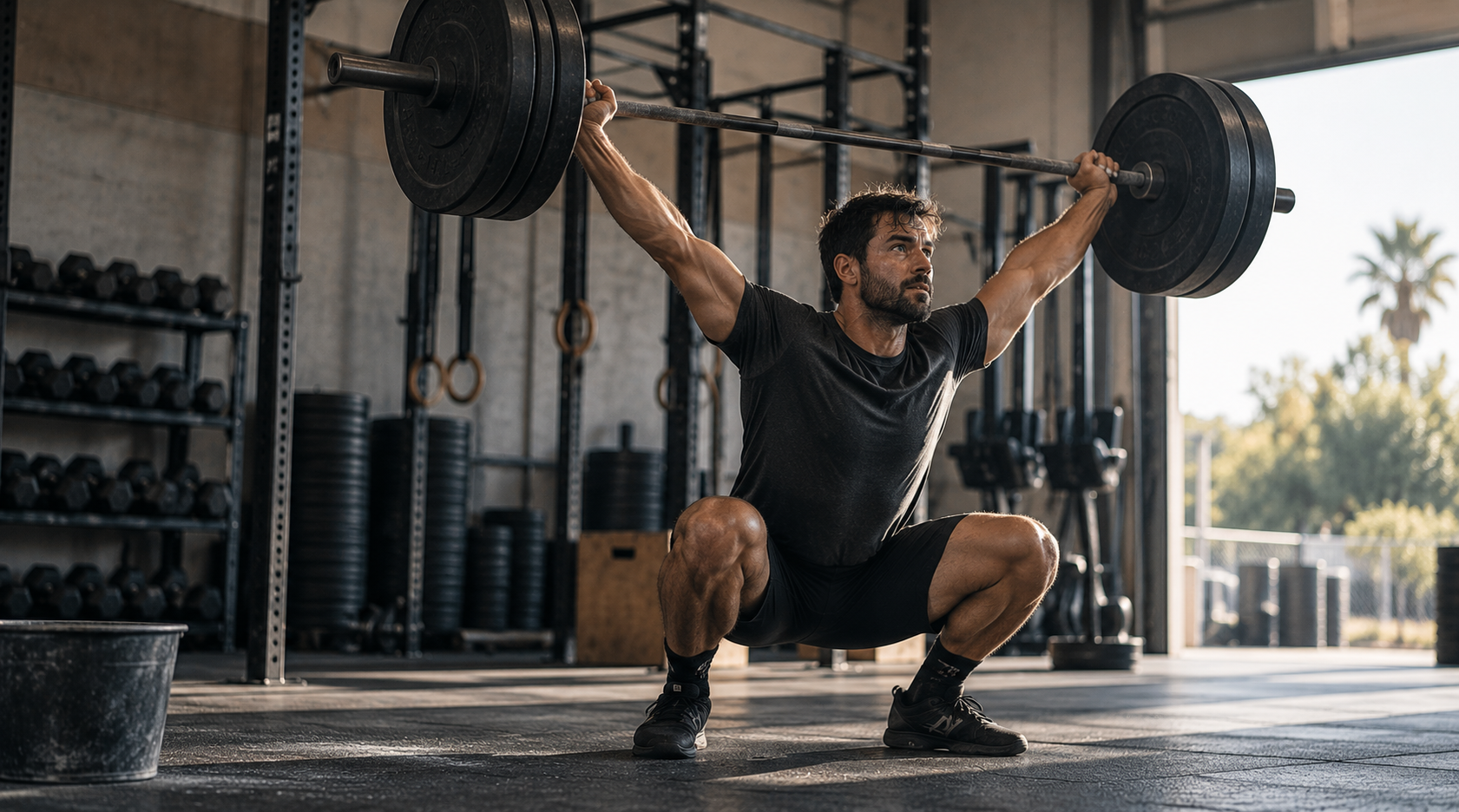
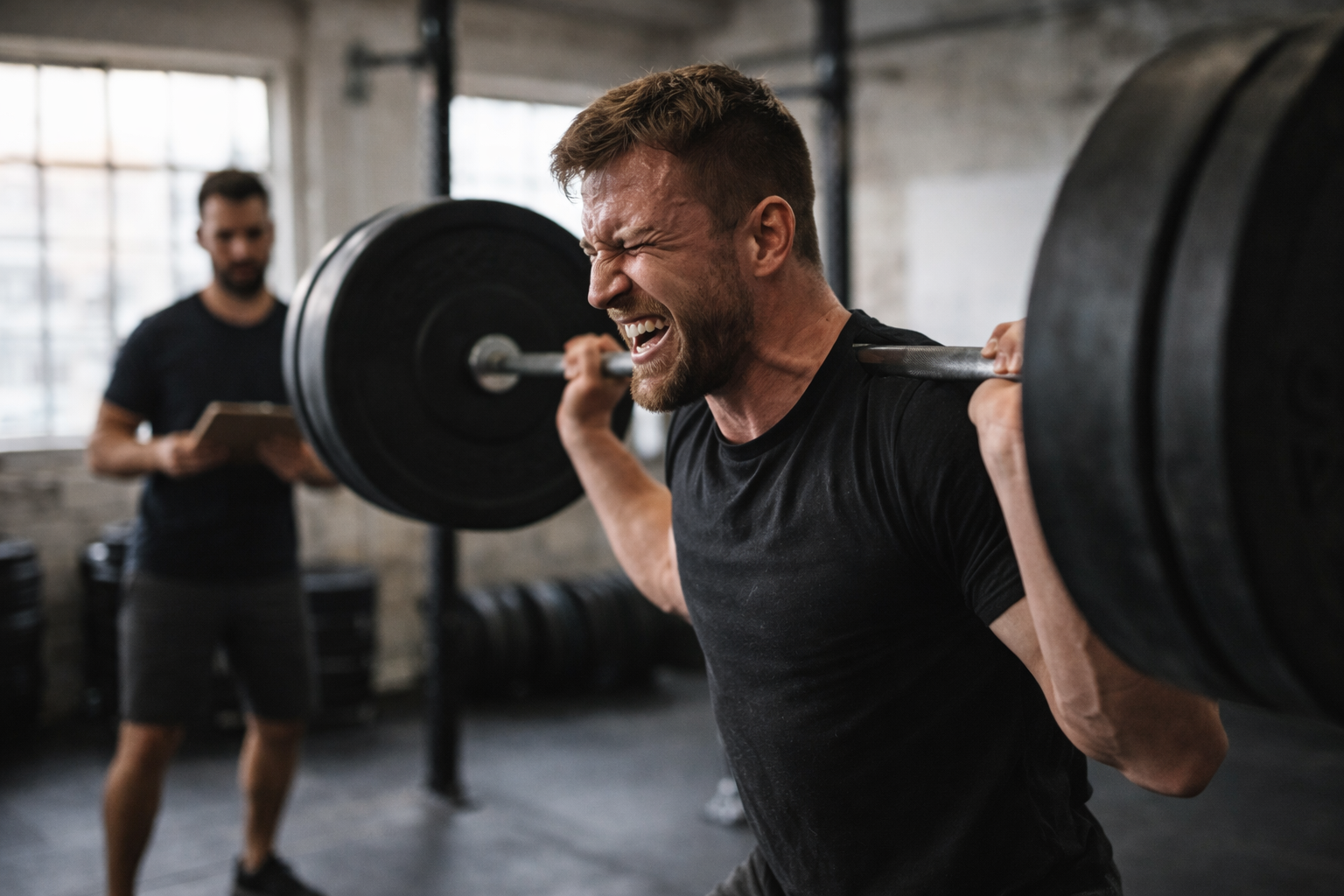
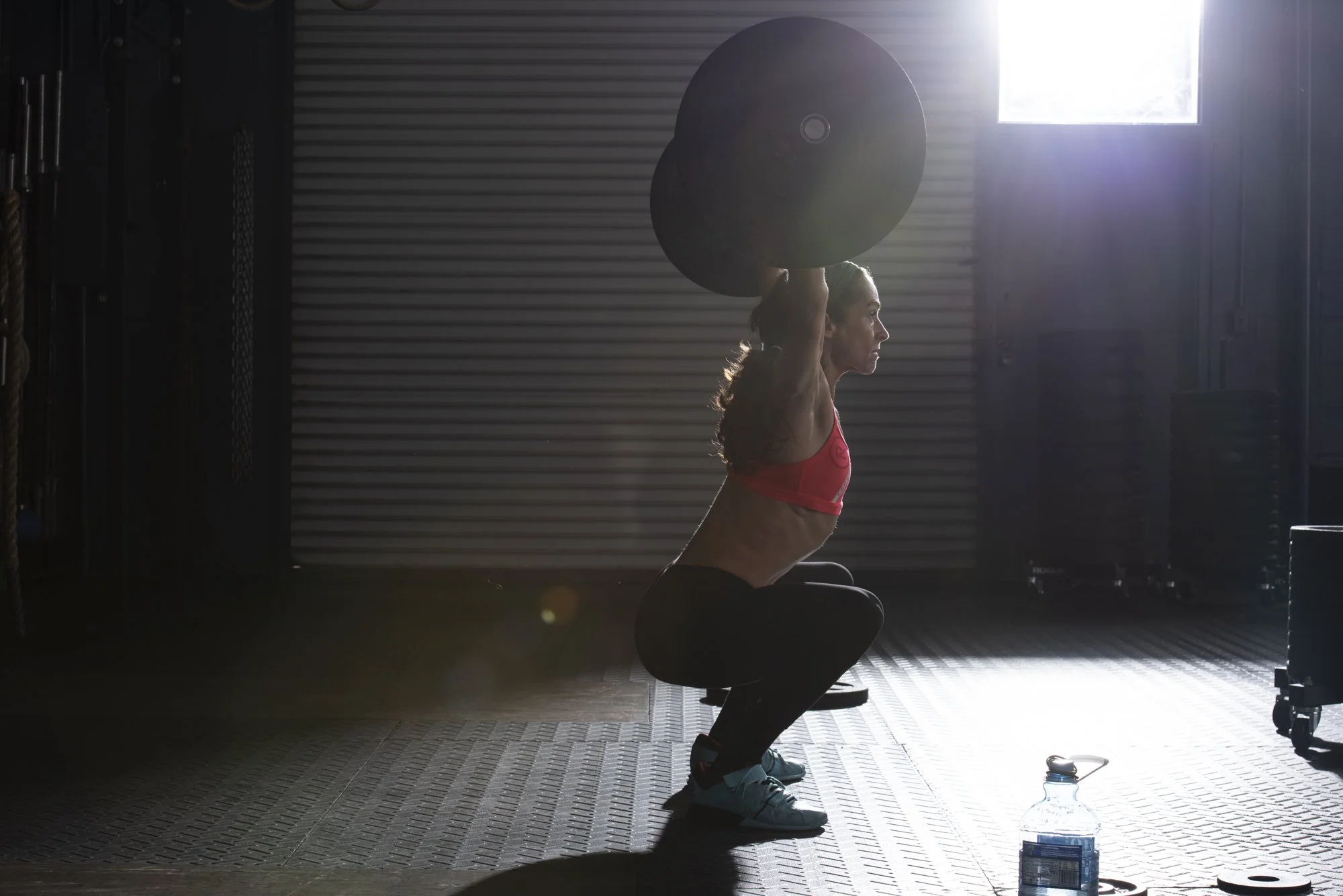
In strength training, RPE helps guide load selection.
If a workout calls for:
3 sets of 5 at RPE 8
You are aiming for a weight that feels challenging but leaves about two reps in reserve.
If the bar is moving fast and feels light, you can add weight.
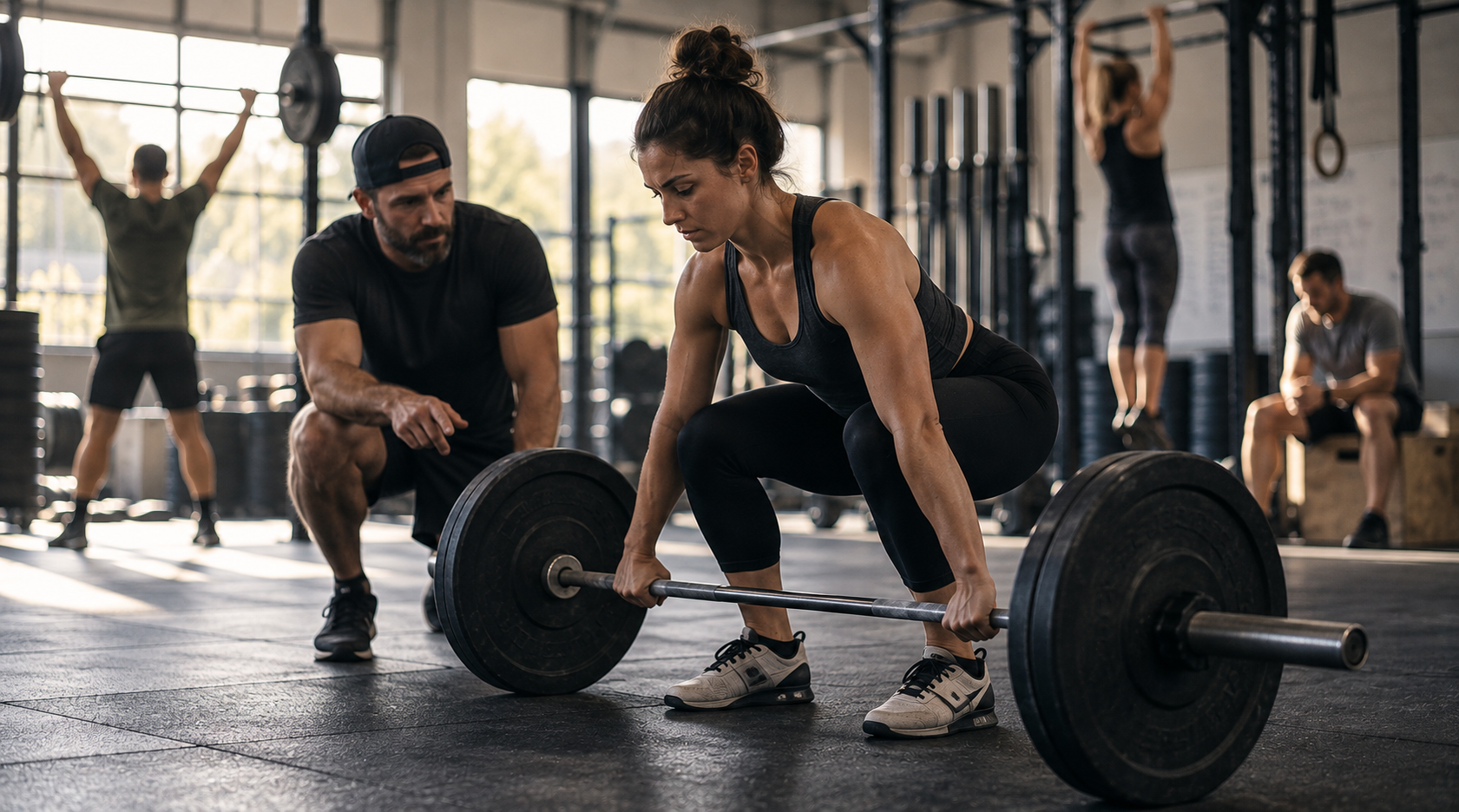
If the bar is slow or your position is breaking down, you reduce weight.
This keeps the stimulus consistent across different days and different athletes.
RPE is just as useful in conditioning work.
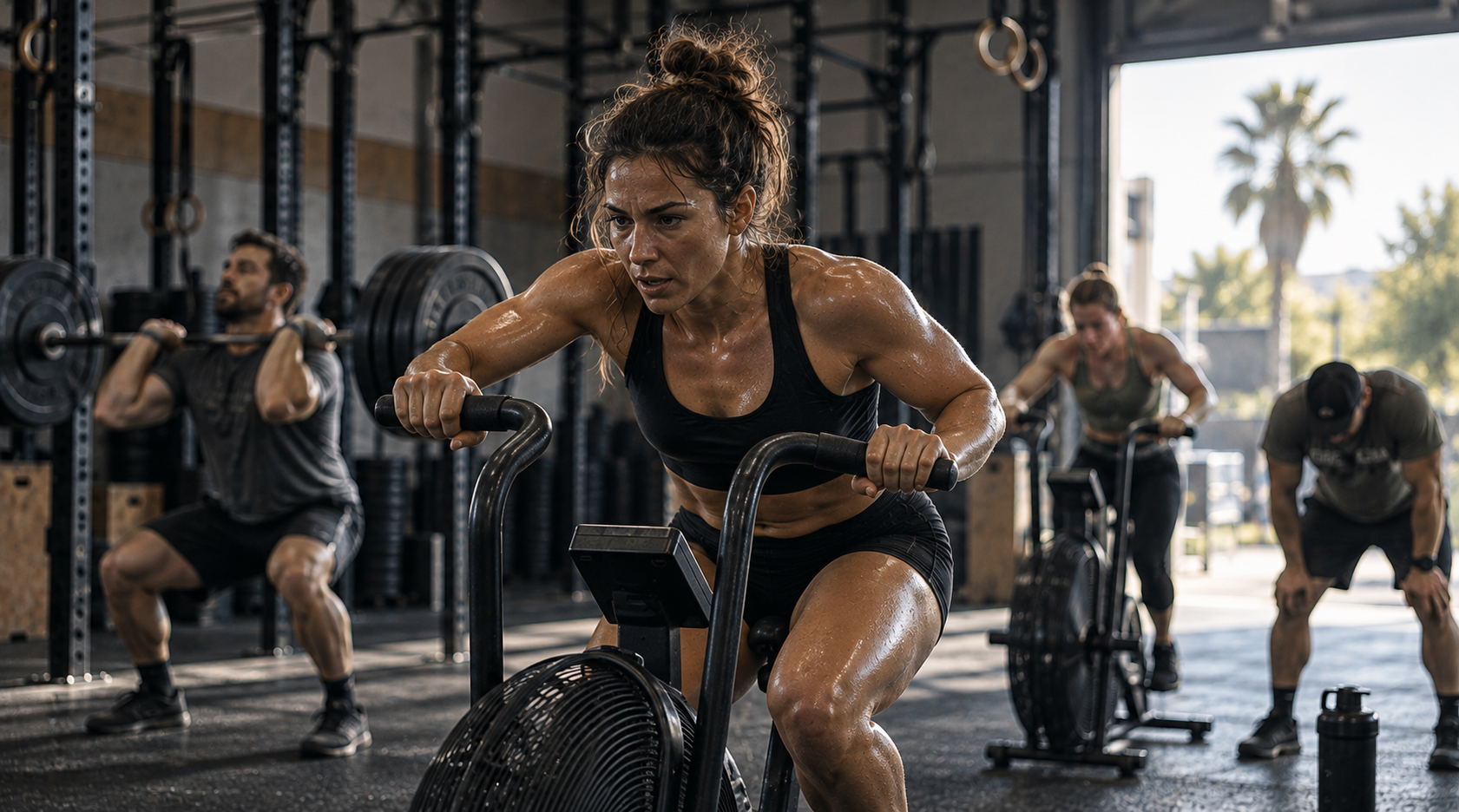
Instead of going all out every workout, athletes can adjust pacing based on the intended stimulus.
For example:
This helps athletes avoid the common mistake of turning every workout into a max effort session.
Better pacing leads to:
RPE is a skill.
At first, athletes often misjudge effort. Something may feel like an RPE 9 when it is actually an RPE 7, or vice versa.
This improves with experience.
Pay attention to:
Over time, athletes become more accurate, and RPE becomes more reliable.
One of the biggest mistakes is treating RPE as an excuse to go too light.
RPE is not about avoiding hard work. It is about applying the right level of effort.
Another mistake is ignoring RPE and pushing to failure too often. Constant max effort leads to fatigue that limits progress.
RPE sits in the middle. It allows for hard training without unnecessary strain.
RPE shifts the focus from outcomes to process.
Instead of chasing numbers, athletes learn to:
This leads to better long-term results than constantly pushing for short-term wins.
RPE is not about making training easier. It is about making training more effective.
When athletes learn to adjust intensity based on how they feel, they build awareness, improve consistency, and create a foundation for long-term progress.
Training becomes less about guessing and more about understanding.