Calories Still Matter for Performance and Fat Loss
Calories play a critical role in both performance and fat loss. Learn why energy balance still matters and how it impacts training, recovery, and results.
By
May 12, 2026
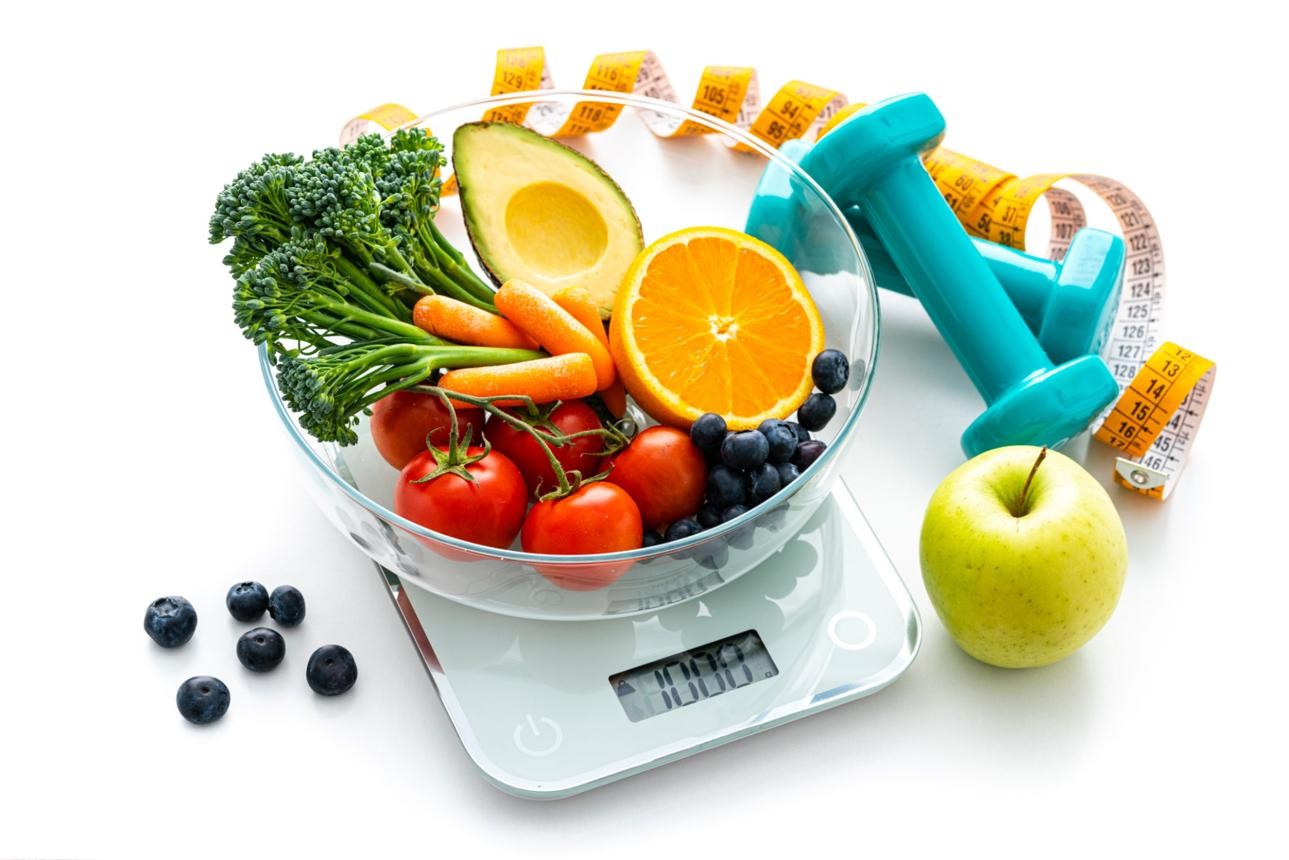
There is a lot of confusion around nutrition.
Macros, meal timing, food quality, supplements. All of these matter to some degree.
But underneath all of it, there is a principle that does not go away.
Calories matter.
Whether your goal is to perform better, recover more effectively, or lose body fat, your total energy intake plays a central role.
Calories are simply a measure of energy.
They reflect how much fuel your body has available to:
Everything you do requires energy.
If that energy is not available, the body has to compensate.
Fat loss ultimately comes down to energy balance.
To lose body fat, your body needs to be in a state where it is using more energy than it is taking in.
This does not require extreme restriction.
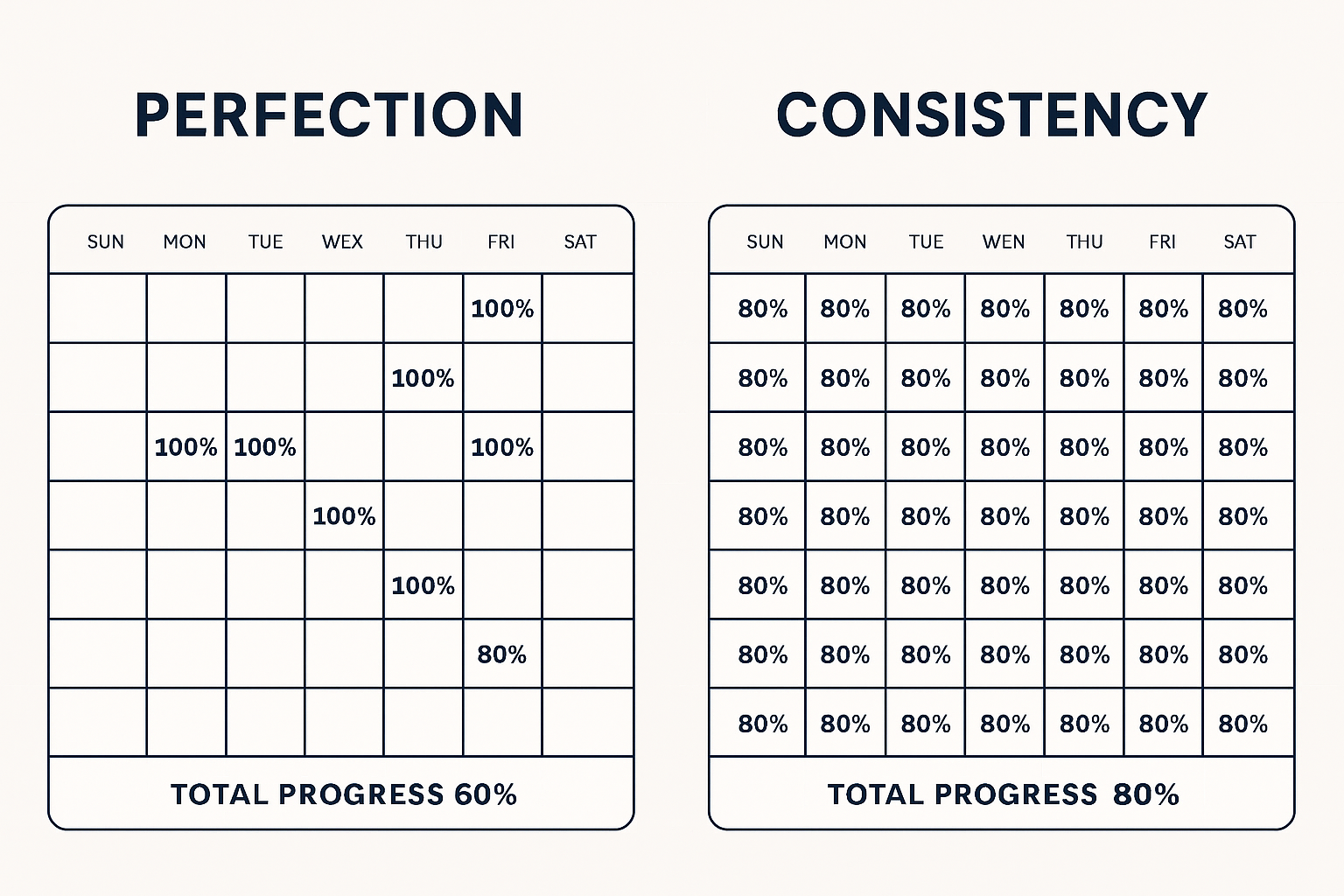
But it does require consistency.
When calorie intake is too high relative to activity, fat loss does not occur.
When intake is slightly below what the body needs, fat loss becomes possible.
Reducing calories without structure often leads to problems.
If intake drops too low:
This creates a cycle where:
The goal is not to eat as little as possible.
It is to create a sustainable balance.
Performance requires fuel.
When calorie intake supports training:
When intake is too low:
Even small deficits can impact performance if not managed carefully.
Trying to maximize performance and aggressively lose fat at the same time creates conflict.
Fat loss requires a deficit.
Performance thrives with adequate fuel.
This is why expectations need to be aligned with goals.
You can:
But pushing both to extremes at the same time rarely works.
Food quality matters.
It affects:
But quality does not replace quantity.
You can eat high-quality foods and still consume more calories than needed.
You can also eat too little, even with good food choices.
Both matter, but calories set the foundation.
You do not need to track everything forever.
But you do need awareness.
Understanding roughly:
gives you the ability to adjust.
Without awareness, progress becomes guesswork.
Your training places a demand on your body.
To support that demand:
Calories are the base layer of that system.
You do not need extreme changes.
You need consistency.
If your goal is performance:
If your goal is fat loss:
In both cases:
Calories are not the only factor.
But they are the one that everything else builds on.
Ignoring them does not make them irrelevant.
It just makes progress harder to control.
You do not need to overcomplicate nutrition.
You need to understand the fundamentals.
Calories still matter.
When you manage them appropriately, everything else becomes easier to align.