Why Nasal Breathing Improves Performance and Recovery
Nasal breathing improves endurance, recovery, and control during training. Learn how breathing through your nose can enhance performance and efficiency.
By
April 24, 2026

Breathing is something most people never think about.
It happens automatically.
But how you breathe has a direct impact on how you perform, how you recover, and how efficiently your body works.
Nasal breathing is one of the simplest ways to improve all three.
Nasal breathing means breathing in and out through your nose instead of your mouth.
That may sound basic, but it changes how your body responds to effort.
It slows your breathing, improves control, and helps regulate intensity.
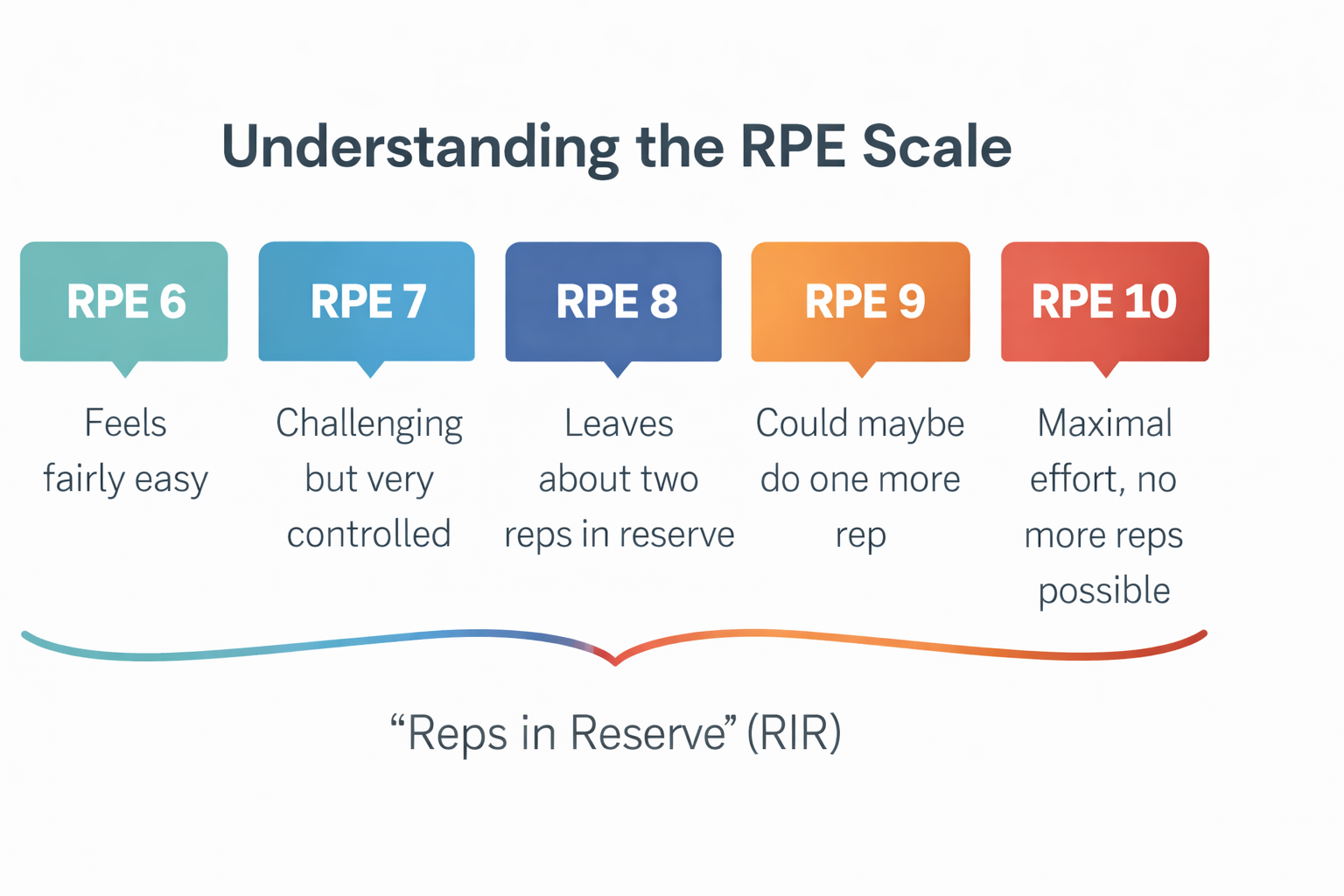
Breathing is closely tied to effort.
The faster and more chaotic your breathing becomes, the more stress you place on your system.
Nasal breathing helps:
It creates a more stable and sustainable response to training.
Nasal breathing naturally limits how hard you can push.
If you can maintain nasal breathing, you are likely in a controlled, aerobic state.
When you are forced to switch to mouth breathing, intensity has increased.
This makes it a simple and effective way to gauge effort without needing a device.
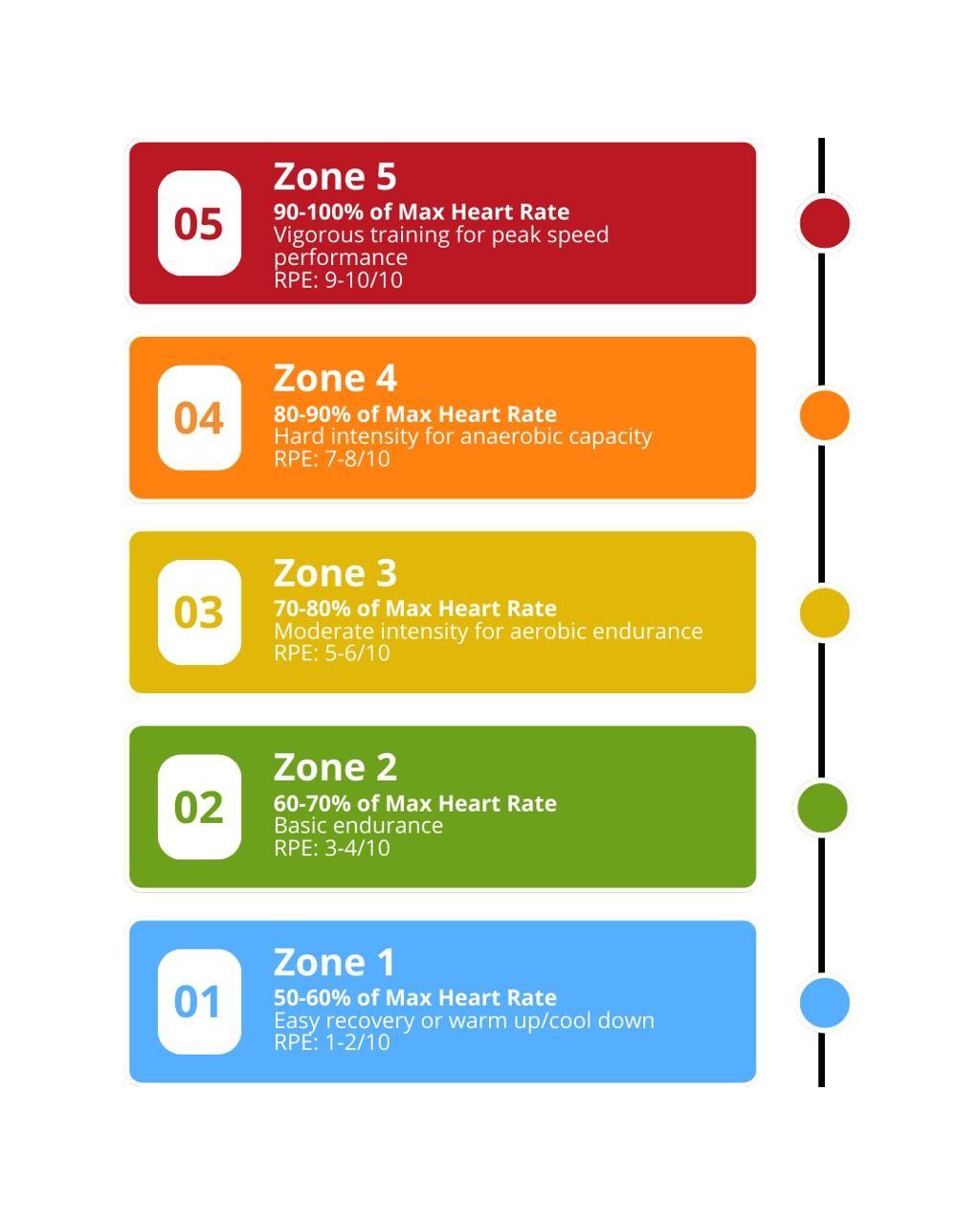
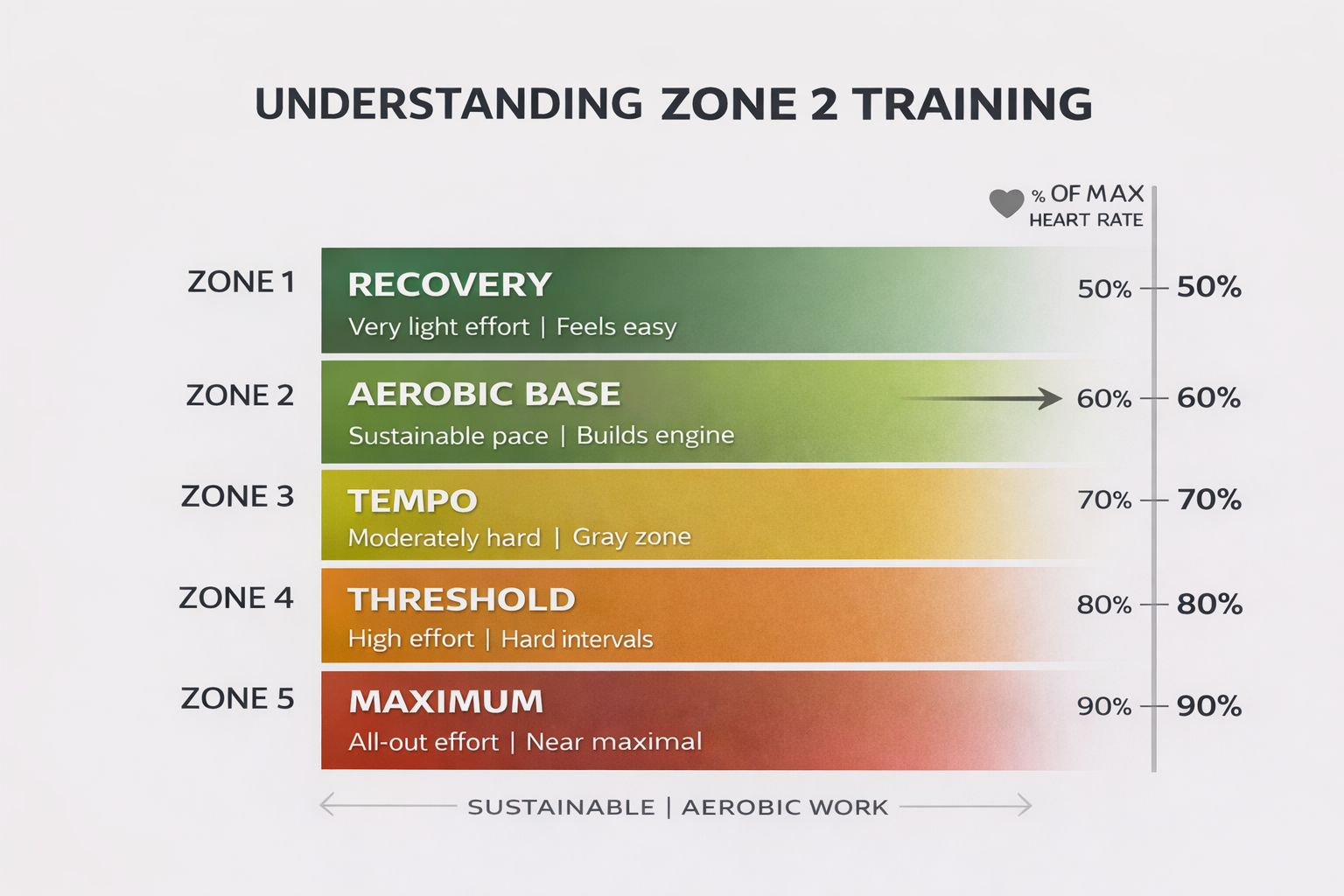
Nasal breathing and Zone 2 training work well together.
Both emphasize:
If you can maintain nasal breathing during a session, you are likely in the right range.
If you cannot, you may be pushing too hard.
The nose does more than just move air.
It:
This leads to more efficient breathing and better use of oxygen during training.
Breathing also affects recovery.
Nasal breathing helps:
After a workout, returning to nasal breathing can help bring your system back to baseline faster.
Many people are not used to nasal breathing during exercise.
At first, it may feel restrictive.
That is because:
With practice, it becomes more natural and more effective.
You do not need to apply nasal breathing to everything.
Start with:
As it improves, you can begin to use it during more of your training.
Nasal breathing is not a rule for every workout.
High-intensity efforts will require mouth breathing.
That is normal.
The goal is not to eliminate intensity.
It is to improve control and awareness.
Breathing is one of the most overlooked aspects of training.
It influences:
Nasal breathing is a simple way to bring more control to all three.
You do not need more complexity to improve your training.
Sometimes the biggest changes come from the simplest adjustments.
Pay attention to how you breathe.
Control it, and you will start to control your training.