The Gray Zone Why Moderate Effort Is Holding You Back
Training at moderate intensity all the time can limit progress. Learn what the gray zone is and how to avoid it for better performance.
By
April 6, 2026

Most athletes do not struggle because they are not working hard enough.
They struggle because they are working hard in the wrong way.
There is a range of intensity that feels productive. It is uncomfortable, sweaty, and mentally engaging. It feels like a good workout.
This is the gray zone.
It sits between easy aerobic work and true high-intensity effort. It is where many athletes spend most of their time without realizing it.
The gray zone is moderate intensity.
It is typically:
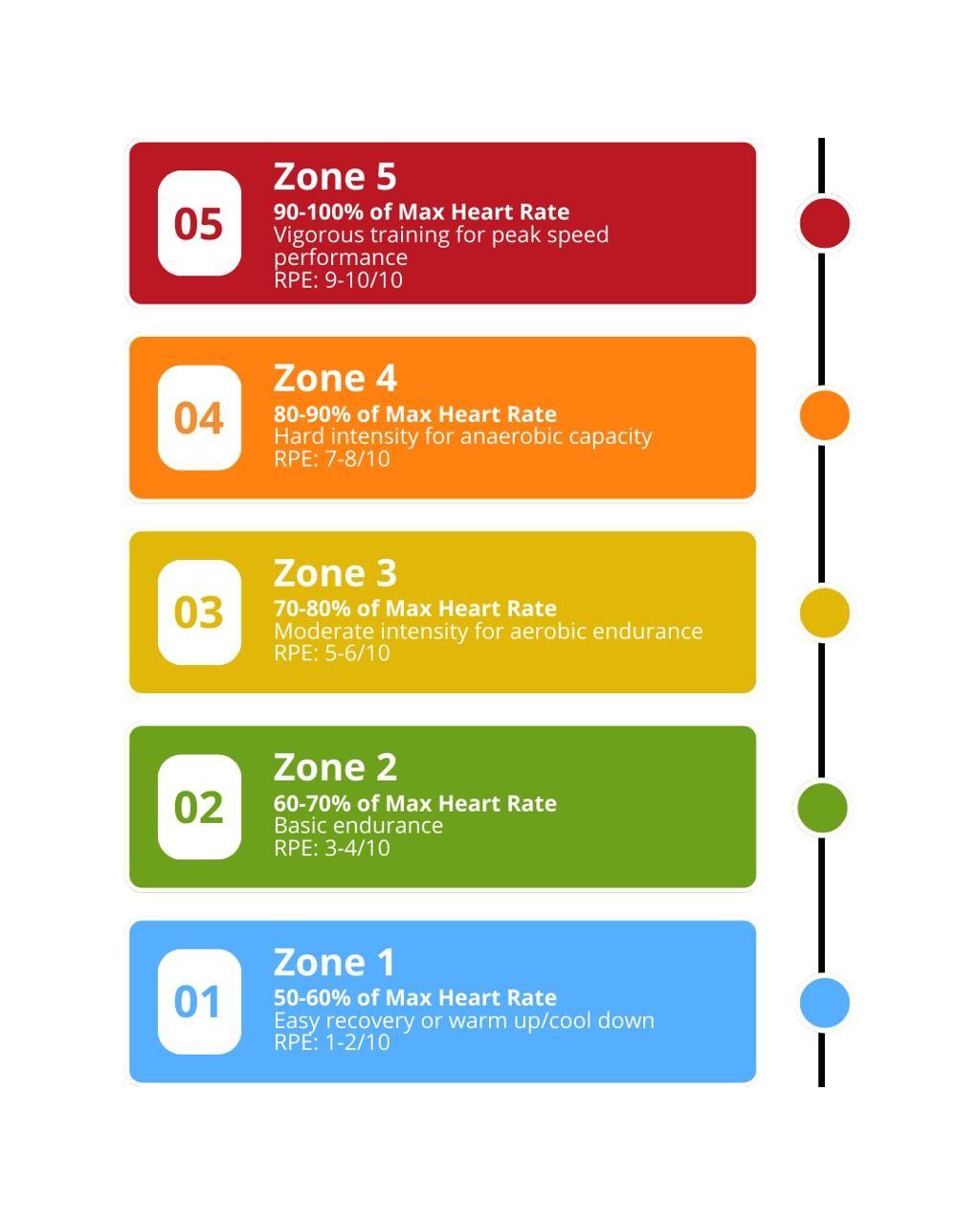
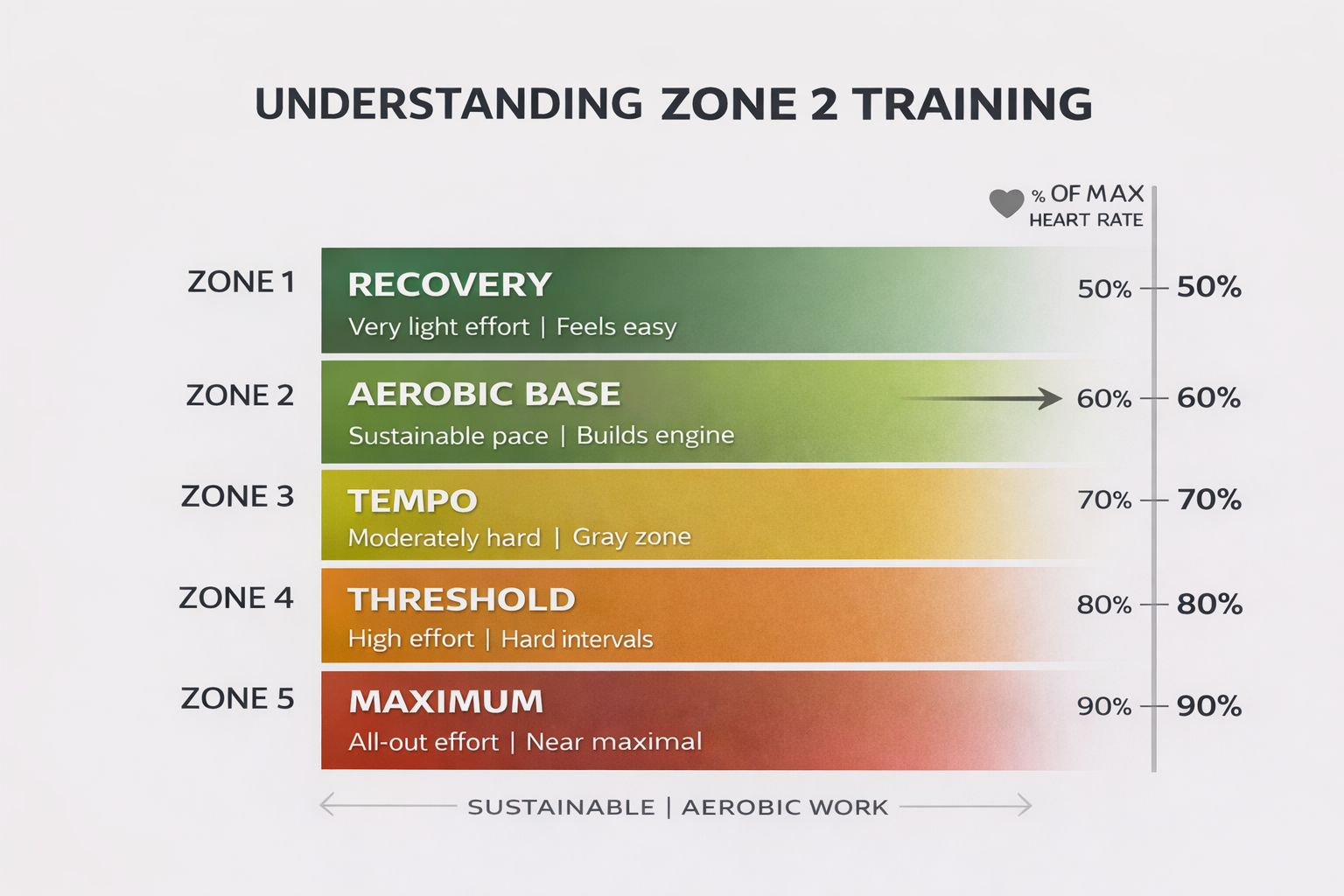
It often aligns with Zone 3.
This is the pace where:
It feels like you are doing something meaningful.
That is what makes it deceptive.
The gray zone is comfortable in an uncomfortable way.
It avoids:
It gives the feeling of working hard without requiring full commitment to either end of the spectrum.
It also:
So athletes drift into it naturally.
The problem is not that the gray zone is useless.
The problem is doing it all the time.
When athletes spend most of their training here:
You end up working hard, but not getting the full benefit of that work.
Effective training separates intensity.
Instead of living in the middle, it emphasizes:
Each has a clear purpose.
Zone 2 builds the engine.
High intensity expresses it.
The gray zone does neither particularly well.
You may be spending too much time in the gray zone if:
This is a sign that intensity is not being managed well.
The solution is not to stop working hard.
It is to apply effort more intentionally.
This means:
It also requires discipline.
The gray zone feels good in the moment. Avoiding it requires thinking long term.
When athletes step out of the gray zone, they start to see:
Training becomes more effective, not just more difficult.
The goal of training is not to feel tired.
It is to improve.
That requires applying the right stimulus at the right time, not just working hard every day.
The gray zone sits in the middle of that process. It feels productive, but it often holds athletes back.
Hard work is not the problem.
Misapplied effort is.
When you stop living in the middle and start training with intent, progress becomes more consistent and more noticeable.
Train easy when it is time to build.
Train hard when it is time to push.
Avoid the middle.