The 2026 Training Season: Why We’re Changing How We Train
Every year, we learn something about how our members train, recover, and perform.
This year, the pattern was clear.
By the time we reach the point where we should be preparing for competition, many of us are already managing fatigue instead of building momentum. Instead of sharpening, we are trying to recover. Instead of progressing, we are holding on.
That is not a preparation problem.
That is a structure problem.
This year’s training season is designed to fix that.
What We’re Solving
This program is not just a change for the sake of variety. It is a direct response to what we’ve observed across the floor and in competition.
As a gym, we’ve identified a few consistent gaps:
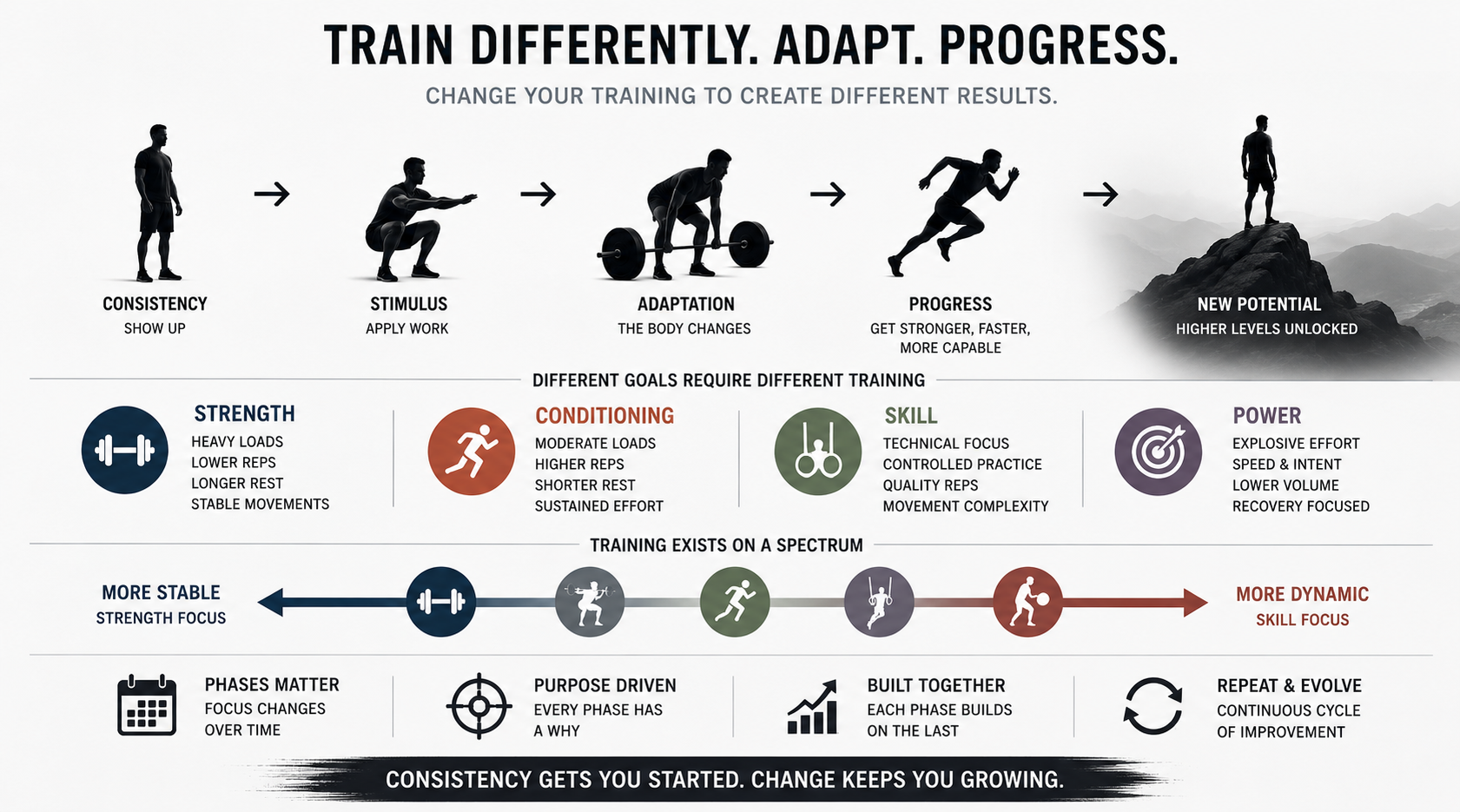
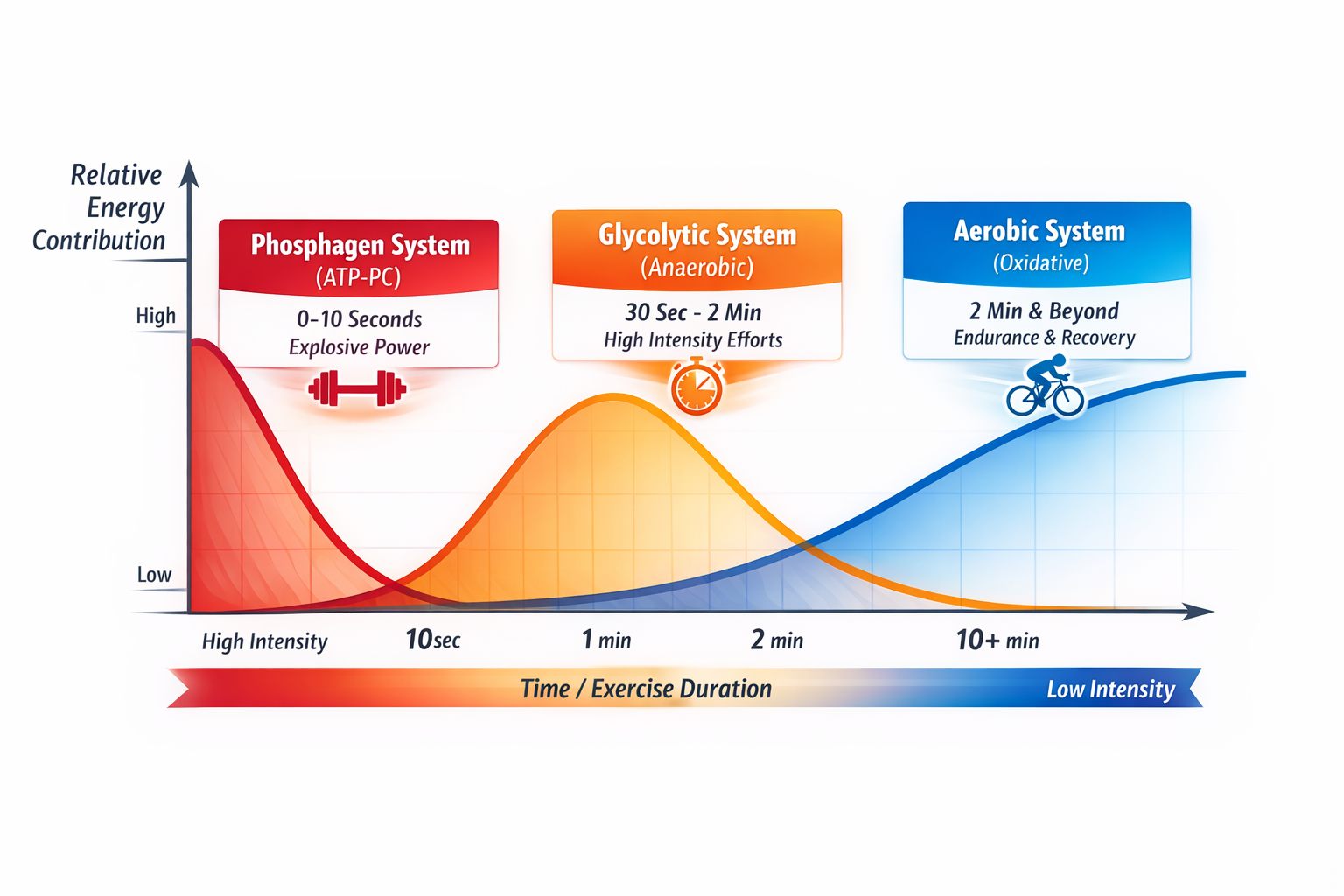
- We are comfortable in the middle but underdeveloped at both ends of the spectrum
- Our aerobic base, especially long and controlled work, needs to improve
- We have solid weightlifting ability but lack the base strength to fully express power
- Our gymnastics skill often outpaces our strict strength and positional control
None of these are individual issues. They are patterns.
And if we want to improve as a whole, we have to address them directly.
How This Season Is Structured
Instead of trying to improve everything at once, we are structuring the year in phases.
Each phase has a clear purpose. Each phase builds into the next.
We are not blending everything together all the time.
We are focusing, building, and then layering.
Phase 1: 15 Weeks of Strength and Structural Development
We begin with a 15-week cycle built around three 5-week blocks:
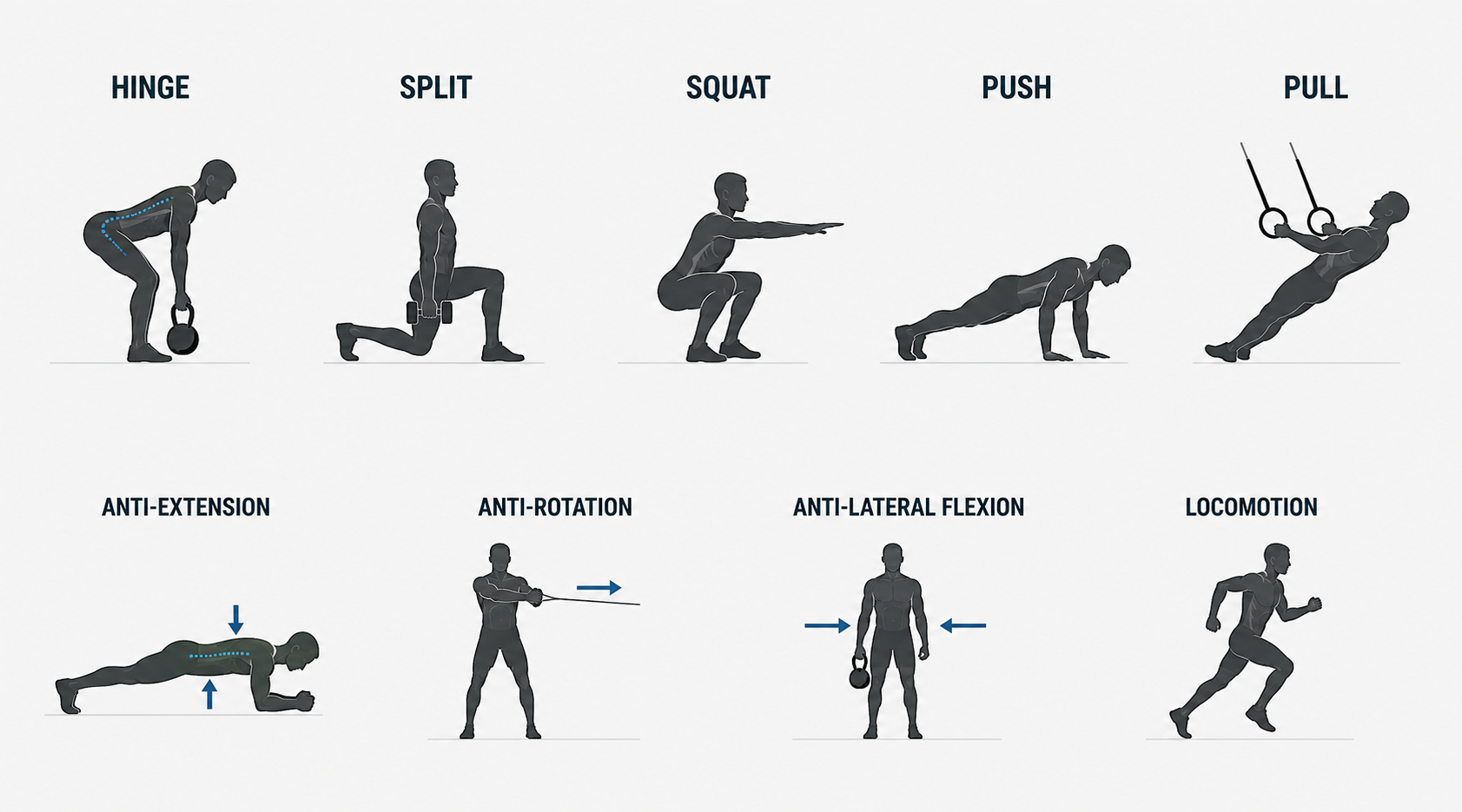
Each block focuses on one primary movement pattern, giving it enough time and attention to actually improve.
How the Strength Work Is Built
Primary strength days are straightforward by design.
These are pure lifting days. No tempo. No distractions.
You will see:
- Structured sets and reps
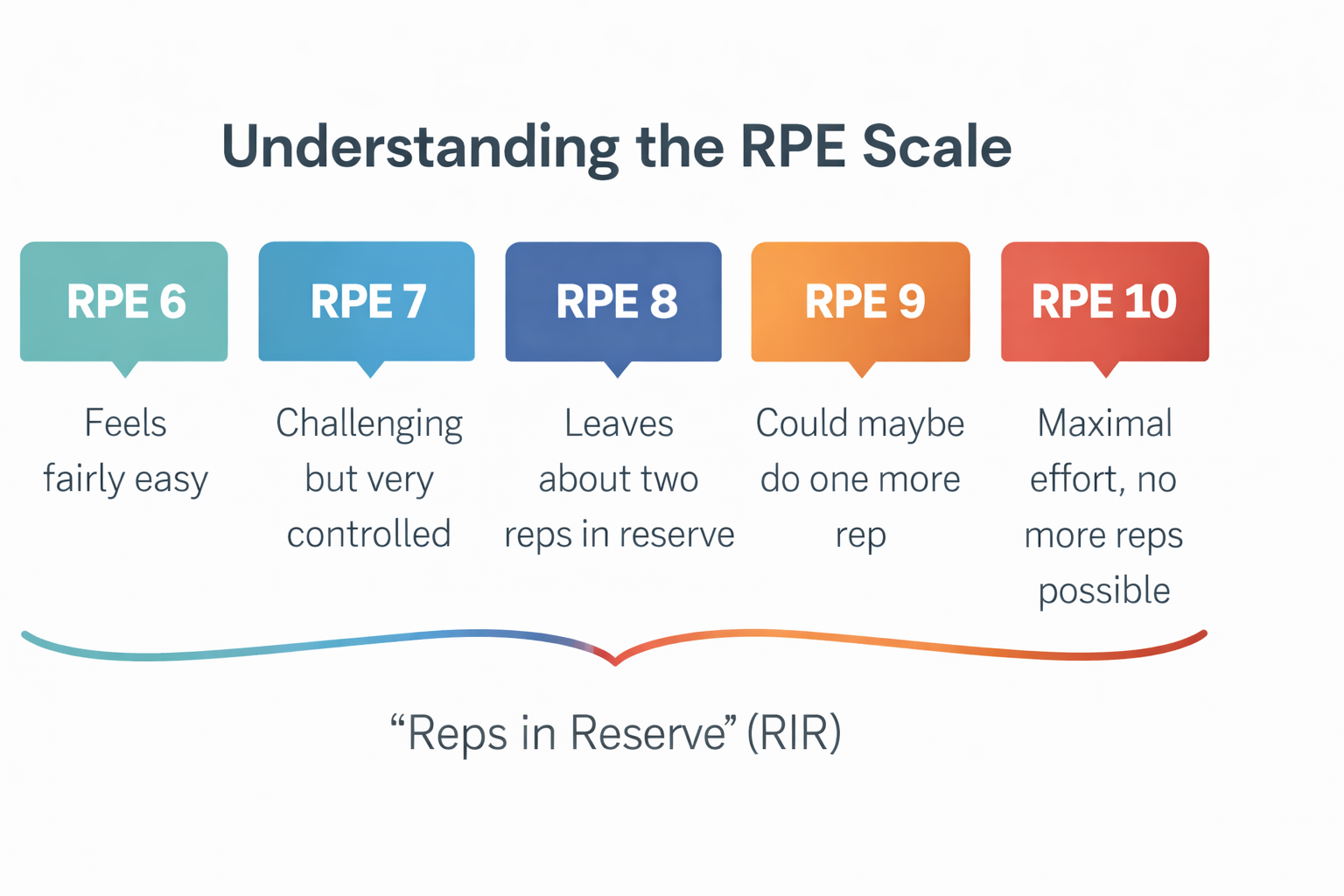
- RPE-based loading that increases as reps decrease
- A clear progression from volume to intensity
The goal here is simple: build real strength.
Not rushed strength. Not fatigued strength.
Strength that holds up under load and carries forward.
Supporting That Strength
Around those primary lifts, you will see a consistent amount of accessory work.
This is not filler.
It is targeted toward:
- Weak muscle groups
- Structural balance
- Hypertrophy where it is needed
This is where we begin to build resilience.
Secondary Strength Days
If primary days are about output, secondary days are about control.
These sessions include:
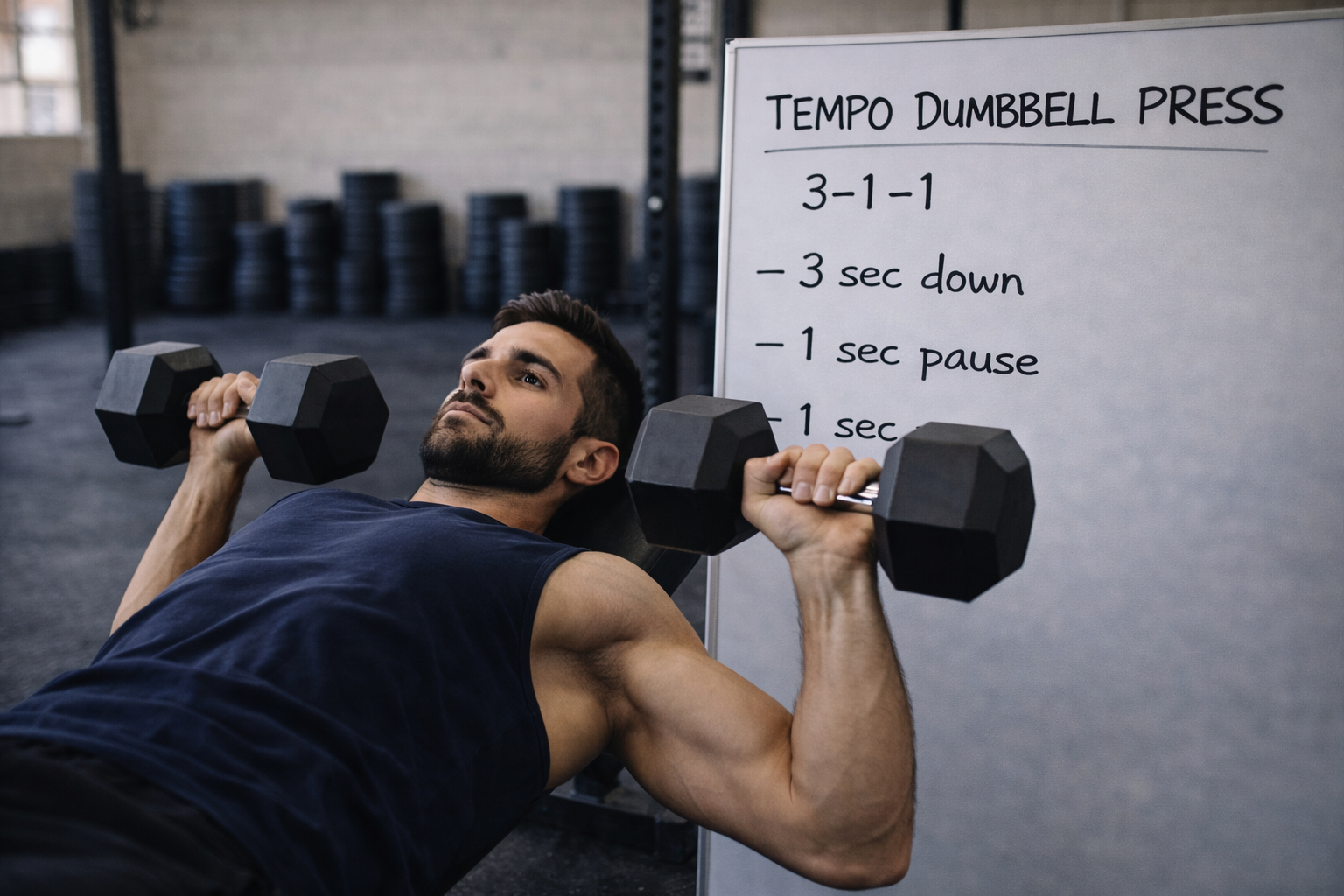
- Tempo work
- Isometric holds
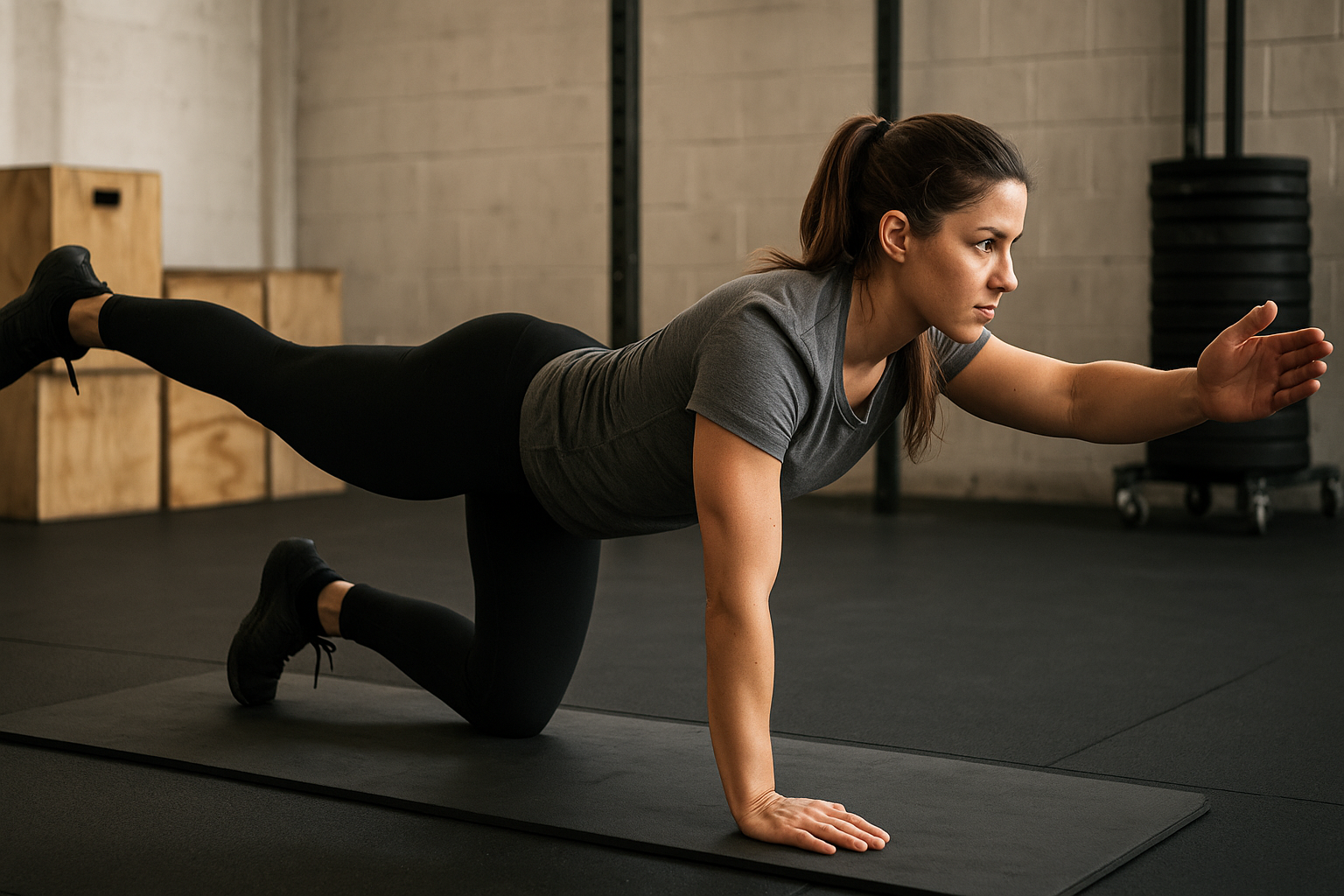
- Positional strength
They are designed to support the primary lift of the block while improving movement quality.
This is where positions get cleaned up.
This is where stability is built.
This is where the body becomes more durable.
Together, the primary and secondary days are doing something very specific:
They are not just building strength.
They are bulletproofing the body.
Conditioning and Aerobic Development
Conditioning is still present, but it is more intentional.
Across each mini-block, you will see:
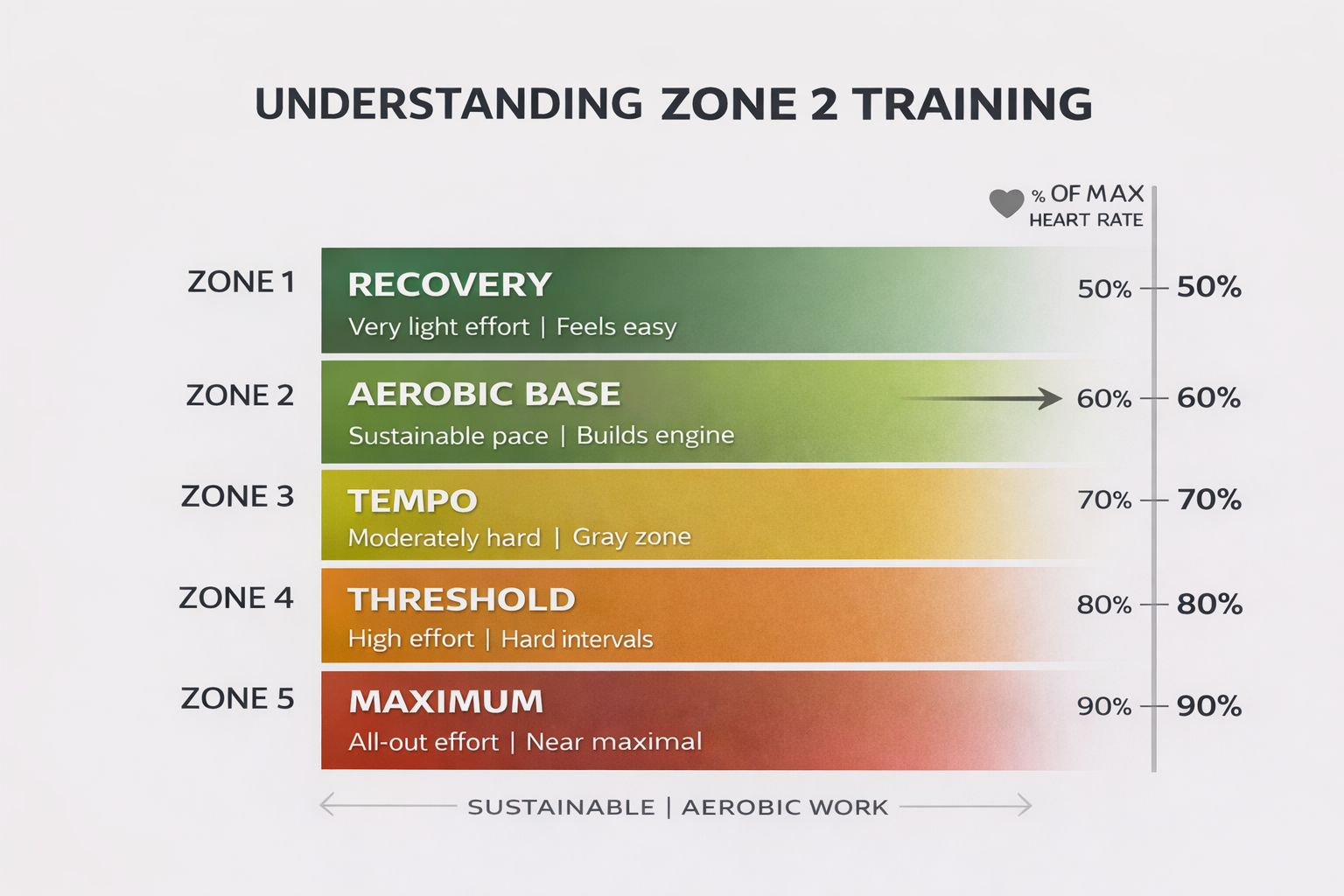
- A longer monostructural effort
- A limited number of mixed aerobic sessions
- Classic CrossFit workouts used strategically
We will not be doing mixed modal work more than a few times per week.
This is deliberate.
We are creating space for:
- Strength adaptation
- Aerobic development
- Recovery between sessions
You should expect some sessions to feel controlled, even slower than you want them to feel.
That is part of the process.
Skill Focus and Simplicity
Another major shift is focus within sessions.
We are reducing unnecessary complexity.
Instead of touching five different skills in one workout, we are narrowing the scope.
This allows:
- More repetition
- Better feedback
- Actual improvement
This applies across every block.
If something is in the program, it is there to improve.
Saturdays: Kitchen Sink Days
Saturday remains your outlet.
These are your partner and team-based sessions.
They are intentionally less structured and allow for:
They do not replace the work of the week.
They complement it.
Phase 2: 6 Weeks of Strength Maintenance and Gymnastics Development
After building strength, we shift.
This phase maintains what we’ve built while placing more emphasis on how the body moves.
Barbell volume decreases slightly.
In its place, you will see more focus on:
- Strict gymnastics strength
- Positional control
- Movement through space
This matters more than most people realize.
If we want to perform higher-skill gymnastics later in the season, we need the strength to support it.
This phase builds that foundation.
You should expect:
- More control-based work
- More bodyweight strength
- More awareness of positions
This is not a step back. It is preparation.
Phase 3: 12 Weeks of Power and Olympic Lifting
This is where everything begins to move faster.
The strength we built now becomes power.
We shift toward:
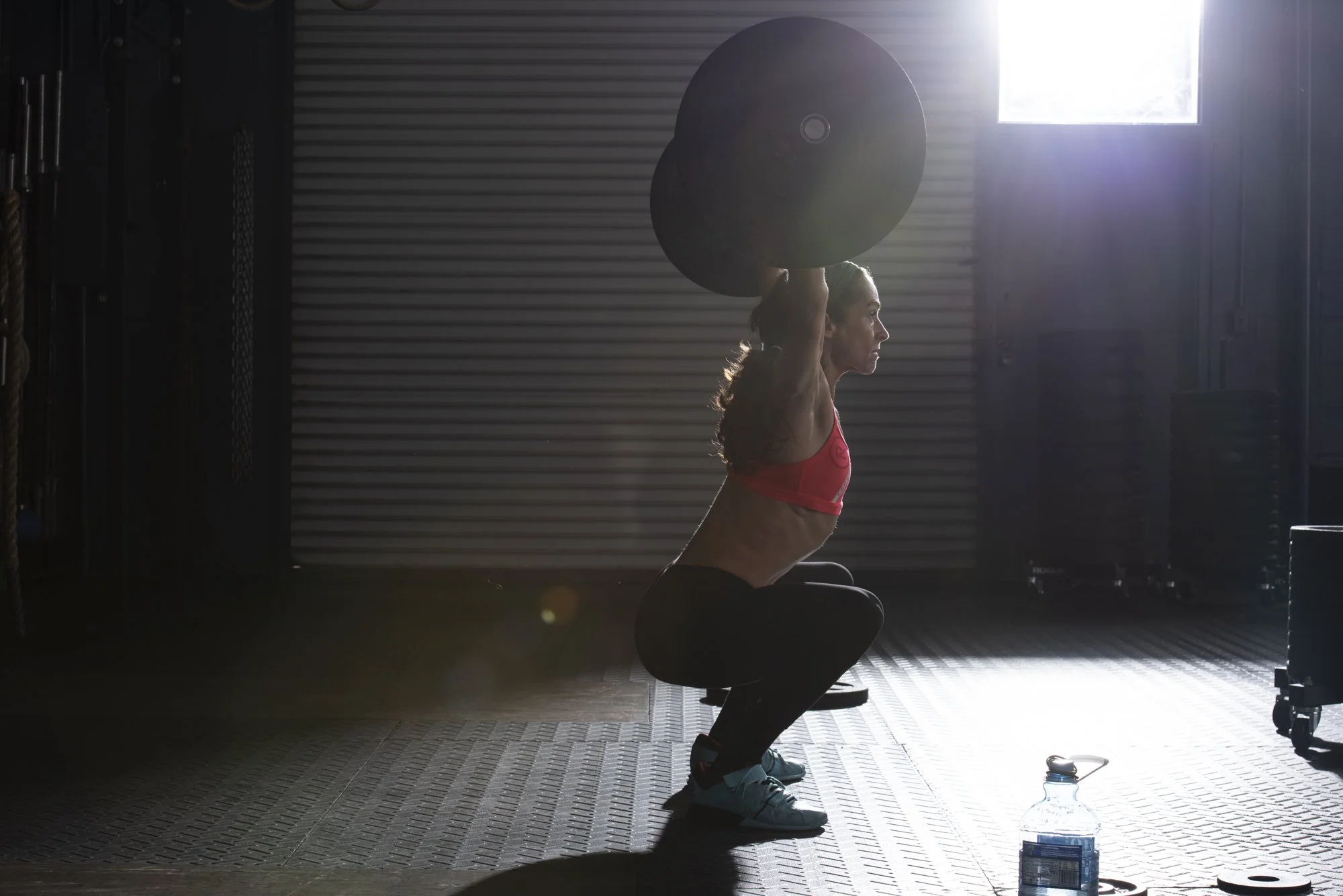
- Olympic lifting
- Speed under load
- Rate of force development
At the same time, conditioning evolves.
You will see:
- More interval work
- More threshold exposure
- More barbell cycling in conditioning
We are expanding the range where most people struggle.
Not just easy. Not just all-out.
But the ability to sustain challenging effort repeatedly.
Supporting strength and accessory work remains in place to ensure that progress in Olympic lifting is maximized.
Phase 4: 6 Weeks of Rebalance and Adjustment
Before moving into the final phase, we pause and assess.
This phase looks similar to Phase 2 in structure.
We maintain:
We continue to build:
But more importantly, this phase gives us the opportunity to adjust.
Based on how training and performance are trending, we can:
- Pull back where needed
- Push forward where appropriate
This is where the program becomes responsive.
Phase 5: Open Preparation
By the time we arrive here, the goal is different.
We are no longer building from scratch.
We are expressing what has been built.
Training returns to a more traditional CrossFit structure, but now:
- Strength is higher
- Aerobic capacity is deeper
- Skill execution is more consistent
- Fatigue is managed
You are no longer trying to get ready.
You are ready to prepare.
The Role of the Coaching Team
This program is not written by one person.
It is built, reviewed, and refined by the entire coaching staff.
Every coach has a role in:
- Contributing ideas
- Auditing sessions
- Adjusting based on what we see on the floor
Even coaches who are still developing are part of this process.
They are learning how to think about training by engaging with it directly.
More experienced coaches review and refine the structure.
Nothing goes untouched.
This matters because the program is not theoretical.
It is built from what we see every day:
- How members move
- Where breakdowns occur
- What carries over
- What does not
We are not guessing what needs to improve.
We are responding to it.
What You Should Expect to Feel
Not every phase will feel the same.
Some phases will feel slower.
Some will feel more demanding.
Some will feel more technical.
That is intentional.
Your job is not to make every workout feel the same.
Your job is to match the intent of the day.
When you do that, the program works the way it is designed to.
Frequently Asked Questions
Will I lose conditioning?
No. Conditioning is still present, but it is structured differently. You are building a base that will support higher output later.
Why is there less variety in workouts?
Because variety without focus limits improvement. We are prioritizing progress over novelty.
Why do some workouts feel easier than I expect?
Because not every session is meant to push intensity. Some are meant to build capacity and support recovery.
Why so much focus on strict strength and control?
Because it is the foundation for everything that comes later, especially higher-skill gymnastics and higher-intensity work.
When will things feel more like traditional CrossFit?
They will. But when they do, you will be better prepared to handle them.
The Bigger Picture
This season is about building something that lasts.
Not just better workouts.
Better athletes.
We are not trying to maximize a single day.
We are trying to improve what happens over time.
Closing Thought
This program is more focused than what we’ve done before.
That is intentional.
If you commit to the structure, stay consistent, and match the intent of each session, you will see the difference.
Not just in how you perform.
But in how you train.