How Much Exercise Do You Actually Need and Why It Matters
How much exercise do you really need each week? Learn the minimum recommendations and how your training can meet and exceed them for better long-term health.
By
April 28, 2026

Most people know they should exercise.
Far fewer know how much is actually needed to maintain and improve health.
There are well-established guidelines that outline the minimum effective dose of movement for general health. These are not high-performance standards. They are the baseline.
And they matter more than most people realize.
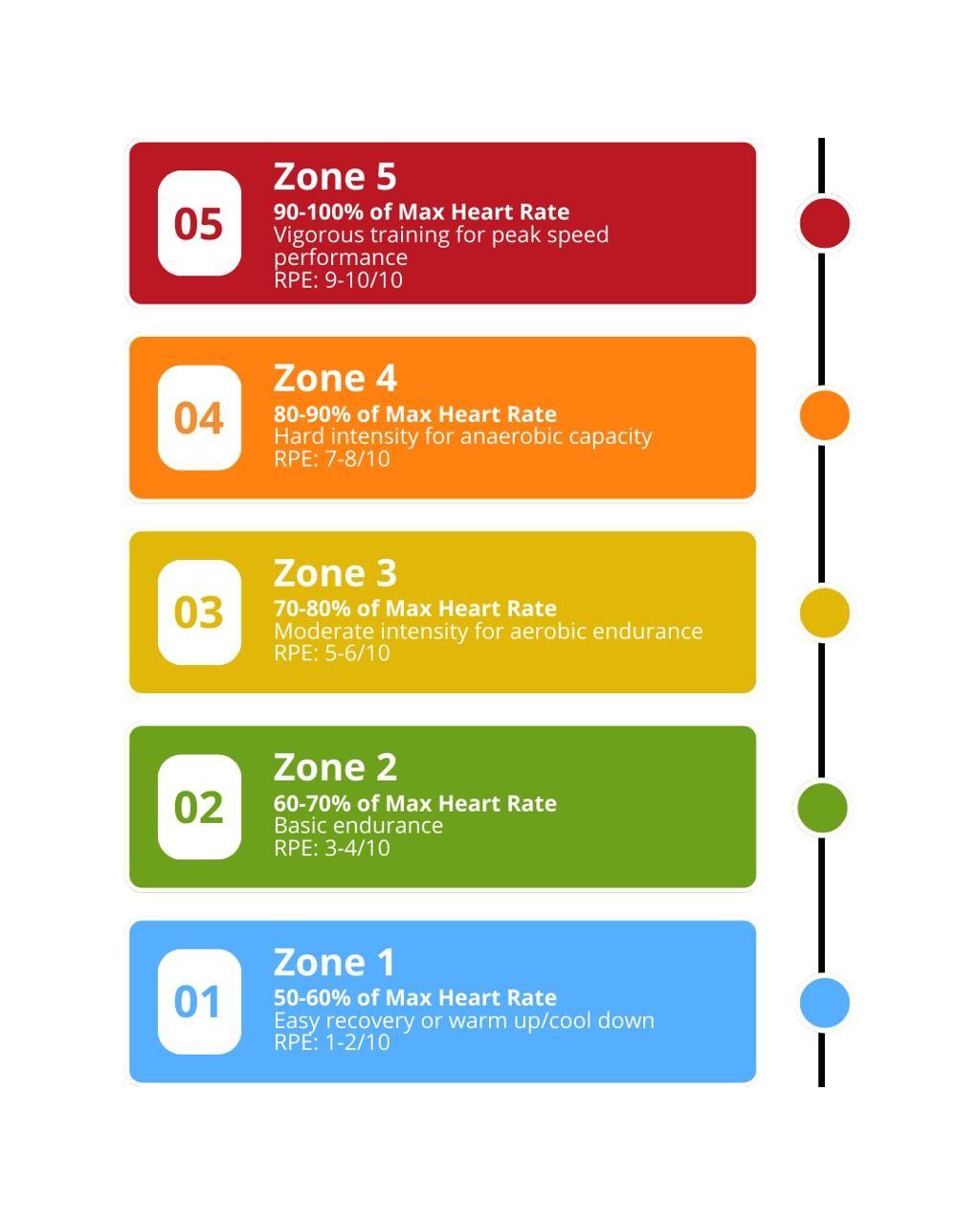
At a basic level, general health recommendations suggest:
Along with:
That is the baseline for:
It is not optimized performance.
It is the minimum needed to stay healthy.
Meeting the minimum is not the same as progressing.
Those recommendations are designed for:
They are not designed to:
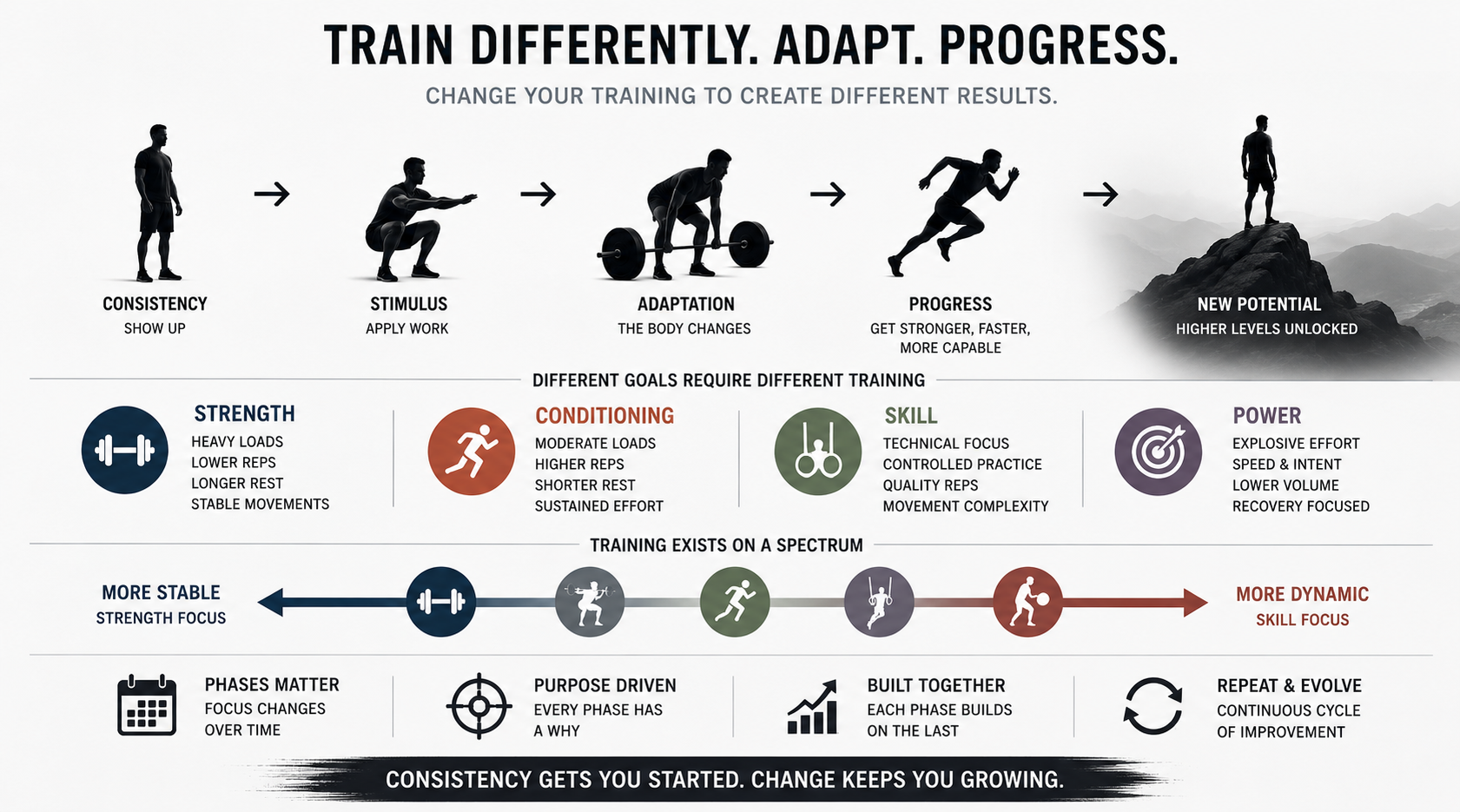
That is where structured training comes in.
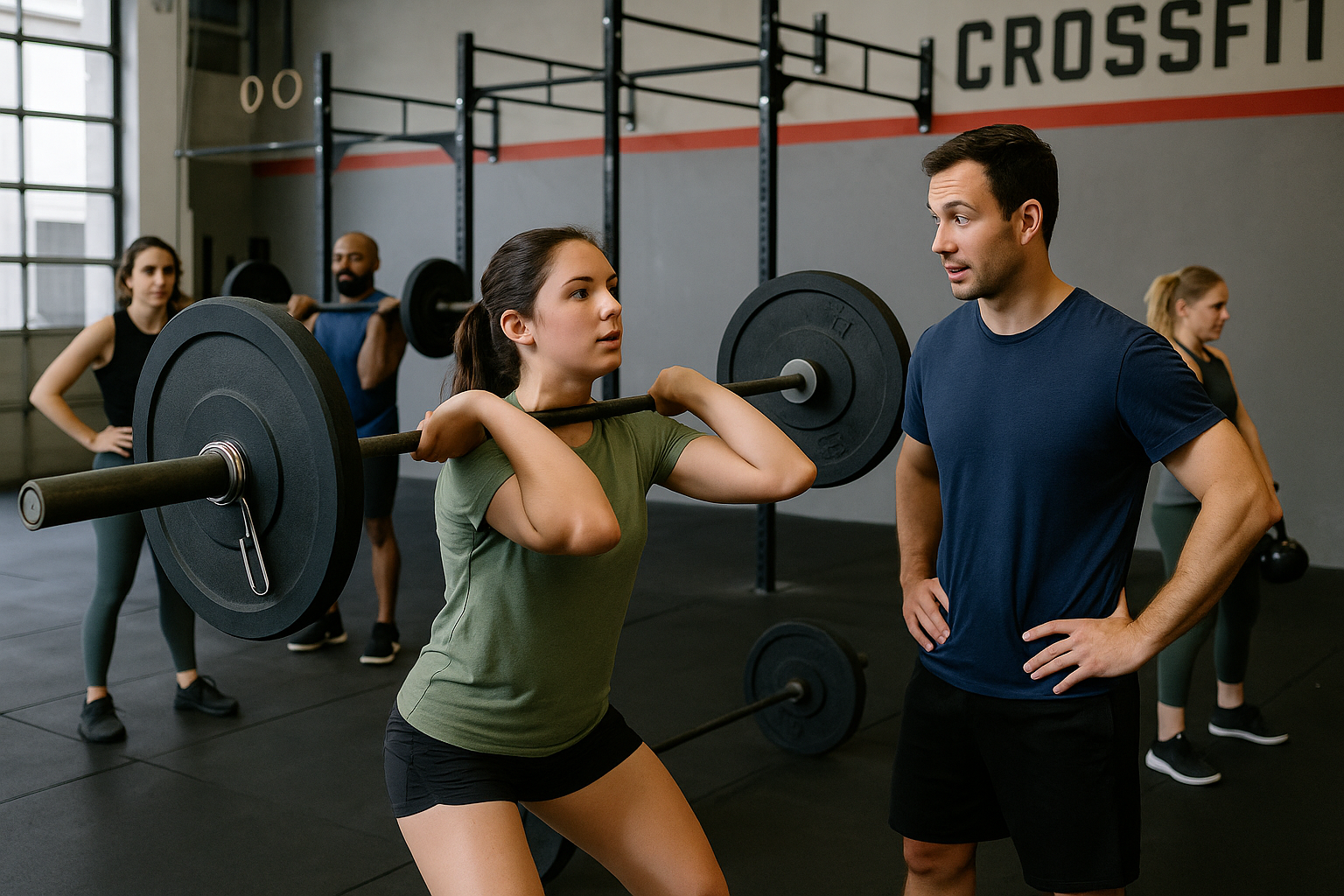
The type of training we do is designed to not only meet these minimums, but exceed them in a meaningful way.
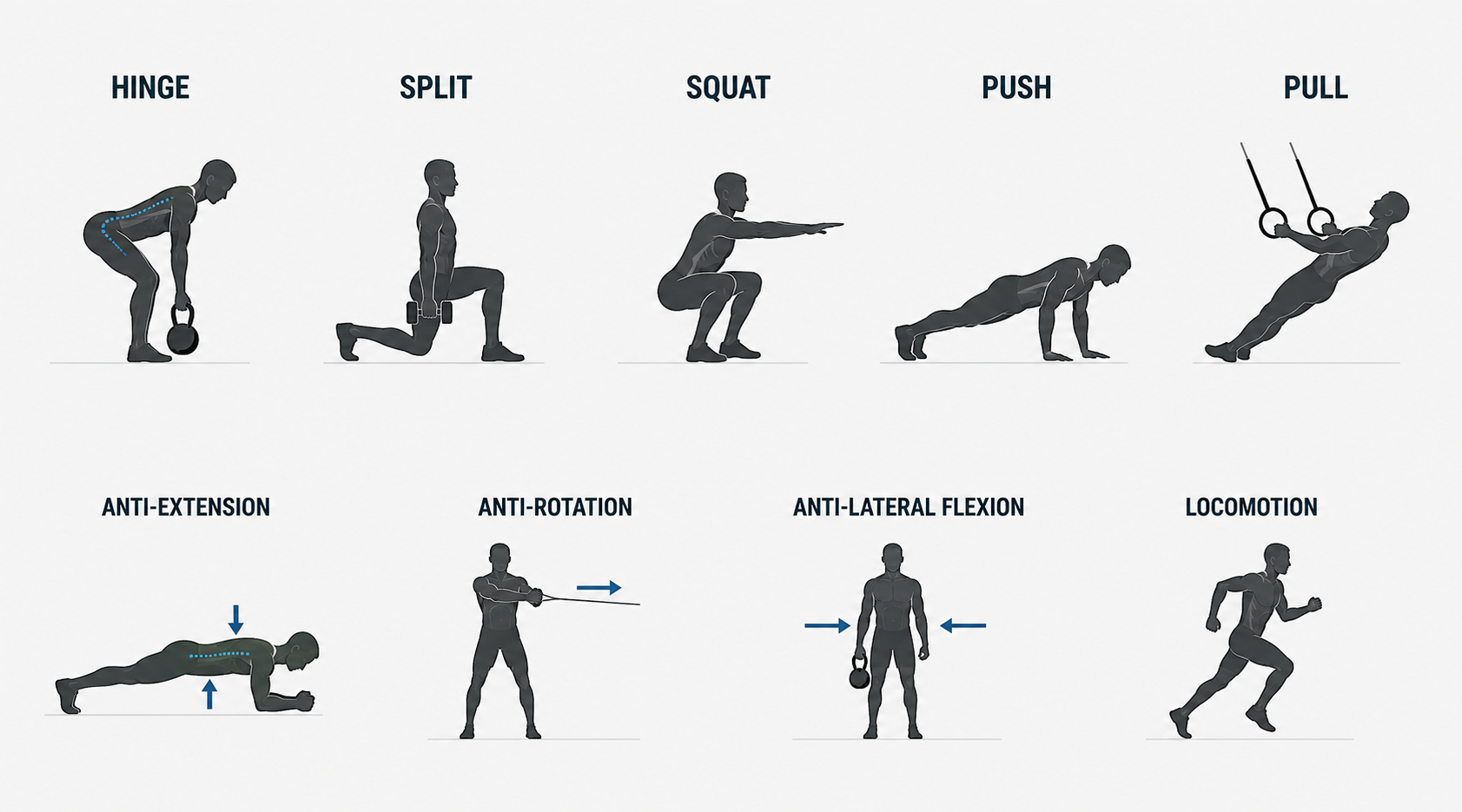
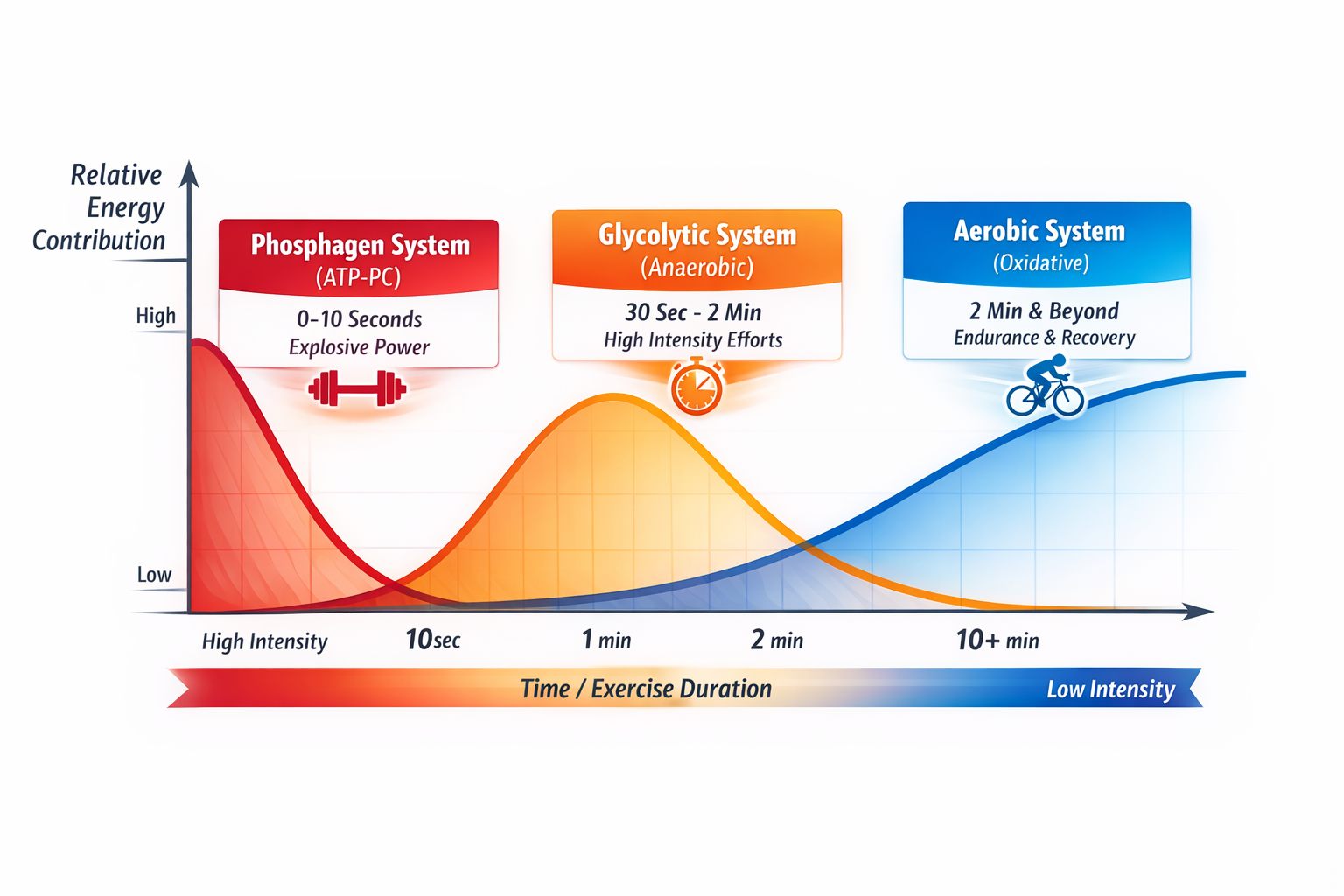
Across a typical training week, you are developing:
You are not just checking boxes.
You are building capacity across multiple systems at once.
This is the part that matters most.
Even with structured classes, your total weekly movement still depends on what happens outside the gym.
If you only move for one hour a day and remain sedentary the rest of the time, you are technically meeting some requirements, but missing a large part of the picture.
Movement is not just training.
It is:
This is where most people fall short.
The body responds best to consistent, low-level activity layered on top of structured training.
This includes:
This type of movement:
It complements your training instead of competing with it.
When daily movement is low:
When it is consistent:
The difference is noticeable over time.
Our current training structure is designed with this in mind.
You will see:
But for this to work as intended, it needs to be supported by movement outside the gym.
The program assumes you are not completely inactive the other 23 hours of the day.
You do not need to add more intense workouts.
You need to:
That might look like:
Simple, but effective.
Training is one piece of the puzzle.
Health and performance are built from:
Ignoring any one of these limits the others.
The minimum standards for exercise are just that — the minimum.
Your training is designed to go beyond them.
But to get the full benefit, it has to be supported by how you move outside the gym.
Show up to class.
But also stay active the rest of the day.
That is where the real difference is made.