How to Improve Flexibility and Mobility for Better Performance
Flexibility and mobility improve movement quality, reduce injury risk, and enhance performance. Learn how to build better range of motion in your training.
By
April 15, 2026

Flexibility and mobility are often treated as secondary.
Something to work on if you have extra time. Something to address only when there is a problem.
But movement quality is not optional.
It is a foundation.
Without it, strength is limited, efficiency drops, and the risk of injury increases.
These terms are often used interchangeably, but they are not the same.
Flexibility is the ability of a muscle to lengthen.
Mobility is the ability to move through a range of motion with control.
You can be flexible without being mobile.
Mobility is what actually translates to performance.
Limited range of motion affects everything.
It can:
Improving mobility allows you to:
Mobility work does not feel as productive as lifting or conditioning.
It is slower. Less intense. Less measurable.
Because of that, it is easy to skip.
But ignoring it creates limitations that show up everywhere else in training.
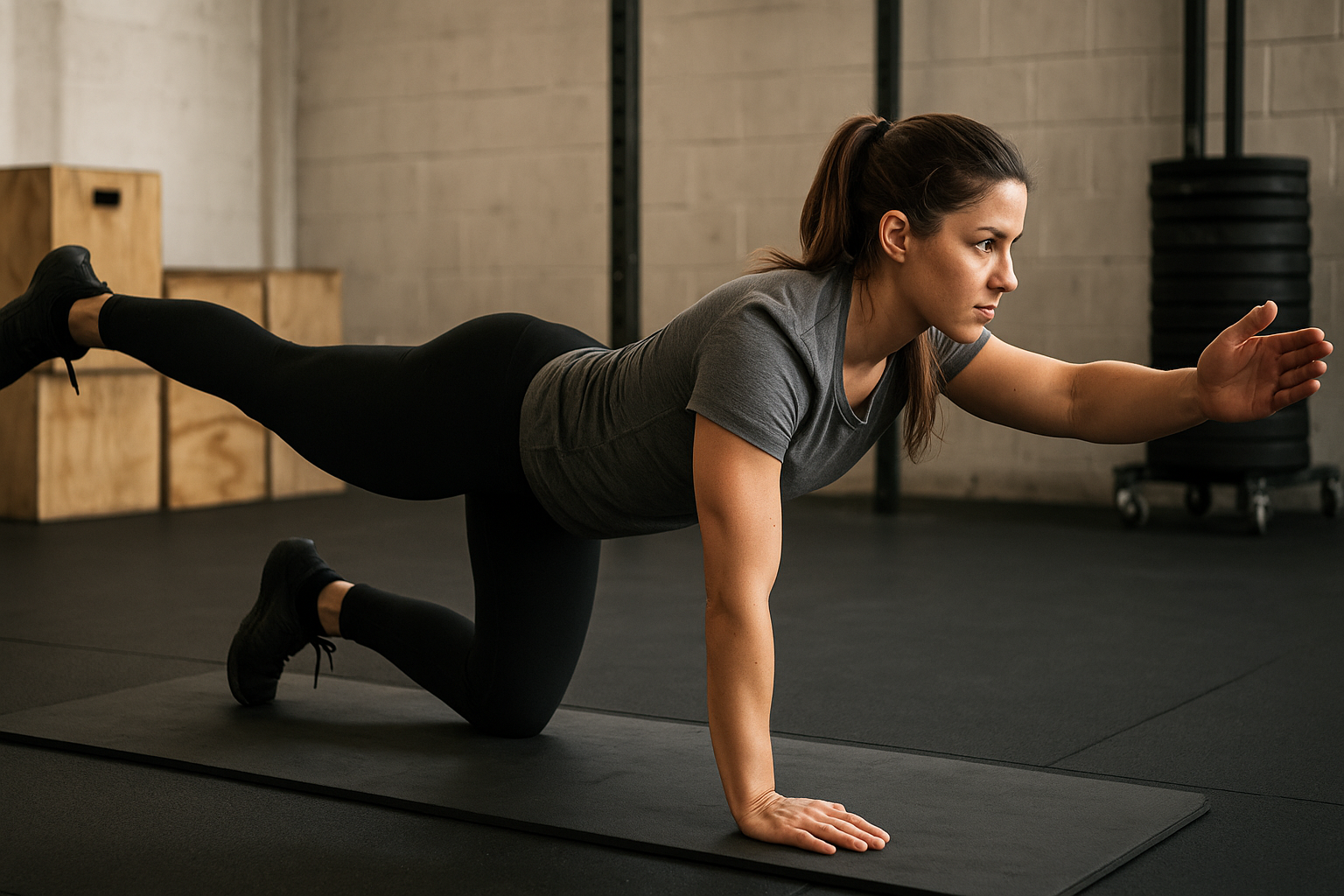
Mobility is already built into what you are doing.
Warm-ups, movement prep, and controlled strength work all contribute.
Tempo training reinforces positions.
Full range of motion builds strength where it matters.
You do not need separate, excessive mobility sessions to see improvement.
You need consistent exposure to good positions.
Mobility is not just about stretching.
It is about control.
Being able to move into a position is one thing.
Being able to control that position under load is what matters.
This is why strength training through full ranges of motion is so effective.
Most athletes benefit from improving:
These areas have the biggest impact on movement quality.
Improving them often leads to immediate changes in performance.
Mobility improves the same way everything else does.
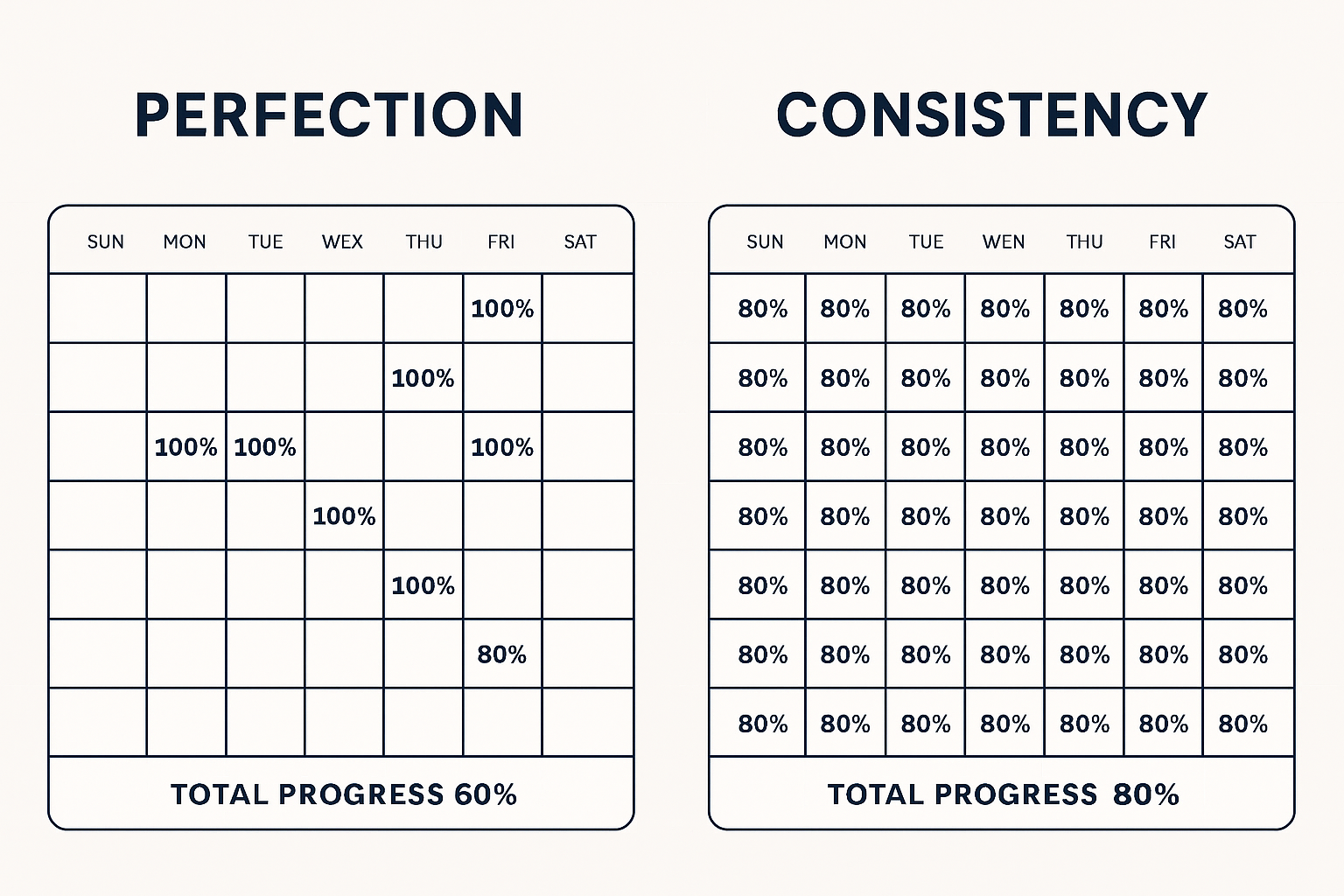
Through consistent exposure.
Short, regular work is more effective than occasional long sessions.
It does not need to be complicated.
It needs to be consistent.
Progress in mobility is not always dramatic.
It shows up as:
These changes may feel small, but they have a large impact over time.
Mobility supports everything else.
It allows strength to be expressed fully.
It allows conditioning to be performed more efficiently.
It reduces the risk of breakdown.
It is not separate from training.
It is part of it.
You do not need perfect mobility.
You need enough mobility to move well and train effectively.
Build it consistently, reinforce it through your training, and it will support everything else you do.