Recovery Habits That Actually Improve Your Training
Recovery habits play a critical role in performance, progress, and longevity. Learn how simple daily behaviors can improve recovery and enhance your training results.
By
May 12, 2026

Most people think recovery is something you do after training.
Something extra.
Stretching if you have time. Maybe a rest day when you feel tired.
But recovery is not separate from training.
It is what allows training to work.
Without it, effort accumulates but progress does not.
Training creates stress.
Recovery is how the body adapts to that stress.
It is the process that allows:
If training is the input, recovery is what determines the output.
Recovery is not built from occasional actions.
It is built from consistent habits.
One good night of sleep does not fix a week of poor sleep.
One long stretch session does not undo days of inactivity.
What matters is what you do regularly.
Small, consistent behaviors drive the majority of your recovery.
There are a few habits that have the biggest impact.
Not because they are complex, but because they are consistent.
This is the most important recovery tool available.
It affects:
Without adequate sleep, every other recovery strategy becomes less effective.
Recovery does not mean doing nothing.
Low-level movement:
Walking, light activity, and staying generally active help the body recover faster than complete inactivity.
Recovery requires fuel.
That includes:
Under-fueling slows recovery and limits adaptation.
Not every day should feel the same.
Recovery is supported when:
Blurring that line leads to accumulated fatigue.
Recovery is often misunderstood.
It is not:
Things like foam rolling, stretching, and other modalities can help, but they are not the foundation.
They are additions.
The basics matter more.
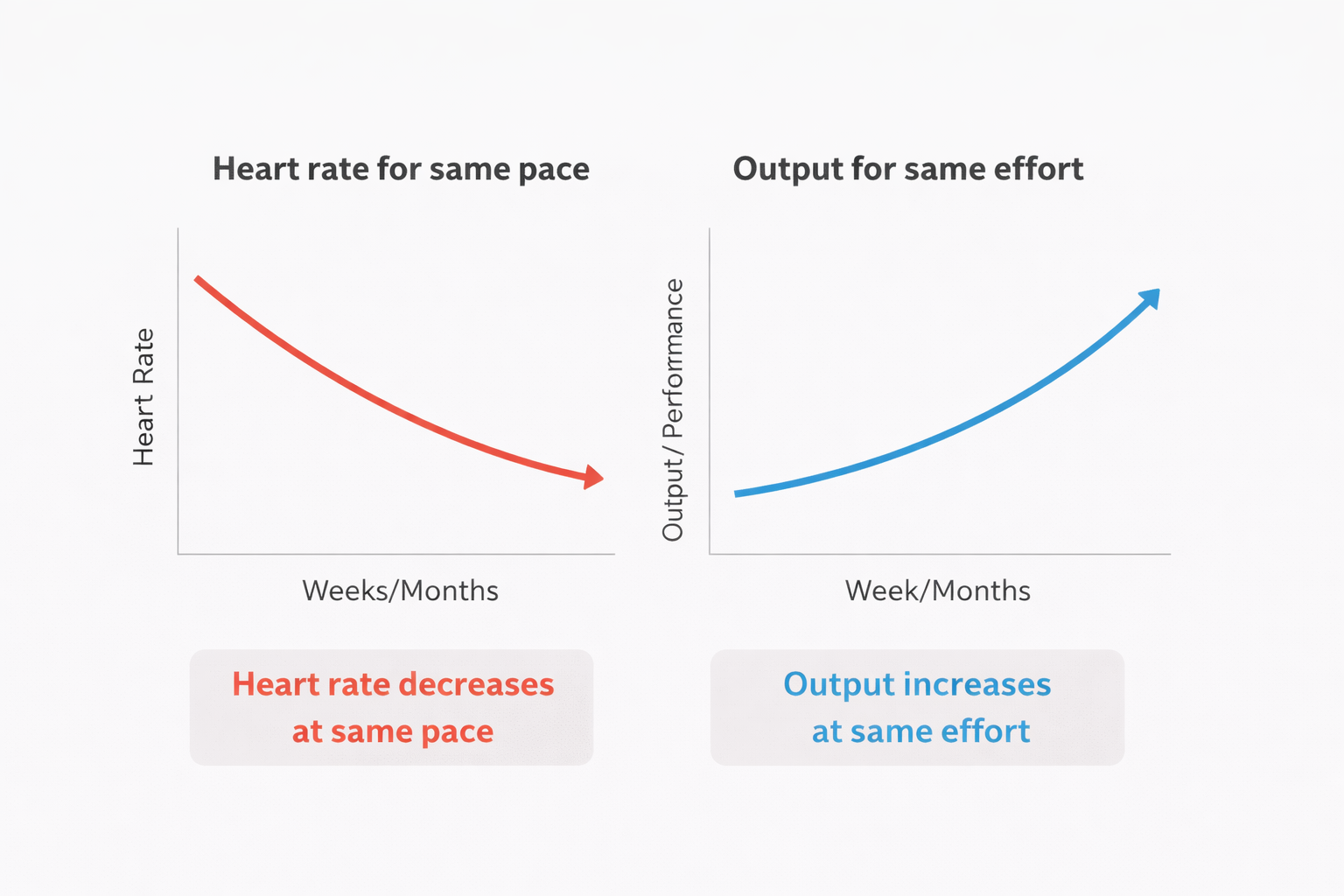
When recovery is consistent:
When recovery is inconsistent:
The difference shows up over time.
Our programming is designed with recovery in mind.
You will see:
But the program assumes that recovery habits are in place outside the gym.
Without that support, even the best programming becomes less effective.
You do not need to overhaul your routine.
You need to reinforce a few key behaviors:
Simple, repeatable actions.
Recovery is not something you earn after training.
It is something that allows training to be effective in the first place.
It determines how well your body responds to everything you are doing.
If you want to get more out of your training, do not just focus on what you do in the gym.
Focus on what supports it.
Recovery is not separate from progress.
It is what makes progress possible.